
Building a Rain Garden: A Step Towards Water Conservation
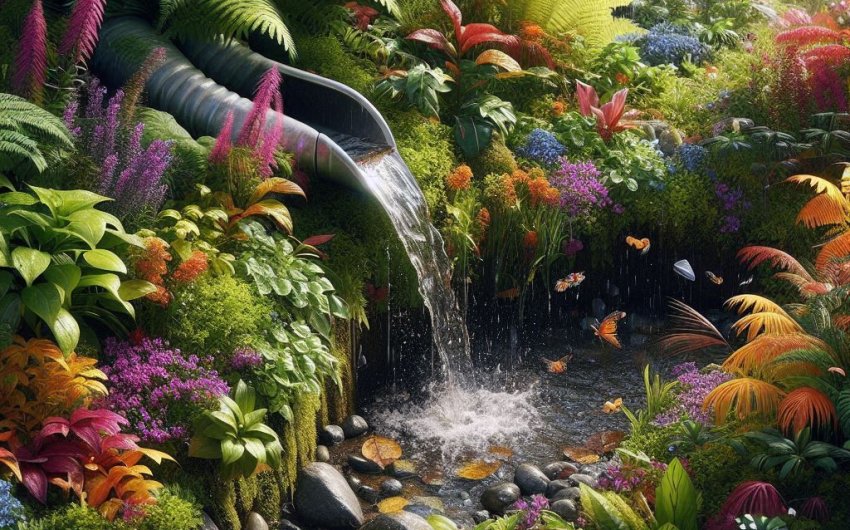
Rain gardens are a sustainable and beautiful way to help manage stormwater, prevent flooding, and conserve water in your landscape. These gardens are specially designed to capture and absorb runoff from roofs, driveways, and other hard surfaces, directing it into a planted area where it can soak into the ground naturally. Building a rain garden not only conserves water but also reduces erosion, filters pollutants, and supports local ecosystems by providing a habitat for birds and pollinators.
This guide covers everything you need to know about designing, planting, and maintaining a rain garden to help you take a step towards water conservation in your own backyard.
Benefits of a Rain Garden
Creating a rain garden provides numerous environmental and aesthetic benefits:
- Water Conservation: Reduces the need for irrigation by capturing and utilizing rainwater.
- Pollution Control: Filters out contaminants from runoff before they enter waterways.
- Flood Prevention: Reduces the volume of runoff flowing into storm drains, decreasing the risk of flooding.
- Biodiversity: Supports native plants and attracts pollinators like butterflies and bees.
- Erosion Control: Stabilizes soil and minimizes erosion caused by heavy rainfall.
Order a rain garden kit (available for $20–$50) to start building an eco-friendly rain garden at home.
Choosing the Right Location
Selecting the right spot for your rain garden is essential for its effectiveness. Here’s how to find the best location:
Where to Build
Choose a site where water naturally flows or pools, typically near downspouts or the lowest point in your yard. However, avoid areas close to your home’s foundation or septic system.
- Downspouts: Building near a downspout directs roof runoff into the garden.
- Low-Lying Areas: Locations where water naturally accumulates are ideal.
Find a durable downspout extender (available for $15–$25) to help direct rainwater from your roof into the garden.
Distance from Structures
Place the rain garden at least 10 feet away from your home to prevent water from seeping into your foundation. The goal is to direct runoff safely away from buildings.
- Minimum Distance: 10 feet from any building or foundation.
- Avoid Septic Areas: Steer clear of septic tanks and utility lines.
Use a measuring tape (available for $5–$15) to ensure proper distance between your garden and any nearby structures.
Designing the Rain Garden
The design of your rain garden depends on factors like soil type, garden depth, and the types of plants you choose. Here’s how to start designing:
Determine the Size
Calculate the size of your rain garden based on the amount of runoff you aim to capture. A good rule of thumb is that the rain garden should be about 20–30% of the area draining into it.
- Roof Size Calculation: Multiply the area of your roof by 20–30% to estimate garden size.
- Garden Depth: A depth of 6–12 inches is standard for most rain gardens, depending on soil drainage.
Get a reliable soil moisture tester (available for $10–$20) to help determine the optimal garden depth based on your soil’s drainage rate.
Soil Type and Drainage
Testing your soil is essential for designing a rain garden. Soils with good drainage, like sandy or loamy soils, can accommodate a deeper rain garden. For clay-heavy soils, a shallower garden may work best.
- Drainage Test: Dig a hole 12 inches deep, fill it with water, and see how long it takes to drain.
- Amend Soil: Improve poor drainage by adding sand or compost.
Order a soil testing kit (available for $10–$30) to check your soil composition and drainage capacity.
Shaping the Basin
The basin should be bowl-shaped to collect and hold water. The center of the garden should be the lowest point, sloping gently toward the edges.
- Excavation: Use a shovel to dig out the center of the garden to a depth of 6–12 inches.
- Sloping Edges: Gradually slope the sides to encourage water flow.
Use a sturdy garden shovel (available for $15–$30) to shape the basin and prepare your rain garden’s foundation.
Choosing the Right Plants
Selecting the right plants for your rain garden is crucial. Look for native, water-tolerant species that can withstand both wet and dry conditions.
Native Plants
Native plants are adapted to your local climate and soil, making them ideal for rain gardens. They require less maintenance and are beneficial for local wildlife.
- Perennials: Flowers like coneflowers and black-eyed Susans are beautiful and resilient.
- Grasses: Native grasses like switchgrass or sedges help stabilize soil.
Order a selection of native plants (available for $15–$40) to create a biodiverse and eco-friendly rain garden.
Water-Tolerant Plants
Look for plants that thrive in both wet and dry conditions, as rain gardens experience periodic flooding followed by dry spells. Ideal plants for rain gardens include:
- Cardinal Flower: Adds bright color and tolerates moist conditions.
- Blue Flag Iris: Water-loving, with beautiful purple flowers.
- Swamp Milkweed: Attracts pollinators and tolerates wet soil.
Get water-tolerant plants (available for $10–$30) to ensure your rain garden thrives under fluctuating moisture levels.
Layering Plants by Zone
Divide your rain garden into planting zones based on water depth. The center should contain moisture-loving plants, while the edges can be planted with drought-resistant species.
- Center Zone: Plant water-tolerant species that can handle periodic flooding.
- Middle Zone: Use plants that tolerate moderate moisture.
- Edge Zone: Plant drought-tolerant species along the outer rim.
Find a plant layout guide (available for $5–$10) to help you organize your rain garden by moisture zones.
Preparing the Soil
Healthy soil is the foundation of a successful rain garden. Preparing the soil improves water absorption and ensures that plants get the nutrients they need.
Remove Sod and Grass
Clear the area of any existing grass or weeds. Dig down a few inches to remove the sod and prevent regrowth.
- Clear the Area: Use a shovel to remove grass and weeds from the garden site.
- Smooth Surface: Rake the area flat before digging the basin.
Order a garden rake (available for $10–$25) to smooth the soil and prepare your garden bed.
Improve Soil Drainage
If your soil is clay-heavy or compacted, consider mixing in sand or compost to improve drainage. This helps the garden absorb water more effectively and prevents standing water.
- Add Sand: Helps break up clay soil for better drainage.
- Compost: Adds nutrients and encourages root growth.
Use a bag of organic compost (available for $10–$20) to enrich the soil and support plant health.
Planting the Rain Garden
Once the basin is shaped and soil is prepared, it’s time to start planting. Following a thoughtful layout can help the garden function effectively and look beautiful.
Arrange Plants by Zone
Refer back to your moisture zones when arranging your plants. Place water-loving plants in the lowest areas, while drought-tolerant plants go around the edges.
- Center Zone: Start with moisture-loving plants.
- Middle and Edge Zones: Gradually transition to plants that need less water.
Order a set of plant markers (available for $5–$15) to label different zones and keep track of plant locations.
Planting Tips
Dig holes slightly larger than the root balls of your plants, and plant them at the same depth they were growing in their pots. Water each plant thoroughly after planting to help establish roots.
- Hole Depth: Match the plant’s original potting depth.
- Spacing: Leave enough space between plants for growth.
Find a set of garden hand tools (available for $10–$20) to make planting in your rain garden easy and precise.
Mulching the Rain Garden
Adding a layer of mulch helps retain moisture, suppress weeds, and prevent soil erosion. Organic mulches like wood chips or shredded bark are ideal for rain gardens.
Apply Mulch
Spread 2–3 inches of mulch over the garden bed, keeping it a few inches away from plant stems. This helps regulate soil temperature and moisture levels, which is especially important in rain gardens.
- Depth: 2–3 inches for effective weed suppression.
- Avoid Stems: Keep mulch away from the base of plants to prevent rot.
Get a bag of wood chip mulch (available for $10–$20) to cover your rain garden and protect your plants.
Maintaining the Rain Garden
After planting, a rain garden requires relatively little maintenance. Here are some tips to keep your rain garden healthy and functioning well.
Watering
Water the garden during dry spells to help establish roots, especially in the first growing season. Once established, rain gardens typically require minimal watering.
Use a soaker hose (available for $15–$25) to water your garden efficiently during dry periods.
Weed Control
Weeds can compete with your plants for nutrients and water. Regularly check for weeds and pull them out by hand to prevent them from taking over.
Order a weed puller tool (available for $10–$20) to make weeding quick and easy.
Seasonal Maintenance
In the fall, remove dead foliage and add a fresh layer of mulch to protect plants over the winter. Trim any overgrown plants in spring to maintain a neat appearance.
Get a pair of pruning shears (available for $10–$25) to manage plant growth and keep your rain garden looking its best.
Building a rain garden not only adds beauty to your yard but also plays a vital role in conserving water and supporting local ecosystems. By following these steps, you can create a sustainable garden that captures and utilizes rainwater effectively.