
Grow Potatoes in a Bag: A Simple Guide
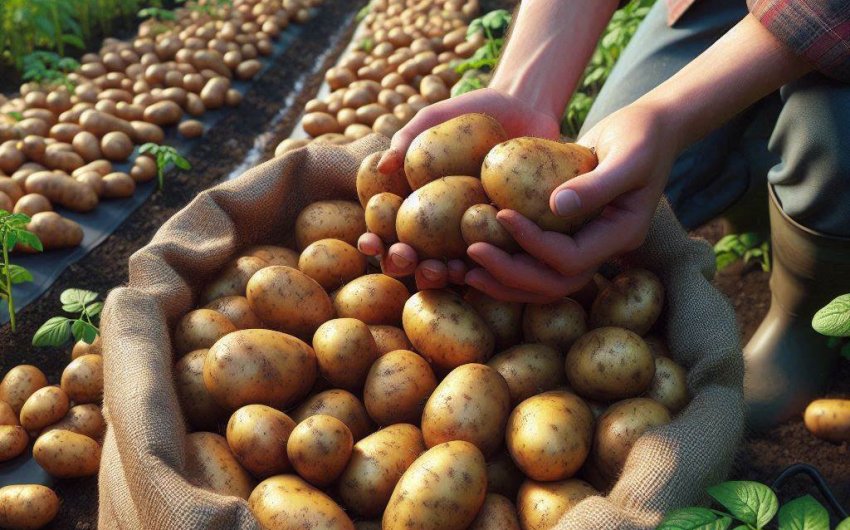
To grow potatoes in a bag, choose a large grow bag with drainage, fill it with a loose, well-draining potting mix, and plant certified seed potatoes. The key is to progressively add more soil or compost around the growing stems (hilling) as the plant develops, encouraging more tubers to form for a bountiful harvest. This simple guide makes potato cultivation accessible even in small spaces.
Why Grow Potatoes in a Bag?
Growing potatoes in a bag has rapidly become a popular method for both seasoned gardeners and urban dwellers alike. This innovative technique offers a multitude of advantages over traditional in-ground planting, making potato cultivation accessible, efficient, and surprisingly simple for anyone wanting to enjoy homegrown spuds.
1. Space Efficiency:
One of the most compelling reasons to grow potatoes in a bag is its incredible space-saving capability.
- Small Yards & Patios: You don't need a large plot of land. Grow bags fit perfectly on balconies, patios, rooftops, or even small urban yards. This opens up potato gardening to apartment dwellers and those with limited traditional garden space.
- Vertical Gardening: The progressive "hilling" method (adding more soil as the plant grows) encourages vertical growth and tuber formation, essentially allowing you to grow a substantial harvest in a minimal footprint.
2. Easier Harvesting:
Traditional potato harvesting involves digging up trenches, which can be a messy and laborious process, often resulting in accidentally spearing or leaving behind some precious potatoes.
- Simple Dump: With a grow bag, harvesting is wonderfully simple. When the plant dies back, you simply tip the bag over, and the potatoes tumble out cleanly onto a tarp or wheelbarrow. No digging, no hidden spuds!
- Reduced Damage: The soft sides of the bag mean fewer chances of damaging tubers during harvest.
3. Pest and Disease Control:
Grow bags offer a degree of control over common potato pests and diseases that are prevalent in garden soil.
- Soil-Borne Diseases: Planting in fresh, sterilized potting mix reduces the risk of soil-borne diseases like scab or blight that can linger in garden beds.
- Weed Suppression: Since you're using clean potting mix, weed pressure is significantly reduced compared to an open garden bed.
- Nematodes & Ground Pests: Bags provide a physical barrier against soil-dwelling nematodes and burrowing pests like voles or wireworms.
4. Mobility and Flexibility:
The portability of grow bags offers unmatched flexibility.
- Sunlight Adjustment: You can move your potato bags to track the sun throughout the day or season, ensuring your plants always receive optimal light. This is especially useful in gardens with variable sun exposure.
- Weather Protection: In case of unexpected late frosts or extreme heatwaves, you can easily move bags to a more protected location.
- Crop Rotation: Since you're not planting in the same garden bed year after year, it simplifies crop rotation, naturally breaking disease cycles.
5. Excellent Drainage and Aeration:
Fabric grow bags provide superior drainage and aeration compared to plastic containers or sometimes even in-ground beds, especially in areas with heavy clay soil.
- Prevents Root Rot: Excess water easily drains out, preventing soggy conditions that can lead to root rot.
- Air Pruning: The porous fabric allows for "air pruning" of roots, which encourages the development of a dense, fibrous root ball, leading to a healthier plant.
6. Warmer Soil (Good for Early Growth):
In cooler climates, the soil in grow bags warms up faster than in the ground, which can give potatoes a head start in spring.
7. Cleanliness and Less Mess:
Growing in bags keeps the potato plants contained, reducing soil splash onto surrounding areas, and making for a cleaner garden space overall.
For anyone looking for an easy, productive, and adaptable method to cultivate their own tubers, learning how to grow potatoes in a bag is a highly rewarding endeavor that makes fresh, homegrown potatoes a reality, even without a traditional garden.
What Supplies Do I Need to Grow Potatoes in a Bag?
To successfully grow potatoes in a bag, gathering the right supplies before you start will make the process smooth and enjoyable. Thankfully, the list is relatively short and accessible, making this a great project for beginner gardeners.
1. Grow Bags (The Essential Container):
- Size: This is crucial. For optimal yield, choose grow bags that are at least 10-15 gallons (approximately 15-20 inches in diameter and height). Larger bags (e.g., 20 gallons) will generally yield more potatoes per bag. Don't go smaller than 10 gallons.
- Material:
- Fabric Grow Bags: These are highly recommended. They are typically made from thick, breathable felt-like fabric (non-woven geotextile).
- Pros: Excellent drainage, superior aeration, prevents root circling (through "air pruning"), durable, often reusable for several seasons. Many come with handles for easy moving.
- Recommendation: Look for heavy-duty fabric potato grow bags specifically designed for root crops, often with harvesting flaps. Gardener's Supply Company Potato Grow Bag or VIVOSUN Fabric Grow Bags.
- Burlap Sacks: Cheaper, but less durable and may degrade faster. Ensure they have good drainage.
- Plastic Tubs/Trash Cans (with modifications): If repurposing, you must drill plenty of drainage holes (1/2 inch to 1 inch holes) in the bottom. These tend to hold more moisture and offer less aeration than fabric.
- Fabric Grow Bags: These are highly recommended. They are typically made from thick, breathable felt-like fabric (non-woven geotextile).
- Drainage: No matter the material, ensuring proper drainage is paramount to prevent root rot.
2. Certified Seed Potatoes:
- What they are: These are not regular grocery store potatoes. Certified seed potatoes are specifically grown to be disease-free. This is critical to avoid introducing soil-borne diseases into your garden or bags.
- Where to Buy: Purchase from reputable garden centers, nurseries, or online seed suppliers.
- Varieties: Choose varieties suited to your climate and desired harvest time.
- Early Season: Ready in 60-80 days (e.g., 'Yukon Gold', 'Red Norland').
- Mid-Season: Ready in 80-100 days (e.g., 'Kennebec', 'Russet Burbank').
- Late Season: Ready in 100-130 days (e.g., 'Katahdin', 'Red Pontiac').
- Chitting (Optional but Recommended): About 2-4 weeks before planting, place seed potatoes in a cool (50-60°F / 10-15°C), bright place to encourage them to sprout short, stubby, green shoots ("chits"). This gives them a head start.
3. Potting Mix (Not Garden Soil!):
- Type: Use a loose, well-draining, high-quality potting mix. A blend of compost, peat moss (or coco coir), perlite, and/or vermiculite is ideal.
- Avoid: Don't use heavy garden soil, which can compact in containers, lead to poor drainage, and introduce diseases or pests.
- Nutrients: Consider a mix that includes some organic matter or a slow-release fertilizer. Potatoes are heavy feeders.
- Volume: You'll need a significant amount. For one 15-gallon bag, you'll use around 1.5 to 2 cubic feet (40-55 liters) of potting mix throughout the growing season. Plan accordingly.
- Recommendation: A good all-purpose potting mix like FoxFarm Ocean Forest Potting Soil or a custom blend.
4. Water Source:
- Consistent Moisture: Potatoes need consistent moisture. You'll need access to a watering can, hose, or drip irrigation system for regular watering.
5. Optional Supplies:
- Compost/Aged Manure: Excellent for enriching your potting mix and for future hilling layers.
- Balanced Fertilizer: A balanced slow-release granular fertilizer or a liquid feed, especially one slightly higher in phosphorus (for tuber development), can boost yields.
- Small Trowel/Shovel: For adding potting mix during hilling.
- Soil Thermometer: Useful for checking soil temperature before planting (potatoes prefer soil above 45°F/7°C, ideally 60°F/15°C for quick growth). Luster Leaf Rapitest Soil Tester.
- Work Gloves: To keep hands clean and protect them.
Having all these supplies ready will make your venture to grow potatoes in a bag much easier and lead to a more successful and satisfying harvest.
When is the Best Time to Plant Potatoes in a Bag?
Knowing when to plant potatoes in a bag is crucial for success, as timing directly impacts growth and yield. The general rule of thumb aligns with traditional in-ground potato planting, focusing on the relationship between temperature and frost.
The Golden Rule: After the Last Frost Date, When Soil Warms Up
The ideal time to plant potatoes in a bag is in early spring, after all danger of a hard killing frost has passed, and when the soil temperature has begun to warm up.
- Last Frost Date: This is the most critical benchmark. Potatoes are sensitive to frost, which can damage or kill emerging foliage. Check your average last frost date for your specific region. This information is readily available from local Cooperative Extension offices or online gardening resources.
- Soil Temperature: While air temperature is important, potatoes also prefer a specific soil temperature for optimal growth. Aim for soil that is consistently above 45°F (7°C). Ideally, for quicker sprouting and vigorous growth, wait until soil temperatures are around 60-70°F (15-21°C). A soil thermometer is a useful tool for this. Luster Leaf Rapitest Soil Tester.
Regional Timing Considerations:
- Cooler Climates (e.g., USDA Zones 3-5):
- Planting Window: Late April to late May.
- You might be able to start planting 2-3 weeks after your last frost date, depending on how quickly your soil warms up.
- Temperate Climates (e.g., USDA Zones 6-7):
- Planting Window: Mid-March to late April.
- Often, you can plant around your last frost date.
- Warmer Climates (e.g., USDA Zones 8-10):
- Planting Window: February to March (for spring crop).
- Some very warm climates can even have a fall potato crop, planting in late summer/early fall when temperatures cool down slightly (e.g., August or September).
The Advantage of Grow Bags for Timing:
Grow bags offer a slight advantage over in-ground planting when it comes to timing:
- Faster Soil Warming: The soil in grow bags, especially fabric ones exposed to sun, warms up faster than the ground. This means you might be able to plant a week or two earlier than if planting directly into the soil.
- Mobility for Protection: If an unexpected late frost is predicted after you've planted, you can easily move your potato bags to a sheltered location (e.g., garage, covered patio) or cover them with blankets/tarps.
Preparing Your Seed Potatoes (Chitting):
While not strictly about "when" to plant, preparing your seed potatoes influences how quickly they grow after planting.
- Chitting: About 2-4 weeks before your target planting date, take your seed potatoes out of storage and place them in a cool (50-60°F / 10-15°C), bright location (but not direct scorching sun). This encourages them to develop short, stubby, green sprouts (called "chits").
- Benefits of Chitting: Chitting gives your potatoes a head start, potentially leading to earlier harvests and sometimes larger yields.
By paying attention to your local last frost date and the warming of your soil, you can choose the optimal time to plant potatoes in a bag and set yourself up for a successful and satisfying harvest from your simple guide to potato growing.
Step-by-Step Guide: Planting Potatoes in a Bag
Growing potatoes in a bag is a straightforward process, perfect for beginners. The key steps involve preparing your seed potatoes, setting up the bag, and then progressively "hilling" the plants as they grow. Follow this simple guide for a bountiful harvest.
Step 1: Prepare Your Seed Potatoes
- Chit (Optional but Recommended): About 2-4 weeks before planting, place your certified seed potatoes in a bright, cool spot (50-60°F / 10-15°C) to encourage short, stout green sprouts (chits) to form. This gives them a head start.
- Cut (If Necessary): If your seed potatoes are large (larger than a chicken egg), cut them into pieces. Each piece should be at least 1.5-2 inches square and contain at least 2-3 healthy chits/eyes. Smaller pieces risk drying out or not having enough stored energy.
- Cure Cuts (Crucial!): After cutting, allow the potato pieces to "cure" for 1-2 days in a dry, airy place away from direct sunlight. This allows the cut surfaces to form a protective callous, which prevents rot once planted. Do not skip this step.
Step 2: Set Up Your Grow Bag
- Choose Location: Place your grow bag in a location that receives full sun (at least 6-8 hours of direct sunlight) daily. Ensure it's stable and won't be easily knocked over.
- Unroll Base: Unroll your fabric grow bag so it stands upright, but keep the sides folded down to create a short "collar" at the bottom (like a planter pot).
- Add Initial Potting Mix: Fill the bottom of the bag with about 6-8 inches of your well-draining potting mix. If desired, you can mix in a handful of balanced granular fertilizer or a layer of compost at this stage.
Step 3: Plant Your Seed Potatoes
- Place Potatoes: Carefully place 2-4 (depending on bag size) prepared seed potato pieces on top of the potting mix.
- For a 10-gallon bag, use 2-3 pieces.
- For a 15-20 gallon bag, use 3-4 pieces.
- Ensure the chits (sprouts) are facing upwards.
- Cover: Cover the seed potato pieces with another 4-6 inches of potting mix, leaving plenty of space (about 8-10 inches) between the top of the soil and the rim of the folded-down bag.
- Water In: Water thoroughly until water drains from the bottom of the bag.
Step 4: "Hilling" as the Plant Grows (The Key to More Potatoes!)
This is the most unique and important step for growing potatoes in a bag. As the potato plant grows, you will progressively add more soil, encouraging it to produce more tubers along the buried stem.
- First Hilling: When the potato plant sprouts and reaches about 6-8 inches tall above the soil line, unroll the bag another few inches. Then, add more potting mix (or a mix of potting mix and compost) around the stems, leaving only the top 3-4 inches of foliage exposed. This encourages new potatoes (tubers) to form along the buried stem.
- Second and Subsequent Hillings: Repeat the hilling process every time the plant grows another 6-8 inches tall. Continue unrolling the bag and adding soil until the bag is full to within a few inches of its top rim.
- Why Hilling Works: Potatoes form along the stem above the original seed potato. By repeatedly burying the stem, you trick the plant into thinking the soil level is rising, prompting it to produce more potatoes higher up.
Step 5: Ongoing Care
- Watering: Potatoes in bags will dry out faster than in-ground potatoes. Water regularly and deeply, especially during hot, dry weather. Check soil moisture daily. Ensure water drains freely from the bottom.
- Sunlight: Ensure your bag continues to receive full sun.
- Fertilizing (Optional): If your potting mix wasn't pre-fertilized or you notice slow growth, you can apply a balanced liquid fertilizer (like a 5-10-10 for tuber development) every 2-4 weeks after the first hilling, following package directions.
- Pest and Disease Monitoring: Keep an eye out for common potato pests (e.g., potato beetles, aphids) and diseases (e.g., early blight). Address issues promptly.
By following this simple guide, your efforts to grow potatoes in a bag will be rewarded with delicious, homegrown tubers!
How to Harvest Potatoes from a Bag
Harvesting potatoes from a bag is one of the most satisfying parts of this cultivation method. Unlike traditional in-ground harvesting, which involves extensive digging, potato bag harvesting is incredibly easy and clean, making it a joy for any vegetable gardener.
1. Knowing When to Harvest (Signs of Maturity):
The timing of your potato harvest depends on the variety you planted (early, mid, or late season) and your local climate. However, the plant itself will give you clear signals.
- Flowering (Initial Sign, Not End): Potato plants may produce flowers. This is an early sign that tubers are beginning to form underground, but they are not yet fully developed. You can do a "new potato" harvest at this stage if desired.
- Foliage Yellowing and Dieback (Main Harvest Signal): This is the main indicator for a full harvest of mature potatoes.
- The foliage (the green leafy tops of the plant) will begin to yellow, wilt, and eventually die back. This typically happens around 70-120 days after planting, depending on the variety.
- The plant is directing all its energy into developing and maturing the tubers underground.
- Wait a Few Weeks: Once the foliage has completely died back, wait 2-3 weeks before harvesting. This crucial period allows the potato skins to "set" or "cure" underground. This process toughens the skins, which greatly improves their storage life and prevents bruising.
- Avoid Green Potatoes: Ensure no part of the tubers is exposed to sunlight during growth or harvest, as sunlight causes them to turn green and produce solanine, a bitter and mildly toxic compound.
2. The Simple Harvesting Process:
This is where growing potatoes in a bag truly shines!
- Prepare Your Area: Place a large tarp, old sheet, or even a wheelbarrow near your potato bag. This will catch all the soil and potatoes.
- Tip and Dump:
- Gently grab the handles of the grow bag (if it has them).
- Carefully tip the entire bag over onto your prepared tarp or into the wheelbarrow.
- The soil and potatoes will tumble out.
- Sift Through Soil: Gently sift through the loose potting mix. You'll find your potatoes! This method makes it incredibly easy to find every single potato, minimizing hidden treasures left behind.
- Check Side Flaps (if applicable): If your grow bag has side access flaps, you can use these for a "partial harvest" of "new potatoes" during the growing season without disturbing the whole plant. Simply open the flap, reach in, and pull out a few small potatoes. Close the flap afterward.
3. Curing and Storing Your Harvest:
Proper curing after harvest is essential for long-term storage of your potatoes.
- Brush, Don't Wash: Gently brush off any excess dirt from the potatoes. Do NOT wash them at this stage, as moisture can encourage rot.
- Cure: Lay the freshly harvested potatoes in a single layer in a cool (50-60°F / 10-15°C), dark, well-ventilated area for 1-2 weeks. This allows any minor nicks to heal and the skins to further toughen.
- Store: After curing, store your potatoes in a cool (40-50°F / 4-10°C), dark, and humid place. A root cellar, basement, or unheated closet works well.
- Containers: Store them in breathable containers like burlap sacks, paper bags, or slatted wooden crates.
- Avoid: Do not store potatoes in airtight plastic bags or in direct sunlight, as this will cause them to sprout or turn green.
- Keep Separate: Store potatoes away from apples, onions, and other ripening fruits, as the ethylene gas they release can cause potatoes to sprout faster.
Harvesting from a grow bag truly simplifies potato cultivation, making it a highly rewarding experience for the vegetable gardener and providing delicious, homegrown tubers with minimal effort.
Troubleshooting Common Problems When Growing Potatoes in a Bag
While growing potatoes in a bag is a relatively simple guide for success, you might still encounter some common problems. Knowing how to identify and address them will help ensure your vegetable garden efforts are rewarded with a healthy harvest.
1. No Potatoes/Low Yield:
- Symptoms: Lush green foliage, but very few or no tubers when harvested.
- What Went Wrong:
- Insufficient Hilling: This is the most common reason. Potatoes form along the buried stem. If you didn't consistently add soil as the plant grew, new tubers won't form.
- Not Enough Sun: Potatoes are sun-lovers (6-8 hours daily). Too little light results in weak plants and poor tuber formation.
- Over-Fertilization (Nitrogen): Too much nitrogen promotes leafy top growth at the expense of tuber development.
- Lack of Phosphorus/Potassium: These nutrients are crucial for tuber formation.
- Incorrect Planting Depth: Starting with too much soil at the bottom of the bag can limit hilling opportunities.
- Stress: Prolonged drought or excessive heat stress can inhibit tuberization.
- Solution: Follow the hilling process strictly. Ensure full sun. Use a balanced fertilizer or one slightly higher in phosphorus and potassium. Start with only 6-8 inches of soil at the bottom of the bag. Provide consistent watering.
2. Rotting Potatoes/Mushy Stems:
- Symptoms: Potatoes at harvest are soft, mushy, or smell foul. The stems at the base may be dark and mushy during growth.
- What Went Wrong:
- Overwatering: The #1 killer. Persistent soggy conditions suffocate roots and promote bacterial/fungal rot.
- Poor Drainage: If your bag doesn't have sufficient drainage holes or the potting mix is too dense, water will sit.
- Improper Curing of Seed Potatoes: If seed potato pieces weren't allowed to callous before planting, they can rot in the soil.
- Solution: Water only when the top 2-3 inches of soil feel dry. Ensure your grow bag has ample drainage. Use a very well-draining potting mix. Always cure cut seed potatoes.
3. Green Potatoes:
- Symptoms: Parts of the potato skin are green.
- What Went Wrong:
- Sunlight Exposure: Potato tubers exposed to light during growth will turn green and produce solanine, a toxic compound.
- Insufficient Hilling: If you didn't hill enough, some potatoes might have grown too close to the surface and become exposed.
- Solution: Always ensure tubers are completely covered by soil during hilling. If you see any green, add more soil immediately. Green parts should be cut off and discarded before eating.
4. Leaves Yellowing/Browning (Not Due to Dieback):
- Symptoms: Leaves turn yellow or brown, not at the end of the season, and the plant appears unhealthy.
- What Went Wrong:
- Nutrient Deficiency: Especially nitrogen (overall yellowing) or other micronutrients.
- Overwatering/Root Rot (Early Stage): Can cause yellowing before mushiness.
- Underwatering: Leaves shrivel and crisp.
- Pests/Diseases: Fungal diseases (e.g., Early Blight) or insect pests (e.g., Potato Beetles) can cause leaf discoloration.
- Solution: Check watering habits first. If soil and watering are correct, consider a balanced fertilizer. Inspect undersides of leaves for pests/diseases and treat appropriately.
5. Stunted Growth/Slow Growth:
- Symptoms: Plant is much smaller than expected, grows very slowly, or fails to take off.
- What Went Wrong:
- Too Cold Soil/Air: Potatoes prefer warm conditions. Planting too early when soil or air is cold can stunt them.
- Lack of Sunlight: Insufficient light will lead to weak, slow growth.
- Poor Soil Fertility: Potting mix might lack sufficient nutrients.
- Disease: Can be an early sign of a systemic issue.
- Solution: Plant when soil temperatures are ideal. Ensure full sun. Use good quality, fertile potting mix.
6. Pests:
- Symptoms: Holes in leaves, chewed foliage, visible insects (e.g., Colorado Potato Beetles, aphids).
- What Went Wrong: Pests found your plants.
- Solution: Hand-pick large pests like Colorado Potato Beetles. For aphids, use insecticidal soap. Healthy, well-cared-for plants are more resistant.
By learning from these common issues, your journey to grow potatoes in a bag will become smoother, leading to successful and abundant harvests in your vegetable garden.