
Starting a Seed Bank: Preserve Your Favorite Varieties
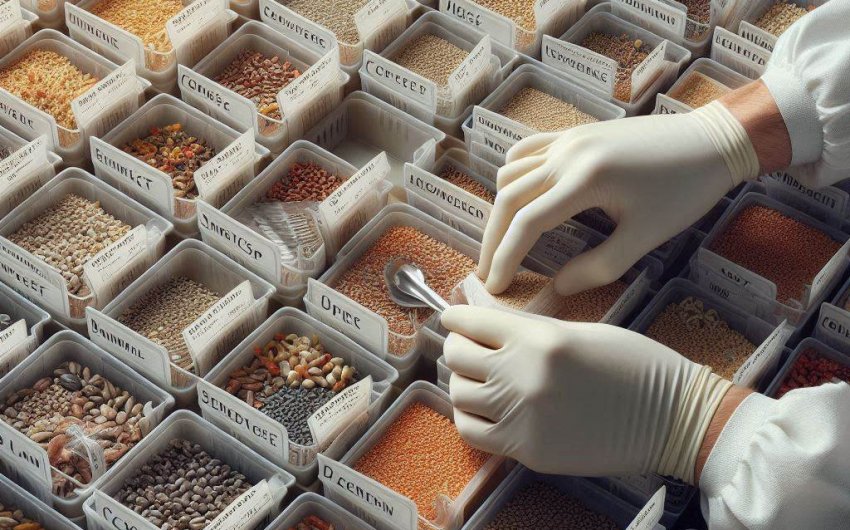
Creating a seed bank is an incredible way to safeguard your favorite plant varieties for future seasons, preserve biodiversity, and even share valuable heirloom seeds with others. Whether you’re a gardening enthusiast or simply looking to build resilience in your home garden, a seed bank allows you to keep your preferred plants going, year after year.
In this guide, we’ll cover everything you need to know to start a personal seed bank, from selecting the best varieties to storing seeds for long-term viability.
Why Start a Seed Bank?
Seed banks are used to store seeds in a way that protects their genetic diversity and ensures a sustainable source of plants. By creating your own, you can:
- Preserve rare or heirloom varieties
- Grow plants that are well-suited to your local climate
- Save money on buying seeds each season
- Create a source of high-quality seeds for sharing or trading with other gardeners
Starting a seed bank is especially beneficial for preserving heirloom varieties. These are traditional plants passed down through generations, prized for their unique flavors, colors, and resilience. Setting aside seeds from plants that thrive in your garden will ensure that future crops continue to adapt to your specific growing conditions.
Selecting the Best Seeds for Your Seed Bank
The first step in creating a seed bank is choosing which seeds to save. Not all seeds are equally suited for long-term storage, so understanding which types to focus on can help you build a strong, viable collection.
1. Heirloom and Open-Pollinated Seeds
Choose heirloom and open-pollinated seeds, as these varieties will produce plants true to type, meaning their offspring will closely resemble the parent plant. Avoid hybrid seeds, which often do not grow true to type and may not perform well after the first generation. Open-pollinated seeds ensure that your plants retain their genetic diversity, an important aspect for both flavor and resilience.
You can find high-quality heirloom seeds from Heirloom Seed Collections ($10 - $30).
2. Consider Climate and Growing Conditions
Select seeds from plants that perform well in your region. Plants that thrive in your local climate are more likely to grow successfully in future seasons. For instance, if you live in a dry climate, consider saving seeds from drought-tolerant varieties. This will help your plants adapt to your unique environment over time.
A Garden Journal ($8 - $15) is helpful for tracking the performance of different varieties each season.
3. Focus on High-Yielding Varieties
Saving seeds from plants that produce abundantly can ensure that your garden remains productive. Look for varieties that consistently yield a good harvest. High-yield plants not only give you more food per square foot but also ensure a reliable source of seeds for future plantings.
Explore high-yield seed varieties in High-Yield Seed Packs ($10 - $25) for options suited to small or large gardens.
Harvesting Seeds for Your Seed Bank
Once you have chosen the best varieties, the next step is to harvest seeds properly. Seed harvesting techniques differ based on the plant, so let’s look at some general guidelines.
1. Harvest at the Right Time
Seeds should be collected when they are mature. For fruits like tomatoes or peppers, this is when the fruit is fully ripened. For flowers or herbs, collect seeds once the flower heads are dry and brown. If you harvest seeds too early, they may not store well or produce viable plants.
To make the process easier, use a Seed Harvesting Kit ($15 - $25), which typically includes small containers, tweezers, and drying materials.
2. Separate Seeds from Plant Material
Once harvested, seeds need to be separated from any surrounding plant material, such as fruit pulp or seed pods. For tomatoes, you’ll need to ferment the seeds by soaking them in water for a few days to remove the gelatinous coating around the seeds. For plants like beans and peas, simply let the pods dry and then remove the seeds.
Consider a Seed Separator ($10 - $20) to help you clean and separate seeds efficiently.
3. Dry Seeds Thoroughly
After harvesting and cleaning, it’s essential to dry seeds thoroughly before storing them. Even a small amount of moisture can cause seeds to mold or rot. Place seeds on a paper towel or screen in a well-ventilated area and let them air dry for at least a week. Make sure they are completely dry before moving them to storage.
For faster drying, use a Seed Drying Rack ($15 - $25), which provides airflow and speeds up the drying process.
Storing Seeds for Longevity
Proper storage is key to preserving seed viability. By creating the right storage conditions, you can keep seeds healthy and ready for planting in future years.
1. Use Airtight Containers
Store seeds in airtight containers to keep out moisture and prevent contamination. Glass jars, vacuum-sealed bags, or plastic containers with tight-fitting lids are excellent options. If you’re using multiple containers, label each one with the seed variety, date of harvest, and any other relevant information.
Look into Airtight Seed Storage Containers ($10 - $20) for secure, moisture-proof storage options.
2. Store in a Cool, Dark, and Dry Place
Heat, light, and moisture can reduce seed viability. A cool, dark, and dry place, like a basement or pantry, is ideal for seed storage. Keeping temperatures stable is also important; fluctuations in temperature can negatively impact seeds.
Consider using a Temperature and Humidity Monitor ($10 - $15) to track conditions in your storage space.
3. Label and Organize Your Seeds
Organizing seeds in a way that makes them easy to find and track is essential. Label each container with the seed variety, harvest date, and any specific planting information. For a larger collection, create a simple cataloging system using a Seed Organizer ($15 - $30) to keep everything sorted.
4. Use Desiccants to Absorb Moisture
For added protection, place desiccant packs in your storage containers to absorb any remaining moisture. These small packets help maintain a dry environment, especially if you live in a humid area. Make sure to replace them every few months.
Find affordable Desiccant Packs ($5 - $10) to keep moisture levels low in your seed bank.
Testing Seed Viability
Over time, some seeds may lose their viability. Testing your seeds before planting helps you determine if they will germinate successfully.
1. Simple Germination Test
A germination test is an easy way to check seed viability. Place a few seeds on a damp paper towel, fold it, and put it in a plastic bag. Keep the bag in a warm place, and check it after a few days. If most seeds sprout, they’re still viable. If not, it may be time to replace them.
Use a Seed Germination Kit ($10 - $20) for a convenient setup to test your seeds.
2. Float Test for Larger Seeds
For larger seeds, like beans or squash, a float test can be helpful. Place the seeds in a bowl of water. Seeds that sink are generally still viable, while those that float may not germinate well. This test is quick but not always foolproof, so it’s best used in combination with other methods.
Check out Large Seed Germination Tools ($5 - $15) for testing larger seeds.
Expanding Your Seed Bank
Once you have a foundational collection of seeds, you can continue expanding your seed bank over time. Here’s how to keep growing your collection:
1. Trade Seeds with Other Gardeners
Trading seeds with other gardeners is a fun way to add diversity to your seed bank. Many gardening communities host seed exchanges, where members trade seeds and share unique or rare varieties. If you’re looking to start your own exchange, a Seed Exchange Kit ($10 - $25) can help you get organized.
2. Join a Seed Library
A seed library is a local organization that lends seeds to gardeners. Members are encouraged to save seeds and return them, which helps maintain the library’s stock. Check your local community garden or library for seed libraries near you. This is also a great way to access native and locally adapted varieties.
3. Save Seeds from New Varieties
As your garden grows, continue saving seeds from successful plants to add to your collection. Experiment with new varieties each season to find which ones work best in your garden. Keep track of any new additions and their performance in a Gardening Notebook ($8 - $15).
4. Organize Annual and Perennial Seeds
Group your seeds into annuals and perennials. Annual plants grow, flower, and die in one season, while perennials return year after year. Knowing which category each plant falls into will help you plan your garden and ensure you have a steady supply of both types.
Use a Seed Storage Binder ($10 - $25) to organize different plant types and their storage needs.
Essential Tools for Your Seed Bank
Building a personal seed bank is easier with the right tools. Here are some helpful items to get started:
- Harvesting Tools – Use small clippers or Seed Scissors ($5 - $10) for collecting seeds from plants.
- Labeling Supplies – Clear labels are important for keeping track of seed varieties. Use Waterproof Labels ($5 - $10) to make sure your notes don’t fade over time.
- Storage Bags – Small, resealable bags are perfect for storing individual seed types. Look for Resealable Seed Bags ($5 - $10) to keep seeds organized.
- Plant Markers – Markers help you identify plants once they’re growing in your garden. Explore Plant Markers ($5 - $15) for a reusable option.
Starting a seed bank is a rewarding way to preserve your favorite plant varieties and keep a sustainable garden for years to come. By selecting the right seeds, storing them properly, and expanding your collection, you can ensure your garden remains diverse, resilient, and bountiful season after season.