
Best Pollinator Plants for Urban Gardens
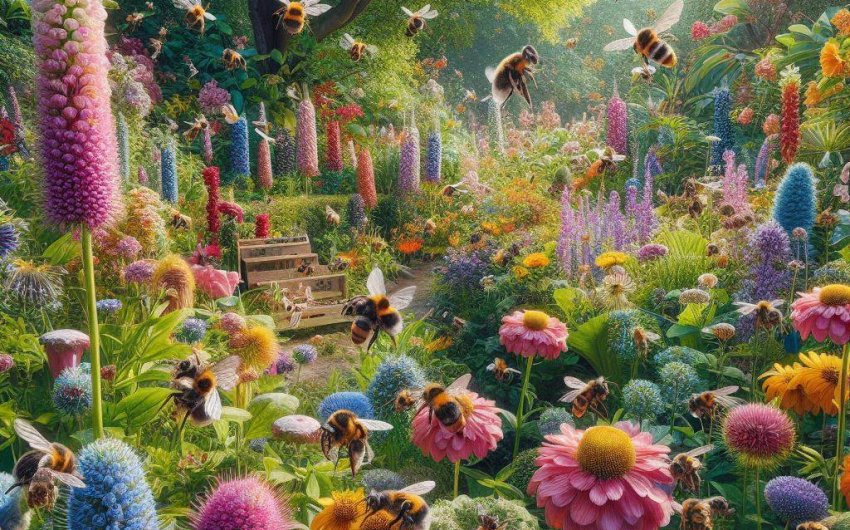
The best pollinator plants for urban gardens are those that offer continuous blooms, diverse flower shapes and colors, and a rich supply of nectar and pollen, while also being adaptable to container living or small spaces. Prioritize native species whenever possible, as they provide the most beneficial resources for local pollinators.
Why Are Pollinator Plants Essential for Urban Gardens?
Pollinator plants are not just a beautiful addition to urban gardens; they are an essential lifeline for vital ecosystems, even in the heart of a bustling city. The health of pollinators (bees, butterflies, hummingbirds, and more) directly impacts our food supply and the natural world, and urban gardens play an increasingly crucial role in supporting them.
Here's why pollinator plants are essential for urban gardens:
- Habitat and Food Source for Declining Pollinators: Globally, pollinator populations are in decline due to habitat loss, pesticide use, and climate change. Cities, with their abundance of concrete and limited natural spaces, can become biological deserts for these creatures. Urban gardens, no matter how small, create crucial "pit stops" – oases of nectar, pollen, and even nesting sites – that help sustain pollinator populations navigating the urban landscape.
- Support Our Food Supply: A staggering one-third of the world's food crops, including many fruits, vegetables, nuts, and even coffee, rely on pollinators. Without them, our plates would be much emptier. By fostering pollinators in your urban garden, you contribute directly to the broader food system.
- Increased Garden Productivity: For gardeners growing edibles in their urban spaces, pollinator plants are a game-changer. Bees and other pollinators visiting your garden will improve the yield and quality of your fruits and vegetables. Many common garden crops like tomatoes, squash, beans, and berries benefit immensely from insect pollination.
- Enhanced Biodiversity: An urban garden with thriving pollinator plants becomes a mini-ecosystem. It attracts not just bees and butterflies, but also beneficial insects (like ladybugs and lacewings that prey on pests) and various bird species. This increases the overall biodiversity of your outdoor space, making it more resilient and balanced.
- Pest Control: By attracting more beneficial insects (some of which are also pollinators), you introduce natural predators for common garden pests, reducing your reliance on chemical interventions.
- Beautification and Serenity: Beyond their ecological function, pollinator plants add immense beauty, color, and fragrance to any urban garden. The sight of buzzing bees and fluttering butterflies brings a sense of calm and connection to nature that is particularly valuable in a city environment.
- Environmental Stewardship: Planting pollinator plants is a tangible act of environmental stewardship. It's a way for individuals in cities to actively participate in conservation efforts, raising awareness and inspiring others to do the same.
- Education and Awareness: An urban garden teeming with pollinators serves as a living classroom, especially for children. It offers a direct opportunity to learn about ecological relationships, the importance of insects, and the interconnectedness of nature.
In essence, dedicating space to pollinator plants in your urban garden isn't just a trend; it's a vital, impactful, and deeply rewarding practice that contributes to both local ecology and global food security.
What Makes a Plant a "Good" Pollinator Plant for Urban Gardens?
Choosing the best pollinator plants for urban gardens isn't just about picking pretty flowers. It's about selecting species that truly serve the needs of pollinators while also thriving in the unique conditions of a city environment. A "good" pollinator plant is a multifaceted resource.
Here's what makes a plant an excellent choice for attracting and supporting pollinators in urban gardens:
1. Nectar and Pollen Production
- Rich Resources: The primary draw for pollinators is food. A good pollinator plant produces abundant, accessible nectar (energy for adults) and pollen (protein for larvae).
- Accessibility: Consider the flower's shape.
- Open, Flat Flowers: Daisy-like flowers, umbels (flat-topped clusters like dill or cilantro), and single petals are easily accessible to a wide range of pollinators, including short-tongued bees, flies, and beetles.
- Tubular Flowers: Attract long-tongued bees (like bumblebees), hummingbirds, and butterflies with specialized mouthparts.
- Avoid "Double" Flowers: Flowers with too many petals (often bred for showiness) may look beautiful but make it difficult or impossible for pollinators to access the nectar and pollen. Choose single-petaled or open varieties.
2. Native to Your Region
- Evolutionary Fit: This is perhaps the most important factor. Native plants have co-evolved with native pollinators in your specific region. They provide the most appropriate and nutrient-dense food sources (both nectar and pollen).
- Lifecycle Support: Native plants often serve as host plants for the larval stages of butterflies and moths (e.g., milkweed for monarch caterpillars).
- Adaptability: Native plants are naturally adapted to your local climate, soil conditions, and rainfall patterns, making them more resilient and lower maintenance in an urban garden. They don't require as much extra water or soil amendments.
3. Long or Successive Bloom Periods
- Continuous Food Source: Pollinators need food from early spring to late fall. A good pollinator garden provides a continuous succession of blooms throughout the growing season.
- Options: Choose plants that bloom for a long duration, or select a variety of plants that bloom at different times, ensuring there's always something in flower.
4. Adaptability to Urban Conditions
- Container Tolerance: Many urban gardens rely on containers, balconies, and small spaces. Choose pollinator plants that can thrive in pots, tolerate confined root spaces, and are suitable for limited ground space.
- Heat and Drought Tolerance: Urban environments can be hotter due to the "urban heat island" effect and may have less consistent watering. Drought-tolerant options are a plus.
- Pollution Tolerance: Some plants cope better with urban air pollution.
- Soil Adaptability: While you'll manage your container soil, plants that aren't overly fussy about soil pH or type can be easier.
5. Low Maintenance
- Reduced Inputs: In an urban garden, you want plants that don't require constant fussing, heavy fertilizing, or excessive water.
- Resilience: Plants that are naturally disease and pest resistant reduce the need for chemical interventions, which are harmful to pollinators.
6. Cluster Plantings (Visual Impact)
- Visibility for Pollinators: Pollinators are more likely to notice and visit larger clusters or drifts of the same type of flower than single, scattered plants. Plant in groups.
7. Avoid Pesticides
- While not a plant characteristic, it's a vital part of making any pollinator plant truly beneficial. Never use systemic pesticides that contaminate nectar and pollen, and avoid broad-spectrum sprays. Opt for organic pest control methods.
By considering these factors, you can make informed choices to select the best pollinator plants for your urban garden, creating a vibrant, ecological hub that actively supports these indispensable creatures.
What Are the Best Flowering Annuals for Urban Gardens to Attract Pollinators?
For urban gardens that often rely on containers, window boxes, and temporary spaces, flowering annuals are incredibly versatile. They provide continuous blooms, vibrant color, and an abundant food source for pollinators from spring until the first hard frost. Many are also compact and easy to grow, making them ideal for city living.
Here are some of the best flowering annuals for urban gardens to attract pollinators:
| Plant Name | Primary Pollinators Attracted | Key Features & Urban Garden Suitability | Amazon Affiliate Link (Example Search) |
|---|---|---|---|
| Cosmos (Cosmos bipinnatus) | Bees (various types), Butterflies | Daisy-like flowers in white, pink, orange, red. Long bloom period. Very easy to grow from seed. Tolerates poor soil. Good for taller containers or background planting. | Cosmos Sensation Mix Seeds |
| Zinnia (Zinnia elegans) | Bees, Butterflies (esp. larger) | Vibrant, long-lasting blooms in many colors and sizes. Excellent cut flower. Attracts butterflies. Choose single-flowered varieties for best pollinator access. Easy from seed. Great for containers and cutting gardens. | Zinnia California Giant Mix Seeds |
| Marigold (Tagetes patula / erecta) | Bees, Syrphid Flies, Lacewings | Cheerful orange, yellow, and red blooms. Repels some pests. Good for pest control and attracting beneficial insects. Compact varieties work well in pots. | Marigold Crackerjack Mix Seeds |
| Sweet Alyssum (Lobularia maritima) | Small Bees, Syrphid Flies | Tiny, fragrant white, pink, or purple flowers that form a carpet. Excellent groundcover, spiller for containers. Attracts beneficial insects. Tolerates partial shade. | Sweet Alyssum White Seeds |
| Lantana (Lantana camara) | Butterflies, Hummingbirds, Bees | Clusters of colorful flowers (often changing color). Very heat and drought tolerant. Great for hot, sunny spots. Can be grown in large containers. | Lantana Bandana Cherry Seeds |
| Nasturtium (Tropaeolum majus) | Bees, Hummingbirds | Edible flowers and leaves (peppery taste). Vining or bushy habits. Bright, cheerful colors. Good for spilling from containers. Attracts aphids away from other plants (trap crop). | Nasturtium Jewel Mix Seeds |
| Sunflower (Helianthus annuus) | Bees (especially large), Birds | Iconic large flowers. Provides abundant pollen and nectar. Large varieties need big pots/space. Dwarf varieties are great for containers. Seeds attract birds later. | Dwarf Sunflower Seeds |
| Phacelia (Phacelia tanacetifolia) | Bees (especially honeybees, native bees) | Beautiful purple-blue, curled flower spikes. Extremely attractive to a wide range of bees. Fast growing. Great as a "green manure" cover crop or in dedicated patches. Can be grown in larger containers or raised beds. | Phacelia tanacetifolia seeds |
| Borage (Borago officinalis) | Bees, especially Bumblebees | Star-shaped blue flowers. Edible leaves and flowers (cucumber taste). Very attractive to bees. Reseeds readily. Good for larger pots or companion planting. | Borage seeds |
| Verbena bonariensis | Butterflies, Bees, Hummingbirds | Tall, airy stems with small purple flower clusters. Creates a "see-through" effect. Very attractive to butterflies. Can self-seed. Good for back of borders or large containers. | Verbena bonariensis seeds |
When growing annuals for pollinators in urban gardens, remember to:
- Plant in Clusters: Pollinators are more attracted to larger groupings of flowers than scattered individual plants.
- Choose Single Flowers: Opt for single-petaled varieties over "double" or "fancy" ones, as the latter often obscure nectar and pollen.
- Avoid Pesticides: Crucially, never use systemic pesticides on pollinator plants, as these chemicals contaminate nectar and pollen, harming the very creatures you're trying to attract.
By incorporating these flowering annuals, your urban garden can become a vibrant, buzzing hub for pollinators throughout the entire growing season.
What Are the Best Perennial Plants for Urban Gardens to Attract Pollinators?
Perennial plants are an excellent choice for urban gardens designed to attract pollinators because they return year after year, establishing deep root systems that make them more resilient and lower maintenance over time. They provide a reliable, long-term food source and habitat, building a stable ecosystem for pollinators in the city.
Here are some of the best perennial plants for urban gardens to attract pollinators:
| Plant Name | Primary Pollinators Attracted | Key Features & Urban Garden Suitability | Amazon Affiliate Link (Example Search) |
|---|---|---|---|
| Lavender (Lavandula spp.) | Bees (especially honeybees, bumblebees), Butterflies | Fragrant purple flowers. Very drought tolerant once established. Requires full sun and well-draining soil. Attracts many types of bees. Can be grown in large containers. | Lavender Plant or Lavender Seeds |
| Coneflower (Echinacea purpurea) | Bees, Butterflies (large), Finches | Iconic daisy-like flowers with raised central cone. Pink, purple, white, yellow varieties. Drought tolerant. Provides nectar and pollen. Seeds attract birds in fall. Sturdy stems. Good for ground planting or large, deep containers. Native to parts of North America. | Echinacea Purpurea Seeds |
| Salvia (Salvia nemorosa / splendens) | Bees, Hummingbirds, Butterflies | Many varieties with spires of blue, purple, pink, or red flowers. Long bloom period, especially with deadheading. Drought tolerant. Attracts hummingbirds (especially red varieties) and various bees. Good for containers or garden beds. | Salvia May Night Plant |
| Bee Balm (Monarda didyma) | Bees (especially long-tongued), Hummingbirds, Butterflies | Unique, shaggy flowers in red, pink, purple. Part of the mint family. Highly attractive to hummingbirds and bees. Needs consistent moisture. Can spread, so good for larger beds or contained. Native to North America. | Monarda Didyma Seeds |
| Sedum (Hylotelephium spectabile 'Autumn Joy') | Bees, Butterflies | Succulent leaves, clusters of starry flowers that emerge green, turn pink, then russet-red in fall. Very drought tolerant and low maintenance. Provides late-season nectar. Good for hot, sunny locations, rock gardens, containers. | Sedum Autumn Joy Plant |
| Catmint (Nepeta x faassenii) | Bees (many types) | Airy clumps of fragrant gray-green foliage with spikes of lavender-blue flowers. Extremely drought tolerant. Long bloom period. Very attractive to bees. Good for edging, containers, or dry sunny spots. Deer resistant. | Nepeta Faassenii Walker's Low Plant |
| Agastache (Hyssop) (Agastache foeniculum) | Bees (various), Hummingbirds, Butterflies | Spikes of purple-blue flowers with anise-scented foliage. Long bloom period. Very attractive to bees and hummingbirds. Drought tolerant. Good for containers or garden beds. Native to North America. | Agastache Foeniculum Seeds |
| Butterfly Bush (Buddleja davidii) | Butterflies (major attractant) | Long, fragrant flower spikes in purple, pink, white. Highly attractive to butterflies. Can grow large, so dwarf varieties are best for urban gardens. Needs full sun. Prune hard in spring. | Dwarf Butterfly Bush Plant |
| Gaillardia (Blanket Flower) (Gaillardia grandiflora) | Bees, Butterflies | Daisy-like flowers in red, orange, and yellow hues. Very tough and drought tolerant. Long bloom period. Good for hot, sunny spots and containers. Native to North America. | Gaillardia Grandiflora Seeds |
| Autumn Sage (Salvia greggii) | Hummingbirds, Bees | Small, shrubby sage with bright flowers (red, pink, purple, white). Very heat and drought tolerant. Long blooming. Attracts hummingbirds. Good for hot, sunny spots and containers. | Salvia Greggii Plant |
Important Considerations for Perennials in Urban Gardens:
- Size: Always check the mature size of the perennial. Choose compact or dwarf varieties if your urban garden space is limited.
- Container Growing: Many perennials can be grown in containers, but they will generally need larger pots than annuals and may require more consistent watering.
- Winter Protection: In colder climates, containerized perennials may need extra winter protection (e.g., insulating pots, moving to a sheltered spot) as their roots are more exposed than in the ground.
- Native vs. Non-Native: Prioritize native perennials for your region whenever possible. They are superior ecological choices for local pollinators. Many of the listed plants have excellent native cultivars or close relatives.
- Pesticide-Free: As always, ensure these plants remain free of systemic pesticides, which are deadly to pollinators.
By integrating these perennial plants, your urban garden will provide a stable, long-lasting, and highly effective food and habitat source for pollinators year after year.
How Do I Create a Pollinator-Friendly Urban Garden Design?
Creating a pollinator-friendly urban garden design goes beyond simply choosing the right plants; it involves thoughtful planning to maximize the garden's appeal and functionality for pollinators within limited city spaces. A well-designed garden provides continuous resources and safe havens, turning your urban patch into a vibrant ecological hotspot.
Here's how to design a garden that welcomes pollinators:
1. Plant for Continuous Bloom
- Year-Round Nectar/Pollen: The most critical aspect. Pollinators need food from early spring to late fall.
- Succession Planting: Choose a variety of pollinator plants that bloom at different times of the year.
- Early Spring: Pussy willow, crocus, hellebore, snowdrops, pansies (if safe from pesticides).
- Late Spring/Early Summer: Allium, chives, borage, lavender, various salvias.
- Mid-Summer: Coneflower, zinnia, cosmos, bee balm, butterfly weed, sunflowers.
- Late Summer/Fall: Sedum 'Autumn Joy', asters, goldenrod, obedient plant, native grasses.
- Layering: Combine plants of different heights to create a multi-layered habitat.
2. Provide a Variety of Flower Shapes and Colors
- Diverse Pollinators, Diverse Needs: Different pollinators have different mouthparts and visual preferences.
- Open, Flat Flowers (Bees, Flies): Daisy-like blooms, umbels (dill, cilantro), single-petaled flowers.
- Tubular/Trumpet Flowers (Hummingbirds, Butterflies with long proboscis): Salvias, agastache, penstemon.
- Disc-shaped (Larger Butterflies): Zinnias, coneflowers, sunflowers.
- Color Preferences:
- Bees: Attracted to blue, purple, white, and yellow.
- Butterflies: Attracted to red, yellow, orange, pink, and purple.
- Hummingbirds: Strongly attracted to red and orange.
3. Plant in Clusters (Drifts)
- Visual Impact: Pollinators are much more likely to spot and visit large clumps or drifts of the same type of flower than scattered individual plants. Plant in groups of at least 3-5 of the same species.
- Efficiency: This also allows pollinators to efficiently gather nectar and pollen without expending too much energy flying between disparate plants.
4. Integrate Native Plants
- Ecological Match: Prioritize native plants that are indigenous to your specific region. They are the best food source for local native pollinators and are adapted to your climate, requiring less water and care.
- Host Plants: Include specific host plants for butterfly larvae (e.g., various milkweed species for Monarchs, dill/fennel for Swallowtails).
5. Provide Water Sources
- Shallow Water: Pollinators need water for drinking. Provide a shallow bird bath or a shallow dish with pebbles or stones in it (so bees have a landing pad and don't drown). Bird bath with stones is perfect.
- Regular Refills: Keep the water clean and refilled regularly.
6. Create Shelter and Nesting Sites
- Woody Plants/Shrubs: Include small shrubs or perennial grasses for shelter from wind and rain.
- Undisturbed Areas: Leave a small patch of bare, undisturbed soil for ground-nesting bees (many native bees nest in the ground).
- Bee Hotels: Install a bee hotel for solitary cavity-nesting bees (like mason bees and leafcutter bees).
- Dead Stems: Leave hollow plant stems (e.g., from sunflowers, Joe Pye Weed) standing over winter for stem-nesting bees.
- Brush Piles: A small, tidy brush pile can offer shelter for various beneficial insects and small wildlife.
7. Avoid Pesticides (Crucial)
- Organic Practices: The most important rule for any pollinator-friendly garden. Avoid all synthetic pesticides, herbicides, and insecticides. These chemicals are highly toxic to pollinators and beneficial insects.
- Integrated Pest Management (IPM): Use organic pest control methods like hand-picking, insecticidal soap (applied very sparingly), or encouraging natural predators.
8. Consider Container Size and Placement
- Large Pots: Use larger containers (at least 12-18 inches in diameter) to allow for more robust root growth, especially for perennials.
- Sunlight: Place containers in locations that receive adequate sunlight for your chosen plants.
- Visibility: Group pots together to create a larger, more attractive target for pollinators.
By thoughtfully incorporating these design principles, your urban garden can transcend its small footprint to become a vibrant, welcoming, and ecologically vital hub for pollinators, supporting local biodiversity and contributing to a healthier environment.
What Are Common Challenges in Urban Gardens for Pollinators and How to Address Them?
Urban gardens present a unique set of challenges for pollinators that differ from those in rural or suburban settings. While the desire to support these vital creatures is strong, city environments often have constraints that need specific solutions. Understanding these challenges is key to effectively designing and maintaining a pollinator-friendly urban garden.
Here are common challenges in urban gardens for pollinators and how to address them:
1. Limited Space
- Challenge: Small balconies, patios, rooftops, and tiny yards offer limited room for extensive plantings.
- Solutions:
- Vertical Gardening: Utilize walls, fences, and railings with vertical planters, living walls, or trellises for climbing pollinator plants.
- Container Gardening: Focus on plants that thrive in pots. Use varying pot sizes and heights to create visual interest and layers.
- Dwarf and Compact Varieties: Choose plant cultivars specifically bred to remain smaller and bushier.
- Succession Planting in Pots: Rotate annuals to ensure continuous blooms throughout the season in the same limited space.
2. Lack of Continuous Food Sources
- Challenge: Scattered, isolated urban gardens may not provide a continuous supply of nectar and pollen from early spring to late fall, creating "food deserts" for pollinators.
- Solutions:
- Succession of Blooms: Design your garden with plants that bloom at different times of the year (early spring, mid-summer, late fall).
- Long-Blooming Plants: Prioritize perennials and annuals known for their extended flowering periods.
- Community Effort: Encourage neighbors, community gardens, and local parks to also plant pollinator-friendly species, creating a network of food sources.
3. Limited Nesting and Shelter Sites
- Challenge: Concrete, asphalt, and manicured landscapes offer few natural nesting sites for ground-nesting bees (the majority of native bees) or stem-nesting bees, and limited shelter from harsh weather.
- Solutions:
- Leave Bare Soil: Designate a small, undisturbed patch of bare soil in a sunny spot for ground-nesting bees. Avoid heavy mulching in this area.
- Install Bee Hotels: Provide bee hotels for solitary cavity-nesting bees.
- Leave Plant Stems: After perennial plants die back in fall, leave hollow stems (e.g., from sunflowers, coneflowers, Joe Pye Weed) standing over winter. Cut them to about 6-12 inches in spring; many bees will nest in these.
- Brush Piles: If space allows, a small, tidy brush pile can offer shelter.
- Evergreen Shrubs/Dense Perennials: Provide dense foliage for year-round shelter from wind, rain, and predators.
4. Pesticide Use
- Challenge: Widespread use of pesticides in public spaces, parks, or by less informed neighbors can harm pollinators, even if you avoid them in your own garden.
- Solutions:
- Educate Neighbors: Gently inform neighbors about the importance of pollinators and pesticide-free gardening.
- Advocate Locally: Support local initiatives for pesticide-free parks or pollinator corridors.
- Source Plants Carefully: If buying plants, inquire if they were grown without systemic neonicotinoid pesticides, which are particularly harmful to bees. Look for organic growers.
- Only Use Organic Pest Control: Within your own urban garden, commit to organic, targeted pest management (hand-picking, insecticidal soap, encouraging beneficial insects) instead of broad-spectrum sprays.
5. Water Scarcity and Contamination
- Challenge: Natural water sources may be limited, and urban runoff can contaminate available water.
- Solutions:
- Provide Clean Water: Offer shallow bird baths or dishes filled with pebbles. Clean and refill them daily.
- Rainwater Harvesting: Collect rainwater in barrels or other containers for irrigation, reducing reliance on potentially treated tap water.
- Native, Drought-Tolerant Plants: Choose native pollinator plants that are naturally adapted to your region's rainfall and require less supplemental water.
6. Urban Heat Island Effect
- Challenge: Cities are generally hotter than surrounding rural areas due to heat absorption by concrete and asphalt.
- Solutions:
- Provide Shade: Incorporate some taller plants or structures that offer dappled shade during the hottest parts of the day.
- Mulch: Apply organic mulch to containers and garden beds to help regulate soil temperature and retain moisture.
- Water Appropriately: Ensure plants are well-hydrated without being waterlogged.
By proactively addressing these common challenges, you can transform your urban garden into a resilient and thriving sanctuary for pollinators, making a real difference in the urban ecosystem.