
How to Create a Container Garden on a Balcony?
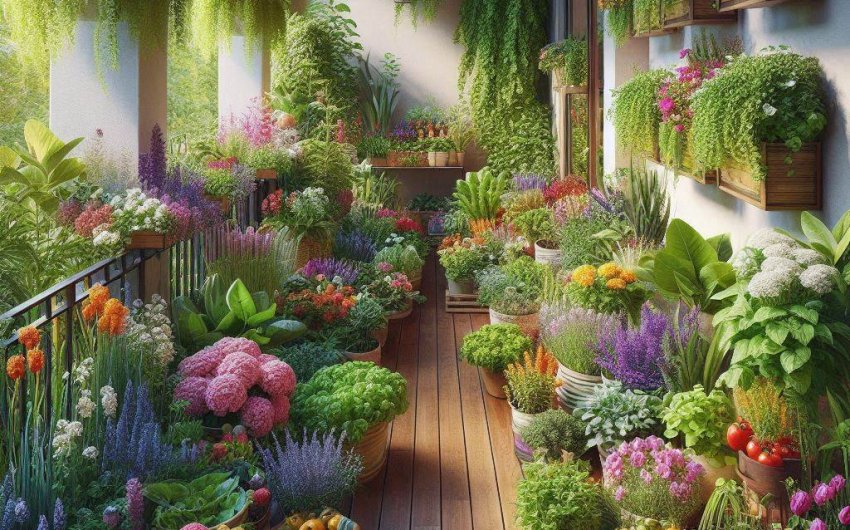
Transforming a small outdoor space into a thriving green oasis is entirely possible, even if you only have a balcony. Learning how to create a container garden on a balcony opens up a world of possibilities for growing fresh herbs, vibrant flowers, and even delicious vegetables right outside your door. With thoughtful planning and the right techniques, your balcony can become a productive and beautiful extension of your living space, proving that you don't need a sprawling backyard to enjoy the joys of gardening. This guide will walk you through every step, from assessing your space to harvesting your bounty.
Why is a Balcony Container Garden a Great Idea?
Even with limited space, a balcony can be transformed into a productive and serene garden. Container gardening is perfectly suited for this purpose, offering flexibility and control that traditional in-ground gardening might not.
What are the Key Benefits of Balcony Container Gardening?
- Space Efficiency: Maximizes growing potential in small or unconventional areas, turning an unused balcony into a vibrant green space.
- Portability: Containers allow you to move plants to optimize sunlight, protect from harsh weather, or rearrange your layout.
- Pest Control: It's often easier to spot and manage pests in containers than in large garden beds.
- Soil Control: You have complete control over the soil mix, ensuring ideal drainage and nutrient levels for each plant. This is especially beneficial if your native soil is poor.
- Accessibility: Plants in containers or raised off the ground are easier to reach for watering, pruning, and harvesting, reducing bending and kneeling.
- Aesthetics: Containers themselves can be decorative, adding to the visual appeal of your balcony. You can create attractive arrangements with different pot shapes, sizes, and colors.
- Reduced Weeding: Weeds are generally much less of a problem in containers compared to in-ground gardens.
- Less Physical Labor: No digging, tilling, or heavy ground preparation required.
How Do You Plan Your Balcony Container Garden?
Careful planning is the first and most crucial step when learning how to create a container garden on a balcony. This involves understanding your space, local climate, and personal gardening goals.
What Factors Should You Consider When Assessing Your Balcony?
- Sunlight Exposure: This is the most critical factor.
- Observation: Spend a full day (or several days) observing how much direct sunlight your balcony receives. Track the hours.
- Types of Light:
- Full Sun (6+ hours direct sun): Ideal for most vegetables (tomatoes, peppers, cucumbers), herbs, and many flowering annuals.
- Partial Sun (3-6 hours direct sun): Good for leafy greens (lettuce, spinach), root vegetables (carrots, radishes), some herbs, and many flowers (impatiens, coleus).
- Shade (less than 3 hours direct sun): Limited options, but hostas, ferns, and some specific herbs can tolerate it.
- Building Orientation: North-facing balconies get little to no direct sun. South-facing get the most. East-facing get morning sun. West-facing get intense afternoon sun.
- Weight Load Capacity: This is extremely important for safety.
- Consult Your Building Management: Always check with your building's strata or landlord about the weight limits for balconies. Soil, water, and containers can become very heavy.
- Distribution: Spread weight evenly. Avoid concentrating all heavy pots in one small area.
- Lightweight Materials: Opt for lightweight potting mixes and containers made from plastic, fabric, or fiberglass instead of heavy ceramic or terra cotta.
- Wind Exposure: Balconies, especially on higher floors, can be very windy.
- Protection: Position taller plants or shelving against a railing or wall. Consider using sturdy, heavy containers that won't easily tip.
- Windbreaks: Some subtle lattice or screening can provide a gentle windbreak without blocking too much light.
- Water Access and Drainage:
- Convenience: Ensure easy access to a water source. Dragging heavy watering cans can become a chore.
- Drainage: All containers must have drainage holes. Plan for where excess water will go. Use saucers to catch overflow, but ensure plants don't sit in standing water. Be mindful of neighbors below.
- Local Regulations/Rules: Some apartment buildings have rules about what can be placed on balconies (e.g., hanging planters over railings). Check these before planning.
How Do You Design Your Balcony Layout for Efficiency?
- Verticality is Key: Maximize your limited footprint by growing upwards.
- Shelving Units: Tiered shelving can hold multiple pots. A tiered plant stand adds space.
- Hanging Baskets: Utilize overhead space from ceilings or railing hooks.
- Wall Planters: Mount planters directly onto walls or railings. A vertical garden wall planter can save a lot of space.
- Trellises: For climbing plants like peas, beans, cucumbers, or small tomatoes.
- Consider Traffic Flow: Leave enough clear space for comfortable movement, sitting, and accessing all your plants.
- Aesthetics: Think about the overall look. Mix heights, textures, and colors of plants and containers.
What are the Best Containers and Potting Mixes?
The right containers and, critically, the correct potting mix are fundamental to the success of your balcony container garden. They directly impact plant health, drainage, and weight.
How to Choose the Right Containers?
All containers must have drainage holes to prevent root rot.
- Material:
- Plastic: Lightweight, inexpensive, retains moisture well (less frequent watering). Can look less attractive over time or crack in extreme cold/UV.
- Fabric (Grow Bags): Excellent drainage and aeration ("air pruning" roots). Very lightweight. Good for root vegetables. You can find fabric grow bags in various sizes.
- Glazed Ceramic/Terra Cotta: Heavy (factor in weight limits), but attractive. Glazed pots retain moisture better than unglazed terra cotta. Unglazed terra cotta breathes well but dries out quickly.
- Fiberglass/Resin: Lightweight, durable, often mimic the look of heavier materials.
- Metal: Can heat up quickly in direct sun, potentially cooking roots. Best for shade or with insulating liners.
- Size:
- Bigger is Generally Better: Larger pots hold more soil, dry out slower, and provide more room for roots, leading to healthier plants.
- Match Plant Size:
- Herbs/Lettuce/Radishes: Can do well in 6-8 inch pots.
- Bush Beans/Peppers/Eggplant: Need at least 10-12 inch pots.
- Tomatoes/Cucumbers/Squash: Need large pots (15-20 inch diameter or 5-10 gallon grow bags) to thrive.
- Color: Light-colored pots absorb less heat, keeping roots cooler in direct sun. Dark pots absorb more heat.
- Self-Watering Pots: These have a built-in reservoir that wicks water up to the soil, reducing watering frequency. Great for busy gardeners or thirsty plants. A self-watering planter can be a time-saver.
What is the Best Potting Mix for Containers?
Do NOT use garden soil or topsoil in containers. It compacts, drains poorly, and can introduce pests and diseases.
- Choose a High-Quality Potting Mix: Look for a mix specifically labeled for containers or all-purpose potting. A good quality potting mix typically contains:
- Peat Moss or Coco Coir: For moisture retention.
- Perlite or Vermiculite: For aeration and drainage. You can buy perlite for potting mix to add to your soil.
- Compost or Worm Castings: For slow-release nutrients.
- Lightweight Mixes: Consider "lightweight" or "container mix" formulations, as they often contain more perlite or coco coir, reducing the overall weight for balcony safety.
- DIY Mix (Optional): You can mix your own for specific needs:
- 1 part compost
- 1 part peat moss or coco coir
- 1 part perlite or vermiculite
- No Drainage Layers (like gravel): Do not add gravel or broken pot pieces to the bottom of containers. This creates a "perched water table" that actually impedes drainage and can lead to root rot. Use only potting mix.
Which Plants are Best Suited for Balcony Container Gardens?
Selecting the right plants is crucial for a successful balcony container garden, especially given potential limitations in space, sunlight, and weight. Focus on compact, productive, and adaptable varieties.
Top Choices for Edible Balcony Gardens:
- Herbs: Most herbs thrive in containers.
- Sun-Loving: Basil, Rosemary, Thyme, Oregano, Sage, Lavender.
- Partial Sun: Mint, Chives, Parsley, Cilantro (bolts in hot weather).
- Leafy Greens: Fast-growing and perfect for cut-and-come-again harvesting.
- Lettuce (loose-leaf varieties), Spinach, Arugula, Swiss Chard, Kale.
- Fruiting Vegetables (require full sun):
- Tomatoes: Look for "determinate" (bushy, compact) or "patio" varieties. Cherry tomatoes are excellent.
- Peppers: Bell peppers and hot peppers do well in containers.
- Bush Beans: Produce well in medium-sized pots without needing a trellis (unlike pole beans).
- Cucumbers: "Bush" varieties are compact. Trellis them vertically to save space.
- Eggplant: Compact varieties perform well.
- Strawberries: Ever-bearing varieties are great for hanging baskets or tiered planters.
- Radishes/Carrots: Choose small, round, or "mini" varieties that don't need deep soil.
- Dwarf Fruit Trees/Shrubs: Look for columnar apple trees, dwarf citrus, or compact blueberry bushes. Ensure pots are large enough.
Best Flowers for Balcony Container Gardens:
- Sun-Loving Flowers:
- Petunias, Geraniums, Marigolds, Zinnias, Cosmos: Offer continuous blooms and are relatively low-maintenance.
- Portulaca (Moss Rose): Drought-tolerant, vibrant flowers for hot, sunny spots.
- Verbena, Lantana: Attract pollinators, tolerate heat.
- Partial Sun Flowers:
- Impatiens: Classic for shady spots, but susceptible to downy mildew.
- New Guinea Impatiens: More disease-resistant than traditional impatiens.
- Fuchsias: Beautiful hanging basket plants.
- Coleus: Grown for its colorful foliage, thrives in partial shade.
- Fragrant Flowers:
- Lavender, Heliotrope, Sweet Alyssum: Add lovely scents to your balcony.
Considerations for Plant Selection:
- Climate: Choose plants suited to your local climate and hardiness zone.
- Water Needs: Group plants with similar watering requirements together to simplify care.
- Mature Size: Research the mature size of plants to ensure they won't outgrow their containers or overwhelm your space.
- Growth Habit: Consider upright, trailing, or vining plants to create visual interest and maximize space (e.g., vining plants on a trellis).
How Do You Water and Fertilize Your Balcony Container Garden?
Watering and fertilizing are critical aspects of container gardening on a balcony, as potted plants have different needs than those in the ground. They dry out faster and require regular nutrient replenishment.
What are Effective Watering Strategies for Containers?
- Check Soil Moisture Daily: Containers dry out much faster than garden beds, especially in hot, sunny, or windy conditions. Stick your finger 1-2 inches into the soil. If it feels dry, it's time to water. A plant moisture meter can also be useful.
- Water Thoroughly: Water until you see water draining from the bottom of the pot. This ensures the entire root ball gets hydrated and helps flush out excess salts.
- Morning is Best: Water in the morning to allow the plant to absorb moisture before the heat of the day and for any wet foliage to dry, reducing disease risk.
- Avoid Overwatering: While thorough watering is important, don't let pots sit in standing water in saucers for extended periods, as this can lead to root rot. Empty saucers after 30 minutes.
- Adjust for Weather: Water more frequently during hot, sunny, or windy weather. Reduce frequency during cooler, cloudy, or rainy periods.
- Self-Watering Planters: As mentioned, these can significantly reduce watering frequency.
- Consider a Watering Can with a Long Spout: Easier for reaching plants on shelves or in hanging baskets. A long spout watering can is convenient.
How Do You Fertilize Container Plants?
Container plants deplete nutrients from their limited soil volume much faster than in-ground plants. Regular feeding is essential.
- Initial Fertilization: Many potting mixes come with a small amount of starter fertilizer. However, plan to fertilize after 3-4 weeks.
- Liquid Fertilizers: Easy to apply and quickly available to plants. Use a balanced liquid plant food for containers (e.g., 10-10-10 or 20-20-20).
- Frequency: Fertilize every 2-4 weeks during the active growing season (spring and summer).
- Dilution: Always follow product instructions for dilution. For sensitive plants or if you're unsure, dilute to half strength.
- Water First: Always water your plants thoroughly before applying liquid fertilizer to prevent root burn.
- Slow-Release Granular Fertilizers: These are mixed into the soil at planting time and release nutrients gradually over several months. This reduces the need for frequent liquid feeding. A slow-release granular fertilizer for potted plants can be convenient.
- Organic Options: Compost tea, worm castings, or organic liquid feeds are excellent for nurturing soil health and providing nutrients.
- Seasonal Adjustment: Reduce or stop fertilizing in late fall and winter when plants are dormant or growing slowly.
How Do You Manage Pests and Diseases in a Balcony Garden?
While container gardens can sometimes make pest and disease management easier, vigilance is still key. Proactive measures and organic solutions are often the best approach for a healthy balcony container garden.
What are Key Prevention Strategies?
- Start with Healthy Plants: Inspect any new plants thoroughly for pests or diseases before bringing them onto your balcony. Isolate new plants for a week or two.
- Use Sterile Potting Mix: Avoid using garden soil, which can harbor pests, diseases, and weed seeds.
- Good Air Circulation: Space plants appropriately to allow for airflow, which reduces humidity around foliage and helps prevent fungal diseases. Prune dense growth if needed.
- Proper Watering: Avoid wetting foliage, especially in the evening. Water at the base of the plant.
- Cleanliness: Remove fallen leaves, spent flowers, and any diseased plant material promptly. Keep your containers and balcony clean.
- Beneficial Insects: Encourage beneficial insects like ladybugs and lacewings by planting flowers they love (e.g., sweet alyssum, dill).
How to Deal with Common Pests Organically:
- Aphids: Small, soft-bodied insects that cluster on new growth.
- Solution: Blast them off with a strong spray of water. Use insecticidal soap spray or a neem oil solution.
- Spider Mites: Tiny arachnids causing stippling (tiny yellow dots) on leaves and fine webbing. Thrive in hot, dry conditions.
- Solution: Increase humidity. Rinse foliage thoroughly. Treat with neem oil or insecticidal soap.
- Mealybugs: White, cottony pests that cling to stems and leaf axils.
- Solution: Dab directly with a cotton swab dipped in rubbing alcohol. For larger infestations, use insecticidal soap or neem oil.
- Whiteflies: Small, white, moth-like insects that fly up when disturbed.
- Solution: Use yellow sticky traps. Spray with insecticidal soap or neem oil.
Managing Diseases:
- Fungal Leaf Spots/Powdery Mildew: Often caused by high humidity and poor air circulation.
- Solution: Improve airflow. Water at the base. Remove affected leaves. A copper-based fungicide spray can be used for severe cases.
- Root Rot: Almost always caused by overwatering and poor drainage.
- Solution: As discussed, ensure drainage holes, use well-draining soil, and adjust watering frequency.
What are Creative Solutions for Small Balcony Spaces?
Even the tiniest balcony can become a gardening haven with smart, space-saving innovations. When learning how to create a container garden on a balcony, think outside the traditional pot.
How to Maximize Vertical and Underexploited Space:
- Hanging Planters and Railing Planters:
- Utilize railings and overhead space. Choose sturdy railing planters that fit securely. A balcony railing planter can add a lot of growing space without taking up floor area.
- Hang baskets from ceiling hooks or a sturdy plant hanger. Ensure your balcony structure can support the weight.
- Tiered Planters/Shelving Units:
- These multi-level structures allow you to grow several plants in the footprint of one.
- A multi-tiered plant stand can hold a variety of herbs or flowers.
- Ensure shelves are well-ventilated and light can reach lower tiers.
- Wall-Mounted Vertical Gardens:
- Systems with pockets or individual pots that attach to a wall or fence.
- Excellent for herbs, lettuce, strawberries, or small annuals. A wall-mounted vertical garden system can be a focal point.
- Trellises and Obelisks:
- Train vining plants (cucumbers, beans, small tomatoes, morning glories) upwards on a trellis placed in a large pot. This maximizes vertical growth without taking up horizontal space. A plant trellis for pots is very helpful.
- Foldable/Nesting Planters:
- Some planters are designed to fold up or nest together for compact storage during the off-season.
- Grow Bags:
- Fabric grow bags are lightweight, flexible, and often come with handles, making them easy to move and store when empty. They also air-prune roots for healthier plants.
- Window Boxes:
- If your balcony has a railing, window boxes can be hung on the outside, adding greenery without encroaching on interior balcony space (check building rules first!).
Smart Space-Saving Planting Techniques:
- Succession Planting: As soon as one crop is finished (e.g., lettuce in spring), plant something new in the same container (e.g., bush beans for summer). This ensures continuous production.
- Companion Planting: Strategically plant compatible species together in the same large container to deter pests, attract beneficial insects, or improve growth.
- Intercropping: Plant fast-growing, small plants (like radishes or microgreens) between slower-growing, larger ones. Harvest the quick crops before the larger ones need the space.
- Dwarf/Compact Varieties: Always choose plant varieties specifically bred for small spaces or containers. Look for terms like "patio," "bush," or "dwarf."
By embracing these creative and efficient solutions, you can turn even the smallest balcony into a flourishing and productive container garden, proving that green thumbs aren't limited by square footage.