
Tips for Transplanting Seedlings to Outdoor Gardens
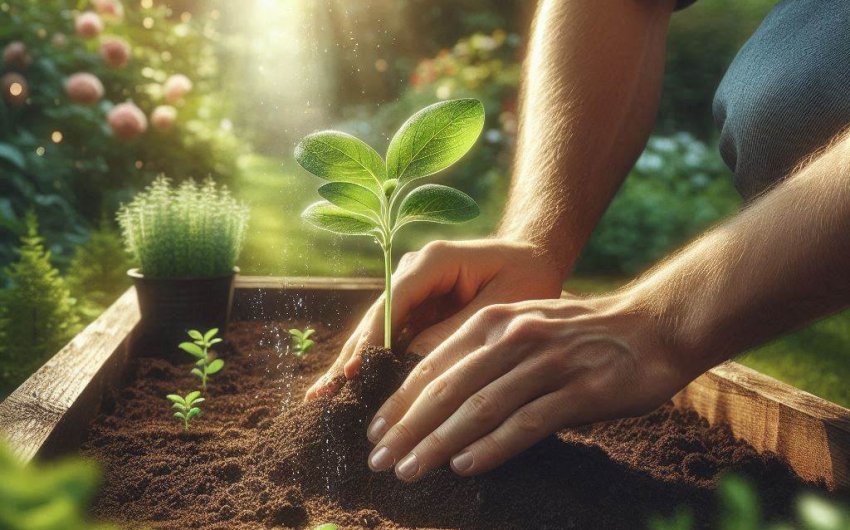
Transplanting seedlings to outdoor gardens successfully hinges on proper hardening off, choosing the right time for planting, and meticulous handling to minimize transplant shock. Prepare both the seedlings and the garden bed thoroughly before moving your young plants outside.
Why is Transplanting Seedlings a Crucial Step?
Transplanting seedlings to outdoor gardens is a critical transition that can make or break your garden's success. It's the bridge between the sheltered, controlled environment where seeds germinate and the often harsh, unpredictable conditions of the great outdoors. This step, while seemingly simple, carries significant importance for several reasons.
Here's why transplanting seedlings is a crucial step:
- Extending the Growing Season: For many plants, especially those with long growing seasons (like tomatoes, peppers, and eggplants), starting seeds indoors allows gardeners in cooler climates to get a head start. By the time outdoor conditions are suitable, the plants are already well-developed, giving them a longer period to mature and produce fruit before the first frost. This effectively lengthens your harvest window.
- Optimal Germination Conditions: Many seeds require specific temperature and moisture conditions for successful germination that are difficult to achieve consistently outdoors, especially early in the season. Starting indoors provides a controlled environment, maximizing germination rates and ensuring a strong start.
- Protection from Early Pests and Diseases: Young, tender seedlings are highly vulnerable to pests (like slugs, cutworms) and damping-off disease outdoors. Starting them indoors offers protection during their most delicate stage, allowing them to grow larger and develop some resilience before facing these challenges.
- Stronger Root Systems: When grown in proper seed-starting mixes and cell packs, seedlings often develop denser, more robust root systems. This strong foundation is vital for successful establishment in the outdoor garden, enabling the plant to absorb water and nutrients more efficiently.
- Selecting the Best Plants: Starting many seeds indoors allows you to select only the healthiest, most vigorous seedlings for transplanting, effectively culling weaker plants and ensuring your garden is filled with strong performers.
- Resource Efficiency: While not always obvious, starting seeds indoors can be more resource-efficient for certain crops. It allows for more precise watering and temperature control, reducing waste compared to direct sowing in adverse outdoor conditions.
- Gardener's Joy and Observation: For many, the process of nurturing tiny seeds into thriving seedlings is one of the most rewarding aspects of gardening. It allows for close observation of plant development and provides a sense of accomplishment before the main garden season even begins.
- Specific Plant Needs: Some plants simply don't do well with direct sowing. For instance, tiny seeds can get lost, or certain species prefer to have their initial root ball undisturbed before moving to a larger space. Transplanting accommodates these specific needs.
The ultimate goal of transplanting seedlings is to give your young plants the very best chance of survival and vigorous growth in their new outdoor garden home. Skipping crucial steps, like hardening off, can quickly turn this bridge into a barrier, leading to stunted growth or plant loss.
What is "Hardening Off" and Why is It So Important?
"Hardening off" is the process of gradually acclimating your indoor-grown seedlings to outdoor conditions before transplanting them permanently into the garden. It's a crucial, non-negotiable step that significantly reduces transplant shock and increases the survival rate and vigor of your young plants.
Here's a breakdown of what hardening off entails and why it's so vital:
What is Hardening Off?
Indoor conditions are a pampered paradise for seedlings: consistent temperatures, gentle air movement (if any), and filtered light. Outdoor conditions are much harsher:
- Stronger Sunlight: UV radiation is intense.
- Wind: Constant, drying, and physically stressful.
- Rain: Can flatten delicate seedlings.
- Temperature Swings: Warm days, cool nights, sudden drops.
- Pests and Pathogens: Unfiltered exposure to insects and diseases.
Hardening off slowly introduces seedlings to these stressors over a period of 7-14 days, allowing them to adapt physiologically. Their cells thicken, their cuticle (waxy leaf coating) becomes tougher, and their overall resilience increases.
Why is Hardening Off So Important?
- Prevents Transplant Shock: Without hardening off, moving seedlings directly from indoors to outdoors is like sending them from a spa to a battlefield. They experience severe shock, manifesting as:
- Wilting: Leaves droop and refuse to perk up.
- Leaf Scorch/Sunburn: Leaves turn white, yellow, or brown from sun exposure.
- Stunted Growth: Plants stop growing or grow very slowly.
- Death: In severe cases, particularly for sensitive plants. Hardening off minimizes this stress, allowing the plants to transition smoothly.
- Increases Survival Rate: Acclimated seedlings are much better equipped to handle the stresses of their new environment, significantly increasing their chances of survival and establishment.
- Promotes Vigorous Growth: While they may slow down growth slightly during the hardening off period (as they adapt), these tougher seedlings will ultimately grow more vigorously and become more productive once planted in the garden, outperforming those that skipped the process.
- Develops Stronger Stems: Exposure to gentle wind helps to strengthen plant stems, making them less prone to breakage after transplanting.
- Improves Water Management: Seedlings learn to better regulate water loss in the more variable outdoor humidity, preventing wilting.
How to Hardening Off Seedlings (Step-by-Step)
The hardening off process typically takes 7-14 days. Adjust duration based on plant type and weather.
- Day 1-2: Start in a Sheltered Spot: Choose a shaded, sheltered outdoor location (e.g., under a patio table, near a wall, or under a porch roof). Place seedlings there for a few hours (e.g., 2-3 hours) during the warmest part of the day. Bring them back indoors overnight.
- Day 3-4: Increase Light and Time: Move them to a spot with slightly more light (e.g., dappled shade or indirect morning sun). Increase their outdoor time to 4-6 hours. Continue bringing them indoors at night.
- Day 5-6: More Light and Longer Exposure: Gradually expose them to more direct sunlight each day. Start with morning sun, then gradually introduce afternoon sun. Increase outdoor time to 8-10 hours.
- Day 7-10 (or 14): Overnight Stay (If Warm Enough): If nighttime temperatures are consistently above your plant's minimum tolerance, you can leave them out overnight. Check the forecast carefully. If temperatures are predicted to drop below safe levels, bring them in.
- Monitor Consistently: Throughout the process, check your seedlings daily for signs of stress (wilting, leaf burn). If they show signs of severe stress, bring them back in or move them to a more sheltered spot for a day or two before resuming the process.
- Water Carefully: Continue to water your seedlings as needed. They may dry out faster outdoors.
By diligently following the hardening off process, you prepare your seedlings to successfully transition to their permanent outdoor garden home, setting them up for a season of strong growth and abundant harvests.
What is the Best Time to Transplant Seedlings Outdoors?
Choosing the best time to transplant seedlings outdoors is critical for their survival and subsequent growth. It's not just about a specific calendar date but about aligning the outdoor conditions with the needs of your young plants, ensuring they don't experience undue stress.
Here are the key factors to consider for optimal transplanting timing:
1. After the Last Frost Date
- Absolute Rule: This is the most important factor. Never transplant frost-sensitive seedlings (like tomatoes, peppers, basil, cucumbers) until all danger of frost has passed in your area. Check your local average last frost date, but be prepared to wait longer if the forecast calls for unseasonably cold temperatures.
- Cool-Season vs. Warm-Season Crops:
- Cool-Season Crops: (e.g., broccoli, cabbage, lettuce, spinach, peas, kale) can tolerate cooler temperatures and light frosts. They can often be transplanted a few weeks before the last frost date, as soon as the soil can be worked.
- Warm-Season Crops: (e.g., tomatoes, peppers, eggplants, squash, beans, corn) are highly sensitive to cold. Wait until after the last frost date and when soil temperatures have consistently warmed up.
2. Soil Temperature is Crucial
- Beyond Air Temp: While air temperature is important for frost, soil temperature is vital for root establishment. Cold soil can stunt root growth, make plants susceptible to disease, and even kill them, even if the air is warm.
- Ideal Ranges:
- Cool-Season Crops: Soil temperature around 45-55°F (7-13°C) is generally acceptable.
- Warm-Season Crops: Soil temperature should ideally be at least 60°F (15°C), and preferably 65-70°F (18-21°C) for heat-loving plants like tomatoes, peppers, and most cucurbits.
- How to Measure: Use a soil thermometer inserted 4-6 inches deep to get an accurate reading. Take readings for several consecutive days.
3. Choose a Cloudy Day or Late Afternoon
- Minimize Sun Stress: The ideal time of day to transplant seedlings is on a cloudy day or during the late afternoon/early evening.
- Why: This gives the plants several hours of cooler temperatures and lower light intensity to begin recovering from transplant shock before facing the full sun and heat of midday.
- Avoid Midday Sun: Never transplant during the hottest, sunniest part of the day, as this can cause immediate and severe wilting or scorching.
4. Watch the Weather Forecast
- Stable Conditions: Look for a period of several days with stable, mild weather conditions following your planned transplanting date. Avoid periods of strong winds, heavy rain, or sudden temperature drops.
- "Planting Window": This creates a favorable "planting window" where your seedlings can settle in without additional environmental stress.
5. Consider the Seedling's Size and Health
- Optimal Size: Seedlings are generally ready for transplanting when they have developed 2-3 sets of "true leaves" (the leaves that appear after the initial cotyledons) and are sturdy, not leggy.
- Root System: Ideally, their root system should be developed enough to hold the soil plug together when removed from its cell pack, but not so rootbound that roots are circling excessively.
- Hardening Off Completed: Ensure your seedlings have completed their hardening off process over 7-14 days.
By carefully considering the last frost date, soil temperature, weather forecast, and the readiness of your seedlings, you can pinpoint the best time to transplant them into your outdoor garden, setting them up for robust growth and a successful harvest.
Step-by-Step Guide: How to Transplant Seedlings to Outdoor Gardens
Once your seedlings are properly hardened off and the outdoor conditions are just right, it's time for the exciting step of transplanting them to your outdoor garden. Careful handling and preparation are key to minimizing transplant shock and ensuring successful establishment.
Here's a step-by-step guide to transplanting seedlings:
Step 1: Prepare the Garden Bed
Do this at least a few days, or ideally a week, before your planned transplanting date.
- Clear Weeds: Remove all weeds from the planting area. Weeds will compete with your young seedlings for water, nutrients, and light.
- Amend Soil (If Needed): If your garden soil needs improvement (e.g., adding compost for fertility and drainage), do this before planting. Lightly work in organic compost or other amendments.
- Rake Smooth: Lightly rake the bed to create a smooth, level surface, removing any large clods of soil or rocks.
- Mark Spacing: Use a ruler or measuring tape to mark the correct spacing for each plant, referring to the mature size guidelines for your specific vegetable or flower variety.
Step 2: Prepare the Seedlings (Day of Transplanting)
- Water Thoroughly: Water your seedlings in their cell packs about 1-2 hours before you plan to transplant them. Moist soil makes it easier to remove them without damaging the roots, and ensures the plant is hydrated for the move.
- Gather Tools: Have all your tools ready: trowel or small spade, watering can, gardening gloves, and plant labels.
Step 3: Dig the Planting Holes
- Size Matters: Dig holes that are slightly wider and about as deep as the root ball of your seedling.
- Spacing: Ensure you adhere to the proper spacing for your plants to allow for air circulation and future growth.
- Add Amendments (Optional): If you want to add a small amount of bone meal (for phosphorus for root development) or a specific slow-release organic fertilizer, mix it into the bottom of the planting hole at this stage.
Step 4: Remove Seedlings from Their Containers
This is the most delicate part of transplanting seedlings.
- Be Gentle: Handle seedlings by their leaves or the root ball, never by the stem. The stem is easily bruised or broken.
- Invert and Tap: Gently invert the cell pack while supporting the base of the seedling with your fingers. Tap the bottom of the cell to loosen the root ball.
- Push from Bottom: For cell packs, often there's a drainage hole at the bottom. You can gently push up through this hole with a finger or a pencil to help eject the root ball.
- Care for Rootbound Plants: If the seedling is rootbound (roots circling tightly), gently tease them apart at the bottom and sides to encourage them to spread into the new soil.
- Peat Pots/Biodegradable Pots: If using peat pots or other biodegradable pots, plant the entire pot. Ensure the top rim of the peat pot is below the soil surface to prevent it from wicking moisture away from the roots. Score the sides of the peat pot before planting to allow roots to penetrate more easily.
Step 5: Place Seedling in the Hole
- Correct Depth: Place the seedling in the hole so that the top of its root ball is level with the surrounding garden soil.
- Exception (Tomatoes): Tomatoes can be planted deeper, with some of the lower stem buried, as they will form roots along the buried stem.
- Firm Gently: Gently backfill the hole with soil, lightly firming it around the root ball to remove large air pockets. Avoid compacting the soil too tightly.
Step 6: Water Immediately
- Settling In: As soon as each seedling is planted, water it in thoroughly at the base. This helps settle the soil around the roots, eliminates any remaining air pockets, and provides immediate hydration.
- Watering Can: Use a watering can with a gentle rose attachment to avoid dislodging the young plant.
Step 7: Provide Post-Transplant Care
- Shade (Optional but Recommended): For the first few days, especially if it's sunny, provide temporary shade for your newly transplanted seedlings. You can use shade cloth, upside-down nursery pots, or row covers. This gives them time to adjust without direct sun stress.
- Consistent Watering: Keep the soil consistently moist (but not soggy) for the first 1-2 weeks after transplanting. This is crucial for root establishment. Gradually reduce watering frequency as they establish, encouraging roots to seek deeper water.
- Protection from Pests: Young seedlings are vulnerable. Consider applying slug bait or using cutworm collars if these pests are an issue in your garden.
- Support (If Needed): For vining or tall plants, add stakes or cages at the time of transplanting to avoid disturbing roots later.
By carefully following these steps, you give your seedlings the best possible start in their outdoor garden home, leading to robust growth and a bountiful harvest.
What Are Common Transplanting Mistakes to Avoid?
Even with the best intentions, it's easy to make mistakes when transplanting seedlings to outdoor gardens. These errors can lead to transplant shock, stunted growth, or even the loss of your precious young plants. Knowing the common pitfalls is key to a smooth transition and successful gardening.
Here are the most common transplanting mistakes to avoid:
1. Skipping or Rushing Hardening Off
- The Mistake: Moving seedlings directly from a sheltered indoor environment to the harsh outdoor conditions without gradual acclimation.
- Consequence: Severe transplant shock, leading to wilting, sunburn, stunted growth, or death. The plant simply can't cope with the sudden change in light, wind, and temperature.
- Solution: Always dedicate 7-14 days to the hardening off process, gradually exposing seedlings to outdoor elements.
2. Transplanting Too Early (Before Last Frost/Warm Soil)
- The Mistake: Putting frost-sensitive seedlings out before the danger of frost has truly passed, or when the soil is still too cold.
- Consequence: Frost damage, cold stress, stunted root growth, and susceptibility to soil-borne diseases. Even if the air warms up, cold soil can be lethal.
- Solution: Check your average last frost date, monitor the long-range forecast, and use a soil thermometer to ensure soil temperatures meet the specific needs of your plants (e.g., at least 60°F for warm-season crops).
3. Damaging Roots During Removal
- The Mistake: Pulling seedlings by their stems, tearing root balls, or leaving significant portions of the root behind in the cell pack.
- Consequence: Severely damages the root system, which is crucial for water and nutrient uptake. This is a primary cause of transplant shock.
- Solution: Handle seedlings by their leaves or by gently pushing from the bottom of the cell pack. Water plants well before removal. If rootbound, gently tease apart circling roots rather than tearing.
4. Planting Too Deep or Too Shallow (General Rule)
- The Mistake: Burying the stem too deep or leaving the root ball exposed above the soil line.
- Consequence:
- Too Deep: Can lead to stem rot, especially for plants not meant to be buried deeply (e.g., peppers, brassicas).
- Too Shallow: Exposes roots to air, causing them to dry out and fail to anchor the plant properly.
- Solution: Plant most seedlings so that the top of their root ball is level with the surrounding soil.
- Exception: Tomatoes are the main exception and benefit from deeper planting.
5. Not Watering Immediately After Transplanting
- The Mistake: Placing seedlings in their holes and waiting to water, or watering insufficiently.
- Consequence: Large air pockets around the roots, causing them to dry out quickly and preventing proper establishment.
- Solution: Water each seedling thoroughly immediately after planting it in its hole. This settles the soil around the roots and eliminates air pockets. Keep the soil consistently moist for the first 1-2 weeks.
6. Fertilizing at the Time of Transplanting (Often)
- The Mistake: Applying high doses of synthetic fertilizer directly into the planting hole or on new seedlings.
- Consequence: Fertilizer burn on delicate young roots, causing severe stress or death.
- Solution: If your garden soil is already healthy, no additional fertilizer is needed at transplanting. If amendments are desired, use a small amount of slow-release organic fertilizer or compost mixed into the soil beforehand, never concentrated around roots. Wait a few weeks until plants are established before applying any liquid feed, and then at a diluted strength.
7. Transplanting During the Hottest Part of the Day
- The Mistake: Moving seedlings when the sun is highest and temperatures are at their peak.
- Consequence: Instant wilting, heat stress, and sunburn.
- Solution: Transplant on a cloudy day or in the late afternoon/early evening to give plants a chance to recover overnight before facing full sun. Provide temporary shade for the first few days if needed.
By being mindful of these common transplanting mistakes, you can significantly increase the success rate of your seedlings and enjoy a healthier, more productive outdoor garden.