
Porch Flower Pests and How to Deal with Them: A Complete Guide
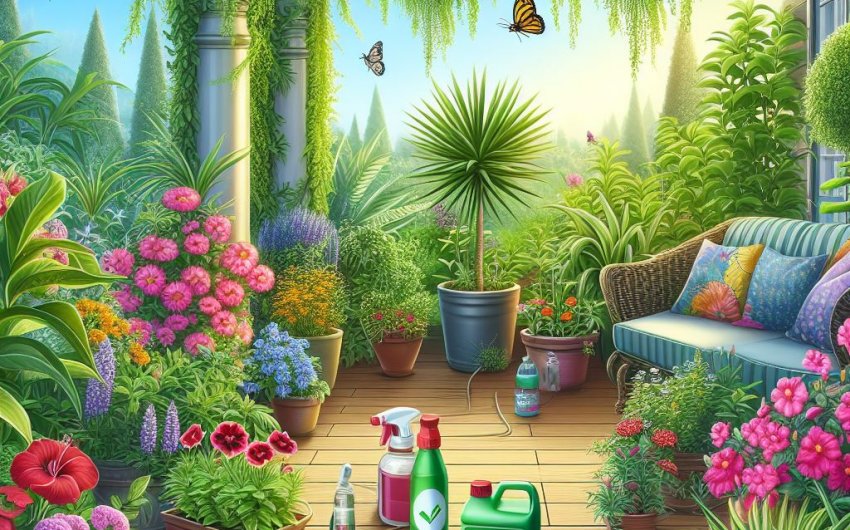
Dealing with porch flower pests effectively starts with proactive prevention and regular inspection to catch issues early. Common culprits like aphids, spider mites, and whiteflies can often be controlled with organic methods like insecticidal soap, neem oil, or simply a strong blast of water, keeping your blooms vibrant and healthy.
Why are porch flowers susceptible to pests?
Porch flowers in containers are often highly susceptible to pests because they can be easily stressed by their confined environment, leading to weakened defenses. Their proximity to the house can also inadvertently invite pests that might seek shelter or new food sources, making porch flower pests a common concern.
Factors making porch flowers vulnerable to pests:
- Environmental stress: Container plants dry out faster, have limited root space, and experience greater temperature fluctuations than in-ground plants. This stress can weaken their natural defenses, making them more attractive to pests.
- Monoculture: Often, porch arrangements feature many of the same plant type in close proximity. This creates a large, concentrated food source that can attract and rapidly multiply specific pests.
- Lack of natural predators: Outdoor container gardens may have fewer beneficial insects (like ladybugs or lacewings) compared to a diverse garden bed, allowing pest populations to grow unchecked.
- Proximity to house/other plants: Pests can easily move from nearby houseplants (if brought outdoors), or from shrubs and trees near the porch.
- Limited soil diversity: The sterile nature of potting mix doesn't always foster the beneficial soil microbes that can sometimes help deter pests in garden beds.
- Overwatering/underwatering: Both extremes can stress plants, creating conditions favored by certain pests (e.g., fungus gnats love consistently wet soil; spider mites thrive in dry, dusty conditions).
What are the most common porch flower pests?
Identifying the specific porch flower pests you're dealing with is the first crucial step in effective tulip troubleshooting. Each pest has characteristic signs and preferred hiding spots, so knowing what to look for can help you intervene quickly and prevent widespread damage.
Top 5 most common porch flower pests:
- Aphids:
- Appearance: Small (pinhead size), soft-bodied insects, often green, black, white, red, or yellow. Cluster on new growth, undersides of leaves, and flower buds.
- Signs of infestation: Sticky residue (honeydew), distorted/curled leaves, yellowing leaves, sooty mold (black fungus growing on honeydew).
- Favorite plants: Almost all flowering annuals (Petunias, Impatiens, Verbena), herbs.
- Spider Mites:
- Appearance: Tiny, almost microscopic arachnids (not insects). Often look like tiny moving dots.
- Signs of infestation: Fine webbing (especially on undersides of leaves or where leaves meet stems), tiny yellow or white speckles (stippling) on leaves, leaves turning bronze or yellow, overall unhealthy appearance. Thrive in hot, dry conditions.
- Favorite plants: Petunias, Marigolds, Verbena, some hanging basket annuals.
- Whiteflies:
- Appearance: Tiny, white, moth-like insects that fly up in a cloud when disturbed from the undersides of leaves.
- Signs of infestation: Sticky honeydew, sooty mold, yellowing leaves, stunted growth.
- Favorite plants: Petunias, Lantana, Fuchsia, Coleus.
- Mealybugs:
- Appearance: Small, soft-bodied, oval-shaped insects covered in a white, cottony, waxy coating. Tend to hide in leaf axils (where leaves meet stems) and undersides of leaves.
- Signs of infestation: Cottony masses, sticky honeydew, sooty mold, stunted growth.
- Favorite plants: Geraniums, Fuchsia, some succulents.
- Fungus Gnats:
- Appearance: Tiny, dark, mosquito-like flies that fly around the soil surface and plant foliage. Their larvae are tiny, clearish-white worms in the soil.
- Signs of infestation: Annoying adult flies, wilting plants (if larvae are numerous and feeding on fine roots), generally thriving in consistently wet soil.
- Favorite plants: Any plant in consistently moist potting mix, especially Impatiens, Begonias, herbs.
What are the best non-chemical ways to control porch flower pests?
Before reaching for chemical solutions, many porch flower pests can be effectively controlled using non-chemical, organic methods. These approaches are safer for your plants, pollinators, pets, and the environment, aligning with eco-friendly porch flower care.
Top non-chemical pest control methods:
- Manual Removal/Physical Control:
- Hand-picking: For larger pests (though rare on porch flowers), simply pick them off.
- Strong water spray: For aphids and spider mites, a strong blast of water from a hose (especially on the undersides of leaves) can dislodge and wash them away. Repeat every few days.
- Wipe leaves: For mealybugs, use a cotton swab dipped in rubbing alcohol to dab them directly. This melts their waxy coating.
- Pruning: Remove and discard heavily infested leaves or stems.
- Quarantine New Plants:
- Always isolate any new plant for 1-2 weeks before introducing it to your existing collection. This prevents hitchhiking pests from spreading.
- Encourage Beneficial Insects:
- Attract: Plant companion flowers that attract ladybugs, lacewings, and parasitic wasps (e.g., Dill, Fennel, Marigolds, Sweet Alyssum).
- Purchase: For severe infestations, you can purchase beneficial insects (e.g., ladybugs for garden pest control) and release them.
- Sticky Traps:
- Purpose: Yellow sticky traps are excellent for monitoring and catching adult flying insects like fungus gnats, whiteflies, and thrips. They won't eliminate a full infestation but reduce numbers.
- Maintain Plant Health:
- Proper watering/feeding: Healthy, vigorous plants are more resilient and less attractive to pests. Follow all general porch flower care tips.
- Good air circulation: Proper spacing and occasional pruning can improve airflow, reducing conditions favored by some pests (like spider mites in stagnant air) and fungal diseases.
When should I use organic sprays for porch flower pests?
Organic sprays are an excellent option for controlling porch flower pests when non-chemical methods like hand-picking or water sprays aren't enough, or for more widespread infestations. They offer effective control while being safer for the environment, beneficial insects (when used correctly), and your family compared to synthetic pesticides.
Top organic sprays and how to use them:
- Insecticidal Soap:
- How it works: Smothers soft-bodied insects by dissolving their protective outer layer.
- Effective against: Aphids, spider mites, whiteflies, mealybugs, thrips.
- Application: Mix according to label directions (often 2 tablespoons per gallon of water). Spray thoroughly, ensuring complete coverage, especially the undersides of leaves. Repeat every 5-7 days for 2-3 weeks to target newly hatched pests.
- Tips: Apply in the early morning or late evening to avoid burning foliage in direct sun. Do not apply when temperatures are above 85°F (29°C). Look for a ready-to-use insecticidal soap for plants.
- Neem Oil:
- How it works: A multi-action organic product that acts as an insect repellent, antifeedant, growth disruptor, and can also help with some fungal issues.
- Effective against: A broad spectrum of pests including aphids, spider mites, whiteflies, mealybugs, thrips, and some caterpillars.
- Application: Mix cold-pressed neem oil with water and a few drops of mild soap (as an emulsifier) according to label directions. Spray thoroughly, again covering all plant surfaces. Repeat weekly as needed.
- Tips: Similar application precautions to insecticidal soap. It's often more effective as a preventative or early treatment.
- Horticultural Oil (Mineral Oil based):
- How it works: Smothers insects by suffocating them.
- Effective against: Many soft-bodied pests, especially good for scale insects and mites.
- Application: Mix according to label directions and spray.
- Tips: Be careful with oil sprays on plants with fuzzy leaves or during hot weather, as they can cause leaf burn.
- DIY Garlic/Pepper Sprays (use with caution):
- How it works: Repellents due to strong odors or irritating compounds.
- Effectiveness: Variable, can sometimes cause foliage burn if too concentrated.
- Recommendation: Less reliable than commercial organic options.
How do I identify and treat common porch flower diseases?
Identifying and treating common porch flower diseases is a critical part of maintaining healthy and vibrant displays. Many diseases are linked to environmental conditions or improper care, making prevention often easier than cure in your porch flower care routine.
Top 3 common porch flower diseases:
- Powdery Mildew:
- Appearance: White, powdery patches on leaves and stems, looking like a dusting of flour.
- Causes: High humidity, poor air circulation, shade.
- Affected plants: Petunias, Begonias, Verbena, Zinnias.
- Treatment/Prevention:
- Improve airflow: Space plants properly, prune dense growth.
- Watering: Water at the base of plants, avoid overhead watering.
- Sunlight: Ensure plants get adequate light (move if too shady).
- Fungicides: Spray with Neem oil, baking soda solution (1 tsp baking soda per quart of water with a drop of soap), or organic fungicide.
- Botrytis Blight (Gray Mold):
- Appearance: Fuzzy, gray mold on flowers, buds, leaves, and stems. Causes brown, rotting spots.
- Causes: High humidity, cool temperatures, poor air circulation, wet foliage.
- Affected plants: Geraniums, Petunias, Impatiens, Begonias.
- Treatment/Prevention:
- Remove infected parts: Promptly prune and discard any infected plant material.
- Improve airflow: Ensure good spacing.
- Watering: Water in the morning at the soil line, allow foliage to dry.
- Fungicides: Use an organic fungicide if severe.
- Root Rot:
- Appearance: Yellowing, wilting, stunted plants despite seemingly adequate water. Roots are brown, soft, and mushy.
- Causes: Overwatering, poor drainage in the pot, heavy potting mix that retains too much water.
- Affected plants: All container plants are susceptible.
- Treatment/Prevention:
- Prevention is key! Use pots with good drainage holes. Use a quality, well-draining potting mix.
- Proper watering: Water only when the top inch or two of soil is dry. Never let pots sit in standing water.
- Treatment: If caught early, let the soil dry out completely. For severe cases, repotting into fresh, dry soil after trimming rotted roots might save the plant.
How can I prevent porch flower pests and diseases proactively?
Proactive prevention is the most effective approach to dealing with porch flower pests and diseases, drastically reducing the need for intervention. By integrating simple preventative measures into your routine, you can ensure your porch flowers remain fresh, vibrant, and largely problem-free.
Top proactive prevention strategies:
- Start with Healthy Plants:
- Inspection: Always thoroughly inspect plants at the nursery before buying. Check undersides of leaves, stems, and soil for pests, yellowing, or spots.
- Reputable source: Buy from nurseries with good reputations for plant health.
- Quarantine New Plants:
- Isolate any new addition to your porch for 1-2 weeks before placing it among your other plants. This prevents the spread of hidden pests or diseases.
- Use Clean Pots and Fresh Potting Mix:
- Sterilize pots: If reusing old pots, scrub them thoroughly with hot, soapy water and a dilute bleach solution (1 part bleach to 10 parts water), then rinse completely.
- Fresh mix: Always use a fresh, high-quality potting mix each season. Don't reuse old soil, as it can harbor pests and diseases.
- Ensure Proper Drainage:
- Drainage holes: Every pot must have drainage holes. Add more if necessary.
- Avoid standing water: Never let pots sit in saucers full of water.
- Water Correctly:
- Consistency: Water deeply when needed, but allow the top inch or two of soil to dry out between waterings. Avoid consistently soggy soil.
- Time of day: Water in the morning to allow foliage to dry before nightfall, reducing fungal risks.
- Provide Good Air Circulation:
- Spacing: Don't overcrowd plants in containers. Allow space for air to move around foliage.
- Pruning: Regularly pinch and prune plants to prevent them from becoming too dense.
- Maintain Plant Health:
- Adequate light: Ensure plants receive the correct amount of light for their species.
- Consistent fertilization: Feed regularly during the growing season. Healthy plants are more resilient.
- Cleanliness: Remove any dead leaves or spent blooms promptly.
- Physical Barriers/Repellents:
- Sticky traps: Place a few yellow sticky traps around your porch plants to monitor for flying pests.
- Companion planting: Some herbs (e.g., marigolds, basil) are thought to deter certain pests.
Dealing with porch flower pests and diseases doesn't have to be a constant battle. By implementing proactive preventative measures and knowing how to swiftly identify and treat common issues with organic solutions, you can keep your porch flowers fresh, vibrant, and a beautiful, healthy addition to your home all season long.