
Vertical Garden Magic: Growing Porch Flowers in Small Spaces
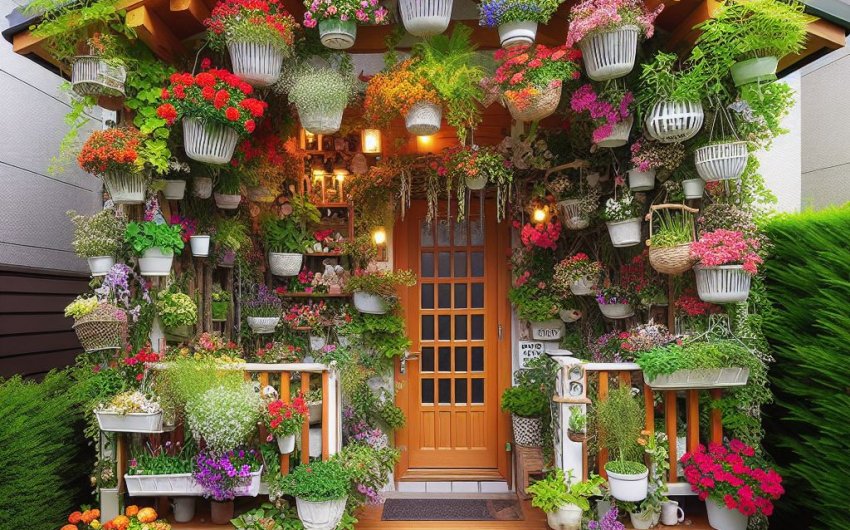
Vertical garden magic transforms even the smallest porch into a vibrant floral haven by maximizing growing space upward. Growing porch flowers in small spaces becomes effortless with tiered planters, wall-mounted pockets, or hanging systems, allowing you to create stunning displays without sacrificing precious floor area.
Why are vertical gardens ideal for growing porch flowers in small spaces?
Vertical gardens are the ultimate solution for growing porch flowers in small spaces because they utilize often-overlooked vertical real estate. This innovative approach allows gardeners to expand their planting potential dramatically, creating lush, multi-layered floral displays even on tiny balconies or compact patios.
Benefits of vertical gardens for small porches:
- Maximizes Space: Turns unused wall space, railings, or narrow corners into productive growing areas.
- Aesthetic Appeal: Creates a living work of art, adding a dynamic and lush backdrop to your porch.
- Accessibility: Brings plants up to eye level, making them easier to tend, deadhead, and admire.
- Versatility: Adaptable to various styles and types of plants, from annuals to herbs and even edibles.
- Improved Airflow: Elevating plants can improve air circulation, potentially reducing some common fungal issues.
- Cleaner Growth: Keeps plants off the ground, reducing splashback from rain and some ground-dwelling pests.
- Creative Freedom: Offers endless possibilities for design, color combinations, and transforming drab walls into vibrant focal points.
What are the different types of vertical garden systems for porches?
Understanding the different types of vertical garden systems is key to choosing the best option for growing porch flowers in small spaces. Each system offers unique advantages in terms of aesthetics, capacity, and ease of maintenance, allowing you to tailor your vertical display to your specific porch and style.
Popular vertical garden systems for porches:
- Pocket Planters/Wall Planters:
- Description: Fabric pockets or modular plastic/metal units designed to be hung directly on a wall or railing.
- Pros: Easy to install, flexible arrangement, good for single plants or small groupings. Lightweight.
- Cons: Can dry out quickly (especially fabric), limited root space, may need frequent watering.
- Best for: Herbs, small annuals (Petunias, Impatiens), succulents. Good for creating a "living wall." Find a fabric wall planter.
- Tiered Planters/Stacking Pots:
- Description: Pots designed to stack on top of each other, creating a pyramid or tower effect. Can be freestanding.
- Pros: Very stable, easy to water (water trickles down), good capacity for their footprint, often very decorative.
- Cons: Limited plant variety due to stacking design (larger plants on bottom, smaller on top), can be heavy when filled.
- Best for: Strawberries, herbs, Pansies, Impatiens, succulents. Look for a stacking planter tower.
- Trellises with Attached Pots/Hooks:
- Description: A classic trellis structure (wood, metal) where individual pots are hung using hooks or attached brackets.
- Pros: Allows for plant rotation, easy to remove/rearrange pots, good air circulation. Can also support climbing plants.
- Cons: Requires finding compatible pots and hooks, may need more manual watering per pot.
- Best for: Vines (Clematis, Mandevilla), flowering annuals, small herbs. Consider a garden trellis with hooks.
- Pallet Gardens:
- Description: Repurposed wooden pallets are oriented vertically, with plants tucked into the gaps between the slats.
- Pros: Inexpensive (often free), rustic charm, great DIY project.
- Cons: Can be heavy, wood may need treatment, limited pocket space. Can dry out quickly.
- Best for: Herbs, small annuals, succulents.
- Ladder Planters:
- Description: A shelving unit shaped like a ladder, with progressively wider shelves for pots.
- Pros: Freestanding, easy to move, allows for varied pot sizes and arrangements.
- Cons: Takes up a bit more floor space than wall-mounted, can cast shade on lower plants.
- Best for: Mix of small to medium pots with various annuals, herbs, or small perennials. Find a wood ladder plant stand.
- Hydroponic Vertical Gardens:
- Description: More advanced systems where plants grow in water, fed by a nutrient solution circulated vertically.
- Pros: Very fast growth, highly water-efficient, no soil mess.
- Cons: Higher initial cost, requires more technical understanding, typically needs electricity for pumps.
- Best for: Leafy greens, herbs, strawberries, some small annuals. Look for a vertical hydroponic tower.
What are the best porch flowers to grow in a vertical garden?
The best porch flowers to grow in a vertical garden are those with compact root systems, a trailing or mounding growth habit, and a long blooming season. These characteristics ensure they thrive in the limited space and contribute to a lush, continuous display, making your vertical garden magic a success.
Top flowering plants for vertical gardens:
- Petunias (especially Wave/Supertunia series):
- Why they're great: Trailing varieties cascade beautifully from pockets or tiers, creating an explosion of color. Self-cleaning, long-blooming, heat-tolerant.
- Light: Full sun.
- Calibrachoa (Million Bells):
- Why they're great: Miniature petunia-like flowers, bloom profusely, and cascade dramatically. Perfect for filling pockets with jewel tones.
- Light: Full sun.
- Impatiens (New Guinea or standard):
- Why they're great: Abundant blooms for shaded porches. New Guinea varieties are more disease resistant and tolerate some sun.
- Light: Part shade to full shade.
- Begonias (Dragon Wing/Whopper/Tuberous):
- Why they're great: Lush foliage and continuous flowers for shade. Dragon Wing and Whopper are robust, tuberous provide large, dramatic blooms.
- Light: Part shade to full shade.
- Lobelia:
- Why they're great: Delicate blue, purple, or white flowers. Trailing varieties spill beautifully from upper pockets.
- Light: Part sun to part shade.
- Verbena:
- Why they're great: Trailing, long-blooming clusters of flowers. Very heat tolerant.
- Light: Full sun.
- Fuchsia:
- Why they're great: Elegant, exotic, dangling flowers, ideal for hanging or side pockets in shaded vertical gardens.
- Light: Part shade to full shade.
- Sweet Alyssum:
- Why they're great: Tiny, fragrant, cloud-like flowers that spill beautifully. Softens edges and adds a honey scent.
- Light: Full sun to part sun.
- Dianthus (various annual types):
- Why they're great: Compact, cheerful, often fragrant flowers in pink, red, or white.
- Light: Full sun.
- Coleus (foliage emphasis):
- Why it's great: While not a flower, its vibrant, patterned foliage provides continuous, no-deadheading color. Varieties for sun or shade.
- Light: Full sun to full shade (depending on variety).
Edible flowering plants for vertical gardens:
- Strawberries: Produce sweet fruit that cascades beautifully.
- Nasturtiums: Edible flowers and leaves with a peppery taste, trails vigorously.
- Dwarf Cherry Tomatoes: (e.g., 'Micro Tom', 'Tumbling Tom') Small, compact, and productive.
What are essential tips for installing a vertical garden on my porch?
Installing a vertical garden on your porch requires careful planning to ensure it's secure, functional, and aesthetically pleasing. Proper installation sets the stage for successful growing and transforms your small space with porch flowers.
Essential installation tips for vertical gardens:
- Assess the mounting surface:
- Wall/Railing: Ensure the wall or railing is sturdy enough to hold the weight of the system filled with wet soil and plants. Wood studs or solid masonry are ideal.
- Weight: Fully planted and watered vertical gardens can be surprisingly heavy.
- Choose appropriate mounting hardware:
- Use heavy-duty screws, anchors (toggle bolts for drywall, masonry anchors for brick/concrete), or secure J-hooks designed for outdoor use.
- For railings, use sturdy rail planters or securely fasten a trellis system.
- Consider drainage:
- Water flow: Ensure excess water can drain away without damaging your porch floor, wall, or anything below.
- Vertical run-off: Some systems drain directly down. If hanging directly on a wall, place a gutter or tray at the bottom to catch drips.
- Tiered planters: Designed to drain from top to bottom, often with a tray at the very bottom.
- Accessibility for watering:
- Reach: Can you easily reach all plants for watering, especially the top ones?
- Self-watering options: Consider self-watering vertical planters or an irrigation drip system for larger installations.
- Sunlight considerations:
- Even light: Position the system to ensure all plants receive adequate light. North-facing walls will need shade-loving plants. South or west-facing walls are good for sun-lovers.
- Rotation: For systems that can be rotated, this helps ensure even growth.
- Aesthetic integration:
- Choose a system material and color that complements your porch's existing decor.
- Plan your plant arrangement for visual appeal, considering height, color, and texture.
How do I maintain my vertical garden for thriving porch flowers?
Maintaining a vertical garden for thriving porch flowers requires consistent and specialized care, as these systems have unique needs compared to traditional containers. Diligent attention to watering, nutrients, and ongoing plant health ensures your vertical garden magic lasts all season.
Key maintenance tips for vertical porch gardens:
- Frequent Watering (Crucial!):
- Why: Vertical gardens, especially fabric pocket types, dry out extremely fast due to increased air exposure and limited soil volume.
- Frequency: Check daily, and in hot, sunny, windy weather, you might need to water twice a day.
- Method: Water slowly and thoroughly from the top down, ensuring water reaches all pockets/tiers. Use a watering wand for easy reach.
- Self-watering systems: Still require regular refills, but less frequently.
- Regular Fertilization:
- Why: Nutrients leach out quickly with frequent watering. Plants in small spaces are heavy feeders.
- Method: Incorporate slow-release granular fertilizer into the potting mix at planting. Supplement every 1-2 weeks with a balanced liquid flower fertilizer.
- Deadheading and Pinching:
- Deadheading: Remove spent blooms to encourage continuous flowering.
- Pinching: Pinch back leggy plants to encourage bushier growth and more flowers. This is especially important for plants in tight spaces.
- Monitor for Pests and Diseases:
- Inspection: Due to proximity, pests can spread quickly. Inspect plants regularly, checking the undersides of leaves.
- Treatment: Address issues promptly with insecticidal soap or neem oil.
- Rotate Plants (if possible):
- Why: Ensures all sides of the system and all plants get adequate light, promoting even growth.
- Method: Rotate the entire system if freestanding, or swap individual pots/pockets if the system allows.
- Replenish Soil Annually:
- Always use fresh, high-quality potting mix when replanting each season. Old soil loses structure and nutrients.
- Consider Wind Exposure:
- Why: Exposed plants in vertical gardens are vulnerable to wind damage and rapid drying.
- Solution: Place in a sheltered spot, or choose a robust system.
How can I design an aesthetically pleasing vertical garden for my porch?
Designing an aesthetically pleasing vertical garden for your porch transforms it from a utilitarian planter into a stunning focal point, truly bringing vertical garden magic to your small space. Focus on color, texture, layering, and integration with your existing porch decor.
Design principles for an aesthetically pleasing vertical garden:
- Apply "Thriller, Filler, Spiller" Vertically:
- Thriller: Place taller, upright plants in the top or central pockets/tiers.
- Filler: Use mounding plants in the middle sections.
- Spiller: Let trailing plants cascade from lower or side pockets/tiers, and especially from the very top.
- Color Harmony and Contrast:
- Monochromatic: Use different shades of one color (e.g., various pink Petunias and Fuchsia) for elegance.
- Analogous: Combine colors next to each other on the color wheel (e.g., yellow, orange, red Calibrachoa).
- Complementary: Pair opposite colors for vibrancy (e.g., purple Lobelia with yellow Petunias).
- Foliage Color: Don't forget vibrant foliage plants like Coleus or Sweet Potato Vine for continuous interest.
- Vary Textures and Forms:
- Combine broad-leafed plants (Begonias) with delicate ones (Lobelia), spiky (small ornamental grasses) with soft (Petunias).
- Mix mounding, upright, and trailing habits for visual richness.
- Consider the Backdrop:
- Contrast: If your wall is dark, use lighter plants to make them pop. If your wall is light, use darker or more vibrant plants.
- Integration: Choose a vertical system that complements your porch's architectural style (rustic wood, modern metal, classic terracotta).
- Create Repetition and Rhythm:
- Repeat certain plants or color combinations in a pattern to create a cohesive look.
- Allow for some natural, organic flow.
- Add Lighting (Optional):
- Small solar-powered string lights woven through the vertical garden can highlight it in the evening.
- Integrate with Ground-Level Planters:
- Extend the color palette and plant types from your vertical garden to any pots you have on the porch floor for a unified display.
Growing porch flowers in small spaces becomes an exciting adventure with vertical garden magic. By choosing the right system, selecting suitable plants, ensuring proper installation, and providing consistent care, you can transform even the tiniest porch into a breathtaking, vibrant floral oasis that delights the senses and maximizes every inch of your outdoor living area.