
How to Prevent Pests and Diseases in Perennial Flowers?
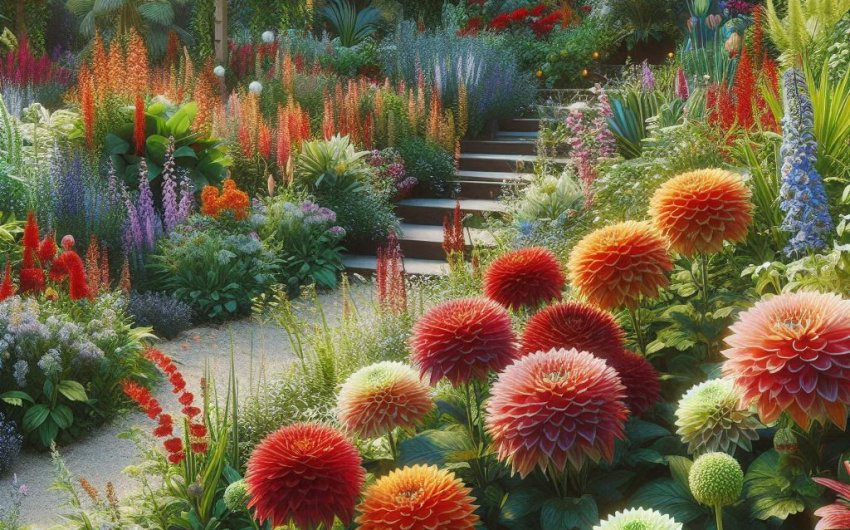
Maintaining a vibrant and healthy perennial garden hinges on proactive strategies, and knowing how to prevent pests and diseases in perennial flowers is a cornerstone of success. Unlike annuals that are replanted each season, perennials occupy the same space for years, making them more susceptible to accumulating problems if not properly managed. By understanding the principles of good cultural practices, smart plant selection, and integrated pest management, you can create a resilient garden ecosystem that naturally fends off common threats, ensuring your blooms return stronger and more beautiful year after year.
Why is Prevention Important for Perennials?
Prevention is paramount when it comes to managing pests and diseases in perennials. Unlike annuals that are discarded at the end of a season, perennials reside in the same garden bed for years, making them more susceptible to persistent issues if preventative measures aren't in place.
1. Long-Term Investment
Perennial flowers are a long-term investment in your garden's beauty and structure.
- Established Plants: Once established, perennials contribute to the garden's permanent design. Protecting them ensures that this investment of time, effort, and money continues to pay off for many years.
- Difficulty of Replacement: Replacing a mature, established perennial can be costly, time-consuming, and disrupt the overall garden design. Prevention saves you from this hassle.
2. Accumulation of Problems
The permanent nature of perennials means that problems can build up over time.
- Pest Cycles: Pests can overwinter in the soil or on dormant plant parts, emerging year after year to re-infest the same plants.
- Disease Carryover: Fungal spores and bacterial pathogens can persist in the soil, on plant debris, or even on healthy-looking plant tissue, ready to re-infect plants the following season.
- Soil Fatigue: Continuously growing the same plants in the same spot can deplete specific nutrients or lead to a buildup of host-specific pathogens.
3. Reduced Reliance on Chemicals
Proactive prevention minimizes the need for reactive, often chemical, treatments.
- Eco-Friendly: A preventative approach aligns with organic and sustainable gardening practices, reducing the use of pesticides and fungicides that can harm beneficial insects, pollinators, wildlife, and water systems.
- Healthier Environment: Less chemical use results in a healthier environment for you, your family, and your pets.
- Cost Savings: Avoiding costly chemical treatments saves money in the long run.
4. Stronger, More Resilient Plants
Prevention fosters healthier plants that can naturally resist threats.
- Inherent Immunity: Plants grown in optimal conditions with good soil health and proper care are naturally more vigorous and possess stronger inherent defenses against common pests and diseases.
- Faster Recovery: Even if a problem does arise, a strong, healthy plant will be better equipped to recover quickly.
5. Aesthetic Preservation
The beauty of a perennial garden can be quickly diminished by pest and disease damage.
- Unblemished Foliage and Flowers: Prevention helps ensure your perennials maintain their lush foliage and vibrant blooms, preserving the aesthetic appeal you've worked hard to create.
- Consistent Bloom: Healthy plants will flower more consistently and abundantly.
By prioritizing prevention, you establish a robust, self-sustaining system that keeps your perennials thriving, demonstrating the power of knowing how to prevent pests and diseases in perennial flowers for a resilient and beautiful garden.
How Can Proper Plant Selection Prevent Problems?
Choosing the right perennial flowers for your garden is the very first and often most impactful step in knowing how to prevent pests and diseases in perennial flowers. A plant suited to its environment is inherently more resilient and less prone to stress-induced problems.
1. "Right Plant, Right Place"
This fundamental gardening principle cannot be overstated. Matching a plant's needs to your garden's conditions is crucial.
- Sunlight:
- Assess Your Garden: Determine the hours of direct sunlight each area of your garden receives (full sun, partial sun, partial shade, full shade).
- Match Plant Needs: Select perennials that have a light requirement matching that area. A sun-loving plant in shade will be weak, leggy, and prone to mildew. A shade-loving plant in full sun will scorch and stress.
- Soil Type:
- Know Your Soil: Is your soil heavy clay, sandy, loamy, or rocky? Does it drain well or hold water?
- Match Plant Preferences: Choose perennials that prefer your soil type. For example, Lavender thrives in well-drained, lean soil, while Hostas prefer rich, moist soil. Trying to force a plant into unsuitable soil will lead to stress and susceptibility to root diseases.
- Water Requirements:
- Consider Natural Rainfall: Choose plants appropriate for your climate's rainfall.
- Match Needs: Group plants with similar water needs together to simplify irrigation. Drought-tolerant plants next to water-lovers will result in either over- or under-watering stress for one group.
- Hardiness Zone:
- Know Your Zone: Plant perennials that are hardy (can survive winter temperatures) in your USDA plant hardiness zone. Planting outside your zone means the plant is constantly struggling against cold stress.
2. Choose Disease and Pest-Resistant Varieties
Many plant breeders develop cultivars specifically for improved resistance.
- Look for Labels: When purchasing plants, look for tags or descriptions that indicate resistance to common diseases or pests for that species.
- Powdery Mildew Resistance: Many Phlox, Monarda (Bee Balm), and Gardenia cultivars are bred for resistance to powdery mildew.
- Black Spot Resistance: Some Rose varieties are specifically developed to resist black spot, a common fungal issue.
- Rust Resistance: Look for rust-resistant Daylilies.
- Research Online: Before buying, research common problems for the species you're interested in and see if resistant cultivars are available.
- Benefits: Choosing resistant varieties significantly reduces the likelihood of these specific problems becoming an issue in your garden, requiring less intervention from you.
3. Consider Native Plants and Adapted Species
Plants that are native to your region or well-adapted to your local climate often thrive with minimal fuss.
- Ecological Advantage: Native plants have evolved alongside local pests and diseases, often developing natural defenses. They are also accustomed to your climate, soil, and rainfall patterns, reducing environmental stress.
- Support Local Ecosystem: They provide better food and habitat for local pollinators and wildlife.
- Reduced Maintenance: Once established, native or well-adapted plants typically require less watering, fertilizing, and pest control.
4. Avoid Overly Susceptible Plants (if you have chronic issues)
If you consistently battle a specific pest or disease, consider avoiding plants known to be highly susceptible to that problem.
- Example: If powdery mildew is a perennial problem in your garden, choose mildew-resistant Phlox or opt for other plants entirely rather than constantly fighting the disease.
By making informed choices at the planting stage, you build a resilient foundation that inherently knows how to prevent pests and diseases in perennial flowers, reducing your workload and ensuring a healthier, more beautiful garden.
How Does Good Garden Hygiene Prevent Problems?
Garden hygiene, often overlooked, is a powerful and inexpensive tool in knowing how to prevent pests and diseases in perennial flowers. Simple acts of cleanliness and vigilance can interrupt pest life cycles, remove disease sources, and maintain a healthier environment for your plants.
1. Regular Garden Cleanup
Keeping your garden tidy reduces hiding spots and breeding grounds for pests and pathogens.
- Remove Plant Debris:
- Fallen Leaves/Spent Flowers: Regularly rake up and remove fallen leaves, dead flower heads, and other plant debris from around your perennials. Many fungal spores and insect eggs can overwinter in this detritus.
- Diseased Plant Material: Crucially, always remove and discard (do NOT compost unless your compost pile reaches high, sustained temperatures to kill pathogens) any plant parts showing signs of disease. Bag them and send them to the landfill.
- Weed Control: Remove weeds promptly. Weeds compete with your perennials for nutrients and water, stressing them, and can also act as host plants for pests and diseases.
- Clear Garden Beds in Fall: At the end of the growing season, a thorough garden cleanup helps eliminate overwintering sites for many pests and fungal spores. Cut back herbaceous perennials as appropriate for their species, removing dead foliage.
2. Sanitize Tools
Disease can spread easily from plant to plant on contaminated tools.
- Sterilize Pruning Shears/Loppers: After pruning any diseased plant material, or between working on different plants (especially if one looks suspicious), clean your tools.
- Method: Wipe blades thoroughly with rubbing alcohol, a 10% bleach solution (1 part bleach to 9 parts water), or a specialized horticultural disinfectant. Allow to air dry or wipe clean. A spray bottle of rubbing alcohol is convenient.
- Benefits: Prevents the inadvertent transfer of fungal spores, bacteria, or viruses from an infected plant to a healthy one.
3. Inspect New Plants Thoroughly
New additions can bring unwanted guests into your garden.
- Before Planting: Before introducing any new perennial to your garden bed, carefully inspect it.
- Foliage: Check the tops and undersides of leaves for any signs of pests (tiny bugs, webbing, sticky residue, stippling) or disease (spots, discoloration, wilting).
- Stems/Soil: Examine stems and the soil surface for any unusual signs.
- Quarantine (Optional but Recommended): If possible, keep new plants separate from your existing garden for a week or two, observing them for any emerging problems. This allows you to treat them before they spread issues to your established plants.
- Source Reputable Nurseries: Purchase plants from trusted nurseries that maintain good hygiene practices.
4. Provide Good Air Circulation
Stagnant, humid air is a breeding ground for many fungal diseases.
- Proper Spacing: When planting, ensure perennials have enough room to reach their mature size without crowding. Overcrowding reduces airflow between plants.
- Thinning: For dense clumps of perennials (e.g., Phlox, Bee Balm) that are prone to powdery mildew, consider thinning out some stems in spring to improve air circulation within the plant's canopy.
- Pruning: Remove lower leaves that touch the ground, as these are more susceptible to soil-borne diseases splashing onto them.
5. Water Properly
Incorrect watering can stress plants and encourage disease.
- Water at the Base: Always water perennials at the base of the plant, directly targeting the root zone. Avoid overhead watering, especially in the evening, as wet foliage staying wet overnight is an invitation for fungal diseases (e.g., powdery mildew, black spot). A soaker hose is excellent for this.
- Morning Watering: If you must use overhead irrigation, do so in the morning to allow foliage to dry completely before nightfall.
By diligently practicing good garden hygiene, you significantly reduce the environmental factors that contribute to pest and disease outbreaks, proving that these simple steps are effective ways to know how to prevent pests and diseases in perennial flowers.
How Does Soil Health Impact Pest and Disease Prevention?
The soil beneath your perennials is a dynamic, living ecosystem, and its health directly correlates with the vigor and resilience of your plants. Understanding this connection is paramount in knowing how to prevent pests and diseases in perennial flowers. Healthy soil leads to healthy plants that can naturally resist threats.
1. Provides Balanced Nutrition
A balanced soil offers all the nutrients plants need, in the right forms.
- Optimal Uptake: Healthy soil, teeming with microorganisms, efficiently breaks down organic matter and converts nutrients into forms that plant roots can readily absorb.
- Strong Cell Walls: Well-nourished plants develop strong, thick cell walls, making them physically more resistant to piercing-sucking insects (like aphids) and fungal infections.
- Robust Immune System: Just like humans, plants with adequate nutrition have a stronger "immune system," enabling them to produce defense compounds when under attack.
- Avoid Over-Fertilization: Excess nitrogen can lead to lush, soft, "leggy" growth that is highly attractive to aphids and more susceptible to fungal diseases like powdery mildew. Use balanced fertilizers and amend with organic matter.
2. Fosters a Thriving Soil Food Web
The diversity of life in the soil is a natural defense mechanism.
- Beneficial Microbes: Healthy soil contains billions of beneficial bacteria, fungi, protozoa, and nematodes.
- Disease Suppression: Some fungi (e.g., Trichoderma) directly attack plant pathogenic fungi. Others (e.g., mycorrhizal fungi) form symbiotic relationships with roots, enhancing nutrient uptake and providing a protective barrier.
- Competitive Exclusion: A dense population of beneficial microbes can outcompete harmful pathogens for resources and space, preventing them from proliferating.
- Earthworms: These vital soil engineers improve soil structure, create tunnels for air and water, and their castings are rich in beneficial microbes and plant-available nutrients.
- Predatory Organisms: Healthy soil can support beneficial nematodes and other microscopic predators that feed on pest larvae or disease pathogens in the soil.
- Amazon Link: Consider inoculating your soil with mycorrhizal fungi inoculant to enhance root health.
3. Improves Soil Structure
Optimal soil structure is crucial for healthy root growth and preventing root-related issues.
- Drainage and Aeration: Well-structured soil (e.g., loamy soil) has a good balance of macropores (for air and water movement) and micropores (for water retention).
- Prevents Root Rot: Good drainage prevents waterlogging and anaerobic conditions, which are primary causes of root rot in perennials.
- Ensures Oxygen: Proper aeration ensures roots have access to the oxygen they need for healthy respiration and nutrient uptake.
- Water Retention: Healthy soil with high organic matter content acts like a sponge, holding onto moisture for longer periods while still draining excess water. This reduces drought stress on plants, making them more resilient.
- Root Penetration: Looser, more friable soil allows roots to penetrate deeper and spread wider, anchoring the plant more firmly and allowing it to access a larger reservoir of water and nutrients.
4. Buffers Soil pH
The soil's pH directly affects nutrient availability to plants.
- Optimal Range: Most perennials prefer a slightly acidic to neutral pH (6.0-7.0). Within this range, most essential nutrients are in their most plant-available form.
- Compost as Buffer: Regular additions of compost help buffer (stabilize) soil pH, bringing it closer to the ideal range. This ensures nutrients are always accessible to the plants, reducing nutrient-related stress that can weaken them.
- Soil Testing: Perform a soil test every few years to monitor pH and nutrient levels and make targeted amendments.
By focusing on building and maintaining vibrant, living soil, you empower your perennials to naturally defend themselves, solidifying a core strategy for how to prevent pests and diseases in perennial flowers.
How Can Integrated Pest Management (IPM) Be Applied?
Integrated Pest Management (IPM) is a holistic, common-sense approach to pest control that prioritizes prevention and non-chemical solutions. Applying IPM principles is key to knowing how to prevent pests and diseases in perennial flowers sustainably and effectively.
1. Monitor and Identify
Knowing your enemy is the first step.
- Regular Scouting: Make it a habit to regularly walk through your garden, closely inspecting your perennials. Look at the tops and undersides of leaves, stems, and new growth.
- Early Detection: Catching problems early, when pest populations are small or disease symptoms are just beginning, makes control much easier and often eliminates the need for harsh treatments.
- Accurate Identification: Learn to correctly identify common pests and diseases in your region. Knowing exactly what you're dealing with (e.g., aphids vs. spider mites, powdery mildew vs. rust) allows you to choose the most effective, targeted solution. Use local extension services or reliable online resources for identification.
- Consider Beneficials: Learn to recognize beneficial insects (ladybugs, lacewings, predatory wasps) and differentiate them from pests. They are your allies in the garden.
2. Cultural Controls (Prevention First)
As covered in previous sections, these are your primary line of defense.
- Right Plant, Right Place: Choose plants suited to your site conditions.
- Healthy Soil: Ensure optimal soil health through organic matter, proper pH, and good drainage.
- Proper Watering: Water at the base, in the morning.
- Good Air Circulation: Space plants correctly, thin dense clumps.
- Garden Hygiene: Remove diseased plant debris, sanitize tools, control weeds.
- Proper Fertilization: Avoid over-fertilization, especially nitrogen.
3. Physical/Mechanical Controls (Hands-On Solutions)
These methods directly remove or deter pests without chemicals.
- Hand-Picking: For larger pests (e.g., slugs, snails, caterpillars, Japanese beetles), simply pick them off and drop them into a bucket of soapy water.
- Strong Water Spray: A strong jet of water from a hose can dislodge aphids, spider mites, and whiteflies from foliage. Repeat daily until gone.
- Pruning: Remove and discard (do not compost) individual leaves or small sections of plants that are heavily infested with pests or show early signs of disease.
- Barriers:
- Copper Tape: For slugs and snails, copper tape around raised beds or pots can deter them.
- Row Covers: Lightweight fabric row covers can physically exclude flying insects from susceptible plants during vulnerable periods.
- Sticky Traps: Yellow sticky traps can monitor and trap flying pests like whiteflies and fungus gnats.
4. Biological Controls (Using Nature's Allies)
Introduce or encourage natural predators to control pests.
- Attract Beneficial Insects: Plant a diverse array of flowers (especially those with small, open blooms like dill, parsley, cosmos, sweet alyssum) that provide nectar and pollen for beneficial insects like ladybugs, lacewings, hoverflies, and parasitic wasps. These insects will naturally prey on or parasitize common garden pests.
- Buy Beneficial Insects: For severe infestations, you can purchase beneficial insects (e.g., ladybug larvae, lacewing larvae) and release them into your garden. Ensure conditions are suitable for them to survive.
- Bacillus thuringiensis (Bt): A naturally occurring bacterium that targets specific caterpillar pests (e.g., cabbage loopers, tomato hornworms) but is harmless to humans, pets, and other insects. Use a Bt spray.
5. Chemical Controls (Last Resort, Targeted)
Only if all other methods fail, and always with caution.
- Organic/Low-Impact Sprays: If necessary, start with the least toxic options.
- Insecticidal Soap: Effective against soft-bodied insects like aphids, mealybugs, and spider mites. Works by smothering them.
- Horticultural Oil: Can smother a wide range of pests and some fungal spores. Use dormant oils in winter or lightweight summer oils.
- Neem Oil: Disrupts insect feeding and growth, and acts as an anti-feedant. It also has some fungicidal properties. A versatile organic option.
- Sulfur/Copper-Based Fungicides: Organic options for specific fungal diseases, but can harm some beneficial insects.
- Spot Treatment: Only treat the affected plants or areas, not the entire garden.
- Follow Directions: Always read and follow product labels precisely, paying attention to application rates, safety precautions, and re-entry intervals.
- Timing: Apply in the early morning or late evening to protect pollinators and avoid leaf burn.
By systematically applying these IPM principles, you gain effective control, demonstrating a masterful approach to how to prevent pests and diseases in perennial flowers while maintaining a healthy, thriving garden ecosystem.