
What is Soil Gardening and How Does It Differ from Container Gardening?
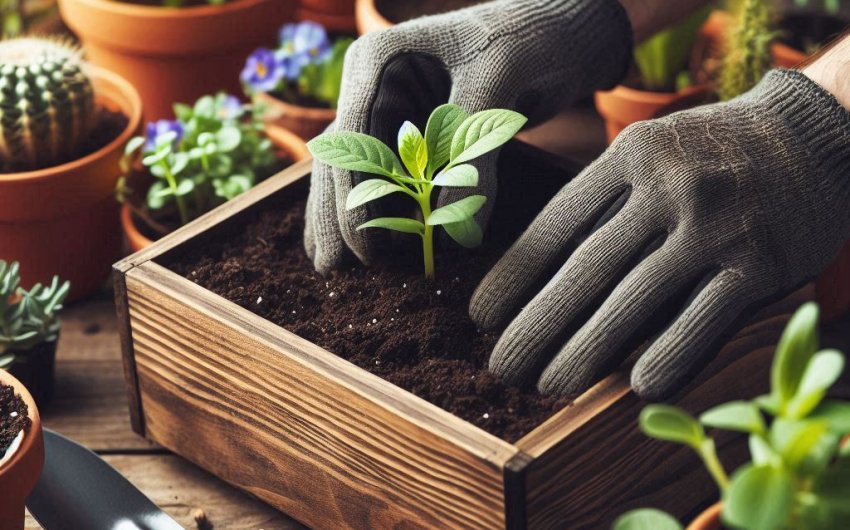
Embarking on a gardening journey opens up a world of possibilities for cultivating plants, whether for food, beauty, or both. A fundamental distinction lies in where your plants draw their sustenance, leading to two primary approaches: soil gardening and container gardening. Understanding what is soil gardening and how does it differ from container gardening is key to choosing the most suitable method for your space, resources, and gardening aspirations. This foundational knowledge illuminates the unique advantages and challenges inherent in each technique.
What is Soil Gardening?
Soil gardening, often referred to as in-ground gardening or traditional gardening, is the practice of planting directly into the existing earth of your yard. It’s the method that most people envision when they think of a classic garden, allowing plants to integrate directly with the natural ecosystem of the ground beneath them.
Defining In-Ground Planting
In soil gardening, plants are directly established in the natural ground of your landscape. This means their roots extend freely into the native soil, interacting with the vast network of microorganisms, minerals, and water sources present in the earth. Whether it's a sprawling vegetable patch, a vibrant flower bed, or an ornamental shrub, the plants are part of the larger, continuous ecosystem of the ground.
What are the Benefits of Soil Gardening?
- Nutrient Access: Plants in the ground have access to a much larger reservoir of nutrients and minerals than confined plants. Over time, the soil’s natural cycles (decomposition of organic matter, mineral weathering) can continuously replenish these nutrients.
- Water Regulation: The vast volume of soil in the ground acts as a natural buffer, regulating water more effectively. It retains moisture longer, reducing the frequency of watering compared to pots, and drains excess water away, preventing root rot in heavy rain.
- Root Space: Roots have ample room to spread out, allowing plants to grow larger and develop more robust root systems, which can lead to stronger, healthier plants and often higher yields for edibles.
- Temperature Stability: Ground soil provides better insulation, keeping roots cooler in hot weather and warmer in cold weather, protecting plants from extreme temperature fluctuations.
- Lower Material Cost: Once the initial soil preparation is done, there’s no ongoing cost for purchasing potting mix or containers.
- Supports Soil Biology: Direct contact with the earth fosters a thriving ecosystem of beneficial microbes, fungi, and earthworms, which are crucial for soil health and nutrient cycling.
What is Container Gardening?
In contrast to planting directly in the ground, container gardening involves cultivating plants within pots, planters, raised beds, or any confined vessel that holds soil. This method offers unparalleled flexibility and allows gardening in spaces where traditional in-ground planting is not feasible.
Defining Potted Planting
Container gardening means planting in a distinct, separate vessel that isolates the plant’s roots and its growing medium from the native ground. This could be anything from a small terracotta pot on a windowsill to a large, elevated raised bed on a patio. The plant's life support system—its soil, water, and nutrients—is entirely self-contained within this vessel.
What are the Benefits of Container Gardening?
- Portability: The primary advantage is the ability to move plants. This is invaluable for chasing optimal sunlight, protecting plants from harsh weather, or simply rearranging for aesthetic purposes.
- Space Efficiency: Ideal for small spaces like balconies, patios, rooftops, or even indoors, where in-ground gardening is impossible.
- Soil Control: You have complete control over the growing medium, allowing you to create ideal soil conditions tailored to specific plants (e.g., acid-loving plants, succulents requiring very sandy soil), regardless of your native soil quality. You can use specialized potting mixes for specific plants.
- Pest and Disease Management: Elevated pots can reduce exposure to ground-dwelling pests and soil-borne diseases. Isolating plants in pots can also help contain the spread of issues if one plant gets sick.
- Weed Control: Weeding is significantly reduced in containers as there are fewer opportunities for weed seeds to arrive and germinate.
- Accessibility: Raised beds and elevated planters make gardening more accessible for individuals with mobility issues, reducing the need for bending and kneeling.
How Does Soil Quality Differ Between the Two Methods?
The fundamental distinction between soil gardening and container gardening lies in the nature of their growing media. Understanding this difference in soil quality and composition is vital, as it directly impacts water retention, nutrient availability, and root health for your plants.
Native Soil in Soil Gardening
In soil gardening, you are working with the native soil of your landscape. This soil is a complex, living ecosystem that has developed over time and can vary greatly in composition and quality.
- Composition: Native soil is typically a mix of mineral particles (sand, silt, clay), organic matter (decomposing plant and animal material), water, and air. Its texture (the proportion of sand, silt, and clay) determines its drainage, water retention, and aeration.
- Living Ecosystem: It hosts a vast and diverse community of microorganisms (bacteria, fungi), earthworms, and other beneficial creatures that contribute to nutrient cycling, soil aeration, and disease suppression.
- Nutrient Reservoir: Native soil, especially if it has been healthy for a long time, contains a large, relatively stable reserve of macro and micronutrients. These nutrients are continuously replenished through natural processes like rock weathering and the decomposition of organic matter.
- Improvement: Gardeners in soil gardening often focus on improving their existing native soil over time, primarily by adding organic matter (compost) to enhance its structure, fertility, and microbial activity. A soil test kit can help identify initial deficiencies.
Potting Mix in Container Gardening
In container gardening, you do not use native garden soil. Instead, you use a specially formulated potting mix (also called potting soil or growing media).
- Composition: Potting mixes are primarily soilless or "media-less." They are typically composed of materials like:
- Peat Moss or Coco Coir: For moisture retention and aeration.
- Perlite or Vermiculite: For improved drainage and aeration, preventing compaction.
- Pine Bark Fines: For drainage and structure.
- Compost or Worm Castings: For some initial nutrients and beneficial microbes.
- Purpose: Potting mixes are designed to provide excellent drainage and aeration in a confined space, prevent compaction, and be lightweight. They are not meant to mimic garden soil.
- Nutrient Depletion: Potting mixes have a limited nutrient supply, which is quickly used by plants. This means plants in containers are entirely reliant on the gardener for regular fertilization, as the nutrients are not naturally replenished.
- Compaction: Over time, even potting mixes can compact in a pot, reducing air space and drainage, necessitating periodic repotting or refreshing of the mix. You can find specialized potting mix for various plants.
This fundamental difference in growing medium dictates many of the divergent care requirements between soil gardening and container gardening.
How Do Watering and Drainage Differ?
The way water behaves in and around plants is one of the most significant distinctions when considering what is soil gardening and how does it differ from container gardening. The contrasting environments of native ground versus a confined pot necessitate different watering strategies and present unique drainage challenges.
Watering in Soil Gardening
In soil gardening, the vast volume of native soil acts as a natural reservoir and drainage system.
- Water Retention: Healthy garden soil, especially with good organic matter content, can hold significant amounts of water, allowing roots to access moisture over longer periods.
- Natural Drainage: Excess water naturally percolates deeper into the ground, or spreads horizontally, preventing waterlogging around roots (unless the native soil has severe compaction or is heavy clay with no proper drainage).
- Less Frequent Watering: Due to better water retention and natural drainage, plants in the ground generally require less frequent watering than container plants, especially once established. Deep, infrequent watering encourages roots to grow deeper, making plants more drought-tolerant.
- Evaporation: While surface evaporation occurs, the sheer volume of underground soil minimizes its impact on root moisture compared to pots.
- Monitoring: Gardeners typically assess soil moisture by feeling the top few inches of soil or observing plant wilting, but the underlying root system has access to a much larger water buffer.
Watering in Container Gardening
Container gardening presents a much more challenging and precise watering environment.
- Limited Volume: The small volume of potting mix in a container dries out much faster than garden soil.
- Rapid Evaporation: Containers, especially porous ones like terracotta, and exposure to wind or sun, cause rapid evaporation from both the soil surface and the pot walls.
- Frequent Watering: Plants in containers, therefore, require much more frequent watering, often daily in hot, sunny, or windy conditions.
- Crucial Drainage Holes: Drainage holes at the bottom of the pot are absolutely critical. Without them, water has nowhere to go, leading to root suffocation and rot, even if you water sparingly. A saucer underneath can catch excess water, but it must be emptied within 15-30 minutes to prevent the pot from sitting in standing water.
- Leaching: Frequent watering can also leach nutrients out of the potting mix more quickly than in garden soil, necessitating more regular fertilization.
- Watering Technique: Water thoroughly until water drains from the bottom. This ensures the entire root ball is moistened. For very dry potting mix that repels water, bottom watering (placing the pot in a tray of water) can be effective.
The contrasting demands of watering and drainage are fundamental differences that every gardener must master when deciding between what is soil gardening and how does it differ from container gardening.
How Do Nutrient Management and Fertilization Differ?
The availability and management of plant nutrients represent another key divergence between soil gardening and container gardening. The natural processes in the ground vs. the isolated nature of a pot dictate vastly different approaches to feeding your plants.
Nutrient Management in Soil Gardening
In soil gardening, plants draw nutrients from a much larger, dynamic system.
- Native Soil Reserve: Healthy native soil naturally contains a reservoir of essential macro and micronutrients. These nutrients become available to plants as organic matter decomposes and minerals weather.
- Microbial Activity: A thriving soil microbiome (bacteria, fungi, earthworms) plays a crucial role in breaking down organic matter and converting nutrients into forms plants can absorb. This continuous biological activity replenishes soil fertility.
- Long-Term Fertility: The goal in soil gardening is often to build and maintain long-term soil fertility by continuously adding organic matter (like compost or aged manure) rather than relying solely on synthetic fertilizers.
- Less Frequent Fertilization: Established plants in healthy garden soil often require less frequent or no supplemental fertilization, particularly if regular organic matter is incorporated. When fertilizers are used, they might be slow-release granules applied annually or seasonally.
- Soil Testing: A soil test kit is highly recommended for in-ground gardens to understand existing nutrient levels and pH, guiding amendment decisions.
Nutrient Management in Container Gardening
Container gardening requires a much more hands-on and consistent approach to nutrient management.
- Limited Nutrient Supply: Potting mixes are largely inert (soilless) and contain very few inherent nutrients. Any nutrients present (often a small starter charge from the manufacturer) are quickly depleted by plant growth and leaching from frequent watering.
- Complete Reliance on Gardener: Plants in containers are entirely dependent on the gardener to provide all necessary nutrients through regular fertilization.
- Regular Fertilization: This means applying liquid fertilizer or slow-release granular fertilizer much more frequently than in soil gardens, typically every 2-4 weeks during the active growing season.
- Leaching: The need for frequent watering in containers means that nutrients can be leached out of the potting mix with each watering, necessitating consistent replenishment.
- Risk of Salt Buildup: Regular fertilization can lead to a buildup of mineral salts in the potting mix, which can burn roots and stunt growth. Periodic flushing of the soil with plain water helps prevent this.
- Repotting for Fresh Nutrients: Repotting into fresh potting mix every 1-2 years is also a way to replenish nutrients and refresh the growing medium.
This stark difference in nutrient supply and management is a critical factor distinguishing what is soil gardening and how does it differ from container gardening.
How Do Pest and Disease Management Strategies Differ?
The enclosed nature of pots versus the open environment of the ground means that pest and disease management strategies vary significantly between soil gardening and container gardening. Understanding these differences helps in preventing and treating issues effectively.
Pest and Disease Management in Soil Gardening
In soil gardening, you're working with a complex natural ecosystem that includes both beneficial and harmful organisms.
- Integrated Pest Management (IPM): The strategy typically involves a holistic approach.
- Beneficial Organisms: Healthy garden soil and diverse plantings attract beneficial insects (like ladybugs, parasitic wasps) and microorganisms that prey on or suppress pests and diseases.
- Crop Rotation: Rotating crops annually prevents the buildup of specific soil-borne pests and diseases that affect one type of plant.
- Resistant Varieties: Choosing plant varieties naturally resistant to common local pests and diseases.
- Physical Barriers: Row covers, netting, or fences can deter larger pests.
- Spot Treatment: Using organic or chemical sprays as a last resort, targeted only when necessary.
- Soil-Borne Diseases: While beneficial microbes are present, soil-borne diseases (fungi, bacteria) can spread through the continuous soil network. Good drainage, proper plant spacing, and removing infected plant material are key preventative measures.
- Weeds: Weeds are a constant battle in soil gardening, competing with desired plants for water, nutrients, and light.
Pest and Disease Management in Container Gardening
Container gardening provides more control but also presents its own set of challenges, particularly for indoor environments.
- Isolation Advantage: One of the biggest benefits is the ability to isolate a single plant. If one potted plant develops a pest or disease, it's easier to quarantine it, preventing the spread to other plants in your collection.
- Reduced Soil-Borne Issues: Since you're using sterile potting mix and the plant is elevated, many common soil-borne diseases from the native ground are avoided.
- Indoor Pests: However, indoor container plants are susceptible to common houseplant pests like spider mites, mealybugs, aphids, and fungus gnats. These often arrive on new plants or thrive in dry indoor conditions.
- Prevention:
- Quarantine New Plants: Always isolate new plants for a few weeks before introducing them to your collection.
- Good Air Circulation: Essential to prevent fungal diseases and deter pests.
- Proper Watering: Avoid overwatering, which attracts fungus gnats and promotes root rot.
- Regular Inspection: Regularly inspect plants for early signs of pests.
- Treatment: Physical removal (wiping leaves), insecticidal soap, or neem oil spray are common treatments.
- Weed Control: Weeding is significantly less frequent in containers compared to in-ground beds.
The distinct environments profoundly impact pest and disease management strategies, highlighting another major area of difference between what is soil gardening and how does it differ from container gardening.
How Do Space and Portability Impact Your Choice?
The physical constraints of your available area and your need for flexibility are often the deciding factors in choosing between soil gardening and container gardening. These two methods offer vastly different levels of space utilization and portability.
Space and Portability in Soil Gardening
Soil gardening requires a permanent, dedicated plot of land.
- Land Requirement: You need access to natural ground space in your yard. This can be a dedicated garden bed, a portion of your lawn converted into a vegetable patch, or simply planting directly into existing flower beds.
- Immovable: Once plants are in the ground, they are largely fixed in place. You cannot easily move a mature tomato plant or a rose bush to a sunnier spot or to escape a sudden frost. This means careful long-term planning for sun exposure and drainage is crucial during initial setup.
- Larger Scale: Soil gardening typically allows for larger-scale planting, accommodating more plants and varieties, especially those that need extensive root systems or grow very large. This makes it ideal for growing a significant amount of produce or creating sprawling landscape features.
- Maintenance of Large Areas: While the plants themselves might require less frequent watering, maintaining larger in-ground beds (weeding, tilling, amending) can be more labor-intensive than managing a few pots.
Space and Portability in Container Gardening
Container gardening offers unparalleled flexibility and is perfect for restricted or temporary spaces.
- Space Efficiency: It is the ideal solution for small outdoor areas like:
- Apartment balconies: You can grow a surprising amount in a tiny footprint.
- Patios and decks: Create vibrant green spaces without disturbing existing hardscapes.
- Rooftops: Utilize otherwise unused urban space.
- Indoors: Bring gardening entirely inside your home.
- Highly Portable: The ability to move plants is a huge advantage.
- Sunlight Optimization: Chase the sun throughout the day or move plants to shadier spots during intense heat.
- Weather Protection: Easily bring tender plants indoors during cold snaps, strong winds, or heavy storms.
- Rearranging: Change the layout of your garden on a whim to refresh the look or accommodate new furniture.
- Vertical Gardening: Containers lend themselves well to vertical gardening systems, further maximizing space in narrow areas.
- Limited Size: The downside is that plants are restricted by pot size, limiting their ultimate growth potential and yields compared to in-ground counterparts. Larger plants will require larger pots, which become heavy and less portable.
The choice between these two gardening methods often comes down to the literal space you have available and your desire for flexibility, marking a fundamental difference in what is soil gardening and how does it differ from container gardening.