
How Do I Improve the Soil Quality in My Garden?
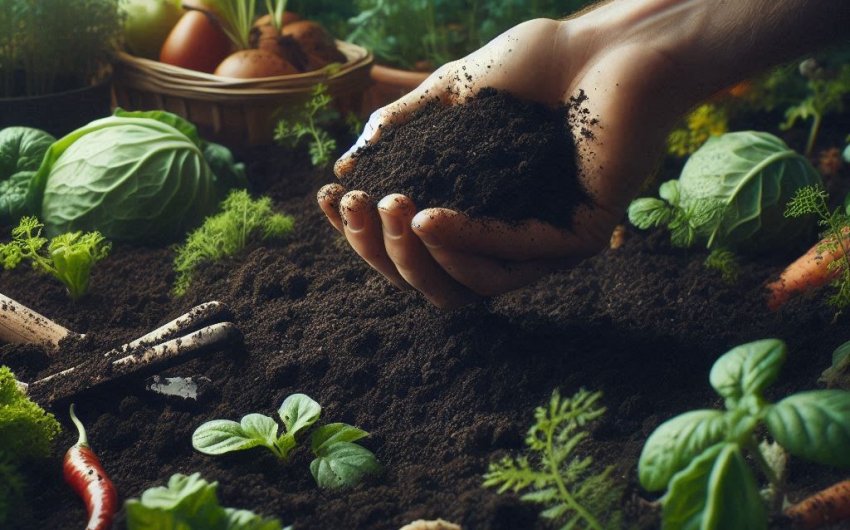
The foundation of any thriving garden lies beneath the surface, within the very earth that nourishes your plants. Understanding how to improve the soil quality in your garden is arguably the most impactful skill a gardener can develop. Healthy soil is a living ecosystem, rich in nutrients, teeming with beneficial microorganisms, and capable of supporting robust plant growth. Whether your soil is sandy, clay, or somewhere in between, there are practical steps you can take to transform it into the "black gold" every plant dreams of.
Why is Soil Quality So Important for Garden Health?
You can buy the healthiest plants and provide them with perfect light and water, but if your soil quality is poor, your garden will inevitably struggle. Soil isn't just dirt; it's a dynamic, complex living system that directly influences every aspect of plant life.
What are the Benefits of Healthy Soil for Plants?
Investing time in improving your soil quality yields immense benefits for your plants:
- Better Nutrient Availability: Healthy soil acts as a nutrient bank. It contains essential macro and micronutrients that plants need for growth, flowering, and fruiting. More importantly, it provides the right environment for these nutrients to be in a form that plant roots can actually absorb. Good soil structure and microbial activity help break down organic matter, releasing nutrients gradually and making them accessible.
- Improved Water Retention and Drainage: This might seem contradictory, but healthy soil has both. It has a good balance of pore spaces: larger ones for quick drainage and aeration, and smaller ones that hold onto moisture like a sponge for plants to access between waterings. This prevents both waterlogging (which suffocates roots) and rapid drying out.
- Stronger Root Development: Roots need to penetrate easily through the soil to find water and nutrients. Healthy soil is friable (crumbly) and well-aerated, allowing roots to grow deep and wide, anchoring the plant firmly and making it more resilient to drought and wind. Compacted, hard soil restricts root growth.
- Enhanced Disease and Pest Resistance: A diverse community of beneficial microorganisms in healthy soil can suppress disease-causing pathogens and even deter some pests. Strong, well-nourished plants are also naturally more resistant to disease. Poor soil often leads to stressed plants that are more vulnerable.
- Reduced Need for Chemical Inputs: When your soil is healthy and fertile, your plants are getting much of what they need naturally. This reduces the reliance on synthetic fertilizers, pesticides, and excessive watering, leading to a more sustainable and environmentally friendly garden.
- Better Yields and More Vibrant Plants: Ultimately, healthy soil translates directly into healthier, more vigorous plants, larger harvests from your vegetables, and more abundant, beautiful blooms from your flowers. It's the silent partner in every successful garden.
How Do You Assess Your Current Soil Quality?
Before you can improve your soil quality, you need to understand what you're starting with. A little assessment can go a long way in guiding your efforts.
What is a Soil Test and Why is it Important?
A soil test is the most accurate and scientific way to understand your current soil quality. It involves sending a sample of your garden soil to a laboratory for analysis.
Why it's important:
- Nutrient Levels: A soil test will tell you the current levels of essential macronutrients (Nitrogen, Phosphorus, Potassium) and often several micronutrients (Iron, Manganese, Zinc, etc.). This helps you know which nutrients are lacking or in excess, so you can apply targeted fertilizers rather than guessing.
- Soil pH: This is perhaps the most crucial piece of information. pH measures how acidic or alkaline your soil is. A pH of 7.0 is neutral; below 7.0 is acidic, and above 7.0 is alkaline. Most plants prefer a slightly acidic to neutral pH (6.0-7.0). pH directly affects nutrient availability; even if nutrients are present, plants can't absorb them if the pH is wrong.
- Organic Matter Content: The test will often tell you the percentage of organic matter in your soil. This is a key indicator of soil health.
- Recommendations: Most professional soil tests provide specific recommendations for amendments (like lime to raise pH, sulfur to lower pH, or specific fertilizers) tailored to your soil and the type of plants you plan to grow.
How to get one: Contact your local university extension office or a reputable garden supply center. They usually provide kits (like Rapitest Soil Test Kit) and instructions on how to take a proper soil sample. This relatively inexpensive step can save you a lot of time and money in the long run by preventing misguided amendment efforts.
How Can You Perform a Simple Home Soil Texture Test?
Even without a lab test, you can get a good idea of your soil texture with a simple home test. This tells you the proportion of sand, silt, and clay in your soil.
The "Jar Test":
- Collect Soil: Take a soil sample from about 6-8 inches deep (after removing any surface debris). Ensure it's representative of your garden bed.
- Fill a Jar: Place about 1 cup of soil into a clear, straight-sided jar with a tight-fitting lid (a mason jar works well).
- Add Water and Shake: Fill the jar almost to the top with water. Add a teaspoon of dish soap (this helps separate particles). Put on the lid tightly and shake the jar vigorously for several minutes until all the soil clumps are broken up and suspended in the water.
- Observe Settling:
- After 1 minute: Observe the bottom layer. This is the sand (largest particles), which settles quickly. Mark its level with a marker.
- After 2 hours: Observe the next layer. This is the silt (medium particles). Mark its level.
- After 24-48 hours: Observe the top layer of settled particles. This is the clay (smallest particles). Mark its level.
- Calculate Proportions: Measure the height of each layer and the total height of all settled soil. Calculate the percentage of each (e.g., sand height / total height x 100).
- Sandy soil: Feels gritty, drains very fast.
- Silty soil: Feels smooth and powdery, drains moderately.
- Clay soil: Feels sticky when wet, hard when dry, drains very slowly.
- Loamy soil: The ideal mix, a balanced proportion of sand, silt, and clay.
This test gives you a visual representation of your soil's composition, which is key to understanding its drainage and water-holding capacity.
What are Visual and Feel Tests for Soil Health?
You can also use your senses to get a quick read on your soil quality:
- Color: Darker soils are generally richer in organic matter. Light, pale soils might indicate a lack of organic content.
- Smell: Healthy soil has a pleasant, earthy, fresh smell. A sour, musty, or rotten odor can indicate poor drainage or anaerobic conditions (lack of oxygen).
- Compaction: Can you easily push a spade or digging fork into the soil? If it's hard and compacted, it lacks aeration.
- Worms: Dig up a handful of soil. Do you see earthworms? The presence of earthworms is a strong indicator of healthy, biologically active soil, as they aerate the soil and break down organic matter.
- Crumb Structure: Take a handful of slightly damp soil and gently squeeze it. Does it form a loose ball that crumbles easily when poked? This is a desirable "crumb" structure, indicating good aeration and organic matter. If it forms a hard, unyielding ball (clay) or falls apart into individual grains (sand), its structure needs improvement.
- Surface Crusting: Does the soil surface form a hard crust after rain or watering? This indicates low organic matter and poor drainage, and can hinder seedling emergence.
These qualitative assessments, combined with a soil test, provide a comprehensive picture of your soil quality.
What is the Most Important Amendment for Soil Quality?
Regardless of your starting point, there's one amendment that universally improves soil quality across all types: organic matter.
Why is Adding Organic Matter Essential?
Adding organic matter (decomposed plant and animal material) to your garden soil is arguably the single most important and effective way to improve its quality and long-term health. It's the magic ingredient that transforms poor soil into fertile ground.
Benefits of adding organic matter:
- Improves Soil Structure:
- In sandy soil: Organic matter acts like a sponge, helping sandy soils retain more water and nutrients, preventing them from leaching away quickly. It binds the loose sand particles together.
- In clay soil: Organic matter creates larger pore spaces, breaking up heavy clay and improving drainage and aeration. It helps separate the tiny clay particles, preventing compaction.
- Feeds Microorganisms: Organic matter is food for the beneficial bacteria, fungi, earthworms, and other microorganisms that are vital for soil health. These microbes break down organic materials, releasing nutrients in a form plants can use, and create a healthy soil food web.
- Increases Nutrient Holding Capacity (CEC): Organic matter has a high Cation Exchange Capacity (CEC), meaning it can "hold onto" nutrients (like a magnet) and prevent them from washing away, releasing them slowly to plant roots.
- Adds Nutrients: As organic matter decomposes, it slowly releases essential plant nutrients, providing a steady supply of food for your plants. It's like a slow-release fertilizer.
- Buffers Soil pH: Organic matter helps to stabilize soil pH, making it less prone to drastic shifts and keeping nutrients available to plants.
- Reduces Compaction: By improving soil structure, organic matter makes the soil more friable and less prone to compaction, allowing roots to grow freely.
What are the Best Sources of Organic Matter?
There are many excellent sources of organic matter to enrich your garden soil:
- Compost: This is the gold standard. Finished compost (like Espoma Organic Compost) is rich in decomposed organic matter, beneficial microbes, and nutrients. It can be dug into garden beds or used as a top dressing. You can make your own compost from kitchen scraps and yard waste.
- Well-Rotted Manure: Manure from herbivores (cows, horses, chickens) is an excellent source of organic matter and nutrients. Ensure it is well-rotted or composted (aged for at least 6 months) to avoid burning plants with fresh manure, which is too "hot" and can contain pathogens or weed seeds.
- Leaf Mold: Decomposed leaves are incredibly valuable. Collect fallen leaves in the fall, shred them, and let them decompose over several months to a year. They create a wonderful, spongy amendment that significantly improves soil structure and water retention.
- Cover Crops (Green Manure): Planting cover crops (like clover, vetch, or rye) in empty garden beds during the off-season, and then tilling them into the soil before they flower, adds a huge amount of organic matter, improves soil structure, and can even add nitrogen (leguminous cover crops).
- Composted Pine Bark: Often available in bags, this provides long-lasting organic matter, particularly good for improving drainage in heavy soils and adding acidity.
- Straw or Hay: These can be worked into the soil, but are often used as a mulch (see next section) and allowed to break down in place.
Aim to add a generous layer (1-3 inches annually) of organic matter, especially compost, to your garden beds. This consistent feeding of the soil will dramatically improve its quality over time.
What Are Other Key Strategies for Improving Soil Quality?
While adding organic matter is paramount, several other practices work in conjunction to further enhance your soil quality and overall garden health.
How Does No-Dig or No-Till Gardening Help?
No-dig or no-till gardening is a method of soil cultivation that minimizes disturbance to the soil. Instead of turning or tilling the soil, you build up garden beds by layering organic materials directly on top of the existing ground.
Benefits of no-dig/no-till:
- Preserves Soil Structure: Tilling can break down the delicate aggregates (clumps of soil particles held together by organic matter and microbial glue), destroying soil structure and disrupting the beneficial soil food web. No-dig preserves this structure.
- Supports Soil Life: It allows earthworms, fungi, bacteria, and other microorganisms to build healthy colonies undisturbed, leading to a more vibrant and effective soil ecosystem.
- Reduces Weed Growth: By not turning over the soil, you avoid bringing dormant weed seeds to the surface where they can germinate.
- Improves Water Retention: Undisturbed soil with layers of organic matter is better at absorbing and holding onto water.
- Less Work: Once established, no-dig beds require less weeding and digging, reducing physical labor.
How to implement: Start by layering cardboard directly over your existing grass or weeds (this acts as a weed barrier). Then, add layers of organic matter: compost, straw, shredded leaves, manure, etc., to build up your bed. You plant directly into this rich, layered material. This method builds soil quality from the top down.
Why is Mulching Beneficial?
Mulching involves applying a layer of organic or inorganic material on top of the soil surface in your garden beds. For improving soil quality, organic mulches are particularly beneficial.
Benefits of mulching:
- Suppresses Weeds: A layer of mulch blocks sunlight, preventing weed seeds from germinating and smothering existing small weeds.
- Conserves Soil Moisture: Mulch acts as a blanket, reducing evaporation from the soil surface, meaning you'll need to water less frequently.
- Regulates Soil Temperature: Mulch insulates the soil, keeping it cooler in summer and warmer in winter, which protects plant roots from extreme temperatures.
- Adds Organic Matter: As organic mulches (like wood chips, straw, shredded leaves, or grass clippings) slowly decompose, they continuously feed the soil, adding valuable organic matter from the top down.
- Prevents Soil Erosion and Compaction: Mulch protects the soil surface from the impact of heavy rain, preventing erosion and keeping the soil loose and aerated.
Best Mulch Materials for Soil Improvement:
- Compost: The best choice, as it's already decomposed and rich in nutrients.
- Shredded Leaves: Free and break down beautifully.
- Straw (not hay): Excellent for vegetable gardens, slowly decomposes.
- Wood Chips/Bark Mulch: Longer lasting, good for perennial beds and paths, but can tie up nitrogen as they break down, so add some compost first.
Apply a 2-4 inch layer of organic mulch around your plants, keeping it a few inches away from stems or trunks. This simple practice significantly improves soil quality over time.
How Do Crop Rotation and Companion Planting Help?
While not direct soil amendments, crop rotation and companion planting are gardening practices that indirectly contribute to soil quality and overall garden health.
Crop Rotation:
- This involves planting different types of crops in different areas of your garden each year, typically on a 3-4 year cycle.
- Benefits for Soil Quality: Different plants draw different nutrients from the soil. Rotating crops prevents the depletion of specific nutrients in one area. It also helps break pest and disease cycles that can build up in the soil if the same plant is grown in the same spot year after year. For example, following a heavy feeder like corn with a nitrogen-fixing legume (like beans or peas) can help replenish nitrogen in the soil.
Companion Planting:
- This involves planting specific combinations of plants together that benefit each other.
- Benefits for Soil Quality: Some companion plants (e.g., legumes like beans or peas) are nitrogen-fixers, meaning they have beneficial bacteria in their roots that convert atmospheric nitrogen into a form usable by plants, enriching the surrounding soil. Others can improve soil structure or deter pests, reducing the need for chemical interventions that might harm soil life. While their direct impact on overall soil quality is less dramatic than organic matter, they contribute to a healthier soil ecosystem by promoting beneficial interactions.
These practices, combined with consistent organic matter addition, build a resilient and fertile garden environment.
What Are Solutions for Specific Soil Problems?
While organic matter is the universal cure, some specific soil challenges might require additional targeted interventions to truly improve soil quality.
How Do You Improve Drainage in Clay Soil?
Clay soil is characterized by very fine particles that pack tightly, leading to poor drainage, waterlogging, and compaction. Improving drainage is key.
- Add Lots of Organic Matter: This is the most important step. Repeatedly incorporate large amounts of compost, well-rotted manure, or composted pine bark into your clay soil. The organic matter creates larger pore spaces, allowing water to move through more easily and preventing compaction.
- Avoid Compaction: Do not walk on or work with clay soil when it's wet, as this will compact it further. Use garden paths and consider raised beds to avoid walking on the soil.
- Double Digging (Carefully): For extremely heavy clay, initial double digging (digging one spade depth, removing soil, loosening the layer below, then returning the topsoil) can help break up hardpans, allowing for deeper incorporation of organic matter. However, this is very labor-intensive and should only be done once or sparingly. Using a broadfork (like a Bully Tools Broadfork) to loosen without turning is a less disruptive alternative.
- Raised Beds: If drainage is severely problematic, building raised garden beds and filling them with a good quality soil mix (often a blend of topsoil, compost, and coarse sand) is an effective way to bypass heavy clay entirely.
Improving clay soil is a long-term process, but consistent addition of organic matter will gradually transform it into rich, workable loam.
How Do You Improve Water Retention in Sandy Soil?
Sandy soil consists of large, coarse particles that allow water to drain very quickly, often leading to nutrient leaching and rapid drying out. Improving water retention is crucial.
- Add Abundant Organic Matter: This is once again the most critical step. Organic matter acts like a sponge, holding onto water and nutrients that would otherwise quickly leach through sandy soil. Continuously incorporate compost, shredded leaves, leaf mold, and well-rotted manure.
- Mulch Heavily: Apply a thick layer (3-4 inches) of organic mulch on top of your sandy soil beds. This dramatically reduces evaporation, keeping the limited moisture in the soil where plant roots can access it.
- Planting in Groups: Grouping plants together can help create a microclimate that retains moisture better than widely spaced individual plants.
- Consider Slow-Release Fertilizers: Because nutrients can leach quickly from sandy soil, using slow-release granular fertilizers (like Osmocote Smart-Release Plant Food) or relying heavily on compost can provide a more consistent nutrient supply.
- Water More Frequently but Deeply: Sandy soils require more frequent watering than clay, but ensure each watering is deep enough to encourage roots to grow downwards.
With consistent additions of organic matter, sandy soil will gradually become more loamy, improving its ability to hold onto precious water and nutrients.
How Do You Adjust Soil pH?
Soil pH directly impacts nutrient availability. If your soil pH is too high (alkaline) or too low (acidic) for your plants, they won't be able to absorb nutrients, even if they are present in the soil, leading to issues like yellowing leaves (chlorosis). A soil test is essential to determine your current pH.
To Raise Soil pH (Make it Less Acidic/More Alkaline):
- Add Agricultural Limestone: This is the most common amendment. It's slow-acting, so apply it in the fall or early spring to give it time to work.
- Dolomitic Limestone: Contains both calcium and magnesium, which can be beneficial.
- Wood Ash: Can raise pH quickly, but use sparingly as it's concentrated.
To Lower Soil pH (Make it Less Alkaline/More Acidic):
- Add Elemental Sulfur: This is a common and effective way to lower pH. It works slowly as soil microbes convert it.
- Add Sphagnum Peat Moss: This is naturally acidic and can help lower pH, while also adding organic matter.
- Add Aluminum Sulfate: Acts quickly, but can be harmful if over-applied.
- Composted Pine Needles or Bark: These break down to create a slightly acidic environment and add organic matter.
- Coffee Grounds: Can also add a bit of acidity over time.
Always follow soil test recommendations for amounts and methods, as over-applying amendments can cause new problems. Adjusting pH is a gradual process and usually requires repeated applications over time.