
What Types of Soil Are Best for Gardening?
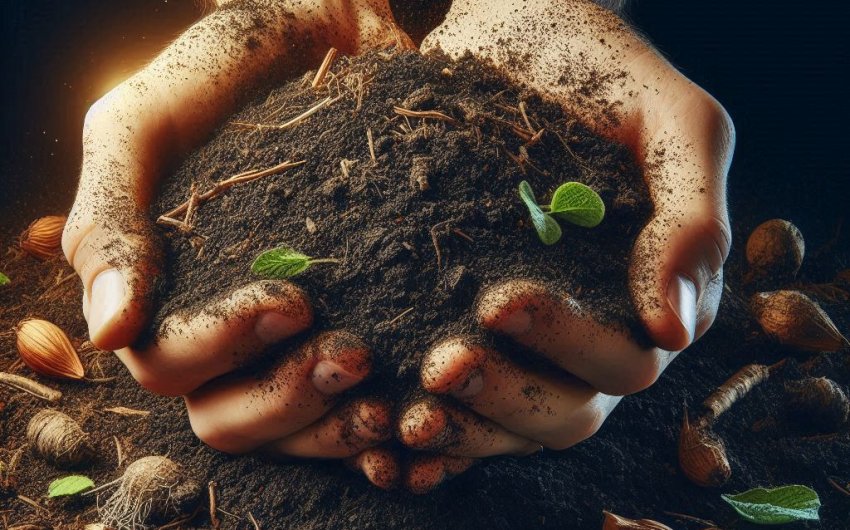
Understanding what types of soil are best for gardening is fundamental to growing thriving plants. The right soil provides essential nutrients, proper drainage, and adequate aeration, creating an ideal environment for roots to flourish. This guide will explore various soil types, their characteristics, and how to improve your garden's foundation for optimal plant health.
What Are the Basic Components of Soil?
Soil is much more than just dirt; it's a complex, living system made up of several key ingredients working together. Knowing these parts helps us understand what types of soil are best for gardening and how to improve them.
Minerals (Inorganic Matter)
These are tiny rock particles that come from weathered rocks over many, many years. They give the soil its basic structure and provide essential nutrients.
Organic Matter
This includes all the living and once-living things in the soil, like decaying plants, leaves, and tiny creatures. Organic matter is super important for soil health, holding water and nutrients like a sponge.
Water
Water fills the spaces between soil particles. Plants need this water to absorb nutrients and grow.
Air
Air also fills the spaces in the soil. Plant roots need oxygen from this air to breathe and stay healthy. Without enough air, roots can "drown."
What Are the Main Soil Types?
Soils are categorized based on the size of their mineral particles. Each type has different strengths and weaknesses, affecting what types of soil are best for gardening for specific plants.
Sandy Soil
Sandy soil has the largest particles. Imagine tiny grains of sand – that’s what it mostly is!
It feels gritty when you rub it between your fingers. Because the particles are big, there are large spaces between them. This means water drains very quickly, and sandy soil dries out fast. Nutrients also wash away easily.
Clay Soil
Clay soil has the smallest particles, like microscopic plates.
It feels smooth, sticky, and can be molded like playdough when wet. When dry, it becomes hard and clumpy. Because the particles are so small and tightly packed, there's little space for air or water to move. This means clay soil holds a lot of water but drains slowly, and roots can struggle to get oxygen.
Silt Soil
Silt soil has medium-sized particles, falling between sand and clay.
It feels smooth and somewhat slippery, like flour, when wet. Silt soils hold water better than sandy soils but drain better than clay soils. They can be very fertile because they hold nutrients well.
Loam Soil
Loam soil is often considered the "gold standard" for gardening because it's a balanced mix of sand, silt, and clay, along with a good amount of organic matter.
It feels soft, crumbly, and somewhat moist. Loam soil combines the best qualities of the other types: it drains well, holds enough moisture, and is rich in nutrients and air spaces. This balance makes it highly versatile for most plants.
Why is Loam Soil Considered Best for Gardening?
Loam soil is widely regarded as the ideal growing medium for most plants due to its balanced composition and excellent physical properties. This balance makes it the answer to what types of soil are best for gardening for many growers.
It has the perfect mix of sand, silt, and clay particles, usually around 40% sand, 40% silt, and 20% clay. This specific blend creates a structure that offers superior benefits for plant health.
Excellent Drainage and Moisture Retention
The sand particles in loam ensure good drainage, preventing roots from sitting in soggy conditions and rotting. At the same time, the silt and clay components, along with organic matter, allow loam to hold onto just enough moisture for plants to absorb over time. This means plants get the water they need without becoming waterlogged.
Good Aeration
The balanced particle sizes in loam create a good network of pore spaces. These spaces allow air to circulate freely around plant roots, providing the essential oxygen they need for respiration and nutrient uptake. Healthy roots lead to healthy plants.
High Fertility
Loam soil is naturally fertile because its texture allows it to retain nutrients effectively, preventing them from washing away too quickly. The presence of organic matter further boosts fertility by slowly releasing nutrients as it decomposes, feeding the plants consistently.
Easy to Work With
Gardeners love loam because it's "friable," meaning it's easy to dig, cultivate, and plant in. It doesn't get too hard when dry, and it's not overly sticky when wet. This makes gardening tasks much simpler and less strenuous.
Supports Microbial Life
The ideal balance of air, water, and organic matter in loam creates a perfect habitat for beneficial soil microorganisms. These tiny creatures are crucial for breaking down organic matter, cycling nutrients, and fighting off plant diseases, all of which contribute to a healthy garden ecosystem.
Can Other Soil Types Be Improved for Gardening?
Absolutely! While loam is the ideal, most gardeners don't start with perfect soil. The good news is that almost any soil type can be improved to become more suitable for gardening. This is key when figuring out what types of soil are best for gardening with what you already have.
The secret weapon for improving any soil, whether it's sandy, clay, or even poor silt, is adding organic matter.
Improving Sandy Soil
Sandy soil is light, drains too quickly, and doesn't hold many nutrients. Plants in sandy soil often struggle with drought and nutrient deficiencies.
- Add Organic Matter: Incorporating large amounts of organic matter is crucial. This acts like a sponge, increasing the soil's ability to hold water and nutrients. Good options include compost, aged manure, shredded leaves, or peat moss.
- Benefits: Organic matter will improve water retention, reduce nutrient leaching, and provide a slow release of nutrients. Over time, it helps sandy soil clump together better, improving its structure.
Improving Clay Soil
Clay soil is dense, heavy, drains poorly, and compacts easily. This can suffocate roots and lead to waterlogging.
- Add Organic Matter: This is even more important for clay than for sand! Organic matter works differently here; it helps break up the tightly packed clay particles.
- How it Works: When organic matter mixes with clay, it creates larger "aggregates" or clumps. This increases the pore spaces in the soil, allowing for better drainage, improved air circulation, and easier root penetration. Use compost, aged manure, or well-rotted straw.
- Avoid Sand: Do NOT add just sand to clay soil. This can create a material similar to concrete when mixed, making the problem worse. Always add organic matter to improve clay.
- Gypsum (Optional): For very heavy clay, some gardeners add gypsum. While not organic matter, gypsum can help clay particles clump together, making the soil more workable. However, it's not a substitute for organic matter and works best in specific soil conditions. A soil test can indicate if gypsum is beneficial for your soil.
Improving Silt Soil
Silt soil is generally fertile but can become compacted and form a crust on the surface, especially after heavy rain. It can also be prone to erosion.
- Add Organic Matter: While silt is closer to loam, adding organic matter still helps improve its structure.
- Benefits: Organic matter will enhance drainage if compaction is an issue, improve aeration, and reduce surface crusting. It also stabilizes the soil, making it less prone to erosion. Compost is an excellent choice.
What is Organic Matter and Why is it So Important?
Organic matter is the cornerstone of healthy soil, making it crucial for determining what types of soil are best for gardening. It refers to all the living, dead, and decomposing materials within the soil.
This includes plant and animal remains, microorganisms (like bacteria and fungi), earthworms, and insects. As these materials break down, they release vital nutrients for plants and improve the soil's physical properties.
Improves Soil Structure
Organic matter acts like a glue in sandy soils, helping tiny particles stick together to form larger clumps, which improves water and nutrient retention. In clay soils, it helps break apart the tiny, tightly packed particles, creating larger spaces for air and water to move through. This leads to a crumbly, workable soil texture that's easy to dig and great for roots.
Enhances Water Retention
Because organic matter can hold many times its weight in water, adding it to any soil type significantly improves its ability to store moisture. This means you won't have to water as often, and your plants will have a more consistent supply of water, especially during dry spells.
Increases Nutrient Availability
As organic matter decomposes, it slowly releases essential plant nutrients such as nitrogen, phosphorus, and potassium. This provides a steady, natural food supply for your plants, reducing the need for synthetic fertilizers. It also helps the soil hold onto nutrients that might otherwise wash away.
Supports Beneficial Microorganisms
Organic matter is the primary food source for a vast array of beneficial soil microorganisms – bacteria, fungi, and other tiny creatures. These microbes play a vital role in breaking down organic materials, cycling nutrients, and even suppressing plant diseases. A thriving microbial community means a healthier, more resilient soil.
Buffers Soil pH
Organic matter helps stabilize soil pH (how acidic or alkaline the soil is). It can help make acidic soils less acidic and alkaline soils less alkaline, bringing the pH closer to the ideal range for most plants (usually between 6.0 and 7.0). This ensures nutrients are more available to plants.
Reduces Compaction
By creating a better soil structure, organic matter makes the soil more resistant to compaction from foot traffic or heavy machinery. Looser soil allows roots to grow deeper and spread out more easily.
Prevents Erosion
The improved structure and water-holding capacity from organic matter help bind soil particles together, making them less likely to be washed away by rain or blown away by wind.
Common Sources of Organic Matter
- Compost: This is decomposed organic material. It's one of the best amendments you can add. You can make your own with a compost tumbler or buy it.
- Aged Manure: Well-rotted animal manure (from cows, horses, chickens) is a nutrient-rich form of organic matter. Make sure it's aged to avoid burning plants with too much nitrogen.
- Leaf Mold: Decomposed leaves create a rich, crumbly organic matter that's excellent for improving soil.
- Cover Crops/Green Manure: Plants grown specifically to be tilled back into the soil, adding organic matter and nutrients.
- Grass Clippings: If left on the lawn, they add organic matter.
- Sawdust/Wood Chips: Use in moderation as they can temporarily tie up nitrogen as they decompose. It's best to compost them first.
Adding a consistent supply of organic matter each year is the single most effective way to improve any garden soil, transforming it into a fertile, well-structured environment that nearly every plant will love. This constant amendment helps answer the question of what types of soil are best for gardening by always improving your existing soil.
How Can You Test Your Soil Type and Health?
Before you can improve your soil, you need to know what you're working with. Testing your soil is a simple process that provides valuable insights into its type, nutrient levels, and overall health. This information is key to understanding what types of soil are best for gardening in your specific location.
The Jar Test (for Soil Texture)
This simple test helps you estimate the proportions of sand, silt, and clay in your soil.
- Collect a Sample: Grab a handful of soil from your garden bed (remove any large rocks or organic bits like leaves).
- Fill a Jar: Place about 1 cup of soil into a clear, straight-sided jar (like a mason jar).
- Add Water: Fill the jar almost to the top with water.
- Add Dish Soap (Optional): Add a teaspoon of liquid dish soap. This helps break apart the soil clumps.
- Shake Well: Put the lid on tightly and shake the jar vigorously for a few minutes until all the soil is mixed into the water.
- Settle and Observe:
- After 1 minute: The largest particles, sand, will settle at the bottom. Mark this layer.
- After 2 hours: The next layer, silt, will settle on top of the sand. Mark this layer.
- After 24-48 hours: The smallest particles, clay, will settle on top of the silt, possibly forming a cloudy layer that takes longer to clear. The very top might have floating organic matter. Mark the clay layer.
- Interpret Results: Measure the thickness of each layer. The proportions will tell you your soil's dominant texture (e.g., mostly sand, mostly clay, or a good mix indicating loam).
The Squeeze Test (for Soil Feel)
This is a quick, hands-on way to get a sense of your soil's texture.
- Grab a Sample: Take a small handful of soil.
- Add Water: Slowly add a few drops of water, mixing until it's just moist enough to hold together. Don't make it muddy.
- Squeeze: Squeeze the soil firmly in your fist.
- Observe:
- Sandy Soil: Crumbles apart immediately when you open your hand. Feels gritty.
- Silt Soil: Holds together loosely, feels smooth and velvety, like wet flour. It might stay together when poked gently.
- Clay Soil: Forms a sticky, solid ball that retains its shape well and feels slick. You can usually roll it into a long "ribbon" without it breaking.
- Loam Soil: Forms a loose ball that crumbles easily when poked or dropped. It feels slightly gritty but also somewhat smooth, and it's not sticky.
Soil pH and Nutrient Test Kits
While the jar and squeeze tests tell you about soil texture, they don't reveal its chemical properties. For that, you'll need a soil test kit.
- Home Test Kits: You can purchase simple soil test kits online or at garden centers. These typically involve mixing a soil sample with a solution and comparing the color change to a chart to determine pH levels and basic nutrient levels (nitrogen, phosphorus, potassium). They're good for a quick overview.
- Professional Soil Testing (Recommended): For the most accurate and detailed analysis, send a soil sample to your local university extension office or a private soil testing laboratory.
- How it Works: They will provide instructions on how to collect a representative soil sample (usually from several spots in your garden, mixed together).
- What You Get: The results will give you precise pH readings, detailed nutrient levels, and often recommendations for specific amendments (like lime to adjust pH or fertilizers to correct deficiencies) based on what you plan to grow. This is invaluable information for long-term soil health.
By conducting these tests, you'll gain a clear picture of your garden's current soil status. This knowledge is your first step towards making informed decisions about amendments and cultivation practices, leading you to discover what types of soil are best for gardening in your own backyard.
What Are Soil Amendments and How Do They Help?
Soil amendments are materials added to the soil to improve its physical or chemical properties, not necessarily to provide nutrients directly (though many do both). They are key to transforming less-than-ideal soils into environments where plants can truly thrive, helping you achieve what types of soil are best for gardening.
Organic Amendments
These come from living or once-living materials and are the most common and beneficial type of amendment for overall soil health.
- Compost: The gold standard. Decomposed organic matter that improves soil structure, water retention, drainage, and nutrient availability. Use generously, mixing into beds or top-dressing. A compost spreader can make application easier.
- Aged Manure: Livestock manure that has been allowed to decompose for several months or years. It's rich in nutrients and organic matter, improving soil structure. Use aged manure to avoid burning plants with fresh manure.
- Peat Moss: Decomposed sphagnum moss. Excellent for improving water retention in sandy soils and lightening heavy clay soils. It's naturally acidic, so consider its effect on soil pH. A large bale of compressed peat moss goes a long way.
- Leaf Mold: Decomposed leaves. Similar to compost, it improves soil structure and water retention. Easy to make by simply composting fallen leaves.
- Composted Pine Bark/Wood Chips: These are acidic and break down slowly, good for improving drainage and aeration in heavy soils. Best for acid-loving plants or when pH adjustment isn't a concern.
- Grass Clippings: If not left on the lawn, they can be added to garden beds as a surface mulch or lightly mixed in. Ensure they haven't been treated with herbicides.
Inorganic Amendments
These are non-living, mineral-based materials used to alter specific soil properties.
- Sand: Only add sand to clay soil in very specific circumstances and in large quantities along with significant organic matter. Adding only a small amount of sand to clay can make it even harder, like concrete. Use coarse, sharp sand, not play sand.
- Perlite: Lightweight, white, volcanic glass. It creates air pockets in soil, improving drainage and aeration, especially in potting mixes or raised beds. It also helps with water retention. Perlite is often mixed with potting soil.
- Vermiculite: A mica-based mineral that expands when heated. It improves both water retention and aeration. It's often used in seed-starting mixes because it holds moisture well. A bag of vermiculite is useful for many garden tasks.
- Gypsum: Calcium sulfate. It can help improve the structure of very heavy, sodic (high sodium) clay soils by helping clay particles clump together. It doesn't affect pH significantly. Only use if a soil test indicates it's needed for clay improvement.
- Limestone (Lime): Used to raise soil pH (make it less acidic). Available as dolomitic lime (contains magnesium) or calcitic lime (mostly calcium). Apply based on soil test recommendations.
- Sulfur: Used to lower soil pH (make it more acidic). Elemental sulfur is slow-acting. Often used for acid-loving plants like blueberries or rhododendrons in alkaline soils. A bag of garden sulfur can help.
How to Use Amendments
- Soil Test First: Always start with a soil test to understand your specific needs. Don't just add amendments randomly.
- Mix Thoroughly: For garden beds, spread amendments evenly over the soil surface and then mix them into the top 6-12 inches using a garden fork or tiller.
- Start Small: If unsure, begin with a conservative amount and observe the results. You can always add more later.
- Consistency: Soil improvement is an ongoing process, especially with organic matter. Regular additions will lead to long-term benefits.
By understanding and utilizing soil amendments, you can transform almost any ground into a more hospitable environment, leading you closer to achieving what types of soil are best for gardening right in your own backyard.
What is Soil pH and Why is it Important for Plants?
Soil pH is a measure of how acidic or alkaline (basic) your soil is. It's a critical factor for plant health because it affects how easily plants can access the nutrients they need to grow. Understanding pH is essential for determining what types of soil are best for gardening for your specific plants.
The pH scale ranges from 0 to 14:
- 0-6.9: Acidic (e.g., vinegar, lemon juice)
- 7.0: Neutral (pure water)
- 7.1-14: Alkaline or Basic (e.g., baking soda, bleach)
Most garden plants prefer a slightly acidic to neutral soil, generally in the range of 6.0 to 7.0.
How pH Affects Nutrient Availability
The primary reason pH is so important is its impact on nutrient availability. Essential nutrients like nitrogen, phosphorus, potassium, iron, and manganese are only soluble and accessible to plant roots within specific pH ranges.
- Acidic Soil (Low pH): In very acidic soils, some nutrients like phosphorus and molybdenum can become "locked up" and unavailable, even if they are present in the soil. On the other hand, some micronutrients like aluminum and manganese can become too available, potentially reaching toxic levels.
- Alkaline Soil (High pH): In highly alkaline soils, nutrients like iron, zinc, boron, and manganese can become unavailable to plants, leading to deficiencies. This is often seen as yellowing leaves (chlorosis).
- Optimal Range: When the pH is in the optimal range (6.0-7.0 for most plants), the widest array of essential nutrients is available in balanced amounts, allowing plants to absorb what they need for healthy growth.
Symptoms of Incorrect pH
- Stunted Growth: Plants grow slowly and appear weak.
- Yellowing Leaves (Chlorosis): Often a sign of nutrient deficiencies (like iron deficiency in high pH soil) or nutrient toxicity (like manganese toxicity in low pH soil).
- Poor Flowering or Fruiting: Plants may not produce as many flowers or fruits as expected.
- Increased Disease Susceptibility: Weakened plants are more vulnerable to pests and diseases.
Adjusting Soil pH
Adjusting soil pH is a gradual process and should always be done based on a soil test.
- To Raise pH (Make Soil Less Acidic/More Alkaline):
- Add lime (calcium carbonate or dolomitic limestone). Dolomitic lime also adds magnesium. Apply in the fall or early spring. The amount depends on your current pH and desired change. Use a lime spreader for even application.
- To Lower pH (Make Soil More Acidic/Less Alkaline):
- Add elemental sulfur or aluminum sulfate. Sulfur works slowly as soil microbes convert it to sulfuric acid. Aluminum sulfate works faster but can lead to aluminum toxicity if overused.
- Incorporate acidic organic matter like peat moss or composted pine needles/bark. This is a slower, gentler method.
Remember that different plants have different pH preferences. Blueberries, azaleas, and rhododendrons, for example, are "acid-lovers" and prefer a much lower pH (4.5-5.5). Most vegetables, however, thrive in the 6.0-7.0 range. A soil test is your best guide for managing soil pH and ensuring you have what types of soil are best for gardening for your chosen plants.
What is a Healthy Soil Food Web?
A healthy soil is teeming with life, much of which is invisible to the naked eye. This intricate network of organisms, from tiny bacteria and fungi to earthworms and insects, forms what gardeners call the soil food web. Understanding this web is fundamental to creating what types of soil are best for gardening.
The soil food web describes the complex interactions between organisms living in the soil and how they contribute to breaking down organic matter, cycling nutrients, and supporting plant growth. It's a vast ecosystem beneath our feet.
Key Players in the Soil Food Web
Decomposers (Bacteria and Fungi): These are the most numerous and vital members.
- Bacteria: Tiny, single-celled organisms that break down simple organic compounds. They are crucial for nitrogen cycling.
- Fungi: Including mycorrhizal fungi that form partnerships with plant roots (helping roots absorb water and nutrients) and saprophytic fungi that break down tougher organic matter like wood.
- Role: They decompose organic matter, releasing nutrients in forms plants can use. They also create "glues" that bind soil particles into healthy aggregates.
Microfauna (Protozoa and Nematodes):
- Protozoa: Single-celled organisms that feed on bacteria, releasing excess nitrogen in a form plants can readily absorb.
- Nematodes: Microscopic worms. Some are beneficial, feeding on bacteria, fungi, or even pest insects. Others can be plant parasites, but a balanced soil food web usually keeps them in check.
- Role: They regulate bacterial and fungal populations and play a crucial role in nutrient cycling.
Macrofauna (Earthworms, Arthropods, etc.):
- Earthworms: Nature's tillers! They burrow through the soil, creating channels for air and water. They consume organic matter and soil, and their castings (excrement) are rich in nutrients and beneficial microbes. A strong earthworm population is a sign of healthy soil.
- Arthropods: Insects (like beetles, ants), spiders, mites, and centipedes that break down larger pieces of organic matter, mix the soil, and some also prey on pests.
- Role: They aerate and loosen the soil, incorporate organic matter, and contribute to decomposition and nutrient cycling.
Why a Healthy Soil Food Web Matters for Gardening
- Nutrient Cycling: The soil food web is the engine of nutrient cycling. Microbes break down organic matter, converting nutrients from complex forms into simpler ones that plants can absorb. This reduces the need for synthetic fertilizers.
- Improved Soil Structure: Microbes create "glues" that bind soil particles into stable aggregates (clumps). This gives soil a crumbly, open texture (like loam) that allows for excellent air circulation, water infiltration, and root growth. Earthworm tunnels further enhance this.
- Disease Suppression: A diverse and robust soil food web can suppress plant diseases by outcompeting harmful pathogens for resources or by directly preying on them. Healthy soil microbes act as a natural defense system.
- Water Infiltration and Retention: Good soil structure, a result of microbial activity and earthworm tunneling, means water can penetrate the soil easily and be held effectively, reducing runoff and improving drought resistance.
- Reduced Compaction: The activity of soil organisms helps keep the soil loose and friable, making it less prone to compaction.
How to Foster a Healthy Soil Food Web
The best way to support a thriving soil food web is to feed it!
- Add Organic Matter Consistently: This is their food source. Regularly incorporate compost, aged manure, and other organic materials into your garden beds.
- Minimize Tillage: Excessive tilling disrupts the delicate soil structure and can harm beneficial microorganisms and earthworms. Opt for no-till or minimum-till methods where possible.
- Avoid Synthetic Chemicals: Many synthetic fertilizers, pesticides, and herbicides can be harmful to beneficial soil microbes and earthworms. Choose organic alternatives when possible.
- Mulch: Apply a layer of organic mulch (wood chips, straw, leaves) over the soil surface. This protects the soil, moderates temperature, conserves moisture, and provides a slow release of organic matter as it decomposes, feeding the soil food web.
- Maintain Appropriate Moisture: Keep the soil consistently moist, but not waterlogged. Extreme dryness or wetness can harm microbial populations.
By focusing on nurturing the soil food web, you're not just adding amendments; you're building a living, self-sustaining system that continually works to create and maintain what types of soil are best for gardening – a rich, fertile, and vibrant foundation for all your plants.
What are the Best Practices for Garden Soil Management?
Effective soil management is an ongoing process, not a one-time fix. By adopting consistent best practices, you can continually improve and maintain your garden's soil health, ensuring it remains among what types of soil are best for gardening for years to come.
1. Conduct Regular Soil Tests
- Frequency: Aim for a comprehensive soil test every 3-5 years, or more frequently if you're making significant changes or experiencing persistent plant problems.
- Why it Helps: Tests reveal your soil's current nutrient levels, organic matter content, and pH. This data is crucial for making informed decisions about which amendments to add and in what quantities, preventing over-application or nutrient imbalances. You can get a soil test kit or send a sample to a lab.
2. Prioritize Organic Matter
- Continuous Addition: This is the single most important practice. Add compost, aged manure, leaf mold, or other organic materials to your garden beds every year, ideally in the fall or spring.
- Methods: Mix it into the top few inches of soil before planting, or simply spread a layer on top as a "top-dressing" and let earthworms and other soil life incorporate it.
- Benefits: Organic matter improves soil structure, water retention, drainage, nutrient availability, and supports a healthy soil food web, transforming even challenging soils into the kind of soil that are best for gardening.
3. Mulch, Mulch, Mulch!
- Layer it On: Apply a 2-4 inch layer of organic mulch (like straw, shredded leaves, wood chips, or shredded bark) over the soil surface around your plants.
- Advantages:
- Moisture Conservation: Reduces water evaporation, meaning you water less often.
- Weed Suppression: Blocks sunlight, preventing weed seeds from germinating.
- Temperature Regulation: Keeps soil cooler in summer and warmer in winter.
- Soil Improvement: As organic mulch breaks down, it adds more organic matter to the soil, feeding the soil food web.
- Erosion Control: Protects the soil surface from the impact of rain and wind.
- A mulching fork can make spreading mulch easier.
4. Minimize Soil Disturbance (No-Till/Reduced-Till)
- Avoid Excessive Tilling: While initial tilling may be necessary to incorporate amendments in new beds, avoid deep, aggressive tilling every year.
- Why: Tilling breaks down soil aggregates, disrupts the delicate networks of fungi, kills earthworms, and can lead to compaction over time.
- Alternative: Opt for broadforking (using a broadfork to loosen soil without inverting layers) or simply top-dressing with compost to allow natural processes to improve the soil.
5. Rotate Crops
- Shift Plant Locations: Don't grow the same type of plant in the exact same spot year after year.
- Benefits:
- Nutrient Balance: Different plants have different nutrient needs. Rotation helps balance nutrient removal from the soil.
- Pest and Disease Control: Breaks the life cycles of soil-borne pests and diseases that might build up if a host plant is always present.
6. Water Wisely
- Deep and Infrequent: Water deeply to encourage deep root growth, then allow the top few inches of soil to dry out before watering again.
- Avoid Overwatering: Too much water can lead to waterlogged, oxygen-depleted soil and root rot.
7. Consider Cover Crops
- Plant When Beds are Empty: In vegetable gardens, plant cover crops (also known as "green manure") like clover, vetch, or rye during off-seasons (e.g., after fall harvest).
- Advantages:
- Add Organic Matter: When tilled into the soil or simply "chopped and dropped," they add valuable organic matter.
- Prevent Erosion: Protect bare soil from rain and wind.
- Suppress Weeds: Outcompete weeds during the off-season.
- Improve Structure: Their roots help break up compacted soil.
- Nitrogen Fixation: Leguminous cover crops (like clover) add nitrogen to the soil.
- You can find cover crop seeds at garden supply stores.
By consistently applying these best practices, you won't just improve your garden soil; you'll cultivate a vibrant, living ecosystem beneath your plants. This dedication to healthy soil is the most reliable way to ensure you're always growing in what types of soil are best for gardening for maximum productivity and plant vitality.