
How Can I Test the pH Level of My Garden Soil?
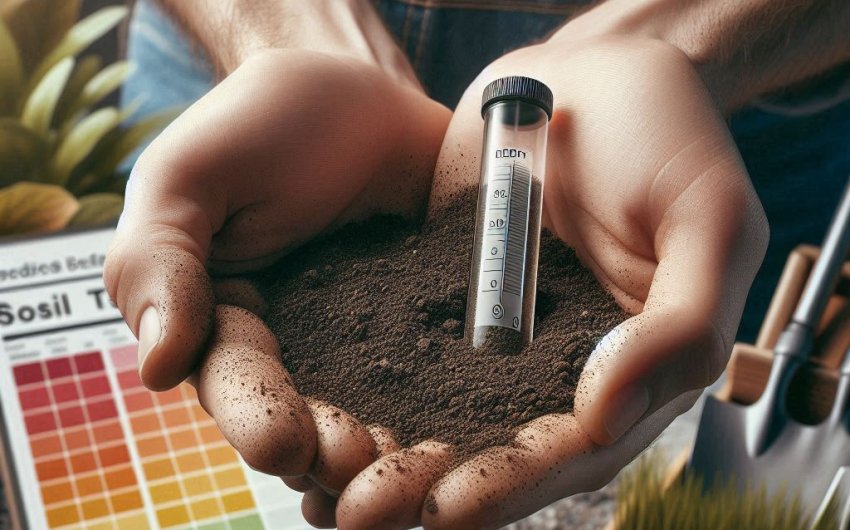
Understanding your garden's foundation is crucial for plant health, leading many gardeners to ask, "How can I test the pH level of my garden soil?" Soil pH, a measure of acidity or alkalinity, profoundly influences nutrient availability and microbial activity, directly affecting how well plants can absorb essential elements. Fortunately, several reliable methods exist to assess this vital soil characteristic, ranging from simple DIY tests to more precise laboratory analyses, empowering gardeners to create optimal growing conditions for their beloved plants.
Why is testing soil pH important for gardening?
Testing your soil pH is one of the most fundamental steps in successful gardening. It provides crucial insight into your soil's chemical properties, directly impacting how well your plants can access the nutrients they need to grow. Without knowing your soil's pH, you might be unknowingly limiting your plants' potential, even if you're consistently fertilizing.
Soil pH is a measure of the acidity or alkalinity of the soil, expressed on a scale from 0 to 14. A pH of 7.0 is considered neutral. Values below 7.0 are acidic, and values above 7.0 are alkaline (or basic). Most garden plants prefer a slightly acidic to neutral pH range, typically between 6.0 and 7.0. However, some plants, like blueberries or azaleas, prefer more acidic conditions (pH 4.5-5.5), while others, like lavender or lilacs, prefer slightly alkaline conditions (pH 7.0-8.0).
The primary reason soil pH is so important is its effect on nutrient availability. Even if your soil contains all the necessary nutrients, if the pH is out of the optimal range for your plants, those nutrients can become "locked up" and unavailable for uptake by plant roots. For example, in highly acidic soils, essential nutrients like phosphorus, calcium, and magnesium become less available, while aluminum and manganese can become toxic. In highly alkaline soils, micronutrients like iron, zinc, and manganese become less soluble and thus less available to plants, often leading to nutrient deficiencies despite their presence in the soil.
Furthermore, soil pH influences the activity of beneficial soil microorganisms, which play a vital role in breaking down organic matter and converting nutrients into forms usable by plants. Extreme pH levels can inhibit these microbial communities, slowing down nutrient cycling and overall soil health. Knowing your soil pH allows you to make informed decisions about amendments, ensuring your plants receive the optimal conditions for thriving.
What are the easiest DIY methods to test soil pH?
For gardeners looking for a quick and inexpensive way to get a general idea of their soil's pH, several DIY methods using common household items can provide a rough estimate. While these methods aren't as precise as professional tests, they can help you determine if your soil is distinctly acidic, alkaline, or relatively neutral, guiding your initial steps in soil amendment. They are particularly useful for confirming extreme pH levels.
How do I use the vinegar and baking soda test?
This classic two-part test helps determine if your soil is strongly acidic or strongly alkaline. It relies on the chemical reactions (fizzing) that occur when acids and bases interact.
- Collect Soil Samples: Gather a few separate soil samples from different areas of your garden where you plan to test. Take samples from about 4-6 inches deep, removing any surface debris like grass or mulch.
- Separate Samples: Place about 2 tablespoons of soil into two separate, clean containers or small bowls.
- Baking Soda Test (for acidity): In the first container, add about 1/2 cup of distilled water to the soil and mix it into a muddy paste. Then, add 1/2 cup of baking soda (baking soda).
- If it fizzes or bubbles: Your soil is likely acidic (pH 5.0-6.0 range). The more vigorous the fizzing, the more acidic it likely is.
- Vinegar Test (for alkalinity): In the second container, add 1/2 cup of distilled water to the soil and mix it into a muddy paste. Then, add 1/2 cup of white vinegar (white vinegar).
- If it fizzes or bubbles: Your soil is likely alkaline (pH 7.5-8.5 range). Again, the more vigorous the fizzing, the more alkaline it likely is.
- No Reaction: If neither test produces a significant reaction, your soil is likely close to neutral (pH 6.5-7.0).
Why it works: Baking soda (sodium bicarbonate) is a base. If it fizzes when mixed with soil, it means there's an acid present in the soil reacting with the base. Vinegar (acetic acid) is an acid. If it fizzes with soil, it means there's a base present in the soil reacting with the acid. While quick, this test only gives you a broad acidic/alkaline indication, not an exact pH number.
Can I use the red cabbage juice test?
The red cabbage juice test is a slightly more sophisticated DIY method that can give you a visual indication of a broader pH range, similar to a litmus paper test. Red cabbage contains a pigment called anthocyanin, which changes color depending on the pH level of its surroundings.
- Prepare Cabbage Juice: Chop about 1 cup of red cabbage (red cabbage) and place it in a blender or saucepan. Add 2 cups of distilled water.
- Blender Method: Blend until smooth, then strain the liquid through a fine sieve or cheesecloth to remove solids.
- Saucepan Method: Bring to a boil, then simmer for about 10 minutes until the water is deeply colored. Let cool, then strain.
- The resulting liquid should be a deep purple or blue color. This is your pH indicator solution.
- Collect Soil Samples: As with the previous test, collect several small soil samples from different areas of your garden, about 4-6 inches deep.
- Mix with Soil: Place about 2 tablespoons of soil into a clear glass or jar. Add enough of the red cabbage juice (about 1/2 cup) to saturate the soil and form a slurry. Mix thoroughly and let it sit for at least 30 minutes, or up to an hour, allowing the soil to react with the juice.
- Observe Color Change: The color of the liquid in the jar will indicate your soil's pH:
- Deep Red/Pink: Very acidic (pH 4.0-5.0)
- Pinkish-Purple: Moderately acidic (pH 5.0-6.0)
- Purple/Blue: Neutral (pH 6.0-7.0)
- Blue-Green: Slightly alkaline (pH 7.0-8.0)
- Green/Yellow-Green: Moderately to very alkaline (pH 8.0+)
- Compare to Chart: You can create a comparison chart beforehand by adding small amounts of known acidic (lemon juice, vinegar) and basic (baking soda solution, liquid soap) substances to separate portions of cabbage juice to see the full color spectrum.
The red cabbage test is a fun and visual way to get a slightly more nuanced understanding of your soil's pH than the baking soda/vinegar test alone. While still not laboratory-precise, it's a great educational tool and a good first step for identifying major pH imbalances.
What are the advantages and disadvantages of using a pH test kit?
pH test kits, widely available at garden centers and online, offer a convenient and relatively accurate way to measure your soil's pH level at home. They bridge the gap between simple DIY methods and professional lab tests, providing a numerical reading rather than just a qualitative assessment. Understanding their advantages and disadvantages helps you decide if they're the right tool for your gardening needs.
What are the advantages of a pH test kit?
- Numerical Reading: Unlike the fizzing tests, most pH test kits provide a specific numerical value (e.g., pH 6.5), which is much more useful for making precise soil amendments. This allows you to tailor your approach to raising or lowering pH more accurately.
- Ease of Use: pH test kits are generally straightforward to use. They typically involve collecting a soil sample, mixing it with distilled water, and then adding a chemical indicator or inserting a probe. The instructions are usually clear and easy to follow.
- Quick Results: You can get results within minutes to a few hours, depending on the type of kit. This allows for immediate assessment and planning.
- Relatively Inexpensive: Compared to professional lab tests, home pH test kits are quite affordable, making them accessible to most gardeners. You can find a basic soil pH test kit for a reasonable price.
- Repeatability (within limits): You can use the kit multiple times in different areas of your garden or retest after applying amendments to monitor changes over time.
What types of pH test kits are there?
There are generally two main types of home pH test kits:
- Liquid Reagent Kits (Colorimetric Kits): These kits typically come with a test tube or vial, a liquid reagent, and a color chart. You mix a small amount of soil with distilled water in the tube, add a few drops of the reagent, shake, and then compare the resulting color of the liquid to a provided color chart to determine the pH. They are generally accurate enough for home gardening purposes and widely available. Brands like Luster Leaf Rapitest Soil Test Kit are popular examples.
- Probe Meters (Digital or Analog): These kits feature a metal probe that you insert directly into moist soil.
- Analog meters have a needle that points to the pH reading on a dial. They are very easy to use but often considered less accurate and can be sensitive to soil moisture levels. Look for a 3-in-1 soil meter that also measures moisture and light.
- Digital meters provide a numerical reading on an LCD screen. They can be more precise but often require calibration with buffer solutions for accuracy over time. A digital soil pH meter can offer good precision if properly maintained.
What are the disadvantages of a pH test kit?
- Accuracy Varies: While better than DIY methods, the accuracy of home pH test kits can vary significantly, especially with cheaper models. Digital meters can drift out of calibration, and colorimetric kits rely on subjective color matching. They are rarely as precise as laboratory tests.
- Requires Distilled Water: For the most accurate results with liquid reagent kits, you must use distilled water (distilled water for testing). Tap water often has its own pH, which can skew results.
- Not Comprehensive: pH test kits only measure pH. They do not provide information on essential nutrient levels (nitrogen, phosphorus, potassium, micronutrients), organic matter content, or soil texture, which are also vital for plant health. This limits their usefulness for a full soil analysis.
- Probe Meters Can Be Tricky: Analog probe meters can be easily influenced by soil moisture and residual salts, leading to unreliable readings. Digital probes require cleaning and recalibration to maintain accuracy, which some users might find cumbersome.
- Limited Lifespan: Liquid reagents can degrade over time, especially if exposed to light or air, leading to inaccurate results. Probes can also wear out.
For a basic understanding of your soil's pH and for quick, iterative checks, a good quality pH test kit is a valuable tool. However, for a comprehensive understanding of your soil's needs, especially if you're experiencing persistent plant problems, a professional lab test is usually recommended as the next step.
What are the benefits of a professional soil lab test?
While home tests provide a convenient snapshot, sending your soil samples to a professional soil lab (often through your local university extension office) offers the most comprehensive, accurate, and reliable way to test your soil's pH and overall health. This method provides detailed insights that are invaluable for serious gardeners and those troubleshooting persistent plant problems, giving you a scientific foundation for effective soil management.
A professional lab uses specialized equipment and standardized procedures to analyze your soil, minimizing human error and providing precise data that home kits simply cannot match.
Why is a professional lab test more accurate?
- Precision and Reliability: Lab equipment, such as pH meters that are regularly calibrated, spectrophotometers, and gas chromatographs, provides highly accurate and precise measurements. This removes the subjectivity of color matching or the inconsistencies of home probe meters. Labs follow strict protocols to ensure reliable results.
- Comprehensive Analysis: Beyond just pH, a professional soil test typically provides a detailed breakdown of many other crucial soil characteristics:
- Macronutrients: Levels of Nitrogen (N), Phosphorus (P), and Potassium (K).
- Micronutrients: Levels of essential trace elements like iron, manganese, zinc, copper, boron, and molybdenum.
- Organic Matter Content: The percentage of organic material in your soil, which is vital for soil structure, water retention, and nutrient availability.
- Cation Exchange Capacity (CEC): A measure of the soil's ability to hold onto and supply nutrients, indicating its fertility potential.
- Soil Texture: Often a classification of your soil as sandy, silty, clayey, or a loam, which affects drainage and water retention.
- Salinity: In some regions, a measure of soluble salts, which can inhibit plant growth.
- Tailored Recommendations: Perhaps the greatest benefit is that a reputable lab report will not only give you the numbers but also provide specific, customized recommendations for how to amend your soil based on the plants you plan to grow. This might include:
- The exact amount of lime (for acidic soil) or sulfur (for alkaline soil) needed to adjust pH.
- Specific fertilizer recommendations (N-P-K ratios) and application rates to correct nutrient deficiencies.
- Suggestions for adding organic compost or other soil conditioners.
How do I collect soil samples for a lab test?
Proper sample collection is paramount, as the lab analysis is only as good as the sample you provide.
- Tools Needed: You'll need a clean garden trowel or soil probe, a clean bucket (garden bucket), and plastic bags or the specific sample bags provided by the lab.
- Sample Multiple Areas: Do not take just one sample. Your garden soil can vary significantly in pH and nutrient content even within a small area. Collect 10-15 random subsamples from the area you want to test (e.g., your vegetable garden, a flower bed, or lawn). Avoid unusual spots like near a compost pile, under eaves, or next to a treated wooden fence.
- Correct Depth: For most garden beds and lawns, collect samples to a depth of about 6 inches (or 4 inches for shallow-rooted lawns). Scrape away any surface debris (grass, mulch, thatch) before digging.
- Mix Samples: Place all the subsamples from one specific area into the clean bucket. Thoroughly mix them together to create one composite sample that represents the average soil conditions for that area.
- Dry and Prepare: Allow the composite soil sample to air dry (do not use heat, like an oven, as this can alter chemical properties) on a clean surface, then crush any clumps. Once dry, place the recommended amount (usually about 1-2 cups) into the lab's provided sample bag or a clean plastic bag.
- Label Clearly: Label your sample bag with your name, address, and a clear description of the sample area (e.g., "front vegetable garden," "side flower bed").
- Submit to Lab: Follow the specific instructions from your local university extension office or private soil testing lab regarding submission fees, forms, and shipping. Most extension offices have an outreach program where you can drop off samples.
How much does a professional lab test cost?
The cost of a professional soil test is usually quite affordable, especially considering the comprehensive information and tailored recommendations you receive. Basic tests for pH and major nutrients often range from $15 to $30. More detailed tests that include micronutrients or organic matter analysis might cost slightly more. This small investment can save you money in the long run by preventing over-fertilization, wasted amendments, and unproductive plant growth.
While it takes longer to get results (typically 1-3 weeks), the depth of information from a professional soil lab test makes it the superior choice for understanding and optimally managing your garden soil.