
What Are the Benefits of Organic Soil Gardening?
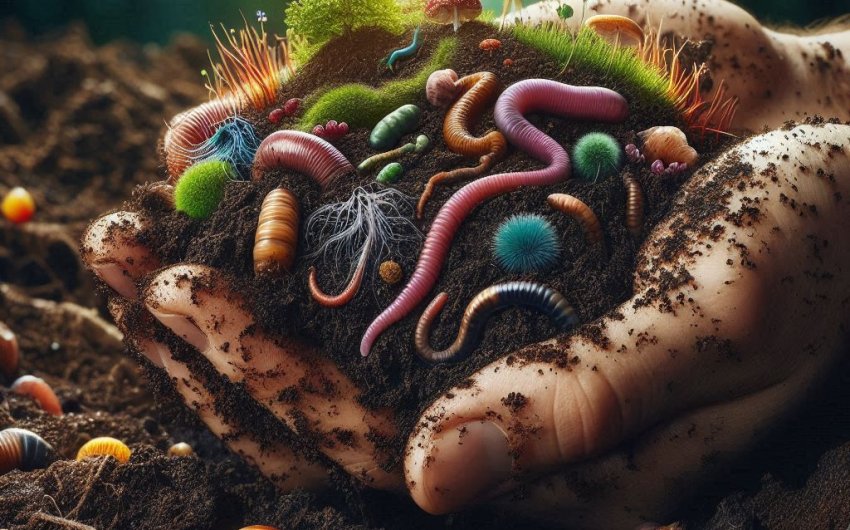
Embracing organic soil gardening offers a transformative approach to cultivating your plants, moving beyond simple feeding to nurturing a vibrant, living ecosystem beneath the surface. This method prioritizes the health and fertility of the soil itself, rather than solely relying on external chemical inputs. The benefits of organic soil gardening extend far beyond bountiful harvests, impacting the environment, the quality of your produce, and the long-term sustainability of your garden.
What is Organic Soil Gardening?
Organic soil gardening is a holistic approach to growing plants that emphasizes building and maintaining the health of the soil through natural means, rather than relying on synthetic chemicals. It views the soil not merely as a inert medium, but as a complex, living ecosystem teeming with beneficial microorganisms, fungi, and invertebrates that are essential for plant growth. The focus is on feeding the soil life, which in turn feeds the plants.
Principles of Organic Soil Gardening
At its core, organic soil gardening adheres to several key principles:
- Soil Health First: The primary goal is to foster a rich, diverse, and biologically active soil.
- No Synthetic Chemicals: Avoids synthetic fertilizers, pesticides, herbicides, and genetically modified organisms (GMOs).
- Nourish the Soil Food Web: Encourages the proliferation of beneficial microorganisms, fungi, and earthworms that break down organic matter and make nutrients available to plants.
- Sustainability: Focuses on practices that are environmentally sound, conserve natural resources, and reduce pollution.
- Preventative Measures: Prioritizes preventing problems (pests, diseases) through healthy soil and resilient plants, rather than reacting with chemical treatments.
- Biodiversity: Promotes a wide variety of plant and animal life both above and below ground.
How Does it Differ from Conventional Gardening?
The fundamental difference between organic soil gardening and conventional methods lies in their approach to soil and plant nutrition.
| Feature | Organic Soil Gardening | Conventional Gardening |
|---|---|---|
| Soil Focus | Feeds the soil life; builds long-term soil health. | Feeds the plant directly; often overlooks soil biology. |
| Nutrient Source | Organic matter (compost, manure), natural minerals. | Synthetic, chemical fertilizers (quick-release salts). |
| Pest/Disease Control | Prevention (healthy plants, beneficial insects, crop rotation), natural sprays (neem oil). | Synthetic pesticides and fungicides (often broad-spectrum). |
| Weed Control | Mulching, hand-weeding, cover crops, proper spacing. | Herbicides (chemical weed killers). |
| Environmental Impact | Reduces pollution, conserves water, supports biodiversity. | Can lead to nutrient runoff, soil degradation, harm to beneficial organisms. |
| Long-Term Outlook | Improves soil fertility and resilience over time. | Can deplete soil organic matter and structure over time. |
What Are the Benefits of Organic Matter for Soil?
The cornerstone of organic soil gardening is the consistent incorporation of organic matter. This isn't just a fleeting amendment; it's the lifeblood of healthy soil, directly contributing to its structure, fertility, and ability to support thriving plants. The benefits of organic matter are widespread and profound, forming the foundation for a productive and sustainable garden.
Enhances Soil Structure
Organic matter acts like glue, binding individual soil particles (sand, silt, clay) together to form stable aggregates. This aggregation creates a desirable crumbly structure.
- Improved Aeration: The aggregates create larger pore spaces in the soil, allowing air to penetrate more easily. This is vital for root respiration and the health of beneficial soil organisms.
- Better Drainage: The increased porosity allows excess water to drain away freely, preventing waterlogging and root rot.
- Reduced Compaction: Soil with high organic matter is more resistant to compaction from foot traffic or heavy rainfall, maintaining its open structure.
- Easier to Work: Looser, crumbly soil is much easier to dig, plant in, and cultivate.
Increases Water Retention
Paradoxically, while improving drainage, organic matter also significantly enhances the soil's ability to hold moisture.
- Sponge-like Capacity: Organic matter particles themselves are highly porous and can absorb and hold many times their weight in water.
- Reduced Watering Needs: This increased water-holding capacity means your plants stay hydrated longer, reducing the frequency of irrigation and conserving water.
- Drought Resilience: Gardens with high organic matter are more resilient during dry spells, as the soil can store more water for plants to access.
Provides and Retains Nutrients
Organic matter is a powerhouse for plant nutrition, acting as both a direct source of nutrients and a vital reservoir.
- Slow-Release Fertility: As organic matter decomposes, it slowly releases essential plant nutrients (nitrogen, phosphorus, potassium, micronutrients) in a form readily available to plants. This provides a steady, balanced food supply, reducing the need for frequent synthetic fertilizer applications.
- Increased Cation Exchange Capacity (CEC): Organic matter has a high CEC, meaning it has many negatively charged sites that can bind to positively charged nutrient ions (like calcium, magnesium, potassium). This prevents nutrients from leaching away with water, making them available to plants when needed.
- Buffers pH: It helps buffer the soil's pH, keeping it in a range where most nutrients are optimally available to plants.
Supports Beneficial Soil Life
Organic matter is the primary food source and habitat for the incredible diversity of organisms that make up the soil food web.
- Microorganisms: Bacteria, fungi, protozoa, and nematodes break down organic matter, cycle nutrients, suppress disease, and enhance plant root growth.
- Earthworms: These natural tillers aerate the soil, improve drainage, and create channels for roots to grow. Their castings are incredibly rich in nutrients.
- Symbiotic Relationships: Many fungi form mycorrhizal relationships with plant roots, extending the root system and enhancing nutrient and water uptake.
- Disease Suppression: A healthy, diverse soil food web can outcompete and suppress harmful disease-causing pathogens.
Reduces Erosion
Healthy soil, rich in organic matter, is much more stable and resistant to the forces of wind and water.
- Aggregates Resist Dislodgment: The stable aggregates formed by organic matter are less likely to be washed or blown away.
- Improved Infiltration: Better soil structure allows water to soak into the ground more quickly, reducing surface runoff and the carrying away of topsoil.
How Does Organic Soil Gardening Benefit Plant Health?
The profound improvements to soil structure and vitality achieved through organic soil gardening directly translate into stronger, more resilient, and more productive plants. When the soil is thriving, so too are the plants it supports.
Stronger, Deeper Root Systems
- Improved Aeration: With more air pockets in the soil, roots can "breathe" better and spread out easily, penetrating deeper into the soil profile.
- Reduced Compaction: Looser soil offers less physical resistance, allowing roots to explore a wider volume of soil for water and nutrients.
- Enhanced Water & Nutrient Access: Deeper, more extensive root systems can access a greater reservoir of water and nutrients, making plants more resilient to drought and nutrient fluctuations.
Increased Disease and Pest Resistance
A healthy plant, grown in healthy soil, is naturally better equipped to ward off attacks.
- Robust Immunity: Well-nourished plants have stronger cell walls and better internal defense mechanisms.
- Beneficial Microbes: The diverse soil food web in organic soil can actively suppress disease-causing pathogens by competing for resources, producing antibiotics, or even directly attacking harmful microbes.
- Systemic Acquired Resistance: Some soil microbes can induce a plant's natural defense systems throughout its entire structure, making it more resistant to a wider range of pests and diseases.
- Balanced Nutrients: Unlike quick-release synthetic fertilizers that can promote lush, soft growth (attractive to pests), organic soil provides a steady, balanced supply of nutrients that leads to tougher, healthier plant tissues.
Higher Nutrient Uptake and Better Growth
- Bioavailability: Organic matter and soil microbes convert nutrients into forms that are easily absorbed by plant roots.
- Mycorrhizal Fungi: These beneficial fungi form symbiotic relationships with plant roots, vastly extending the root system's reach and enhancing the uptake of phosphorus, water, and micronutrients.
- Consistent Nutrition: The slow-release nature of organic nutrients means plants receive a steady, consistent supply of food, leading to more uniform and vigorous growth throughout their life cycle.
More Resilient to Environmental Stresses
Plants grown in organic soil are better able to withstand common garden stresses.
- Drought Tolerance: Enhanced water retention in organic soil means plants have access to water for longer periods, making them more resilient during dry spells.
- Temperature Extremes: The buffering capacity of organic matter helps moderate soil temperatures, protecting roots from extreme heat or cold.
- Transplant Shock: Plants established in healthy organic soil often experience less stress when transplanted, due to better root establishment and nutrient availability.
What Are the Environmental Benefits of Organic Soil Gardening?
Beyond the garden gate, the practices of organic soil gardening contribute significantly to broader environmental health. By prioritizing natural systems and minimizing harmful inputs, gardeners can play an active role in fostering a more sustainable and biodiverse planet.
Reduced Chemical Pollution
This is one of the most direct and widely recognized environmental benefits of organic soil gardening.
- No Synthetic Pesticides: Eliminates toxic residues that can harm beneficial insects (like bees and butterflies), pollute waterways through runoff, and potentially accumulate in the food chain.
- No Synthetic Herbicides: Prevents chemical weed killers from leaching into groundwater or harming non-target plants and animals.
- No Synthetic Fertilizers: Reduces the runoff of excess nitrogen and phosphorus into rivers, lakes, and oceans, which can lead to harmful algal blooms (eutrophication) that deplete oxygen and harm aquatic life. The production of these fertilizers also consumes significant fossil fuels.
Water Conservation
Healthy organic soil is a sponge, fundamentally changing how water behaves in the garden.
- Increased Water Retention: As detailed earlier, organic matter significantly boosts the soil's capacity to hold water, meaning plants need less frequent irrigation.
- Improved Infiltration: Better soil structure allows rain and irrigation water to soak into the ground more quickly, reducing runoff and promoting groundwater recharge.
- Reduced Evaporation: Mulching, a common organic gardening practice, helps shade the soil surface, reducing water loss through evaporation.
Enhanced Biodiversity
Organic soil gardening fosters a rich tapestry of life, both above and below the soil surface.
- Soil Food Web: It nurtures the millions of beneficial microorganisms (bacteria, fungi), earthworms, nematodes, and other invertebrates that are essential for nutrient cycling, disease suppression, and overall soil health.
- Beneficial Insects: Avoiding pesticides protects pollinators (bees, butterflies) and natural predators of garden pests (ladybugs, lacewings), creating a balanced ecosystem.
- Habitat Creation: Diverse plantings, including native plants and cover crops, provide food and shelter for a variety of wildlife, from birds to small mammals.
Carbon Sequestration
Healthy soil acts as a significant carbon sink, helping to mitigate climate change.
- Increased Soil Organic Carbon (SOC): Organic matter in the soil is largely composed of carbon. Practices like composting, mulching, and using cover crops continually add carbon to the soil.
- Reduced Atmospheric CO2: By sequestering carbon in the soil, organic soil gardening helps remove carbon dioxide (a greenhouse gas) from the atmosphere.
- Reduced Emissions: Avoiding the energy-intensive production and transportation of synthetic fertilizers further reduces the carbon footprint of your garden.
How Can Organic Soil Gardening Benefit Your Health and Well-being?
The benefits of organic soil gardening extend beyond environmental impacts and plant health, reaching directly into the well-being of the gardener and those who consume the produce. This holistic approach often leads to healthier food and a more fulfilling gardening experience.
Healthier Food Production
Perhaps the most direct benefit for the gardener is the quality of the food produced.
- Reduced Chemical Exposure: By eliminating synthetic pesticides, herbicides, and fertilizers, you avoid introducing these chemicals into your food. This is particularly important for fruits and vegetables where residues can accumulate.
- Potentially Higher Nutrient Content: While research is ongoing and complex, some studies suggest that produce grown in vibrant, biologically active organic soil may have higher levels of certain vitamins, minerals, and antioxidants compared to conventionally grown produce. This is attributed to healthier plants absorbing a wider range of nutrients from a more diverse soil ecosystem.
- Superior Flavor: Many organic gardeners swear that their homegrown produce simply tastes better, often described as more vibrant and true to its natural flavor. This is likely due to healthy soil, balanced nutrient uptake, and harvesting at peak ripeness.
Supports Beneficial Microbes (for You!)
The connection between soil microbes and human health is an emerging and exciting field of research.
- "Farm Dust Hypothesis" / "Old Friends Hypothesis": Exposure to a diverse range of environmental microbes, including those found in healthy soil, may help train and strengthen our immune systems, potentially reducing the risk of allergies and autoimmune diseases.
- Gut-Brain Axis: Emerging science suggests a connection between the microbiome of the gut and brain health. Consuming produce rich in diverse beneficial microbes from organic soil may contribute to a healthier gut microbiome.
- Mycobacterium vaccae: A specific soil bacterium (Mycobacterium vaccae) has been studied for its potential mood-boosting effects, possibly by stimulating serotonin production. Simply working with healthy soil might contribute to a sense of well-being.
Increased Personal Well-being and Mental Health
Gardening, especially organic gardening, offers significant psychological benefits.
- Stress Reduction: The act of gardening is inherently calming and mindful. Connecting with nature, feeling the soil, and observing growth can reduce stress, anxiety, and symptoms of depression.
- Physical Activity: Gardening provides moderate physical exercise, improving cardiovascular health, strength, and flexibility.
- Sense of Accomplishment: Nurturing plants from seed to harvest provides a profound sense of achievement and satisfaction.
- Connection to Nature: Spending time in a thriving organic garden fosters a deeper connection to natural cycles, seasons, and the living world.
- Mindfulness: The focused attention required for gardening can be a form of meditation, promoting presence and reducing rumination.
Financial Savings (Over Time)
While the initial setup might require some investment in organic soil amendments, long-term organic gardening can be more cost-effective.
- Reduced Inputs: Less reliance on expensive synthetic fertilizers, pesticides, and herbicides.
- Self-Sufficiency: Growing your own produce reduces grocery bills.
- Sustainable Practices: Investing in soil health now reduces the need for costly interventions or soil replacement in the future.
- Composting: Making your own compost from kitchen scraps and yard waste provides a free, nutrient-rich soil amendment.
What Are Practical Steps to Start Organic Soil Gardening?
Transitioning to or starting with organic soil gardening involves adopting a set of practices focused on nurturing the living soil. These steps will help you build a vibrant, healthy garden ecosystem that produces thriving plants and nutritious food.
1. Build Healthy Soil (The Foundation)
This is the absolute most critical step. Focus on feeding the soil life, not just the plants.
- Incorporate Organic Matter: Regularly add copious amounts of well-rotted compost to your garden beds. This is the single best thing you can do for your soil. You can make your own with a compost tumbler.
- Use Mulch: Apply a thick layer of organic mulch (like straw, shredded leaves, or wood chips) around plants. Mulch conserves moisture, suppresses weeds, regulates soil temperature, and breaks down to add organic matter.
- Consider Cover Crops: In dormant beds, sow cover crop seeds like clover or rye. They protect the soil from erosion, suppress weeds, and add organic matter when tilled under.
- Feed the Soil Microbes: Use natural soil amendments like kelp meal, alfalfa meal, or rock dusts to provide slow-release nutrients that nourish the microbial community.
2. Practice Minimal Tillage (No-Till or Low-Till)
- Why: Tilling disrupts the delicate soil food web and destroys the beneficial soil structure built by organic matter and soil organisms.
- How: Instead of deep tilling, aim for minimal disturbance. Add organic matter to the surface. Use a broadfork to aerate compacted areas without inverting soil layers. Plant directly into the existing soil, making small holes for transplants.
3. Smart Watering and Irrigation
- Deep and Infrequent: Water deeply to encourage deep root growth, then allow the soil to dry out slightly between waterings. This promotes good aeration and prevents root rot.
- Drip Irrigation: Use drip irrigation systems or soaker hoses to deliver water directly to the plant roots, minimizing waste and runoff.
- Rain Barrels: Collect rainwater in a rain barrel to reduce reliance on treated tap water and conserve resources.
4. Natural Pest and Disease Management
Focus on prevention and natural solutions.
- Healthy Soil, Healthy Plants: The best defense is a strong, healthy plant.
- Crop Rotation: Rotate your crops each year to break pest and disease cycles.
- Companion Planting: Plant beneficial herbs and flowers (like marigolds or nasturtiums) to deter pests or attract beneficial insects.
- Encourage Beneficial Insects: Create habitats for lacewings, ladybugs, and predatory wasps. Avoid broad-spectrum pesticides that kill them.
- Physical Barriers: Use row covers to protect vulnerable plants from pests.
- Hand-Picking: Physically remove larger pests.
- Organic Sprays: Use neem oil or insecticidal soap as a last resort for stubborn infestations.
5. Choose the Right Plants
- Native Plants: Select plants that are well-suited to your local climate and soil conditions, as they will be more resilient to pests and diseases.
- Disease-Resistant Varieties: Choose plant varieties known for their natural resistance to common diseases.
- Biodiversity: Plant a wide variety of vegetables, herbs, and flowers to create a diverse ecosystem that supports a healthy soil food web and attracts beneficial organisms.
By committing to these practices, you can unlock the full spectrum of benefits of organic soil gardening, transforming your outdoor space into a vibrant, productive, and truly sustainable haven.