
How Do I Build Healthy Soil for My Garden?
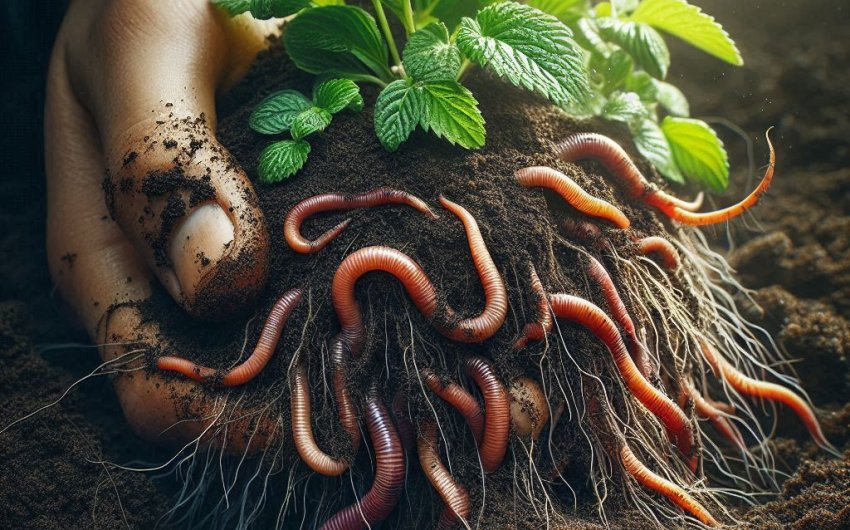
Are you looking to understand how to cultivate robust, life-filled soil for your garden? Creating a thriving garden environment starts beneath your feet, with the quality of your soil being the most critical factor for plant success. Rich, fertile earth is not just dirt; it's a dynamic ecosystem teeming with beneficial organisms, supplying essential nutrients, and holding just the right amount of moisture.
Why is Healthy Soil Important for Gardens?
Healthy soil is the foundation of a successful garden because it provides everything plants need to grow strong and resist diseases. It acts like a pantry, holding onto water and nutrients so plant roots can easily access them. Good soil also has plenty of air pockets, which roots need to breathe. Without healthy soil, plants struggle, no matter how much you water or fertilize them.
What is Soil Composition and Why Does it Matter?
Soil composition refers to the different parts that make up your soil: minerals, organic matter, water, and air. The mineral part is made of sand, silt, and clay, which determine your soil's texture. Organic matter is decayed plant and animal material, which is key for healthy soil. Water and air fill the spaces between soil particles, allowing roots to breathe and absorb nutrients. Understanding this mix helps you know what your soil needs. You can learn more about your soil by using a soil test kit.
What are Soil Textures and How Do They Differ?
Soil texture describes the size of the mineral particles in your soil: sand, silt, and clay. Sand particles are the largest, making soil feel gritty and drain quickly. Silt particles are medium-sized, feeling smooth like flour. Clay particles are the smallest, making soil feel sticky when wet and hold water tightly. A balanced mix of these, called loam, is generally considered ideal for gardening, offering good drainage, aeration, and nutrient retention.
How Do I Test My Garden Soil?
Testing your garden soil is the first vital step in building healthy soil. A soil test tells you about your soil's current condition, including its pH level (how acidic or alkaline it is) and the amount of major nutrients like nitrogen (N), phosphorus (P), and potassium (K), as well as micronutrients. This information guides you on what amendments to add, saving you time and money. You can use an at-home soil testing kit or send a sample to a local extension office for a more detailed analysis.
What is the Importance of Soil pH?
Soil pH measures how acidic or alkaline your soil is, on a scale from 0 to 14. A pH of 7 is neutral. Values below 7 are acidic, and values above 7 are alkaline (or basic). Most garden plants prefer a slightly acidic to neutral pH, generally between 6.0 and 7.0, because this range makes most nutrients available to plant roots. If your soil pH is too high or too low, even if nutrients are present, plants might not be able to absorb them. You can easily check your pH with a soil pH meter.
How Do I Adjust Soil pH?
Adjusting soil pH depends on whether your soil is too acidic or too alkaline. To raise acidic soil pH, you can add limestone (calcium carbonate). For quicker results, use hydrated lime. To lower alkaline soil pH, you can add elemental sulfur, peat moss, or compost. Always adjust pH gradually and retest after a few months, as drastic changes can harm soil life.
Why is Adding Organic Matter Crucial?
Adding organic matter is the single most important thing you can do to build healthy soil. Organic matter includes decomposed plant and animal materials like compost, aged manure, and leaf mold. It improves every aspect of soil health: it helps sandy soils hold water and nutrients, and it loosens heavy clay soils, improving drainage and aeration. It also feeds beneficial microorganisms that are essential for nutrient cycling and plant health. You can find excellent compost for gardening or start your own.
What is Compost and How Do I Make It?
Compost is decayed organic material, rich in nutrients and beneficial microbes. It's often called "gardener's gold" because it works wonders for soil. You can make compost by layering "greens" (nitrogen-rich materials like food scraps and grass clippings) with "browns" (carbon-rich materials like dried leaves, straw, and wood chips) in a compost bin. Keep it moist and turn it regularly to speed up decomposition.
How Does Manure Improve Soil Health?
Manure from herbivores like cows, chickens, or horses is a fantastic source of organic matter and essential nutrients. It enriches soil structure, boosts microbial activity, and provides slow-release fertilizer for plants. Always use well-rotted or composted manure to avoid burning plants with too much nitrogen or introducing pathogens and weed seeds. You can purchase aged cow manure or find local farms that offer it.
What is Leaf Mold and How Can I Use It?
Leaf mold is simply decomposed leaves. It's incredibly beneficial for soil structure, water retention, and as a food source for earthworms and other soil organisms. It doesn't add many nutrients like compost, but it greatly improves the physical properties of the soil. You can make it by piling leaves in a dedicated spot or in a leaf mold bag and letting them break down over 1-2 years.
What are the Benefits of No-Dig Gardening?
No-dig gardening, also known as no-till gardening, involves disturbing the soil as little as possible. Instead of digging or tilling, you build up garden beds by layering organic materials directly on top of the existing soil. This method protects the intricate network of soil fungi, bacteria, and earthworms that create healthy soil structure and nutrient pathways. It also reduces weed growth and conserves soil moisture, leading to less work and healthier plants over time.
How Do Cover Crops Improve Soil?
Cover crops are plants grown specifically to improve soil health, not for harvest. They are planted during off-seseasons or in empty garden beds. Their roots help prevent erosion, add organic matter when tilled in (known as green manure), suppress weeds, and can even add nitrogen to the soil (legumes like clover). Common cover crops include clover, rye, vetch, and buckwheat. Planting a cover crop seed mix can be a great way to start.
Why is Mulching Important for Soil Health?
Mulching involves covering the soil surface with a layer of organic material like wood chips, straw, shredded leaves, or compost. Mulch offers numerous benefits for soil health: it suppresses weeds, conserves soil moisture by reducing evaporation, moderates soil temperature, and slowly adds organic matter as it breaks down. This decomposition also feeds beneficial soil organisms, further enriching the soil structure and nutrient content over time. Use a good quality garden mulch around your plants.
How Do Beneficial Microbes and Earthworms Contribute?
Beneficial microbes (like bacteria and fungi) and earthworms are the unsung heroes of healthy soil. Microbes break down organic matter, making nutrients available to plants, and help fight off diseases. Mycorrhizal fungi, for example, form partnerships with plant roots, extending their reach for water and nutrients. Earthworms burrow through the soil, creating channels for air and water, and their castings (worm poop) are incredibly rich in nutrients and beneficial microorganisms. You can encourage them by adding plenty of organic matter and avoiding harsh chemical fertilizers. You might even consider introducing composting worms to your compost bin.
What are Soil Nutrients and How Do Plants Use Them?
Soil nutrients are the essential elements plants need to grow and thrive. The most important are macronutrients: nitrogen (N) for leafy growth, phosphorus (P) for root and flower development, and potassium (K) for overall plant health and disease resistance. Plants also need micronutrients like iron, zinc, and manganese, in smaller amounts. Healthy soil holds these nutrients in forms that plant roots can easily absorb. Adding compost and organic fertilizers helps ensure a steady supply of these vital elements. You can use a balanced organic fertilizer to supplement nutrient levels.
What are Macronutrients and Micronutrients?
Macronutrients are nutrients plants need in large amounts, primarily nitrogen (N), phosphorus (P), and potassium (K). These are often listed as N-P-K ratios on fertilizer bags. Other macronutrients include calcium, magnesium, and sulfur. Micronutrients are needed in much smaller quantities but are just as vital, including iron, manganese, zinc, copper, boron, and molybdenum. Healthy soil with plenty of organic matter usually provides a good balance of both.
How Can I Avoid Soil Compaction?
Soil compaction happens when soil particles are pressed together, reducing the spaces for air and water. This makes it hard for roots to grow and for water to drain, leading to poor plant growth. To avoid compaction, stay off your garden beds as much as possible, especially when the soil is wet. Use raised beds or create designated pathways to walk on. Adding plenty of organic matter also helps create a crumbly, resilient soil structure that resists compaction. Consider installing garden stepping stones to avoid walking directly on your soil.
Is Crop Rotation Necessary for Healthy Soil?
Crop rotation is the practice of planting different types of crops in different areas of your garden each year. This is important for healthy soil because it helps prevent the buildup of specific pests and diseases that might favor certain plants. It also helps manage nutrient levels, as different plants use different nutrients and some, like legumes, even add nitrogen back into the soil. Rotating crops helps maintain a balanced and fertile soil ecosystem.
What About Watering and Soil Moisture?
Proper watering is key for healthy soil. Too much water can lead to waterlogging and suffocate roots, while too little can stress plants. Healthy soil, rich in organic matter, acts like a sponge, holding just the right amount of moisture. This means you won't have to water as often. Aim for deep, infrequent watering to encourage roots to grow deeper. Using a soil moisture meter can help you know when your plants truly need water.
How Does Airflow Affect Soil Health?
Airflow, or aeration, in soil is crucial because plant roots and beneficial soil microorganisms need oxygen to survive and thrive. In compacted or waterlogged soil, there isn't enough air, which can lead to root rot and poor nutrient uptake. Healthy soil with good structure has plenty of tiny air pockets. Adding organic matter helps create this structure, ensuring good air circulation throughout the root zone.
Can Companion Planting Benefit Soil?
Companion planting involves growing certain plants together that benefit each other. While often talked about for pest control, some combinations can also improve soil health. For example, legumes (like beans and peas) are often planted near heavy feeders (like corn) because legumes can fix nitrogen in the soil, making it available to nearby plants. This natural nutrient cycling contributes to overall soil fertility.
How Do I Avoid Using Harmful Chemicals?
Avoiding harmful chemical fertilizers and pesticides is crucial for building truly healthy soil. These chemicals can kill beneficial soil organisms, disrupt the natural nutrient cycles, and leave residues that harm both plants and the environment. Focusing on organic amendments, natural pest control methods, and promoting soil life through the strategies discussed here will lead to a more resilient and sustainable garden. Opt for organic pest control sprays if needed.
What is Mycorrhizal Fungi and Its Role?
Mycorrhizal fungi are a type of beneficial fungus that forms a partnership with plant roots. They create a vast network of tiny threads that extend far beyond the plant's own root system, effectively increasing the plant's ability to absorb water and nutrients, especially phosphorus. In return, the plant provides the fungi with sugars. Promoting these fungi by adding organic matter and avoiding disturbing the soil is a key aspect of building a healthy soil ecosystem. You can inoculate your soil with mycorrhizal fungi inoculant.
What are Green Manures and Their Specific Uses?
Green manures are specific plants grown for the purpose of enriching the soil. Unlike other cover crops, green manures are typically chopped down and immediately incorporated into the soil while they are still green and succulent. This quickly adds a significant amount of easily decomposable organic matter and nutrients, improving soil structure, water retention, and microbial activity. They are particularly effective for quick soil revitalization between crop cycles. Consider a fast-growing green manure mix.
How Does Raised Bed Gardening Impact Soil Health?
Raised bed gardening can significantly help in building healthy soil, especially in areas with poor native soil. Raised beds allow you to fill them with a custom blend of high-quality topsoil, compost, and other organic amendments from the start. This gives you immediate control over your soil's composition. Because you don't walk on the soil in raised beds, compaction is greatly reduced, and drainage is usually excellent. This provides an optimal environment for roots and beneficial soil organisms to thrive. You can get raised garden bed kits for easy setup.
Why is Diversifying Plantings Good for Soil?
Diversifying your plantings means growing a wide variety of different plants, including vegetables, herbs, flowers, and even native plants. This practice encourages a more diverse range of soil microorganisms and beneficial insects. Different plant types interact with the soil in different ways: some have deep roots that break up compaction, others add nitrogen, and many contribute diverse organic matter when their leaves and roots decay. A diverse plant community above ground leads to a more resilient and healthy soil ecosystem below ground.
How to Continually Improve Soil Over Time?
Continually improving your soil over time is a gradual process that involves consistent effort. Each growing season, aim to add more organic matter to your garden beds. This could be in the form of a fresh layer of compost, a new application of mulch, or planting a cover crop during the off-season. Avoid tilling extensively, as this disrupts the delicate soil structure and microbial networks. Observe your plants and soil regularly – healthy plants are a good sign of healthy soil. Over years, these consistent practices will build a rich, living soil that supports abundant growth with minimal intervention. Investing in a compost tumbler can make the continuous supply of compost easier.
By implementing these methods, you will gain the knowledge on how do I build healthy soil for my garden, ensuring a fertile and productive space for years to come.