
What Is the Role of Compost in Soil Gardening?
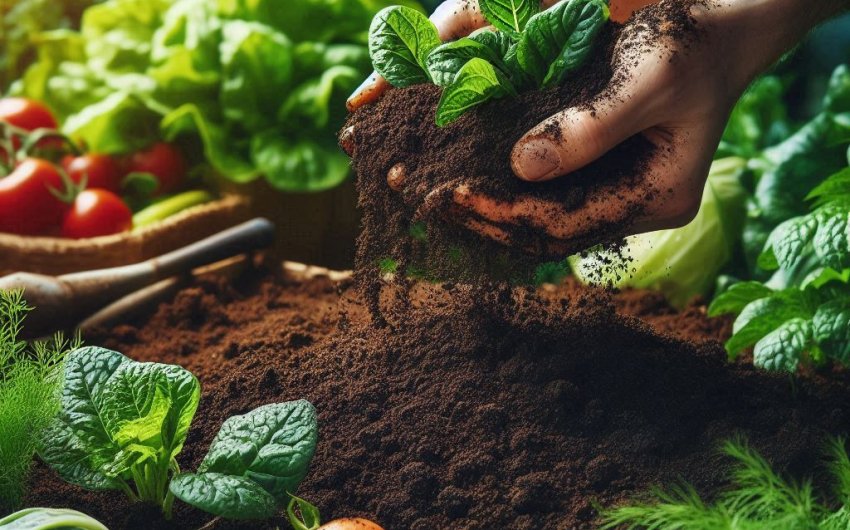
Compost plays a transformative and multifaceted role in soil gardening, acting as a cornerstone for building fertility and fostering a thriving ecosystem beneath the surface. Far more than just a fertilizer, this rich organic matter is a dynamic living material that profoundly impacts soil structure, nutrient availability, moisture retention, and microbial life. Understanding its myriad benefits is key to cultivating healthier, more productive plants with less reliance on synthetic inputs.
What Exactly is Compost?
Compost is the result of a controlled biological process where organic materials decompose into a dark, crumbly, and earthy-smelling substance. It's often referred to as "black gold" by gardeners due to its incredible benefits.
The Decomposition Process
Composting relies on microorganisms (bacteria, fungi, actinomycetes) and larger organisms (worms, insects) to break down organic matter. This process requires a balance of specific elements.
- Aerobic Decomposition: This is the most common and desirable type of composting, occurring in the presence of oxygen. Aerobic microbes are efficient, produce less odor, and generate heat, which helps break down materials faster and kill pathogens.
- Anaerobic Decomposition: This occurs without oxygen. While it still breaks down material, it's much slower, produces strong, unpleasant odors (like rotten eggs), and doesn't generate heat, meaning it might not kill weed seeds or harmful bacteria. Most home composting aims for aerobic conditions.
Key Components of a Healthy Compost Pile
A successful compost pile needs a balance of "greens" and "browns," along with air and moisture.
- Greens (Nitrogen-Rich Materials):
- Examples: Fresh grass clippings, fruit and vegetable scraps, coffee grounds, tea bags, plant trimmings, fresh manure (from herbivores).
- Role: Provide nitrogen, which is essential for microbial growth and activity, fueling the decomposition process.
- Browns (Carbon-Rich Materials):
- Examples: Dried leaves, straw, shredded paper, cardboard (torn up), wood chips, sawdust, twigs.
- Role: Provide carbon, which is the energy source for microorganisms and helps create the stable structure of finished compost. They also help keep the pile aerated.
- Water (Moisture):
- Role: Microbes need water to survive and thrive. The compost pile should feel like a wrung-out sponge – moist but not soggy. Too dry, and decomposition slows down; too wet, and it can become anaerobic.
- Air (Oxygen):
- Role: Aerobic decomposition requires oxygen. Turning the compost pile regularly helps introduce air and prevent compaction, which would lead to anaerobic conditions.
The Transformation
Over weeks or months, as microbes break down these materials, the temperature of the compost pile can rise significantly (hot composting) or remain lower (cold composting). The materials shrink in volume, lose their original form, and transform into a dark, earthy, nutrient-rich, and stable substance. Finished compost should have a pleasant, earthy smell, resembling rich soil. It should not smell rotten or like chemicals.
Understanding what compost is and how it's made highlights why it plays such a fundamental and beneficial role in soil gardening.
How Does Compost Improve Soil Structure?
One of the most profound benefits of compost in soil gardening is its ability to dramatically improve soil structure, creating an ideal environment for root growth, water management, and air circulation. This improvement is crucial regardless of your native soil type.
For Clay Soils
Clay soils are characterized by very fine particles that pack together tightly, leading to poor drainage and compaction.
- Creates Aggregates: When compost is added to heavy clay, its organic matter acts like a "glue" that binds small clay particles together into larger, more stable clumps or aggregates. These aggregates create spaces and pores within the soil.
- Improves Drainage: The newly formed pores allow water to percolate through the soil more easily, preventing waterlogging and improving drainage. This means less standing water after rain or irrigation.
- Enhances Aeration: The increased pore space also improves air circulation within the root zone. This is vital because plant roots need oxygen to respire and absorb nutrients effectively.
- Reduces Compaction: By forming aggregates, compost makes clay soil less dense and more friable (crumbly). This makes it easier for roots to penetrate, for gardeners to dig, and for water to move through the soil. It also reduces the likelihood of future compaction.
For Sandy Soils
Sandy soils have large, coarse particles that don't hold together well, leading to rapid drainage and poor nutrient retention.
- Increases Water Retention: Compost acts like a sponge in sandy soil. Its organic matter can hold many times its weight in water, significantly increasing the sandy soil's capacity to retain moisture. This means less frequent watering is needed.
- Improves Nutrient Retention (CEC): Sandy soils have a low Cation Exchange Capacity (CEC), meaning they struggle to hold onto essential plant nutrients, which are easily leached away by water. Compost, with its high CEC, provides numerous negatively charged sites that can bind positively charged nutrient ions (cations) like potassium, calcium, and magnesium, making them available to plants for longer.
- Adds Structure: Compost fills the large pore spaces between sand particles, giving the soil more body and helping the individual sand particles clump together. This improves the overall structure and prevents rapid leaching.
- Slows Down Leaching: By improving both water and nutrient retention, compost dramatically slows down the rate at which water and nutrients drain out of the root zone, ensuring plants have a consistent supply.
For Loamy Soils
Loamy soils are considered ideal, with a good balance of sand, silt, and clay. Even perfect soil benefits from compost.
- Maintains Structure: Compost helps maintain the already good structure of loamy soils, preventing it from degrading over time due to cultivation, rain, or traffic.
- Replenishes Organic Matter: Even the best loam loses organic matter over time through decomposition and plant uptake. Regular compost additions replenish this vital component, keeping the soil healthy and vibrant.
- Enhances Resilience: Compost makes loamy soils even more resilient to environmental stresses like drought or heavy rainfall, optimizing the existing structure for peak performance.
The universal benefit of compost in modifying and enhancing soil structure is a primary reason why it is such an invaluable component in soil gardening.
How Does Compost Provide Nutrients to Plants?
Beyond its structural benefits, compost's role in soil gardening as a nutrient provider is fundamental. It's not a quick-fix fertilizer but a slow-release, comprehensive source of essential elements, delivered in a way that fosters long-term soil health.
1. Macro and Micronutrients
Compost contains a wide array of nutrients necessary for plant growth.
- Balanced Supply: Unlike synthetic fertilizers that often provide only a few primary nutrients (N-P-K), compost offers a complete, albeit low-concentration, spectrum of macronutrients (Nitrogen, Phosphorus, Potassium) and essential micronutrients (like Iron, Manganese, Zinc, Copper, Boron) that plants need.
- Organic Forms: The nutrients in compost are in organic forms, meaning they are not immediately available to plants. They must first be broken down by soil microorganisms into inorganic forms that plant roots can absorb. This leads to a slow and steady release.
2. Slow-Release Mechanism
The way compost delivers nutrients is highly beneficial for sustained plant growth.
- Microbial Mineralization: As microorganisms in the soil continue to decompose the organic matter in compost, they convert the bound nutrients into plant-available forms. This process, called mineralization, occurs gradually over time.
- Consistent Supply: This slow-release mechanism ensures a steady and continuous supply of nutrients to plants throughout their growing season, preventing nutrient "shocks" or rapid depletion that can occur with fast-acting synthetic fertilizers.
- Reduced Leaching: Because nutrients are released slowly and bound by the organic matter, they are less prone to leaching away with irrigation or rainfall, making them more efficiently utilized by plants.
3. Increased Cation Exchange Capacity (CEC)
Compost significantly improves the soil's ability to hold onto nutrients.
- Nutrient Storage: Organic matter has a very high Cation Exchange Capacity (CEC), which is the soil's ability to hold onto positively charged nutrient ions (cations). These include essential nutrients like Potassium ($K^+$), Calcium ($Ca^{2+}$), Magnesium ($Mg^{2+}$), and Ammonium ($NH_4^+$).
- Prevents Leaching: By increasing the soil's CEC, compost acts like a natural nutrient bank, preventing these vital nutrients from washing away with water and making them available for plant roots to absorb as needed. This is especially critical in sandy soils, which naturally have low CEC.
4. Buffering Soil pH
Compost has a moderating effect on soil pH, which directly impacts nutrient availability.
- pH Stability: Compost tends to bring soil pH closer to neutral (around 6.0-7.0), which is the ideal range for most garden plants.
- Nutrient Accessibility: In this optimal pH range, most nutrients are in their most plant-available form. If the pH is too acidic or too alkaline, certain nutrients can become "locked up" and unavailable to plants, even if they are present in the soil. Compost helps buffer these extremes, making a wider range of nutrients accessible.
5. Reduces Need for Synthetic Fertilizers
By providing a natural and comprehensive nutrient supply, compost can significantly reduce or even eliminate the need for chemical fertilizers.
- Sustainable Gardening: Relying on compost promotes a more sustainable and environmentally friendly approach to gardening, reducing chemical runoff and supporting a healthy soil ecosystem.
- Builds Soil Fertility: Unlike synthetic fertilizers that feed the plant directly, compost feeds the soil, building its inherent fertility and long-term productivity.
The rich, balanced, and slow-release nutrient profile makes compost an unparalleled asset for feeding plants in soil gardening.
What Is the Role of Compost in Water Retention and Drainage?
One of the most valuable contributions of compost in soil gardening is its dual action in managing soil moisture: it enhances water retention in dry conditions while simultaneously improving drainage in wet conditions. This balancing act creates an optimal moisture environment for plant roots.
1. Enhancing Water Retention (Acting Like a Sponge)
Compost's physical structure makes it highly effective at holding onto water.
- Porous Structure: Finished compost is highly porous, with a vast network of tiny spaces and channels. When incorporated into soil, it significantly increases the soil's overall pore space.
- Hydrophilic Organic Matter: The organic particles in compost are hydrophilic, meaning they have a strong affinity for water. They act like miniature sponges, absorbing and holding many times their weight in water.
- Reduces Evaporation: When compost is mixed into the soil or used as a topdressing, it can also help reduce water evaporation from the soil surface, keeping moisture in the root zone for longer.
- Benefit in Sandy Soils: This water-holding capacity is particularly beneficial in sandy soils, which naturally drain too quickly. Compost fills the large pore spaces in sand, preventing rapid leaching and making water available to plant roots for extended periods. This means less frequent watering.
2. Improving Drainage (Creating Pathways for Excess Water)
While holding onto water, compost simultaneously ensures that excess water can drain away, preventing waterlogging.
- Aggregates in Clay Soils: In heavy clay soils, which are dense and prone to waterlogging, compost's organic matter binds fine clay particles into larger aggregates (clumps).
- Creates Macropores: These aggregates create larger pore spaces (macropores) within the clay soil. These macropores act as pathways for excess water to drain through, preventing water from sitting and suffocating plant roots.
- Enhances Aeration: The improved drainage also leads to better soil aeration, allowing oxygen to reach root systems. Oxygen is crucial for root respiration and preventing the anaerobic conditions that cause root rot.
- Benefit in Clay Soils: This dual action is vital in clay soils, transforming them from dense, waterlogged environments into well-drained, yet still moist, growing mediums.
3. Buffering Moisture Extremes
Compost helps to stabilize soil moisture levels, making the garden more resilient.
- Drought Resistance: By increasing water retention, compost-amended soils can go longer between waterings, making plants more resilient during dry spells or periods of drought.
- Prevents Waterlogging: By improving drainage, compost reduces the risk of root rot and other issues associated with constantly saturated soil during periods of heavy rain.
- Consistent Hydration: Plants in compost-rich soil experience a more consistent level of hydration, avoiding the stress of fluctuating between soggy and bone-dry conditions. This consistency promotes healthier, more vigorous growth.
This remarkable ability to both retain and facilitate the drainage of water is a cornerstone of compost's role in soil gardening, making it an indispensable amendment for optimizing soil moisture.
How Does Compost Support Soil Life?
The vibrant ecosystem beneath the surface is the true engine of healthy plant growth, and compost's role in soil gardening as a food source and habitat for beneficial soil life is arguably its most profound contribution. It acts as a living bridge between inert mineral particles and thriving plant life.
1. Food Source for Microorganisms
Compost is a rich buffet for the microscopic life that drives soil health.
- Bacteria and Fungi: These are the primary decomposers. Compost introduces vast populations of diverse bacteria and fungi (including beneficial mycorrhizal fungi) into the soil, providing them with a steady supply of organic matter to feed on.
- Actinomycetes: These are a type of bacteria that give healthy soil its characteristic "earthy" smell and are important decomposers, especially of tougher materials. Compost provides their ideal habitat.
- Nutrient Cycling: As these microorganisms consume organic matter, they break it down, releasing nutrients in plant-available forms. They are the engines of nutrient cycling, transforming raw organic materials into the soluble compounds that plants can absorb.
2. Habitat for Soil Macroorganisms
Beyond the microscopic, compost fosters a welcoming environment for larger soil inhabitants.
- Earthworms: Earthworms are attracted to the organic matter in compost. They burrow through the soil, creating tunnels that improve aeration and drainage, and ingest organic matter, mixing it with mineral particles. Their castings (excrement) are rich in plant-available nutrients and beneficial microbes.
- Insects and Arthropods: Various beneficial insects, mites, and other arthropods like springtails, millipedes, and beetles thrive in compost-rich soil. Many of these organisms help with the physical breakdown of organic matter or prey on harmful pests.
- Nematodes: While some nematodes are plant pests, many are beneficial, preying on harmful bacteria, fungi, or even pest insects, contributing to a balanced soil food web.
3. Suppressing Pests and Diseases
A healthy, biologically active soil, fueled by compost, is naturally more resistant to problems.
- Competitive Exclusion: The sheer diversity and abundance of beneficial microorganisms introduced by compost can outcompete or suppress disease-causing pathogens and harmful nematodes. They simply "crowd out" the bad guys.
- Antibiotic Production: Some beneficial microbes in compost produce natural antibiotics or enzymes that inhibit the growth of plant pathogens.
- Enhanced Plant Immunity: A vibrant soil food web makes nutrients more available to plants, leading to stronger, healthier plants that are naturally more resilient to pest attacks and diseases.
- Improved Drainage/Aeration: As discussed, improved soil structure from compost reduces waterlogging and enhances air circulation, creating conditions less favorable for many root rot diseases.
4. Building the Soil Food Web
Compost doesn't just add organisms; it builds a complex, interdependent community.
- Foundation of the Web: Organic matter is the base of the soil food web. By adding compost, you are essentially feeding all trophic levels in the soil, from bacteria and fungi to protozoa, nematodes, arthropods, and earthworms.
- Synergistic Relationships: These organisms work synergistically. For example, some fungi extend plant root systems (mycorrhizae), while others break down tough organic matter. Bacteria convert nutrients, and larger organisms create passageways.
- Long-Term Fertility: A robust soil food web means the soil becomes a self-sustaining system, constantly cycling nutrients and improving its own structure, reducing the long-term need for external inputs.
By directly feeding and housing this vast underground army, compost empowers the soil to nurture plants more effectively, solidifying compost's role in soil gardening as the ultimate soil builder.
How to Apply Compost in Your Garden?
Applying compost correctly maximizes its benefits in soil gardening. The method of application often depends on the gardening situation, whether you're starting a new bed or maintaining an existing one.
1. Before Planting (New Beds or Major Amendments)
This is the best time for thorough incorporation of compost.
- Initial Layer: Spread a generous layer of compost, typically 2-4 inches thick, over the entire area of your new garden bed.
- Incorporate: Use a shovel, garden fork, or tiller to gently mix the compost into the top 6-12 inches of existing soil. Avoid deep tilling, which can disrupt existing soil structure and soil life. The goal is to blend it, not bury it completely.
- Raised Beds: For new raised beds, you can fill them entirely with a mix of compost and other good quality topsoil, or even a blend of compost, peat moss, and perlite for a custom growing medium.
- Benefits: This method fully integrates the compost's benefits throughout the root zone, improving structure, drainage, and nutrient availability from the start.
2. Topdressing Existing Gardens
Topdressing is a gentler method for established plants and ongoing maintenance.
- Annual Application: In spring or fall (or both), apply a 1/2 to 1-inch layer of finished compost directly on top of the soil around existing plants. You can gently rake it in, but it's not strictly necessary.
- Around Plants: Spread the compost evenly, avoiding piling it directly against plant stems or tree trunks, which can lead to rot. Leave a small gap (an inch or two) around the base of plants.
- Container Plants: For potted plants, remove the top inch or two of old potting mix and replace it with fresh compost. This revitalizes nutrients and improves the potting medium.
- Benefits:
- Slow Release: Nutrients slowly leach down into the soil with watering and rain.
- Mulch Effect: Acts as a natural mulch, suppressing weeds, moderating soil temperature, and conserving moisture.
- Feeds Soil Life: Provides a continuous food source for earthworms and other beneficial soil organisms, which will gradually work the compost into the deeper layers of the soil.
- Less Disturbance: Minimal disturbance to existing roots and soil structure.
3. Side-Dressing Growing Plants
This method provides a targeted nutrient boost during the growing season.
- During Peak Growth: For heavy feeders or plants showing signs of nutrient deficiency, gently scratch a small amount of compost into the top inch or two of soil around the base of the plant.
- Avoid Root Damage: Be careful not to disturb shallow roots when side-dressing.
- Water In: Always water the area thoroughly after side-dressing to help the nutrients begin to release and move into the root zone.
4. As a Seed-Starting Mix Component
Compost adds life and nutrients to seed-starting mixes.
- Mixing Ratio: While not typically used as 100% of a seed-starting mix (it can be too heavy and contain weed seeds), fine, well-sifted compost can be mixed into commercial seed-starting mixes at a ratio of 10-20%.
- Benefits: Introduces beneficial microorganisms, adds slow-release nutrients, and improves the texture of the mix.
5. Making Compost Tea (Liquid Application)
Compost tea is a liquid extract of compost benefits, offering a rapid microbial and nutrient boost.
- Brewing: Steeping compost in water (often with aeration and a food source like molasses) extracts beneficial microbes and water-soluble nutrients. A compost tea brewer can make this easier.
- Application: Apply as a foliar spray (on leaves) or a soil drench.
- Benefits: Provides a quick nutrient boost, introduces beneficial microbes directly to plant surfaces and root zones, and can enhance plant disease resistance. Use quickly as beneficial microbes have a short lifespan in tea.
Regardless of the method, the consistent application of compost is key to harnessing its profound impact on soil gardening, fostering healthy and thriving plants year after year.