
How Often Should I Amend My Garden Soil?
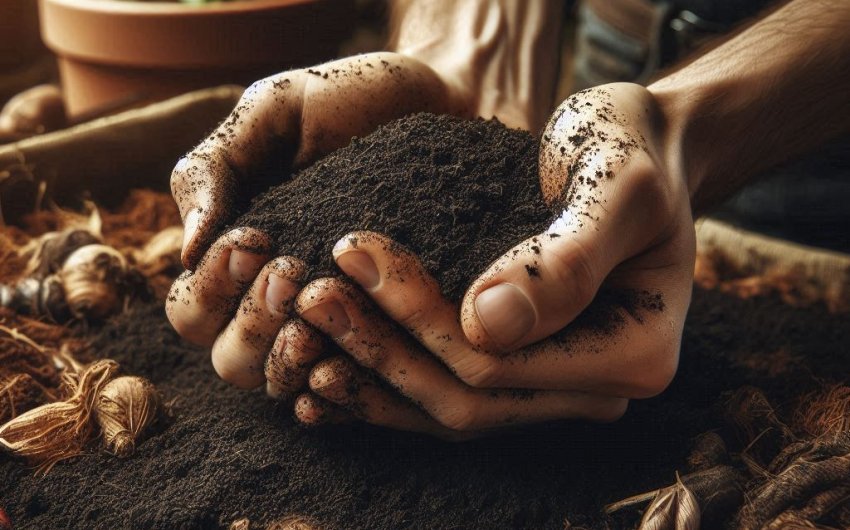
Determining how often you should amend your garden soil is a common question for gardeners aiming to maintain optimal growing conditions. Soil amendment isn't a one-time task; it's an ongoing process vital for replenishing nutrients, improving structure, and fostering a healthy microbial environment. The ideal frequency largely depends on your soil's current condition, the types of plants you grow, and the amendments you choose, ensuring your garden remains productive season after season.
What is Soil Amendment and Why Is It Important?
Understanding what soil amendment is and why it's important is fundamental to growing a thriving garden. Soil amendment refers to adding materials to soil to improve its physical or chemical properties, directly impacting plant health.
What is Soil Amendment?
- Definition: Soil amendments are materials added to the soil to improve its structure, water retention, drainage, aeration, or nutrient content. They are distinct from fertilizers, which primarily provide plant nutrients, although many amendments also contribute nutrients.
- Purpose: The goal is to create an optimal environment for plant roots to grow, access water, "breathe" (obtain oxygen), and absorb nutrients efficiently.
Why is Soil Amendment Important?
Improves Soil Structure (Texture and Tilth):
- Poor Soil Types: Many gardens start with less-than-ideal soil:
- Heavy Clay Soil: Consists of tiny, tightly packed particles. It drains poorly, becomes waterlogged easily, compacts quickly, and is hard for roots to penetrate.
- Sandy Soil: Has large, loosely packed particles. It drains too quickly, doesn't retain water or nutrients well, and can leave roots thirsty and hungry.
- Amendment Impact: Organic amendments, in particular, act as a "glue" in sandy soils (helping particles bind) and as a "wedge" in clay soils (separating particles). This creates a balanced soil structure (loam) with adequate pore space for air and water.
- Poor Soil Types: Many gardens start with less-than-ideal soil:
Enhances Water Retention and Drainage:
- Water Retention: Good soil structure allows the soil to hold onto enough moisture for plants to use, reducing the need for frequent watering. Organic matter acts like a sponge.
- Drainage: Simultaneously, it ensures excess water drains away, preventing roots from sitting in soggy, oxygen-deprived conditions that lead to root rot.
Increases Aeration:
- Root Respiration: Plant roots, like us, need oxygen to function. Compacted soil starves roots of oxygen. Amendments create vital air pockets in the soil.
- Beneficial Microbes: Aerated soil also supports a healthy population of beneficial soil microorganisms that convert nutrients into forms plants can absorb.
Boosts Nutrient Content and Availability:
Advertisement- Slow-Release Nutrients: Many organic amendments (like compost) decompose slowly, providing a steady, gentle release of a wide range of essential macro and micronutrients over time.
- Improved Nutrient Retention: Good soil structure (especially with organic matter) helps the soil hold onto nutrients better, preventing them from leaching away.
Buffers Soil pH:
- pH Stability: Organic matter can help buffer soil pH, meaning it makes the pH more stable and resistant to drastic changes, even if you add other substances that might temporarily alter it. Most vegetables prefer a slightly acidic to neutral pH (6.0-7.0).
Supports Soil Microbes:
- Healthy Ecosystem: Amendments, especially organic ones, feed the vast underground ecosystem of beneficial bacteria, fungi, and other microorganisms that are vital for nutrient cycling and plant health.
By consistently applying the right soil amendments, you are not just feeding your plants; you are building a living, resilient soil ecosystem that can support vigorous growth for years to come.
What Are the Most Common Soil Amendments?
When considering how often you should amend your garden soil, knowing the types of amendments available and their specific benefits is crucial. Each serves a different purpose in improving soil health and structure.
1. Organic Amendments (Most Commonly Recommended)
These materials are derived from living organisms and break down over time, providing a steady stream of benefits.
- Compost:
- Description: Decomposed organic matter, often called "black gold." It can be homemade from kitchen scraps and yard waste, or purchased.
- Benefits: The single best all-around soil amendment. Improves structure in both sandy and clay soils, enhances water retention and drainage, provides slow-release nutrients, and boosts microbial activity.
- How to Use: Incorporate into planting beds, or use as a top-dressing. You can find organic garden compost.
- Well-Rotted Manure:
- Description: Manure from herbivores (cows, horses, chickens) that has been aged for at least 6-12 months. Fresh manure can burn plants due to high nitrogen.
- Benefits: Excellent source of nitrogen and other nutrients, greatly improves soil structure and organic matter content.
- How to Use: Incorporate into soil well before planting (fall is ideal for spring planting). You can find well-rotted manure for gardens.
- Leaf Mold:
- Description: Decomposed leaves, created by composting leaves alone (no other materials).
- Benefits: Excellent for improving soil structure, water retention, and as a habitat for beneficial fungi. Lower in nutrients than compost but great for soil conditioning.
- How to Use: Incorporate or use as mulch.
- Peat Moss:
- Description: Partially decomposed sphagnum moss.
- Benefits: Improves water retention in sandy soils and can slightly lower soil pH, making it useful for acid-loving plants.
- Considerations: Not a significant nutrient source. Harvesting peat moss is controversial due to its non-renewable nature and environmental impact. Use sustainably harvested peat moss for gardening or consider alternatives like coco coir.
- Coco Coir:
- Description: Ground-up coconut husks.
- Benefits: Excellent water retention, good aeration, neutral pH, sustainable alternative to peat moss.
- How to Use: Rehydrate compressed coco coir blocks and mix into soil.
2. Mineral Amendments
These are naturally occurring inorganic materials that improve soil structure and/or provide trace minerals.
- Perlite:
- Description: White, lightweight volcanic glass.
- Benefits: Improves soil aeration and drainage, prevents compaction. Does not hold water internally, but its pores provide space for air.
- How to Use: Mix into potting mixes or garden soil. You can find perlite for gardening.
- Vermiculite:
- Description: Brown, flaky mineral.
- Benefits: Improves aeration, holds water and nutrients within its layers, and releases them slowly.
- How to Use: Mix into potting mixes or garden soil. Vermiculite for plants.
- Sand:
- Description: Coarse sand (e.g., builder's sand, not play sand).
- Benefits: Used sparingly to improve drainage in very heavy clay soils.
- Considerations: If not used with organic matter, adding sand to clay can create concrete-like soil. Use with caution and always in conjunction with plenty of organic amendments.
- Gypsum:
- Description: Calcium sulfate.
- Benefits: Helps improve the structure of very heavy, sodic (high sodium) clay soils by helping clay particles to clump, improving drainage. Also adds calcium and sulfur.
- Considerations: Not effective for all clay types; best used when a soil test indicates a specific need for calcium or improvement of sodic clay.
3. pH Adjusters
These are used to alter soil pH, as determined by a soil test.
- Agricultural Lime:
- Description: Ground limestone (calcium carbonate).
- Benefits: Raises soil pH (makes it more alkaline), adds calcium and sometimes magnesium.
- How to Use: Apply in fall or spring according to soil test recommendations. Agricultural lime for garden.
- Elemental Sulfur:
- Description: Granular sulfur.
- Benefits: Lowers soil pH (makes it more acidic).
- How to Use: Apply according to soil test recommendations. Takes time to work. Elemental sulfur for plants.
Key Takeaway: For most home gardeners, compost is the single most valuable amendment to incorporate regularly. The other amendments are used more specifically to address particular soil challenges indicated by a soil test. Knowing these options helps you decide how often you should amend your garden soil.
How Often Should You Amend Soil Based on Soil Type?
The frequency of amending your garden soil largely depends on your existing soil type. Different soil compositions break down organic matter at varying rates and have different structural needs.
1. Heavy Clay Soil
- Characteristics: Clay soil particles are very fine and pack together tightly, leading to poor drainage, poor aeration, and slow warming in spring. It's often rich in nutrients but makes them unavailable to roots due to compaction.
- Amendment Goal: To break up the dense structure, improve drainage and aeration, and make it more workable.
- Recommended Amendment: Compost (most important), well-rotted manure, and sometimes coarse sand (used sparingly and only with significant organic matter).
- Frequency:
- Initial Improvement: If you're starting with very heavy clay, plan to incorporate a substantial amount of compost (4-6 inches deep, worked into the top 8-12 inches) annually for the first 2-3 years.
- Ongoing Maintenance: After initial improvements, amend with a 1-2 inch layer of compost annually (preferably in fall or spring). Clay soil tends to re-compact over time, so consistent organic matter addition is key.
- Indicator for Re-amendment: If the soil becomes hard to dig, drains slowly, or appears clumpy, it's time to amend again.
2. Sandy Soil
- Characteristics: Sandy soil particles are large, with lots of pore space. This leads to excellent drainage (sometimes too good), poor water retention, and low nutrient-holding capacity. It warms up quickly in spring.
- Amendment Goal: To increase water and nutrient retention, and provide a binding agent for the loose particles.
- Recommended Amendment: Compost (most important), well-rotted manure, peat moss, or coco coir. These act like sponges.
- Frequency:
- Initial Improvement: Incorporate a 3-4 inch layer of compost (or other organic matter) into the top 8-12 inches annually for the first 1-2 years.
- Ongoing Maintenance: Add a 1-2 inch layer of compost annually (or even twice a year, spring and fall). Organic matter breaks down faster in sandy, well-aerated soil.
- Indicator for Re-amendment: If the soil dries out extremely quickly after watering, or plants show signs of nutrient deficiency despite fertilization, it's time to amend.
3. Loamy Soil (Ideal Soil)
- Characteristics: A balanced mix of sand, silt, and clay. It drains well, retains moisture, is well-aerated, and rich in nutrients. Crumbles easily.
- Amendment Goal: To maintain its excellent structure and replenish nutrients that plants use.
- Recommended Amendment: Compost.
- Frequency:
- Ongoing Maintenance: A 1-inch layer of compost annually (in fall or spring) is often sufficient to maintain healthy loamy soil.
- Indicator for Re-amendment: A healthy loam generally just needs regular organic matter top-ups to maintain its vitality. Only if growth declines or a soil test shows specific issues would you need to reconsider.
Summary Table for Soil Type Amendment Frequency
| Soil Type | Main Issue | Primary Amendment(s) | General Frequency (Ongoing) | Initial Improvement (First 1-3 Years) |
|---|---|---|---|---|
| Heavy Clay | Compaction, poor drainage | Compost, well-rotted manure | Annually (1-2 inches) | Annually (4-6 inches incorporated) |
| Sandy | Low water/nutrient retention | Compost, well-rotted manure, peat/coir | Annually (1-2 inches), potentially twice a year | Annually (3-4 inches incorporated) |
| Loamy | Nutrient replenishment | Compost | Annually (1 inch) | (Maintain existing good structure with 1 inch annually) |
By tailoring your amendment schedule to your specific soil type, you effectively manage its long-term health, ensuring optimal conditions for your garden. This knowledge is key to knowing how often you should amend your garden soil.
How Does Your Gardening Style Influence Soil Amendment Frequency?
Your personal gardening style significantly influences how often you should amend your garden soil. Different approaches to cultivation place varying demands on the soil, necessitating tailored amendment strategies.
1. Traditional Row Gardening
- Description: Growing vegetables in long, defined rows, often with bare soil between rows. This style might involve annual tilling.
- Impact on Soil:
- Nutrient Depletion: Concentrated planting in rows can quickly deplete nutrients in those specific areas.
- Compaction: Walking between rows can lead to compaction in pathways.
- Organic Matter Breakdown: Tilling can accelerate the breakdown of organic matter, leading to a quicker loss of soil structure and nutrients.
- Amendment Strategy:
- Annual Addition: Given potential nutrient depletion and accelerated organic matter breakdown from tilling, annual amendments are generally recommended.
- Type: Incorporate a 2-4 inch layer of compost or well-rotted manure into the entire garden bed each spring before planting or in the fall after harvest.
2. Raised Bed Gardening
- Description: Growing in contained beds (wood, metal, stone) filled with a specially mixed soil blend.
- Impact on Soil:
- Initial Quality: Raised beds typically start with excellent soil (a mix of topsoil, compost, and other amendments), ensuring superb drainage and fertility.
- Reduced Compaction: Pathways are separate, so the bed soil doesn't get compacted by foot traffic.
- Nutrient Use: Plants still draw nutrients from the limited volume of soil.
- Leaching: Raised beds can sometimes dry out faster and experience more nutrient leaching than in-ground beds.
- Amendment Strategy:
- Annual Top-Up: A 1-2 inch top-dressing of fresh compost each spring or fall is usually sufficient. This replenishes nutrients and organic matter lost through plant uptake and natural decomposition.
- Full Replacement (Rare): Only if soil quality drastically declines or specific problems arise (e.g., disease buildup) would a full soil replacement be considered, perhaps every 5-10 years.
3. Container Gardening
- Description: Growing plants in individual pots or containers.
- Impact on Soil:
- Rapid Nutrient Depletion: Container soil volume is very limited, so nutrients are used up quickly and leach out with watering.
- Compaction: Over time, potting mix can break down and become compacted.
- No Natural Replenishment: Unlike garden beds, there's no natural microbial replenishment from surrounding soil.
- Amendment Strategy:
- Frequent Replenishment: Container soil has a much shorter lifespan.
- Annual Repotting/Refresh: For annual vegetables, use fresh potting mix for containers each season.
- For Perennials/Larger Pots: For plants staying in the same large pot for multiple years, top-dress with compost or add granular slow-release fertilizers. Consider refreshing the top few inches of soil or fully repotting with fresh mix every 1-2 years.
4. No-Till / No-Dig Gardening
- Description: A method that avoids disturbing the soil, instead relying on layering organic matter on top of the existing soil (e.g., sheet mulching, deep mulching).
- Impact on Soil:
- Builds Soil Naturally: This method inherently is a continuous amendment process. It fosters robust soil structure, fungal networks, and microbial life.
- Less Compaction: Minimal walking on beds maintains soil structure.
- Amendment Strategy:
- Continuous Top-Dressing: The amendment is ongoing. Add a layer of compost, leaves, or wood chips annually (or even more frequently) to continuously build soil from the top down.
- Less "Tilling In": Amendments are simply laid on the surface and allowed to break down naturally.
Summary Table: Gardening Style & Amendment Frequency
| Gardening Style | Key Impact on Soil | Amendment Strategy | General Frequency (Ongoing) |
|---|---|---|---|
| Traditional Rows | Nutrient depletion, compaction, organic matter loss | Incorporate organic matter fully | Annually (2-4 inches) |
| Raised Beds | Reduced compaction, contained soil volume | Top-dress with organic matter | Annually (1-2 inches) |
| Container Gardening | Rapid nutrient depletion, small soil volume | Use fresh mix for annuals; top-dress/repot for perennials | Annually/Bi-annually (for established pots) |
| No-Till / No-Dig | Builds soil naturally, minimal disturbance | Continuous layering of organic matter | Annually (or more frequently) |
By considering your specific gardening method, you can precisely determine how often you should amend your garden soil, ensuring your plants thrive in their unique environment.
What Are Other Factors That Influence Soil Amendment Frequency?
Beyond soil type and gardening style, several other important factors influence how often you should amend your garden soil. Understanding these nuances allows for a more responsive and effective approach to soil health.
1. Plant Needs
- Heavy Feeders vs. Light Feeders:
- Heavy Feeders: Vegetables like corn, tomatoes, squash, broccoli, and cabbage use a lot of nutrients. If you're growing these in abundance, your soil's nutrient reserves will deplete faster.
- Light Feeders: Carrots, radishes, and herbs are less demanding.
- Solution: If your garden focuses on heavy feeders, you might need to amend more frequently (e.g., twice a year with compost) or supplement with more targeted fertilizers throughout the season.
- Specific pH Requirements: If you're growing plants with very specific pH needs (e.g., blueberries that require highly acidic soil, or lavender that prefers alkaline), you may need to apply pH-adjusting amendments more regularly (e.g., elemental sulfur or agricultural lime) as indicated by consistent soil testing.
2. Climate and Weather Conditions
- High Rainfall: Areas with heavy rainfall can experience more nutrient leaching (nutrients washing away from the soil), especially in sandy soils.
- Solution: More frequent amendments with organic matter can help improve nutrient retention.
- Extreme Temperatures:
- Hot Climates: Organic matter can decompose faster in consistently warm soils, requiring more frequent replenishment.
- Cold Climates: Decomposition slows down in cold weather, so fall amendments have ample time to break down by spring.
- Drought: Prolonged drought can lead to soil compaction, especially in clay soils, even if you try to manage it with watering.
- Solution: Regular amendments (especially compost) build resilience against compaction in such conditions.
3. Type of Amendments Used
- Fast vs. Slow Breakdown:
- Rapidly Decomposing: Amendments like fresh grass clippings, coffee grounds, or some liquid organic fertilizers break down quickly, offering immediate benefits but diminishing rapidly.
- Slow-Release: Well-rotted compost, aged manure, and wood chips break down slowly, providing long-term benefits and needing less frequent reapplication.
- Mineral Additives: Perlite, vermiculite, and sand are structural and do not break down, so they are a one-time addition or only added during significant soil overhaul.
- Solution: If relying on faster-decomposing amendments, you'll need to apply them more frequently.
4. Signs from Your Plants and Soil
Your plants and the soil itself will often tell you when it's time for more amendments.
- Plant Symptoms:
- Stunted growth: Despite adequate water and light.
- Pale or yellowing leaves: Beyond normal aging, could indicate nutrient deficiency.
- Poor flowering or fruiting: Especially if other conditions are met.
- Increased pest/disease issues: Sometimes a sign of weak, undernourished plants.
- Soil Symptoms:
- Compaction: Soil feels hard and dense, water puddles on the surface, or it's difficult to dig into.
- Rapid Drying: Soil dries out unusually quickly.
- Poor Structure: Soil either feels overly gritty (sandy) or excessively sticky/clumpy (clay) and doesn't crumble well.
- Lack of Worms/Microbial Activity: A healthy soil should have visible worm activity and a rich, earthy smell.
5. Soil Testing Frequency
- Regular Testing: It's recommended to perform a comprehensive soil test every 2-3 years. This provides an objective measure of nutrient levels, organic matter content, and pH, giving you precise recommendations for amendments. A professional soil test kit offers detailed insights.
By considering all these factors in tandem, you can develop a dynamic and responsive strategy for how often you should amend your garden soil, ensuring your plants always have the best possible foundation for robust growth and abundant yields.