
What Common Soil Problems Should I Look for in My Garden?
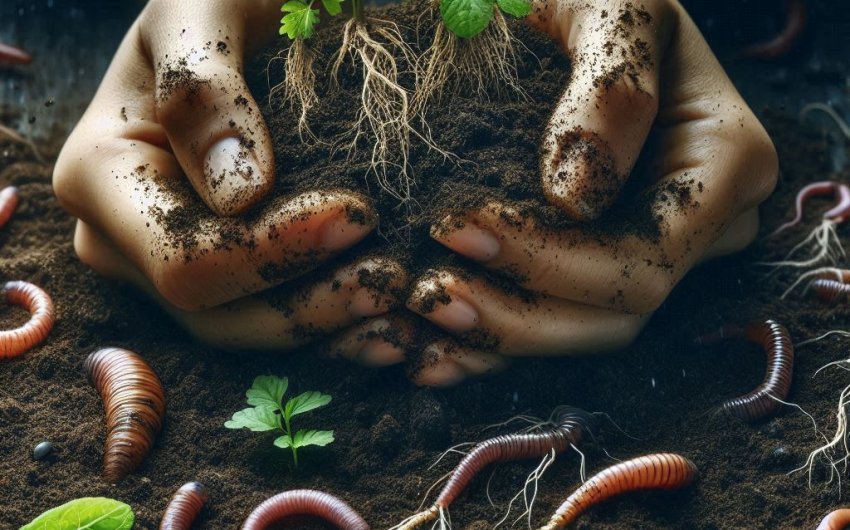
Understanding common soil problems is fundamental to successful gardening. The soil is the foundation of your garden, providing nutrients, water, and support for your plants. If your plants are struggling despite seemingly adequate care, the culprit is often an underlying soil issue. Identifying these problems early allows you to take corrective action, leading to healthier, more productive plants and a more vibrant garden overall.
What Are the Signs of Poor Soil Drainage?
Poor soil drainage is one of the most common soil problems and can quickly lead to plant stress and death, especially due to root rot.
How to Identify Poor Drainage
You don't need fancy equipment to tell if your soil has drainage issues. Just observe your garden after rain or watering.
- Standing Water: The most obvious sign is water pooling on the surface of your garden beds long after it should have soaked in. If puddles remain for several hours or even a day after rain, you have poor drainage.
- Slow Percolation: Dig a small hole (about 12 inches deep and 12 inches wide) in the affected area. Fill it with water and observe how long it takes to drain.
- Good Drainage: Drains within 1-2 hours.
- Moderate Drainage: Drains within 2-6 hours.
- Poor Drainage: Takes longer than 6 hours, or the water never fully drains.
- Soggy Soil: Even without standing water, the soil might feel constantly soggy or squishy to the touch, especially beneath the surface.
- Foul Odor: Soil that stays waterlogged can become anaerobic (lacking oxygen), producing a sulfuric, rotten egg smell.
- Plant Symptoms: Plants in poorly drained soil will show signs of stress:
- Yellowing Leaves: Especially lower leaves, indicating suffocation of roots.
- Stunted Growth: Roots can't absorb nutrients properly.
- Wilting: Even when the soil is wet, as roots are dying and can't transport water.
- Root Rot: Dark, mushy, smelly roots when you pull up a plant.
Causes of Poor Drainage
- High Clay Content: Clay particles are very small and compact easily, leaving little space for water and air.
- Compaction: Foot traffic, heavy machinery, or even heavy rain can compact soil, reducing pore space.
- Hardpan: A dense, impermeable layer beneath the topsoil, often formed by plowing or natural soil development, that prevents water from moving downwards.
- Poor Grading: Slopes that direct water into a low spot can cause pooling.
Solutions for Poor Drainage
Addressing poor drainage is crucial.
- Incorporate Organic Matter: This is the most effective long-term solution for clay soils. Add generous amounts of Compost, well-rotted manure, or other organic materials. Organic matter improves soil structure, creating larger pore spaces for water to drain and air to circulate.
- Raised Beds: For severe drainage problems, building Raised Garden Beds is an excellent solution, as you control the soil mix entirely.
- Double Digging or Deep Tilling: For existing beds, carefully double digging can break up compaction and hardpan layers. Avoid over-tilling, as it can destroy soil structure.
- Install French Drains or Swales: For large areas or persistent problems, consider installing a French Drain Kit to divert excess water. Swales (shallow ditches on contour) can also help manage water.
- Avoid Compaction: Don't walk on wet garden soil. Use designated pathways.
How Can I Tell If My Soil Is Too Sandy or Loamy?
The texture of your soil, specifically its sand, silt, and clay content, dictates how well it holds water and nutrients. This is another of the common soil problems.
Understanding Soil Texture
The "feel" test is a simple way to assess your soil's texture.
- Sand: Feels gritty and doesn't stick together.
- Silt: Feels smooth and powdery, like flour.
- Clay: Feels sticky and can be rolled into a ribbon.
- Loam: The ideal balance, feels crumbly, slightly gritty, and slightly sticky.
The Jar Test: A More Precise Method
- Take a soil sample (about 1 cup) from your garden.
- Remove any large debris (rocks, roots).
- Place the soil in a clear glass jar with a tight-fitting lid.
- Fill the jar with water, leaving about 2 inches of space at the top.
- Add 1 teaspoon of dish soap (helps separate particles).
- Shake vigorously for several minutes until soil is thoroughly mixed with water.
- Let it settle:
- After 1 minute: Sand particles will settle at the bottom. Mark the level.
- After 2 hours: Silt particles will settle above the sand. Mark the level.
- After 24 hours: Clay particles will settle on top of the silt. Mark the level.
- Organic matter will float on top.
- Measure the layers. Calculate the percentage of each layer (e.g., if total soil settled is 6 inches and sand is 3 inches, sand is 50%).
Compare your percentages to a soil texture triangle to identify your soil type.
Too Much Sand: Signs and Solutions
Sandy soil drains very quickly, often too quickly, leading to nutrient leaching.
- Signs:
- Water drains almost instantly.
- Soil feels gritty and loose.
- Plants dry out quickly, even with frequent watering.
- Nutrient deficiencies are common, leading to yellowing or stunted plants.
- Problems: Poor water retention, low nutrient retention, fast leaching.
- Solutions:
- Add Organic Matter: The best way to improve sandy soil. Compost acts like a sponge, holding water and nutrients. Work in generous amounts of Composted Manure or other organic materials.
- Cover Crops: Planting cover crops when beds are fallow helps build organic matter.
- Mulch: Apply a thick layer of Organic Mulch to reduce evaporation and improve moisture retention.
Too Much Clay: Signs and Solutions
Clay soil holds water well but compacts easily, leading to drainage and aeration issues.
- Signs:
- Water puddles on the surface (as discussed under poor drainage).
- Soil forms hard clumps when dry, becomes sticky when wet.
- Difficult to dig or cultivate.
- Plants show signs of root rot or nutrient deficiency due to poor aeration.
- Problems: Poor drainage, poor aeration, slow to warm up in spring.
- Solutions:
- Add Organic Matter: Again, the primary solution. Organic matter helps bind clay particles into larger aggregates, creating more pore space. Apply a thick layer of Leaf Mold or finished compost.
- Avoid Compaction: Do not walk on wet clay soil.
- Gypsum (Calcium Sulfate): Can sometimes help break up clay particles in sodic (high sodium) clay soils, but it's not a universal cure and should be used with caution and after a soil test.
Is My Soil pH Off Balance? How Can I Fix It?
Soil pH, a measure of its acidity or alkalinity, profoundly affects nutrient availability to plants. This is a very common, yet often overlooked, one of the common soil problems.
What is Soil pH?
- pH Scale: Runs from 0-14.
- pH 7: Neutral
- Below 7: Acidic
- Above 7: Alkaline (or basic)
- Nutrient Availability: Most garden plants prefer a slightly acidic to neutral pH (6.0-7.0). At this range, essential nutrients like nitrogen, phosphorus, potassium, and micronutrients are most available to plant roots. When pH is too high or too low, some nutrients become locked up, even if present in the soil.
Signs of Incorrect Soil pH
Plants will often show symptoms of nutrient deficiencies even if the nutrients are technically in the soil.
- Stunted Growth: Overall lack of vigor.
- Yellowing Leaves (Chlorosis): Can indicate iron or manganese deficiency in alkaline soils, or nitrogen deficiency in acidic soils.
- Purpling Leaves: Often a sign of phosphorus deficiency, which can occur in very acidic or very alkaline soils.
- Poor Response to Fertilizer: If you're fertilizing but plants aren't improving, pH could be the issue.
- Certain Weeds Thrive: Some weeds are indicators of specific pH levels. For example, horsetail and sorrel can indicate acidic soil, while broadleaf plantain can indicate alkaline soil.
How to Test Soil pH
A soil test kit is indispensable.
- Home Test Kits: Soil pH Test Kits are affordable and provide quick results. Follow instructions carefully.
- Professional Soil Test: For the most accurate results and detailed nutrient analysis, send a sample to your local agricultural extension office or a private lab. This is highly recommended for persistent soil problems.
Adjusting Soil pH
Adjusting pH takes time and regular monitoring.
Raising pH (Making Soil More Alkaline):
If your soil is too acidic:
- Agricultural Lime: The most common amendment. It's slow-acting, so apply in fall or early spring.
- Dolomitic Lime: Contains both calcium and magnesium.
- Calcitic Lime: Contains primarily calcium.
- Wood Ash: Can raise pH quickly but use sparingly, as it also adds potassium.
- Compost: While primarily a pH buffer, mature compost tends to be slightly alkaline and can help raise pH over time.
Lowering pH (Making Soil More Acidic):
If your soil is too alkaline:
- Elemental Sulfur: Slow-acting, breaks down into sulfuric acid.
- Sphagnum Peat Moss: Very effective for lowering pH, but peat is a non-renewable resource, so use sparingly and consider alternatives.
- Compost/Pine Needles: Organic materials like Pine Bark Fines or pine needles decompose to release mild acids, helping to lower pH gradually.
- Acidifying Fertilizers: Fertilizers containing ammonium sulfate or urea can also help.
Always follow recommended application rates based on your soil test results. Over-correcting pH can be as damaging as the original problem.
Am I Dealing with Nutrient Deficiencies or Excesses?
Nutrient imbalances are high on the list of common soil problems, directly impacting plant health and yield.
Signs of Nutrient Deficiencies
Different deficiencies produce different symptoms in plants.
- Nitrogen (N) Deficiency:
- Symptoms: Overall yellowing of older leaves (starting from the tips), stunted growth, pale green foliage.
- Why: Nitrogen is crucial for leaf growth and chlorophyll production.
- Phosphorus (P) Deficiency:
- Symptoms: Purplish tint on leaves (especially undersides), stunted growth, poor flowering/fruiting.
- Why: Essential for root development, flowering, and energy transfer.
- Potassium (K) Deficiency:
- Symptoms: Yellowing or browning along leaf margins (edges) of older leaves, weak stems, poor fruit development.
- Why: Important for overall plant vigor, water regulation, and disease resistance.
- Iron (Fe) Deficiency:
- Symptoms: Yellowing between veins of new leaves (interveinal chlorosis), while veins remain green. Common in high pH soils.
- Why: Essential for chlorophyll production.
- Magnesium (Mg) Deficiency:
- Symptoms: Yellowing between veins of older leaves, often starting at the margins.
- Why: Part of the chlorophyll molecule.
A detailed soil test is the best way to confirm specific nutrient deficiencies and guide targeted fertilization.
Signs of Nutrient Excess
Too much of a good thing can also be a problem.
- Fertilizer Burn: Brown, crispy leaf tips or margins, overall wilting, especially after over-applying synthetic fertilizers. Excess salts pull water out of the roots.
- Dark Green, Lush Growth with Few Flowers/Fruit: Often a sign of too much nitrogen, especially in fruiting or flowering plants. The plant prioritizes vegetative growth.
- Stunted Growth/Death: Severe nutrient toxicity can directly damage roots and plant tissue.
Solutions for Nutrient Imbalances
- Soil Test First: Always get a professional Soil Test Kit to understand your soil's baseline. Guessing can lead to applying the wrong amendments.
- Add Organic Matter: Incorporating compost is the best all-around way to improve nutrient cycling. Compost provides a slow, steady release of a balanced range of nutrients.
- Targeted Fertilization: Based on soil test results, use specific fertilizers to address deficiencies.
- Nitrogen: Blood meal, composted manure, alfalfa meal.
- Phosphorus: Bone meal, rock phosphate.
- Potassium: Greensand, kelp meal, wood ash (use sparingly).
- Micronutrients: Often corrected by adding a balanced Micronutrient Supplement or more compost.
- Leach Excess Salts: If fertilizer burn is suspected, flush the soil by watering deeply and repeatedly until water drains freely from the bottom of the pot or bed. This washes away excess salts.
Is My Soil Lacking Organic Matter?
Lack of organic matter is arguably the most pervasive of all common soil problems and contributes to many other issues.
Why Organic Matter is Crucial
Organic matter is the lifeblood of healthy soil. It's decomposed plant and animal material.
- Improves Soil Structure: Helps sandy soils hold water and nutrients, and helps clay soils become less dense and more porous.
- Increases Water Retention: Acts like a sponge, holding moisture for plants.
- Enhances Drainage: Creates aggregates, allowing water to percolate through clay soils.
- Feeds Soil Life: Provides food for beneficial microbes, earthworms, and fungi, which in turn cycle nutrients and improve soil structure.
- Nutrient Reservoir: Slowly releases essential nutrients to plants over time.
- Buffers pH: Helps stabilize soil pH, making it less prone to drastic fluctuations.
Signs of Low Organic Matter
- Poor Soil Structure:
- Sandy Soil: Water drains too quickly, doesn't hold shape.
- Clay Soil: Forms hard clods, cracks when dry, stays waterlogged when wet.
- Low Fertility: Plants show signs of nutrient deficiencies despite fertilization.
- Lack of Earthworms: A healthy soil with abundant organic matter will typically have a visible earthworm population.
- Crusting: Soil surface forms a hard crust after rain, making it difficult for seedlings to emerge.
- Rapid Drying: Soil dries out quickly, requiring frequent watering.
Solutions for Low Organic Matter
Building organic matter is a long-term process, but the results are transformative.
- Compost, Compost, Compost: Regularly amend your garden beds with generous layers of Finished Compost. You can make your own or buy it.
- Composted Manure: A rich source of organic matter and nutrients.
- Mulch Heavily: Apply a thick layer of organic mulch (shredded leaves, wood chips, straw, pine needles) on top of your soil. This decomposes over time, adding organic matter, conserving moisture, and suppressing weeds.
- Cover Cropping: Plant cover crops (e.g., clover, vetch, rye) in fallow beds. They protect the soil, add organic matter when tilled in, and can even fix nitrogen.
- Leave Plant Debris: Instead of completely clearing garden beds in fall, leave some spent plant stalks and leaves to decompose naturally (unless they are diseased).
- No-Till or Low-Till Gardening: Minimizing disturbance to the soil helps preserve existing organic matter and soil structure, encouraging healthy soil life.
Are There Harmful Contaminants in My Garden Soil?
While less common, soil contamination can be a serious soil problem that affects plant and human health.
Types of Contaminants
- Heavy Metals: Lead, arsenic, cadmium, mercury, etc. Can come from old paint, industrial pollution, treated lumber, or even historical pesticide use.
- Pesticides/Herbicides: Residues from past agricultural or lawn care practices.
- Petroleum Products: Leaks from old fuel tanks or accidental spills.
Signs of Contamination
It's often difficult to identify contamination by visual inspection alone.
- Unexplained Plant Failure: Plants struggling or dying for no apparent reason, despite ideal care.
- Stunted or Distorted Growth: Severe nutrient deficiencies not explained by soil tests.
- Proximity to Old Structures: Homes built before 1978 might have lead paint flakes in the soil.
- Previous Land Use: Old industrial sites, former agricultural fields, or areas near busy roads.
How to Test for Contaminants
This is one area where a professional soil test is absolutely necessary.
- Specialized Labs: Contact your local extension office or a private environmental testing lab for a heavy metal screening. Specify that you are concerned about contaminants if you call.
- Soil History: Provide as much information as possible about the history of the site.
Solutions for Contamination
- Avoid Planting: The safest option for severely contaminated areas is to avoid growing edible plants directly in the soil.
- Raised Beds with Clean Soil: Build Raised Garden Beds and fill them with certified clean, imported topsoil. Place a permeable barrier (like landscape fabric) at the bottom to prevent old soil from mixing with new.
- Phytoremediation: For mild contamination and non-edible plants, some plants can absorb or stabilize contaminants (e.g., sunflowers for lead). However, this is a specialized process and shouldn't be relied upon for food crops.
- Soil Remediation Services: For very large or severe sites, professional remediation might be necessary, but this is usually a large-scale and costly endeavor.
Always prioritize safety if you suspect soil contamination. Wash hands thoroughly after gardening, and wash produce before eating.
What Are Common Problems with Soil Biology?
A healthy garden depends on a thriving community of microscopic organisms, earthworms, and other creatures that form the soil food web. When this biology is out of whack, it becomes one of the often-unseen common soil problems.
Signs of Unhealthy Soil Biology
- Lack of Earthworms: Dig a small hole. If you don't see any earthworms, it's a red flag.
- Compacted Soil: Microbes help create stable soil aggregates. Low biological activity can lead to compaction.
- Poor Nutrient Cycling: Plants struggling even with adequate nutrients, as microbes are essential for breaking down organic matter and making nutrients available.
- Increased Disease: A balanced soil microbiome can suppress plant pathogens. Unhealthy soil may see more disease outbreaks.
- Slow Decomposition: Organic materials on the surface break down very slowly.
- Crusty Surface: Lack of biological activity can contribute to soil crusting.
Causes of Unhealthy Soil Biology
- Overuse of Synthetic Fertilizers: While providing nutrients, they can bypass and even harm the natural soil food web, making plants "lazy" and dependent.
- Pesticide/Herbicide Use: These chemicals can kill beneficial microbes and earthworms along with pests and weeds.
- Lack of Organic Matter: No food source for soil organisms.
- Compaction: Reduces oxygen, harming aerobic microbes.
- Tillage: Excessive tilling disrupts soil structure and harms fungal networks.
Solutions for Improving Soil Biology
Building a healthy soil food web is key to long-term garden success.
- Add Organic Matter: This is the single most important step. Compost, leaf mold, and other organic amendments provide food for soil microbes and earthworms.
- Compost Tea: Brewed Compost Tea is rich in beneficial microbes and can be applied as a soil drench or foliar spray.
- Minimize Tillage: Adopt a no-till or low-till approach to preserve soil structure and fungal networks.
- Mulch: A continuous layer of organic mulch protects the soil, moderates temperature and moisture, and provides habitat and food for soil organisms.
- Avoid Synthetics (or Use Sparingly): Reduce reliance on synthetic fertilizers and pesticides. Opt for organic pest control methods and natural soil amendments.
- Cover Cropping: Living roots exude compounds that feed soil microbes. Cover crops keep the soil biology active even when garden beds are fallow.
- Introduce Worms: For new beds or those severely lacking, you can add Composting Worms to kickstart the process.
By actively nurturing your soil biology, you create a resilient, self-sustaining garden ecosystem that naturally addresses many common soil problems. Regularly observing your plants and the soil beneath them is the best way to catch issues early and ensure your garden thrives.