
How Do Earthworms Benefit Garden Soil?
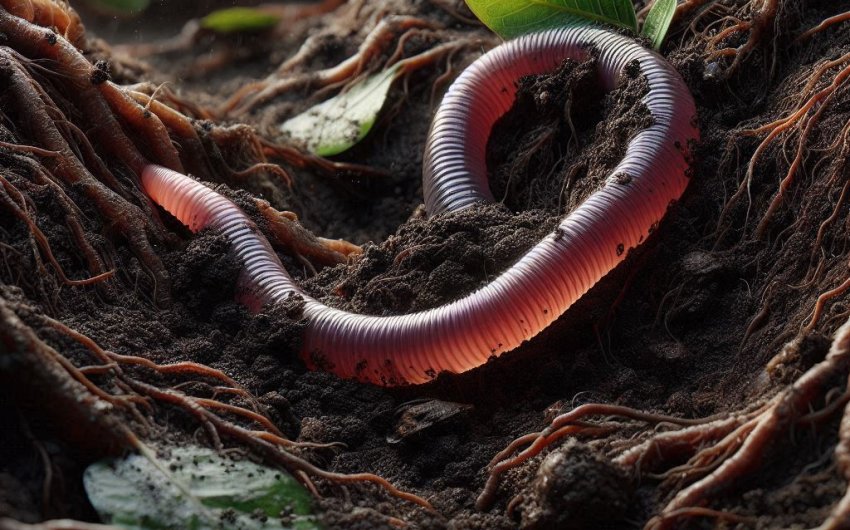
Often unseen beneath the garden's surface, the humble earthworm plays an extraordinary role in nurturing the very foundation of plant life. Understanding how do earthworms benefit garden soil unlocks a deeper appreciation for these diligent creatures, revealing them as indispensable allies in creating a fertile, productive, and vibrant growing environment. This comprehensive guide will explore the myriad ways these underground engineers enhance soil structure, nutrient availability, and overall ecosystem health.
What do earthworms do in the soil?
Before delving into the specific benefits, it's helpful to understand the basic activities that define how do earthworms benefit garden soil. These tireless invertebrates are constantly at work, processing organic matter and moving through the soil layers, fundamentally altering its physical and chemical properties.
What are the main activities of earthworms?
- Burrowing and Tunneling (Aeration):
- Earthworms are constantly digging and moving through the soil, creating a vast network of tunnels and burrows. These tunnels can extend deep into the soil profile.
- This physical movement breaks up compacted soil, making it looser and more crumbly.
- Ingesting and Digesting (Composting/Cycling):
- Earthworms consume vast amounts of organic matter, including decaying plant material (leaves, roots, grass clippings), microbes, and even soil particles.
- This material passes through their digestive system, where it is finely ground, mixed with digestive enzymes, and enriched with beneficial microbes.
- Excreting Castings:
- The digested material is then excreted as "castings" (worm poop), which are essentially concentrated packets of highly fertile, nutrient-rich soil. These castings are typically deposited on the surface or within their burrows.
- Mixing Soil Layers:
- As they move up and down through the soil profile, earthworms pull organic matter from the surface down into deeper layers and bring mineral soil particles up. This action mixes different soil horizons.
- Creating Mucus (Slime):
- Earthworms produce a slimy mucus as they move, which helps to bind soil particles together into stable aggregates.
These continuous actions form the basis of all the incredible ways earthworms benefit garden soil. They are essentially nature's plows, composters, and aerators, all rolled into one efficient package.
How do earthworms improve soil structure and aeration?
One of the most immediate and profound answers to how do earthworms benefit garden soil lies in their remarkable ability to transform its physical structure, directly enhancing aeration and drainage. These industrious creatures are nature's ultimate tillers.
How do earthworms' tunnels create aeration?
- Pore space creation: As earthworms burrow through compacted soil, they create a vast network of intricate channels and tunnels. These tunnels act as permanent macro-pores (large pores) within the soil.
- Oxygen for roots: These new pore spaces allow vital oxygen to penetrate deeper into the soil profile. Plant roots, just like all living organisms, require oxygen for respiration, the process that provides energy for nutrient and water uptake. In compacted or waterlogged soils, roots can suffocate, leading to weak or unhealthy plants. Earthworm tunnels ensure a continuous supply of air.
- Carbon dioxide release: The tunnels also facilitate the escape of carbon dioxide, a byproduct of root and microbial respiration, which can become toxic in poorly aerated soil.
How do earthworms enhance water infiltration and drainage?
- Rainwater absorption: The extensive network of earthworm burrows acts like miniature drainage pipes, allowing rainwater and irrigation water to infiltrate the soil much more quickly and deeply. Instead of running off the surface (causing erosion and waste), water is directed straight to the root zone.
- Reduced waterlogging: By improving infiltration, earthworm activity significantly reduces surface pooling and waterlogging, preventing anaerobic conditions (lack of oxygen) that are harmful to most plants.
- Improved soil consistency: Earthworms help break up dense clay soils, making them looser and more friable (crumbly). In sandy soils, their activity, combined with their mucus, can help bind loose particles into aggregates, improving their ability to retain some moisture without becoming waterlogged.
How do earthworms create stable soil aggregates?
- Mucus production: As earthworms move, they secrete a sticky, polysaccharide-rich mucus (their "slime"). This mucus acts as a natural glue.
- Binding action: This mucus, along with microbial activity, helps to bind individual soil particles (sand, silt, clay) together into larger, more stable clumps called aggregates.
- Improved tilth: A well-aggregated soil has excellent "tilth" – it's crumbly, easy to work, and has a good balance of pore spaces for air and water. Stable aggregates resist compaction and erosion.
- Channels within aggregates: Within these aggregates, smaller pores (micro-pores) retain water for plant use, while the larger pores between aggregates allow for rapid drainage and aeration.
By their tireless tunneling and mucus production, earthworms fundamentally restructure the soil, creating a healthier, more breathable, and better-drained environment, definitively answering how do earthworms benefit garden soil in terms of physical improvement.
How do earthworms contribute to nutrient cycling and availability?
Beyond their remarkable impact on soil structure, earthworms are powerhouse performers in nutrient cycling, making essential plant nutrients more available and fertile. This is a key aspect of how do earthworms benefit garden soil.
How do earthworms digest organic matter?
- Breakdown of large material: Earthworms consume vast amounts of decaying organic matter – dead leaves, grass clippings, roots, and other plant debris. They physically break down larger pieces into smaller fragments.
- Enzymatic digestion: As this material passes through their gut, it's mixed with powerful digestive enzymes and beneficial microorganisms. This process accelerates decomposition far beyond what would occur without them.
- Microbial activity: The earthworm's gut acts as a "mini-bioreactor." It houses a rich community of microbes that further break down complex organic compounds. The digested material emerges from the earthworm's gut with a significantly higher microbial population.
What are the benefits of earthworm castings?
The most famous output of an earthworm is its "castings," often called "black gold" by gardeners due to their incredible fertility.
- Concentrated nutrients: Earthworm castings are richer in plant-available nutrients than the surrounding soil. They contain:
- More available nitrogen: Earthworms convert nitrogen from organic forms into forms readily usable by plants (nitrates).
- Increased phosphorus: Castings contain more phosphorus, often in a more plant-available form.
- Higher potassium: Elevated levels of potassium, another key macronutrient.
- Micronutrients: Increased amounts of essential micronutrients like calcium, magnesium, iron, and zinc.
- Slow-release fertilization: Nutrients in castings are released slowly over time as microbes continue their work, providing a steady and consistent food supply for plants, reducing the need for synthetic fertilizers.
- Improved soil aggregation: Castings are already well-aggregated, contributing to healthy soil structure.
- Increased microbial diversity: Castings are packed with beneficial microbes, further enhancing soil biology.
How do earthworms mix and transport nutrients?
- Vertical mixing: As earthworms tunnel up and down, they pull organic matter from the surface (like fallen leaves) into deeper soil layers, distributing nutrients and improving fertility throughout the soil profile.
- Bringing nutrients to the surface: Deep-dwelling earthworms can also bring up mineral particles from lower strata, helping to mix these into the upper, more active root zone.
- Creation of humus: Through their digestive processes, earthworms contribute to the formation of stable humus, a long-lasting form of organic matter that locks up nutrients, improves soil structure, and enhances water retention.
By continuously processing organic material, producing highly fertile castings, and mixing the soil layers, earthworms act as living nutrient factories and transporters, fundamentally answering how do earthworms benefit garden soil in terms of nutrient availability and overall fertility.
How do earthworms affect plant growth and health?
The direct impact of earthworm activity on plants is profound, manifesting in more vigorous growth, enhanced resilience, and overall better health. This is a cumulative result of all the ways earthworms benefit garden soil.
How do earthworms directly promote root development?
- Easier root penetration: The network of burrows and the improved soil structure (better aggregation and reduced compaction) created by earthworms make it much easier for plant roots to grow and extend. Roots don't have to expend as much energy pushing through dense soil.
- Access to deeper water and nutrients: Deeper roots can access water and nutrients stored in lower soil profiles, making plants more resilient to drought and nutrient fluctuations.
- Improved oxygen for roots: Healthy root growth is directly linked to adequate oxygen. Earthworm tunnels ensure roots have the oxygen they need for efficient respiration and nutrient uptake.
How do earthworms indirectly enhance nutrient uptake?
- Increased nutrient availability: As discussed, earthworm castings are rich in plant-available nutrients. When roots encounter these casting-filled burrows, they have immediate access to a concentrated source of food.
- Microbial benefits: The increased microbial activity stimulated by earthworms further breaks down nutrients, making them more absorbable by plant roots. Some microbes also convert nutrients into forms that are easier for plants to take up.
- Humus formation: Earthworms contribute to humus, which acts as a nutrient reservoir, slowly releasing sustenance to plants over time.
How do earthworms increase plant vigor and resilience?
- Stronger plants: Plants with well-developed root systems and consistent access to balanced nutrition are simply stronger and more vigorous. They are better equipped to withstand environmental stresses like drought, heat, and even some pest and disease pressures.
- Improved water access: Enhanced water infiltration and retention in earthworm-rich soil mean plants are less likely to suffer from acute water stress, even during dry spells.
- Disease suppression: While not direct disease fighters, the healthy, balanced microbial community fostered by earthworms can outcompete or suppress harmful soil-borne pathogens, contributing to overall plant health.
- Drought tolerance: Plants with deeper, healthier root systems due to earthworm activity are naturally more tolerant of periods without rain, as they can tap into deeper water reserves.
The cumulative effect of these benefits is a thriving garden where plants grow larger, stronger, and more vibrantly. Earthworms are silent, tireless partners in cultivation, undeniably demonstrating how do earthworms benefit garden soil directly impacting the very life of your plants.
What methods attract earthworms to your garden?
Understanding how do earthworms benefit garden soil naturally leads to the question of how to invite and encourage these valuable allies into your growing space. Creating an earthworm-friendly environment is all about providing them with their basic needs: food, moisture, shelter, and a comfortable living space.
What do earthworms need to thrive?
- Food (Organic Matter): This is their primary sustenance. Earthworms consume decaying plant and animal material.
- Moisture: Earthworms breathe through their skin and require a moist (but not waterlogged) environment to survive. They cannot move through dry soil.
- Shelter/Habitat: They need consistent soil where they can burrow and be protected from extreme temperatures, predators, and direct sunlight.
- Optimal pH: Most earthworms prefer a neutral to slightly acidic soil pH (around 6.0 to 7.0), which is also ideal for most garden plants.
What are the best methods to attract and sustain earthworms?
- Add Abundant Organic Matter: This is the single most important action.
- Compost: Regularly incorporate well-rotted garden compost into your garden beds. It's a readily available food source and improves soil structure.
- Mulch: Apply a consistent layer of organic mulch (shredded leaves, straw, wood chips) over your garden beds. As it breaks down, it provides a continuous food source and maintains soil moisture and temperature. Find a good garden mulch.
- Leave crop residues: If appropriate, leave spent plant material (non-diseased) on the soil surface to decompose.
- Minimize Soil Disturbance (No-Till/Reduced Tillage):
- Why: Tilling or digging extensively can disrupt earthworm burrows, injure or kill earthworms, and expose them to predators and desiccation. It also brings dormant weed seeds to the surface.
- Practice: Opt for no-till or reduced-tillage gardening where possible. Instead of digging, add organic matter to the surface (top-dressing) and let the earthworms incorporate it for you.
- Maintain Consistent Soil Moisture:
- Regular watering: Ensure your garden receives regular, deep watering to keep the soil consistently moist.
- Mulch again: A layer of mulch significantly helps retain soil moisture, preventing the soil from drying out on the surface.
- Avoid Harmful Chemicals:
- Pesticides and fungicides: Many synthetic pesticides, fungicides, and even some herbicides can be harmful to earthworms and beneficial soil microbes.
- Fertilizers: While some synthetic fertilizers are okay in moderation, excessive use or high salt formulations can be detrimental. Opt for organic fertilizers that feed the soil life.
- Adjust Soil pH (if necessary):
- Perform a soil test (soil testing kit) to ensure your soil pH is in the optimal range (6.0-7.0) for earthworm activity and plant growth.
- Diversify Plantings (Root Exudates):
- A diverse range of plants contributes diverse organic matter (from root sloughing and exudates) to the soil, feeding different types of microbes that in turn support earthworms.
By consistently applying these natural and sustainable practices, you create an irresistibly hospitable environment for earthworms, ensuring they tirelessly work to benefit garden soil for years to come.
What common myths about earthworms should gardeners know?
Despite their incredible importance, several common misconceptions surround earthworms. Dispelling these myths is crucial for truly understanding how do earthworms benefit garden soil and ensuring gardeners nurture these vital creatures rather than inadvertently harming them.
Myth 1: You need to add earthworms to your garden for them to be beneficial.
- The Myth: Many gardeners believe they need to purchase and introduce composting worms (often Red Wigglers) to their garden soil to get the benefits.
- The Reality: If you have healthy soil and provide the right conditions (food, moisture, undisturbed habitat), native earthworm populations will naturally colonize and thrive. They'll come if the environment is hospitable. The worms you buy for composting (like Red Wigglers) are surface dwellers (epigeic) and are not the same deep-burrowing species (anecic) that do most of the aeration in garden beds. Releasing composting worms into your garden may not be effective if the conditions aren't right for their survival, and can even be harmful if they compete with native species.
- Solution: Focus on creating an inviting environment with organic matter, moisture, and minimal tillage. The worms will find you.
Myth 2: Earthworms are only good for aerating.
- The Myth: While aeration is a highly visible benefit, some gardeners think that's the only significant role earthworms play.
- The Reality: As explored in detail, earthworms are far more than just aerators. They are critical to:
- Nutrient cycling: Converting organic matter into plant-available nutrients (castings).
- Soil aggregation: Creating stable soil structure.
- Water infiltration and retention: Improving both.
- Stimulating microbial activity: Fostering a healthy soil food web.
- Detoxifying contaminants: Some studies suggest they can help break down certain pollutants.
- Solution: Appreciate earthworms as multi-talented contributors to overall soil health, not just aerators.
Myth 3: If you don't see earthworms, your soil is dead.
- The Myth: A visual absence of earthworms on the surface or when digging a small hole means your soil lacks life.
- The Reality: Earthworms, especially the deep-dwelling species, spend most of their lives underground. Their presence can vary based on:
- Time of day: They are often more active at night or in very damp conditions.
- Depth: You might not dig deep enough to find them.
- Environmental stress: They might move deeper during drought or extreme cold.
- Soil health: While a lack can indicate poor soil, it's not the only indicator. A healthy soil food web includes countless microscopic organisms that are vital even if worms aren't immediately visible.
- Solution: Rely on other soil health indicators like good drainage, crumbly texture, and healthy plant growth. If these are good, worms are likely present. Continue to add organic matter to make your soil even more inviting.
Myth 4: Earthworm castings are "dirt" and not that special.
- The Myth: Castings are just regular soil passed through a worm.
- The Reality: Earthworm castings are biologically and chemically superior to raw soil. They are concentrated pockets of nutrients, microbes, and humus, with a perfectly balanced pH. They are a premium soil amendment. You can buy earthworm castings for plants as a standalone fertilizer.
- Solution: Recognize the immense value of castings as a natural, slow-release fertilizer and soil conditioner.
By dispelling these common myths, gardeners can better understand and support the incredible work of these subterranean superheroes, truly grasping how do earthworms benefit garden soil and empowering them to create more resilient and productive growing spaces.
What is the relationship between earthworms and soil compaction?
The critical connection between earthworms and soil compaction is a fundamental aspect of how do earthworms benefit garden soil. Compacted soil is one of the most challenging conditions for plant growth, and earthworms are nature's most efficient combatants against it.
What is soil compaction?
Soil compaction occurs when soil particles are pressed together, reducing the amount of pore space (the tiny gaps) between them. This happens due to:
- Foot traffic: Walking on wet soil.
- Heavy equipment: Driving vehicles or machinery over the ground.
- Rainfall impact: Heavy rain on bare soil can break down aggregates and lead to compaction.
- Poor soil structure: Soils low in organic matter and beneficial microbes are more prone to compaction.
Why is compacted soil bad for gardens?
- Lack of oxygen (anaerobic conditions): Reduced pore space means less air. Plant roots need oxygen for respiration and nutrient absorption. In compacted soil, roots essentially suffocate.
- Poor water infiltration and drainage: Water runs off the surface instead of soaking in, leading to erosion and drought stress. If it does get in, it gets trapped, leading to waterlogging.
- Restricted root growth: Roots cannot easily penetrate dense, compacted soil, limiting their access to water and nutrients. This results in shallow, weak root systems.
- Reduced microbial activity: Beneficial soil microbes, which require oxygen to thrive, suffer in compacted conditions, further hindering nutrient cycling.
How do earthworms combat soil compaction?
Earthworms act as natural, continuous aerators and soil conditioners, directly reversing the effects of compaction:
- Mechanical Loosening (Tunnels):
- Physical disruption: As earthworms burrow, they physically push apart compacted soil particles, creating permanent channels (macro-pores).
- Pathways for roots: These tunnels provide easy pathways for new plant roots to follow, allowing them to penetrate deeper into the soil.
- Improved gas exchange: The tunnels allow air to move into the soil and carbon dioxide to move out, providing essential oxygen to roots and beneficial microbes.
- Soil Aggregation (Binding):
- Mucus and castings: Earthworms produce a sticky mucus and excrete well-aggregated castings. Both of these substances bind smaller soil particles into larger, more stable aggregates.
- Resilience to compaction: These stable aggregates are more resistant to re-compaction from external forces. They help maintain an open, crumbly structure.
- Better water infiltration: The space between stable aggregates allows water to quickly infiltrate the soil.
- Organic Matter Incorporation:
- As earthworms pull organic matter from the surface into the soil, they contribute to the long-term buildup of humus. Humus significantly improves soil structure, making it more resistant to compaction and enhancing its ability to drain while retaining moisture.
The combined effect of earthworm tunneling and their contribution to stable soil aggregates results in a dramatically improved soil structure that naturally resists compaction. This continuous, living form of aeration and conditioning is one of the most compelling reasons why earthworms benefit garden soil so profoundly, transforming dense, lifeless soil into a vibrant, breathable medium for plant life.