
What are the Best Flowers for a Beginner's Garden?
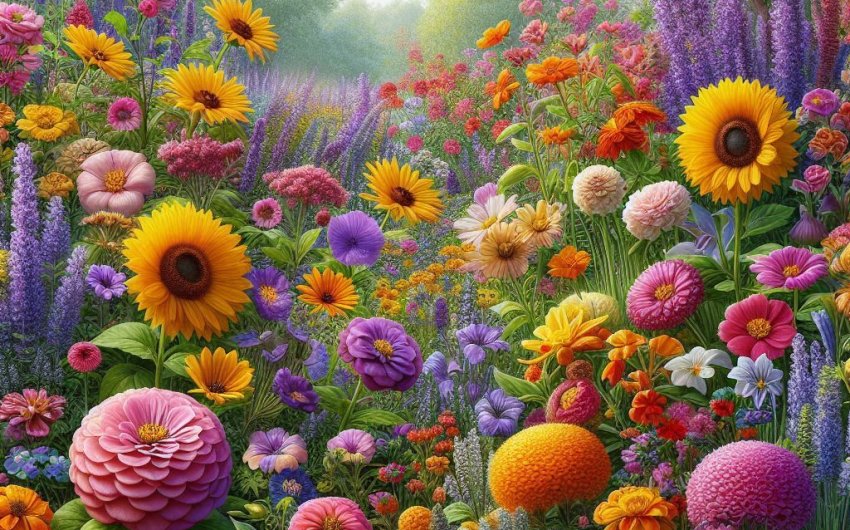
Embarking on the journey of creating a vibrant outdoor space can be incredibly rewarding, and discovering what are the best flowers for a beginner's garden is a fantastic starting point for anyone new to horticulture. Starting with resilient, easy-to-grow varieties ensures early success, building confidence and fostering a lifelong passion for gardening. This extensive guide will highlight a selection of beautiful and forgiving blooms that require minimal fuss, offering expert tips on planting, care, and common challenges, so you can transform your yard into a colorful haven with ease.
What makes a flower beginner-friendly?
For new gardeners, the key to success and continued enthusiasm lies in choosing plants that are resilient and forgiving. Understanding these core characteristics will help you identify the best flowers for a beginner's garden.
Key characteristics of beginner-friendly flowers:
- Low Maintenance:
- Less frequent watering: They can tolerate some drought, meaning you don't have to water daily.
- Minimal fertilizing: They don't require constant feeding to thrive.
- Pest and disease resistance: Naturally sturdy against common garden pests and fungal issues.
- No complex pruning: They don't need intricate trimming to look good or produce blooms.
- Tolerant of Various Conditions:
- Adaptable to soil types: They can grow well in a range of soil conditions, even if your soil isn't perfect.
- Sun/shade flexibility: While most flowers need sun, beginner-friendly options might tolerate a bit of partial shade or fluctuating light.
- Heat/cold tolerance: They can withstand typical weather fluctuations in your climate without wilting or dying quickly.
- Easy to Grow from Seed or Transplant:
- High germination rate: Seeds sprout reliably.
- Quick establishment: Transplants settle in rapidly without much shock.
- Vigorous growth: They grow relatively quickly, providing visible progress and encouragement.
- Long Blooming Season:
- Flowers that bloom for an extended period provide continuous color and a sense of accomplishment.
- Readily Available:
- Easy to find as seeds or young plants at local garden centers or online.
- Clearly Labeled:
- Information on preferred growing conditions (sunlight, soil, spacing) is easy to understand on seed packets or plant tags.
By focusing on these traits, new gardeners can select plants that are more likely to succeed, leading to a joyful and confidence-building gardening experience rather than frustration.
What are the best annual flowers for beginners?
Annual flowers complete their entire life cycle in one growing season, meaning they sprout, grow, flower, set seed, and die within a single year. They are fantastic for beginners because they offer immediate, season-long color and are often very forgiving.
1. Marigolds (Tagetes)
- Why they're great for beginners: Extremely hardy, tolerant of various soil conditions, and love full sun. They are renowned for deterring certain garden pests, making them a beneficial companion plant.
- Colors: Vibrant shades of yellow, orange, and red.
- Care tips:
- Light: Full sun (at least 6 hours direct sun).
- Water: Moderate. Once established, they are quite drought-tolerant.
- Soil: Adaptable, but prefer well-draining soil.
- Deadheading: Removing spent blooms (deadheading) encourages more flowers.
- Where to find: Easily found as marigold seeds or young plants at any garden center.
2. Zinnias (Zinnia elegans)
- Why they're great for beginners: Incredibly easy to grow from seed, rapid growers, and produce abundant, colorful blooms all summer long. They are a favorite of pollinators.
- Colors: Nearly every color imaginable, often with multiple colors on one plant. Various flower forms (single, double, dahlia-flowered, cactus-flowered).
- Care tips:
- Light: Full sun.
- Water: Moderate, regular watering for best blooms, but tolerate some dry spells.
- Soil: Well-draining soil.
- Deadheading: Crucial for continuous blooming.
- Where to find: Zinnia seeds are inexpensive and sprout quickly. Also available as young plants.
3. Cosmos (Cosmos bipinnatus)
- Why they're great for beginners: Delicate, airy appearance belying their tough nature. Very easy to grow from seed and tolerate poor soil conditions, often blooming more prolifically with less fertility.
- Colors: White, pink, purple, and yellow shades, often with vibrant centers.
- Care tips:
- Light: Full sun.
- Water: Low to moderate. Drought-tolerant once established.
- Soil: Adaptable; avoid overly rich soil as it can lead to leggy growth and fewer flowers.
- Deadheading: Encourages more blooms.
- Where to find: Widely available as cosmos seeds.
4. Impatiens (Impatiens walleriana or New Guinea Impatiens)
- Why they're great for beginners: One of the best choices for shady spots, providing continuous, vibrant color where many other flowers won't bloom.
- Colors: Wide range of vibrant colors from white to pink, red, orange, and purple.
- Care tips:
- Light: Partial to full shade (Impatiens walleriana) or partial sun (New Guinea Impatiens).
- Water: Need consistent moisture; do not let them dry out completely.
- Soil: Rich, well-draining soil.
- Deadheading: Generally self-cleaning, requiring little deadheading.
- Where to find: Primarily sold as impatiens bedding plants at garden centers.
5. Nasturtiums (Tropaeolum majus)
- Why they're great for beginners: Very easy to grow from large seeds, even in poor soil. Both the flowers and leaves are edible, adding a peppery kick to salads. Come in bush and vining forms.
- Colors: Yellow, orange, red, and cream.
- Care tips:
- Light: Full sun to partial shade.
- Water: Low to moderate; dislike overly rich soil which promotes foliage over flowers.
- Soil: Poor to average, well-draining soil.
- Pests: Can sometimes attract aphids; good for trapping them away from other plants.
- Where to find: Easy to find as nasturtium seeds.
6. Sweet Alyssum (Lobularia maritima)
- Why they're great for beginners: A low-growing, spreading annual that produces masses of tiny, fragrant flowers. Great for edging, filling gaps, or containers. Very forgiving.
- Colors: White, pink, purple.
- Care tips:
- Light: Full sun to partial shade.
- Water: Moderate, prefers consistent moisture but can tolerate some dryness.
- Soil: Adaptable, well-draining.
- Deadheading: Shear back leggy plants to encourage new blooms.
- Where to find: Commonly sold as sweet alyssum seeds or young plants.
What are the best perennial flowers for beginners?
Perennial flowers return year after year, making them a fantastic long-term investment for a beginner's garden. They establish a reliable base of color and structure with minimal effort once established.
1. Coneflowers (Echinacea purpurea)
- Why they're great for beginners: Incredibly tough, drought-tolerant once established, and a magnet for bees and butterflies. They are native to North America, making them well-suited for many climates.
- Colors: Classic purple, but new varieties come in white, yellow, orange, and red.
- Care tips:
- Light: Full sun.
- Water: Low once established.
- Soil: Adaptable, prefers well-draining soil.
- Deadheading: Can prolong bloom, but leaving spent seed heads provides winter interest and food for birds.
- Where to find: Widely available as echinacea plants or seeds.
2. Daylilies (Hemerocallis)
- Why they're great for beginners: Extremely hardy, adaptable to various soils, and relatively pest-free. They produce abundant blooms that, while lasting only a day, appear continuously for weeks or months.
- Colors: Almost every color imaginable except true blue and pure white.
- Care tips:
- Light: Full sun to partial shade.
- Water: Moderate, especially during bloom, but very drought-tolerant once established.
- Soil: Adaptable to most well-draining soils.
- Maintenance: Little required beyond removing spent flower stalks.
- Where to find: Commonly sold as daylily bare roots or potted plants.
3. Hostas (Hosta)
- Why they're great for beginners: The quintessential shade plant. Grown more for their diverse and beautiful foliage than their flowers, they are incredibly low-maintenance and long-lived.
- Colors: Foliage in shades of green, blue, yellow, and white, often variegated. Flowers are typically white or lavender.
- Care tips:
- Light: Partial to full shade. Some newer varieties tolerate more sun with adequate moisture.
- Water: Moderate; prefer consistent moisture.
- Soil: Rich, well-draining soil.
- Pests: Watch for slugs and snails.
- Where to find: Extremely common as hosta plants at nurseries.
4. Sedum (Stonecrop)
- Why they're great for beginners: Incredibly drought-tolerant succulents that thrive in hot, dry conditions where other plants might wilt. They provide late-season interest with their long-lasting blooms.
- Colors: Flowers typically white, pink, or reddish-purple. Foliage can be green, blue-green, or variegated.
- Care tips:
- Light: Full sun.
- Water: Very low once established; dislikes wet feet.
- Soil: Poor to average, well-draining soil.
- Maintenance: Minimal. Cut back spent flower stalks in late winter/early spring.
- Where to find: Widely available as sedum plants or cuttings.
5. Shasta Daisy (Leucanthemum x superbum)
- Why they're great for beginners: Classic, cheerful daisy flowers that are easy to grow and provide a strong visual impact in the garden. Great for cutting.
- Colors: White petals with yellow centers.
- Care tips:
- Light: Full sun.
- Water: Moderate; prefer consistent moisture but tolerate some drought once established.
- Soil: Well-draining soil.
- Deadheading: Extends the bloom season. Divide every few years to maintain vigor.
- Where to find: Common as shasta daisy plants or seeds.
6. Coreopsis (Tickseed)
- Why they're great for beginners: Sunny, long-blooming perennials that are very tolerant of heat and drought. They are cheerful additions to borders and attract pollinators.
- Colors: Mostly yellow, but also pink, red, and bicolors depending on the variety.
- Care tips:
- Light: Full sun.
- Water: Low once established; very drought-tolerant.
- Soil: Adaptable, well-draining.
- Deadheading: Highly recommended for continuous bloom. Shear back to encourage new flushes.
- Where to find: Commonly sold as coreopsis plants.
What are the best flowering bulbs for beginners?
Flowering bulbs are an excellent choice for beginners because they often require minimal fuss once planted, providing a spectacular display with very little ongoing effort. They offer delightful surprises as they emerge each season.
1. Daffodils (Narcissus)
- Why they're great for beginners: Extremely hardy, reliable spring bloomers, and naturally deer and rodent resistant (they're poisonous to pests). They naturalize easily, meaning they multiply over time.
- Colors: Mostly yellow and white, with variations in orange and pink cups.
- Care tips:
- Light: Full sun to partial shade (bloom best in sun).
- Planting: Plant bulbs in fall, about 6-8 inches deep.
- Water: Moderate during bloom, then allow foliage to die back naturally.
- Maintenance: Do not cut foliage until it has yellowed and withered (usually 6-8 weeks after bloom), as this is how the bulb stores energy for next year's flowers.
- Where to find: Widely available as daffodil bulbs in fall.
2. Tulips (Tulipa)
- Why they're great for beginners: Iconic spring flowers with an incredible diversity of colors, shapes, and sizes. Relatively easy to plant and provide a burst of early-season color.
- Colors: Nearly every color imaginable.
- Care tips:
- Light: Full sun.
- Planting: Plant bulbs in fall, 6-8 inches deep.
- Water: Moderate during bloom, then allow foliage to die back naturally.
- Maintenance: Treat as annuals in warmer climates or for guaranteed blooms (dig up and store bulbs). In colder climates, some varieties will naturalize.
- Where to find: Ubiquitous as tulip bulbs in fall.
3. Crocus (Crocus)
- Why they're great for beginners: One of the earliest flowers to bloom, sometimes even poking through snow. Small, cheerful, and very easy to naturalize in lawns or garden beds.
- Colors: Purple, white, yellow, striped.
- Care tips:
- Light: Full sun to partial shade.
- Planting: Plant bulbs in fall, about 3-4 inches deep.
- Water: Minimal needed once established.
- Maintenance: Let foliage die back naturally. If planted in lawn, delay first mowing until foliage yellows.
- Where to find: Common as crocus bulbs in fall.
4. Grape Hyacinths (Muscari)
- Why they're great for beginners: Charming, miniature spike-like blooms that resemble bunches of grapes. Very easy to grow, naturalize readily, and are fragrant.
- Colors: Deep blue, purple, white, sometimes pink.
- Care tips:
- Light: Full sun to partial shade.
- Planting: Plant bulbs in fall, about 3-4 inches deep.
- Water: Minimal needed once established.
- Maintenance: Very low maintenance.
- Where to find: Easily found as grape hyacinth bulbs in fall.
5. Alliums (Allium)
- Why they're great for beginners: Dramatic, spherical flower heads on tall stems. They are extremely low-maintenance, drought-tolerant, and deer/rodent resistant. Provide unique architectural interest.
- Colors: Purple (most common), pink, white, blue.
- Care tips:
- Light: Full sun.
- Planting: Plant bulbs in fall, 4-6 inches deep depending on variety.
- Water: Low once established.
- Maintenance: Very little. Can leave seed heads for winter interest.
- Where to find: Sold as allium bulbs in fall.
What are general care tips for beginner-friendly flowers?
Even the most low-maintenance flowers benefit from some basic care. Mastering these fundamental techniques will ensure your beginner's garden flourishes with minimal effort.
1. Site Selection and Soil Preparation:
- Sunlight: Most flowers (especially annuals) need full sun (at least 6 hours of direct sunlight daily). Some, like Impatiens and Hostas, prefer shade. Choose plants that match your available light.
- Drainage: Well-draining soil is crucial for almost all flowers. If your soil is heavy clay and drains poorly, amend it with organic compost or perlite to improve drainage.
- Soil Test (Optional but helpful): For best results, consider a simple soil test kit to determine your soil's pH and nutrient levels.
2. Planting:
- Timing: Plant after your last frost date in spring for annuals and warm-season perennials. Plant spring-blooming bulbs in fall.
- Spacing: Read seed packets or plant tags for recommended spacing. Overcrowding leads to poor air circulation and disease.
- Planting depth:
- Seeds: Follow packet instructions; generally, plant at a depth 2-3 times the seed's diameter.
- Transplants: Plant at the same level they were in their nursery pot.
- Bulbs: Plant with the pointed end up, usually at a depth 2-3 times the bulb's height.
- Water after planting: Always water thoroughly immediately after planting to settle the soil around roots.
3. Watering:
- Consistency: Most new plants need consistent moisture as they establish.
- Deep and Infrequent: Once established, water deeply but less frequently. This encourages roots to grow deeper, making plants more drought-tolerant.
- Feel the soil: Stick your finger about an inch or two into the soil. If it feels dry, it's time to water. Avoid daily light sprinkles, which encourage shallow roots.
- Water at the base: Water the soil directly, avoiding wetting the foliage, especially in the evening, to reduce fungal diseases. Consider a watering wand.
4. Fertilizing:
- Start with good soil: If your soil is rich in organic matter, you might not need much fertilizer.
- Light feeding: Most beginner-friendly flowers don't need heavy feeding. A balanced flower fertilizer once a month during the growing season (at half strength) is usually plenty. Avoid over-fertilizing, which can promote leafy growth over flowers.
5. Deadheading:
- What it is: Removing spent (faded or withered) flowers.
- Why do it: For many annuals and some perennials, deadheading encourages the plant to produce more blooms throughout the season, as it prevents the plant from putting energy into seed production.
- How to do it: Snip or pinch off the spent flower just above a set of healthy leaves or a side shoot.
6. Mulching:
- Benefits: A 2-3 inch layer of garden mulch (like shredded bark or straw) around your plants helps suppress weeds, conserves soil moisture, and regulates soil temperature.
- Application: Keep mulch a few inches away from plant stems to prevent rot.
7. Pest and Disease Monitoring:
- Vigilance: Regularly inspect your plants for any signs of pests (holes in leaves, sticky residue) or diseases (spots, wilting).
- Early action: Many minor issues can be addressed by hand-picking pests or improving air circulation. For more serious problems, identify the issue first. Often, beginner-friendly flowers are naturally resistant.
By consistently applying these straightforward care practices, your chosen best flowers for a beginner's garden will flourish, providing a beautiful and rewarding display that inspires continued gardening adventures.