
How Do I Plan a Flower Garden Layout?
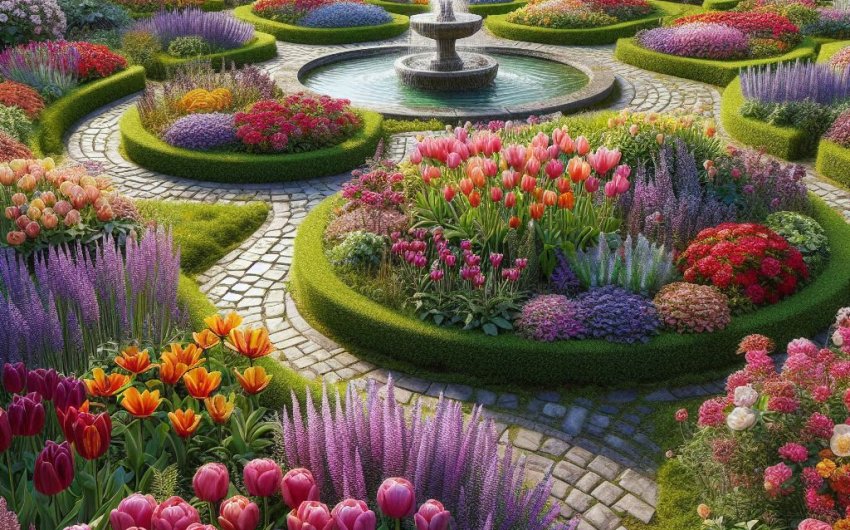
Designing a vibrant and harmonious outdoor space begins with a thoughtful approach to garden planning. Learning how do I plan a flower garden layout involves more than just picking pretty blooms; it requires understanding your site, selecting appropriate plants, and arranging them to create visual appeal and long-lasting beauty. This comprehensive guide will walk you through the essential steps to design a flower garden that thrives and brings joy for seasons to come.
Why is Planning Your Flower Garden Layout Important?
While it might seem tempting to simply buy appealing flowers and put them in the ground, taking the time to plan a flower garden layout is crucial for several reasons. It ensures a healthier, more beautiful, and ultimately more enjoyable garden.
Ensures Plant Success and Health:
- Right Plant, Right Place: Different flowers have different needs for sunlight, soil type, and water. A good plan ensures you place each plant where its specific needs can be met, leading to vigorous growth and fewer problems.
- Reduces Stress: Proper spacing (as determined in the plan) prevents overcrowding, which reduces competition for resources (light, water, nutrients) and improves air circulation, minimizing the risk of fungal diseases.
- Minimizes Waste: By planning, you avoid buying plants that won't thrive in your conditions, saving money and reducing plant mortality.
Creates Year-Round Interest and Beauty:
- Succession of Blooms: A well-planned garden considers blooming times. You can select plants that flower at different points throughout the season, ensuring continuous color and interest from spring to fall, and sometimes even into winter.
- Structure and Texture: Beyond just flowers, planning allows you to incorporate plants with varied foliage shapes, sizes, and textures, creating visual depth and appeal even when plants aren't in bloom.
- Color Harmony: A plan helps you choose a color palette that suits your aesthetic and creates a cohesive, pleasing look, rather than a jumbled mess of clashing colors.
Maximizes Efficiency and Minimizes Work:
- Strategic Placement: Placing taller plants behind shorter ones ensures all plants get adequate light and prevents future reshuffling.
- Watering Needs: Grouping plants with similar watering requirements simplifies irrigation.
- Accessibility: Planning pathways and bed widths ensures you can easily access all parts of the garden for weeding, watering, and harvesting without stepping on plants.
- Less Maintenance: A well-designed garden, with plants in their ideal spots, tends to be healthier and requires less intervention (fewer pest/disease problems, less replanting).
Reflects Your Personal Style and Goals:
Advertisement- Vision to Reality: Planning allows you to bring your garden vision to life, whether you dream of a cottage garden, a formal border, a wildlife haven, or a low-maintenance landscape.
- Purpose: You can design specific areas for different purposes – a quiet seating area, a vibrant cutting garden, or a pollinator paradise.
- Budgeting: A plan helps you estimate costs for plants, soil amendments, and hardscaping, allowing you to stay within your budget.
Long-Term Sustainability:
- Perennial Investment: If incorporating perennials, planning ensures they are placed where they can thrive for years, reducing the need for constant replacement.
- Ecological Benefits: Thoughtful planning can include plants that support local wildlife, pollinators, and overall ecosystem health.
In essence, planning empowers you to be an architect of your outdoor space, rather than just a haphazard planter. It ensures that the time, effort, and resources you invest in your garden yield the most beautiful and rewarding results when learning how do I plan a flower garden layout.
How Do You Assess Your Garden Site and Climate?
Before you pick out a single flower, the very first step in learning how do I plan a flower garden layout is to thoroughly assess your garden site and understand your local climate. This information is foundational to choosing plants that will actually thrive.
Determine Your USDA Hardiness Zone (or equivalent):
- What it is: This zone system tells you the average annual extreme minimum winter temperature in your area. This is crucial for selecting perennial plants that can survive your winters.
- How to Find: You can easily find your zone by entering your zip code on the USDA Plant Hardiness Zone Map website or by searching online.
- Impact: Plants are typically labeled with their hardiness zones. A plant might be a perennial in Zone 7 but an annual in Zone 5, meaning it won't survive the winter there.
Assess Sunlight Exposure:
- Critically Important: Sunlight is the primary driver of plant growth. Incorrect light can lead to stunted growth, weak blooms, or plant death.
- Observation Method:
- Spend a Day: Over the course of a full day (from sunrise to sunset), observe your garden area. Note how long each section receives direct sun.
- Seasonal Changes: Remember that sun exposure changes with the seasons. A spot sunny in spring might be heavily shaded by a deciduous tree in summer. Conversely, a spot shaded by a deciduous tree in summer might get full sun in winter. Plan for the growing season (spring through fall).
- Mapping: Sketch your garden and draw lines where shadows fall throughout the day, noting the time.
- Light Categories:
- Full Sun: 6+ hours of direct sun per day (most flowering plants, especially annuals, thrive here).
- Partial Sun: 4-6 hours of direct sun, or sun for half the day (morning sun is preferred over hot afternoon sun).
- Partial Shade: 2-4 hours of direct sun, often dappled or filtered light.
- Full Shade: Less than 2 hours of direct sun, typically bright ambient light.
Evaluate Soil Conditions:
- Visual and Feel Test:
- Clay Soil: Heavy, sticky when wet, hard when dry. Drains slowly.
- Sandy Soil: Gritty, falls apart easily, drains very quickly.
- Loam: Ideal. Crumbly, holds moisture but drains well, earthy smell.
- Drainage Test: Dig a hole 1 foot deep and fill it with water.
- Good Drainage: Drains in a few hours.
- Moderate: Drains within 12-24 hours.
- Poor: Water remains after 24 hours.
- Soil pH Test:
- Importance: pH affects nutrient availability to plants. Most flowers prefer a slightly acidic to neutral pH (6.0-7.0), but some (like azaleas, rhododendrons) prefer more acidic, while others (like lavender) prefer more alkaline.
- How to Test: Use a home soil test kit for basic info, or send a sample to your local extension office for a comprehensive lab analysis.
- Organic Matter: Healthy soil has ample organic matter. Note if your soil looks thin or depleted.
- Visual and Feel Test:
Consider Existing Features and Structures:
- Hardscaping: Pathways, patios, fences, walls, sheds, and decks are fixed elements. Incorporate them into your design. Will they cast shade? Provide support?
- Large Trees/Shrubs: Note their current and mature size, and how they cast shade or compete for nutrients.
- Utilities: Be aware of underground utility lines (gas, water, electric) before digging deep. Call 811 (in the US) before digging to have them marked.
Water Access:
- Proximity: How close is your garden area to a water spigot or other water source? This impacts your watering method (hand-watering, soaker hose, drip irrigation).
- Drainage: Where will excess water go? Avoid creating runoff problems for neighbors or your foundation.
By thoroughly assessing these environmental and site-specific factors, you lay a solid groundwork for selecting appropriate plants and developing a thriving design when learning how do I plan a flower garden layout.
How Do You Choose the Right Flowers for Your Layout?
Selecting the perfect flowers is where your creativity truly blossoms when learning how do I plan a flower garden layout. However, "right" isn't just about beauty; it's about making informed choices that ensure long-term success and a harmonious display.
Match Plants to Your Site Assessment (Most Important!):
- Sunlight Needs: This is non-negotiable. Only choose flowers whose light requirements (full sun, partial sun, shade) match the specific conditions of your garden bed.
- Soil Preferences: Consider pH and drainage. If your soil is heavy clay, choose plants that tolerate it, or commit to significant soil amendment. If it's sandy, select drought-tolerant plants.
- Hardiness Zone: For perennials, ensure they are hardy in your USDA zone to survive winter.
Consider Bloom Time for Continuous Color:
- Succession Planting: Aim for a succession of blooms throughout the growing season (spring, early summer, mid-summer, late summer/fall).
- Mix and Match: Select a variety of plants with different peak blooming periods.
- Example Combinations:
- Spring: Tulips, Daffodils, Primroses, Pansies.
- Early Summer: Peonies, Delphiniums, Iris, Poppies.
- Mid-Summer: Coneflower, Phlox, Daylilies, Bee Balm.
- Late Summer/Fall: Asters, Sedum, Mums, Black-Eyed Susan.
- Long Bloomers: Include plants that have an extended bloom period, such as Yarrow, Coreopsis, or Russian Sage.
Think About Color Palettes and Harmony:
- Monochromatic: Using different shades and tints of a single color (e.g., all blues and purples for a serene feel).
- Analogous: Using colors next to each other on the color wheel (e.g., yellow, orange, red for a warm, fiery look).
- Complementary: Using colors opposite each other on the color wheel (e.g., blue and orange, purple and yellow) for high contrast and vibrancy.
- White and Green: Use white flowers and varied green foliage to provide resting points, separate intense colors, or create a calming effect.
- Consider Your Home's Exterior: Choose colors that complement or contrast pleasantly with your house color.
Vary Height, Shape, and Texture for Interest:
- Height:
- Front: Place shorter plants along the front edges of beds.
- Middle: Medium-height plants in the middle.
- Back: Taller plants (or those that need staking) at the back, against a fence or wall.
- Drift/Island Beds: In beds viewed from all sides, place the tallest plants in the center.
- Form/Shape: Mix upright, spiky plants (Lupine, Delphinium) with mounding plants (Geranium, Sedum), airy plants (Baby's Breath), and trailing plants (Creeping Phlox).
- Texture: Combine plants with different leaf and flower textures (e.g., coarse hosta leaves with fine fern fronds; fluffy astilbe plumes with smooth lily petals). This adds depth even when flowers aren't blooming.
- Height:
Consider Maintenance Levels:
- Low Maintenance: Choose hardy perennials, drought-tolerant plants (if applicable), and plants that don't require frequent deadheading, staking, or dividing.
- High Maintenance: Annuals often require more deadheading and watering, and some perennials (like hybrid delphiniums) need staking. Be realistic about the time you can commit.
Attracting Pollinators and Wildlife (Optional, but Recommended):
- Biodiversity: Include native plants that support local bees, butterflies, hummingbirds, and other beneficial insects.
- Variety: Offer a range of flower shapes (tubular for hummingbirds, flat landing pads for bees) and colors to attract diverse pollinators. A pollinator seed mix can be a great starting point.
By meticulously considering these factors, you can move beyond simply choosing pretty blooms to thoughtfully curating a resilient, visually captivating display that fulfills your aesthetic and practical goals when learning how do I plan a flower garden layout.
How Do You Sketch and Refine Your Flower Garden Design?
Once you've assessed your site and have an idea of the types of flowers you want, the next crucial step in learning how do I plan a flower garden layout is to put your ideas down on paper. Sketching helps visualize and refine your design before you dig.
Gather Your Tools for Sketching:
- Graph Paper: Very helpful for drawing to scale.
- Pencil and Eraser: For easy modifications.
- Colored Pencils/Markers: To visualize color palettes.
- Ruler/Measuring Tape: To accurately measure your garden space.
- Camera: Take photos of your existing space from different angles.
Measure and Draw Your Base Map:
- Exact Dimensions: Accurately measure the length and width of your garden area.
- Existing Features: Draw in all fixed elements: your house, fences, pathways, large trees, shrubs, utility boxes, downspouts, and windows. Indicate where doors and gates are.
- Scale: Use a consistent scale (e.g., 1 square on graph paper = 1 foot or 0.5 meter). This ensures realistic spacing.
- Sunlight Zones: Lightly shade or label areas with different sun exposures (full sun, partial sun, shade) based on your site assessment.
Outline Bed Shapes and Pathways:
- Define Beds: Use organic, flowing lines for island beds or defined, straight lines for borders along fences or walls.
- Flow and Function: Ensure bed shapes guide the eye and create natural flow. Consider how you will walk through or around the garden.
- Pathways: Plan for adequate pathway width (minimum 18-24 inches for comfortable walking and kneeling). Think about materials (gravel, stepping stones, mulch).
Place Key Plants and Groups (The "Drift" Method):
- Start with Structural Plants: Mark the locations of larger, more permanent plants first, like shrubs, small trees, or large perennials that provide backbone and year-round interest.
- Think in Groups/Drifts: Don't plant in single rows or isolated individuals. Instead, plant odd numbers of the same plant (3, 5, 7) in irregular, flowing groups or "drifts." This creates a more natural, abundant look than a polka-dot effect.
- Height Placement: As discussed: Tallest in the back (or center of island beds), medium in the middle, shortest at the front.
- Consider Mature Size: Always factor in the mature width and height of plants when spacing them. This prevents overcrowding later. Write the mature size next to the plant name on your sketch.
- Foliage First: Consider foliage size, shape, and texture, as this provides interest even when plants aren't blooming.
Incorporate Color, Texture, and Bloom Time:
- Color Blocking/Flow: Use your colored pencils to visualize your chosen color palette. Decide if you want blocks of color, or if colors should flow smoothly into each other.
- Seasonal Interest: Mark bloom times on your sketch. For example, use different colored highlights for spring, summer, and fall blooms to ensure continuous interest.
- Texture and Form: Add notes about the texture (fine, coarse) and form (spiky, mounding, airy) of plants to ensure variety.
Refine and Revise Your Design:
- Step Back and Review: Look at your sketch from different perspectives. Imagine walking through the garden. Does it feel balanced? Is there continuous bloom? Does it meet your goals?
- Get Feedback: Share your design with a friend or fellow gardener for fresh perspectives.
- Flexibility: Remember, this is a plan, not a prison. You can always make minor adjustments as you plant or as the garden matures.
- List Your Plants: Create a list of all the plants you've chosen, noting their quantities, specific varieties, and mature sizes. This will be your shopping list.
By thoroughly sketching and refining your flower garden design, you transform abstract ideas into a tangible blueprint, ready for implementation. This careful planning ensures that when you finally begin planting, you're working with purpose and vision, leading to a truly stunning and functional outdoor space.
How Do You Prepare the Soil and Plant Your Flower Garden?
With your detailed plan in hand, it's time for the physical work. Proper soil preparation and careful planting are vital steps that will determine the long-term health and vibrancy of your new flower garden layout.
Clear the Area:
- Remove Weeds and Debris: Thoroughly clear the chosen area of all existing weeds, grass, rocks, and any other debris. For grass, you can use methods like solarization (covering with clear plastic in summer) or sheet mulching (layering cardboard and organic materials) to kill it off naturally. A garden hoe can help.
- Dig Out Roots: For persistent weeds, ensure you remove as much of the root system as possible to prevent regrowth.
Assess and Amend Your Soil:
- Review Soil Test Results: Refer back to your soil test results. This will tell you if you need to adjust pH or add specific nutrients.
- Incorporate Organic Matter: This is the most crucial amendment for almost all garden soils.
- Compost: Spread a 2-4 inch layer of well-rotted compost over the entire bed. Compost improves drainage in clay soils, water retention in sandy soils, and provides slow-release nutrients. You can buy organic garden compost.
- Other Options: Aged manure, shredded leaves, or coco coir are also excellent.
- Mix In: Gently incorporate the organic matter into the top 6-12 inches of your existing soil. Avoid aggressive tilling which can destroy soil structure. A garden fork is good for this.
- Adjust pH (if needed):
- Raise pH (add lime): If soil is too acidic, add garden lime (calcium carbonate or dolomitic lime) as per soil test recommendations.
- Lower pH (add sulfur): If soil is too alkaline, add elemental sulfur or peat moss.
Level and Shape the Bed:
- Even Surface: Rake the soil surface smooth, removing any large clumps or debris.
- Slight Crown (Optional): For in-ground beds, you can slightly crown the center to improve drainage, especially in areas with heavy rainfall.
- Define Edges: Re-establish clear edges for your beds, whether they are straight lines or flowing curves.
Arrange Plants According to Your Plan:
- Lay Out: Before digging any holes, place all your potted plants on the bed according to your design sketch. Step back and look at the arrangement from different angles.
- Adjust as Needed: This is your last chance for easy adjustments. Move plants around until the spacing and visual balance feel right. Consider mature size, not just current pot size.
Planting Your Flowers:
- Water Plants: Thoroughly water the plants in their nursery pots before planting. This helps reduce transplant shock.
- Dig the Hole: Dig a hole that is slightly wider than the plant's root ball and deep enough so the plant sits at the same level in the ground as it was in its nursery pot.
- Remove from Pot: Gently remove the plant from its container. If roots are circling tightly, gently tease them apart or make a few vertical cuts with a clean knife to encourage outward growth.
- Place and Backfill: Place the plant in the hole. Backfill with the amended garden soil, gently tamping down to remove large air pockets. Ensure the plant is firm but not overly compacted.
- Water In: After planting each flower (or a section of flowers), water thoroughly. This settles the soil around the roots and eliminates any remaining air pockets.
- Mulch: Once all plants are in, apply a 2-4 inch layer of organic mulch around the plants (straw, shredded leaves, bark chips). Keep mulch a few inches away from plant stems to prevent rot. This conserves moisture, suppresses weeds, and regulates soil temperature. A bag of bark mulch is a popular option.
By diligently following these steps for soil preparation and planting, you'll provide your flowers with the best possible start, ensuring your flower garden layout thrives for seasons to come.
How Do You Maintain Your Flower Garden Layout for Long-Term Beauty?
A beautifully planned and planted flower garden layout requires ongoing care to maintain its vibrancy and health. Consistent maintenance ensures your garden remains a source of joy throughout the seasons.
Watering Smartly:
- Consistency is Key (Initially): For newly planted flowers, consistent moisture is vital for the first few weeks as they establish roots.
- Deep and Infrequent (Established Plants): Once established, aim for deep, less frequent watering. This encourages roots to grow deeper, making plants more drought-tolerant.
- Check Soil: Always check the soil moisture before watering. Stick your finger 2-3 inches deep; if it feels dry, it's time to water. A soil moisture meter can provide accurate readings.
- Early Morning Watering: Water in the early morning to allow foliage to dry before nightfall, reducing the risk of fungal diseases.
- Efficient Methods: Use soaker hoses, drip irrigation, or hand water at the base of plants to minimize water waste and keep foliage dry.
Fertilizing Appropriately:
- Soil-First Approach: If you prepared your soil well with compost, your flowers might not need much supplemental feeding.
- Observation: Fertilize only if plants show signs of nutrient deficiency (e.g., pale leaves, stunted growth).
- Balanced Organic Fertilizer: Use a balanced, slow-release organic granular fertilizer or a liquid feed like fish emulsion or kelp meal during the active growing season (spring/summer). Follow package directions, or err on the side of under-fertilizing. A good all-purpose organic flower fertilizer is generally sufficient.
- Avoid Over-Fertilizing: Too much nitrogen can lead to lush foliage but few flowers.
Deadheading and Pruning:
- Deadheading: Removing spent (faded) flowers.
- Benefits: Encourages the plant to produce more blooms instead of putting energy into seed production. Keeps the garden looking tidy.
- Method: Snip or pinch off the faded flower head just above a leaf or a side bud.
- Pruning:
- Shaping: Prune perennials to maintain shape, size, and encourage bushier growth.
- Rejuvenation: Some perennials benefit from a "cut back" (e.g., half or one-third) in mid-summer to encourage a second flush of blooms (e.g., Nepeta, some Salvias).
- Removing Damaged/Diseased Parts: Always remove any yellow, brown, or diseased foliage and stems to improve plant health and prevent disease spread. Use clean pruners.
- Deadheading: Removing spent (faded) flowers.
Weed Control:
- Mulch: Maintain a consistent 2-4 inch layer of organic mulch. This is your primary defense against weeds. Refresh as needed.
- Hand-Weeding: Pull weeds when they are small and the soil is moist. This is much easier and prevents them from going to seed.
- Edge Control: Keep bed edges defined to prevent turf grass from creeping in.
Pest and Disease Monitoring:
- Regular Inspections: Routinely check your plants for any signs of pests (sticky residue, chewed leaves, visible insects) or diseases (spots, powdery mildew, wilting).
- Early Intervention: Address issues promptly using organic methods (e.g., hand-picking, insecticidal soap, neem oil). Healthy plants are less susceptible.
- Air Circulation: Ensure good air circulation around plants by spacing them correctly and removing dead foliage.
Dividing Perennials (As Needed):
- When to Divide: Over time, clumps of perennials can become too dense, leading to reduced vigor and fewer blooms. They might also outgrow their space. This is typically done every 3-5 years.
- How to Divide: Dig up the entire clump, then use a spade or sharp knife to divide it into smaller sections. Replant healthy divisions and share extras. Best done in spring or fall, when plants are not actively flowering. A dividing spade can make this easier.
Winterizing (for Perennials):
- Clean Up: After the first hard frost, remove dead plant material to reduce overwintering sites for pests and diseases.
- Mulch: Apply an extra layer of mulch around tender perennials for winter protection.
By diligently practicing these maintenance techniques, your flower garden layout will not only survive but truly thrive, providing continuous beauty and enjoyment for many seasons.