
What Flowers Bloom All Summer Long?
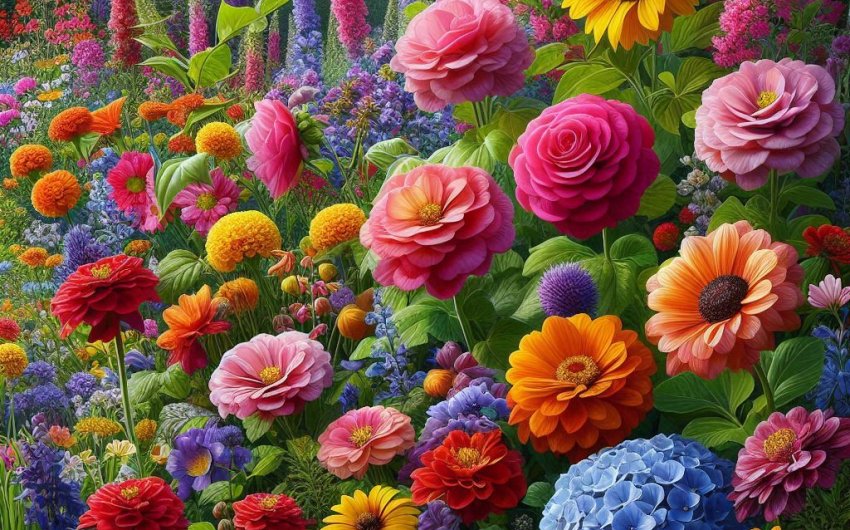
Many annuals and some perennial flowers are known for their extended bloom times, providing continuous color from late spring through the first frost. These include popular choices like Petunias, Zinnias, Marigolds, and Coneflowers, which are excellent for vibrant summer gardens.
Which Annual Flowers Bloom All Summer Long?
Annual flowers are fantastic for continuous summer color because they complete their life cycle in one growing season, focusing all their energy on producing abundant blooms. Many varieties are bred specifically to keep flowering non-stop from planting until the first hard frost.
Top Annuals for Continuous Summer Blooms
Here are some of the best annual flowers that will consistently bloom all summer long:
Petunias ( Petunia x hybrida ):
- Colors: Available in almost every color imaginable, including bi-colors and striped varieties.
- Types: Come in mounding, spreading (Supertunias, Wave Petunias), and upright forms.
- Care: Thrive in full sun, require regular watering, and benefit from deadheading (removing spent blooms) or choosing self-cleaning varieties for continuous flowering. They are heavy feeders, so fertilize regularly.
- Uses: Excellent for hanging baskets, containers, window boxes, and as groundcover.
Zinnias ( Zinnia elegans ):
- Colors: A huge range of bright, vibrant colors including reds, oranges, yellows, pinks, purples, and whites.
- Types: From compact bedding plants to tall varieties for cutting gardens. Flower shapes vary from single to dahlia-flowered.
- Care: Love full sun and well-drained soil. Deadheading encourages more blooms. Relatively drought-tolerant once established.
- Uses: Fantastic for cutting gardens, borders, and attracting pollinators like butterflies.
Marigolds ( Tagetes spp. ):
Advertisement- Colors: Primarily shades of yellow, orange, and reddish-brown.
- Types: African (tall, large blooms), French (compact, abundant smaller blooms), and Signet (delicate, edible flowers).
- Care: Easy to grow from seed, prefer full sun, and well-drained soil. Deadheading prolongs blooming. Known for repelling some garden pests.
- Uses: Borders, vegetable gardens (as companion plants), containers, and mass plantings.
Impatiens ( Impatiens walleriana, New Guinea Impatiens, Impatiens hawkeri ):
- Colors: Wide spectrum of colors, including pink, red, orange, white, and purple.
- Types: Traditional Impatiens (shade lovers), and New Guinea Impatiens (more sun tolerant, larger flowers).
- Care: Traditional Impatiens need consistent moisture and shade. New Guinea Impatiens tolerate more sun but still prefer moist soil.
- Uses: Perfect for shady borders, containers, and hanging baskets where other flowers struggle.
Vincas ( Catharanthus roseus ):
- Colors: Pink, white, purple, and red, often with contrasting eyes.
- Types: Upright and spreading varieties.
- Care: Very heat and drought tolerant once established, thrives in full sun and well-drained soil. Needs little deadheading.
- Uses: Excellent for hot, dry locations, borders, rock gardens, and containers.
Begonias ( Begonia x semperflorens-cultorum, Begonia tuberhybrida ):
- Colors: Wide range from white to pink, red, orange, and yellow. Foliage can also be colorful.
- Types: Wax Begonias (fibrous roots, thrive in sun or shade), Tuberous Begonias (larger blooms, prefer shade), Rieger Begonias.
- Care: Varies by type; most prefer moist, well-drained soil. Some are shade lovers, others tolerate more sun.
- Uses: Containers, hanging baskets, shade gardens, and borders.
Lantana ( Lantana camara ):
- Colors: Clusters of small flowers that often change color as they mature, creating multi-colored blooms (yellows, oranges, reds, pinks, purples).
- Types: Upright shrubs and spreading groundcovers.
- Care: Very heat and drought tolerant, loves full sun. Deadheading can encourage more blooms. Attracts butterflies.
- Uses: Borders, containers, hanging baskets, and as a pollinator magnet. Can be grown as a perennial in warmer climates.
Salvia (Annual Varieties like Salvia splendens and Salvia farinacea ):
- Colors: Vivid reds, blues, purples, and whites.
- Types: Bushy plants with spires of flowers.
- Care: Prefer full sun and well-drained soil. Some varieties are very heat and drought tolerant. Attracts hummingbirds.
- Uses: Borders, containers, and mass plantings.
Verbena (Annual Varieties like Verbena bonariensis, Verbena rigida hybrids):
- Colors: Pink, purple, red, white, and bi-colors.
- Types: Trailing varieties for groundcover or baskets, and upright varieties for airy borders.
- Care: Love full sun and good drainage. Very heat tolerant. Deadheading improves appearance but isn't always necessary for continuous bloom.
- Uses: Hanging baskets, containers, groundcover, and informal borders. Attracts butterflies.
Choosing a mix of these annuals ensures a tapestry of color that lasts all summer, providing continuous visual appeal to your garden. Many of these are available as flower seeds for annuals or live annual flower plants.
Which Perennial Flowers Bloom All Summer Long?
While many perennials have a shorter, more defined bloom period, some exceptional varieties are known for their extended flowering, often lasting from late spring or early summer right through to fall. These continuous bloomers provide reliable color year after year.
Top Perennials for Extended Summer Blooms
Here are some excellent perennial flowers that offer prolonged summer interest:
Coneflowers ( Echinacea purpurea ):
- Colors: Classic purple, but new cultivars offer white, pink, yellow, orange, and red.
- Bloom Time: Early summer to fall.
- Care: Prefer full sun and well-drained soil. Drought tolerant once established. Deadheading spent blooms encourages more flowers, but leaving some seed heads can feed birds.
- Uses: Borders, pollinator gardens, cutting gardens, and native plant landscapes. Attracts bees and butterflies.
Daylilies ( Hemerocallis spp. ):
- Colors: Almost every color except pure blue.
- Bloom Time: While individual blooms last only a day, many reblooming varieties (recurrent bloomers) flower from late spring through summer and into fall.
- Care: Adaptable, tolerate a wide range of conditions, but prefer full sun to part shade and well-drained soil. Deadheading spent flower stalks encourages more rebloom.
- Uses: Mass plantings, borders, slopes, and low-maintenance gardens.
Perennial Geraniums (Cranesbill - Geranium spp. ):
- Colors: Pink, purple, blue, white, and magenta.
- Bloom Time: Many varieties bloom from late spring through summer, with some reblooming into fall. 'Rozanne' is particularly known for continuous bloom.
- Care: Prefer full sun to partial shade and well-drained soil. Relatively low maintenance.
- Uses: Groundcover, front of borders, rock gardens, and naturalized areas.
Coreopsis (Tickseed - Coreopsis spp. ):
- Colors: Mostly yellow, but some varieties are pink, red, or bi-colored.
- Bloom Time: Early summer to fall.
- Care: Love full sun and well-drained soil. Many are drought tolerant once established. Deadhead regularly for continuous bloom.
- Uses: Borders, meadows, cottage gardens, and containers. Attracts butterflies.
Salvia (Perennial Varieties like Salvia nemorosa ):
- Colors: Rich blues, purples, pinks, and whites.
- Bloom Time: Late spring through summer, often with a strong rebloom if cut back after the first flush.
- Care: Full sun and well-drained soil. Drought tolerant. Shear back after first bloom to encourage rebloom.
- Uses: Borders, rock gardens, pollinator gardens. Highly attractive to bees and hummingbirds.
Shasta Daisy ( Leucanthemum x superbum ):
- Colors: Classic white petals with a yellow center.
- Bloom Time: Early summer to fall, especially with deadheading.
- Care: Full sun and well-drained soil. Deadheading is key to continuous blooming.
- Uses: Cutting gardens, borders, and cottage gardens.
Lavender ( Lavandula angustifolia, Lavandula x intermedia ):
- Colors: Shades of purple, some pinks and whites.
- Bloom Time: Late spring through summer, often with repeat blooms.
- Care: Full sun and excellent drainage are crucial. Drought tolerant. Prune after flowering to maintain shape and encourage new blooms.
- Uses: Herb gardens, borders, rock gardens, fragrant pathways. Attracts bees.
Catmint ( Nepeta x faassenii ):
- Colors: Soft lavender-blue flowers.
- Bloom Time: Late spring to fall.
- Care: Very adaptable, thrives in full sun to part shade and tolerates poor soil and drought. Shearing after the first flush of blooms encourages continuous flowering.
- Uses: Borders, groundcover, rock gardens, mass plantings. Deer and rabbit resistant.
Balloon Flower ( Platycodon grandiflorus ):
- Colors: Blue, pink, and white.
- Bloom Time: Early summer to fall.
- Care: Full sun to part shade, well-drained soil. Deadhead for continuous bloom.
- Uses: Borders, rock gardens. Unique balloon-shaped buds open into bell-shaped flowers.
Integrating a selection of these continuous blooming perennials ensures a long season of interest and minimizes the need for constant replanting. Many can be found as perennial plant bare roots or potted perennial plants.
What Factors Influence How Long Flowers Bloom?
Several key factors determine how long a flower will continue to bloom in your garden. Understanding these can help you maximize the flowering period of your plants.
Key Factors for Extended Bloom
- Genetics: This is the most significant factor. Some plants are simply bred or naturally inclined to bloom for longer periods than others. Look for varieties labeled "long-blooming," "everblooming," or "continuous bloom."
- Sunlight: Most flowering plants require a specific amount of sunlight to produce abundant blooms.
- Full Sun: (6+ hours direct sun) is crucial for many annuals and sun-loving perennials to sustain heavy flowering.
- Partial Sun/Shade: (3-6 hours sun) or less than 3 hours sun for shade lovers. Providing too little sun can result in fewer, weaker blooms.
- Watering: Consistent and appropriate watering is vital.
- Under-watering: Can stress plants, causing them to cease blooming or drop buds.
- Over-watering: Leads to root rot and other issues, weakening the plant and impacting flowering. Most plants prefer consistent moisture, not soggy soil.
- Soil Quality and Drainage: Well-draining soil is essential. Poor drainage can lead to root problems. Rich, fertile soil provides the nutrients needed for continuous flower production.
- Nutrients/Fertilization: Flowering is an energy-intensive process. Plants that bloom all summer often need supplemental feeding.
- Use a balanced fertilizer or one higher in phosphorus (the middle number in the NPK ratio) to encourage blooms.
- Follow package directions to avoid over-fertilizing, which can promote leafy growth at the expense of flowers. A good option is Osmocote Smart-Release Plant Food.
- Deadheading (Removing Spent Blooms): This is one of the most effective ways to prolong blooming for many plants. When a flower fades, the plant's energy shifts to seed production. By removing the spent bloom (deadheading), you trick the plant into producing more flowers in an attempt to create seeds.
- Pruning/Shearing: For some perennials (like Salvia or Catmint), a light shearing after the first flush of blooms can stimulate new growth and a second wave of flowers.
- Pest and Disease Control: Healthy plants bloom better. Monitor for pests and diseases and address them promptly. Stressed plants often stop flowering.
- Temperature: Extreme heat or prolonged cool spells can cause some flowers to temporarily cease blooming (a phenomenon called "heat dormancy" or "bud blast") until more favorable temperatures return.
By managing these factors, you can significantly enhance the bloom duration and vibrancy of your summer garden.
What is Deadheading and Why is it Important for Continuous Bloom?
Deadheading is the practice of removing spent, withered, or faded flowers from a plant. It's a simple yet highly effective gardening technique that plays a crucial role in promoting continuous bloom throughout the summer for many annuals and perennials.
Why Deadhead Your Flowers?
- Redirects Energy: A plant's primary goal after flowering is to produce seeds to ensure the next generation. Once a flower has been pollinated and fades, the plant directs its energy towards forming seeds. By removing the spent flower before it can set seed, you effectively trick the plant into redirecting that energy back into producing more flowers.
- Promotes More Blooms: Without the "burden" of seed production, the plant uses its resources to develop new buds and continue its flowering cycle. This can extend the bloom period by weeks or even months.
- Improves Appearance: Deadheading makes the plant look tidier and more attractive by removing unsightly, fading blossoms. This keeps the garden looking fresh and vibrant.
- Prevents Self-Seeding (Sometimes Undesirable): For some plants, preventing self-seeding is a benefit. If you don't want seedlings popping up haphazardly in your garden next year, deadheading prevents this.
- Enhances Plant Vigor: By removing old, decaying blooms, you improve air circulation around the plant and reduce potential sites for fungal diseases.
How to Deadhead
The method of deadheading varies slightly depending on the plant:
- Pinch or Snip: For most flowers, simply pinch off the spent bloom with your fingers or use clean pruning snips (like Fiskars Pruning Snips) or garden scissors.
- Cut Back to a Leaf Node: For plants with long flower stalks, cut the stalk back to a set of healthy leaves or a side shoot where new buds are forming. This encourages bushier growth and new flowers.
- Shearing: For plants with many small flowers, like Catmint or some varieties of Verbena, you can shear off the top few inches of growth after the first big flush of blooms. This encourages a fresh wave of flowers and tidies the plant.
Not all flowers require deadheading for continuous bloom (e.g., some modern "self-cleaning" Petunias, Vinca, or Impatiens). However, for many traditional varieties, it's a simple habit that yields impressive results in keeping your garden vibrant all summer long.
Which Flowers Are Best for Full Sun and Continuous Bloom?
For gardeners with sunny spots that receive six or more hours of direct sunlight daily, there are many fantastic options for flowers that will bloom all summer long. These plants thrive in intense light and heat, turning sunny borders and containers into vibrant displays.
Top Full Sun Continuous Bloomers
- Zinnias: Exceptionally sun-loving and heat-tolerant, Zinnias produce abundant, colorful blooms continuously when deadheaded. They are excellent for cutting gardens.
- Lantana: A true heat-seeker, Lantana thrives in full sun and even drought conditions once established. Its multi-colored flower clusters are a magnet for butterflies.
- Marigolds: These cheerful flowers flourish in full sun, delivering a steady supply of yellow, orange, and red blooms. They're robust and low-maintenance.
- Vincas (Periwinkle): Ideal for hot climates and sunny spots, Vincas are incredibly drought and heat tolerant. They offer consistent blooms in white, pink, and purple shades with minimal fuss.
- Petunias (especially Wave and Supertunia varieties): While traditional petunias benefit from deadheading, modern spreading varieties like Wave and Supertunia are self-cleaning and bloom prolifically in full sun all season long with adequate water and fertilizer.
- Coreopsis: Many varieties of Coreopsis, particularly the thread-leaf types, are vigorous growers that produce a profusion of yellow or sometimes pink/red daisy-like flowers continuously in full sun.
- Coneflowers: These tough perennials are native to prairies and love full sun. They offer continuous blooms from early summer to fall, attracting pollinators, and are drought tolerant once established.
- Gaillardia (Blanket Flower): Known for its daisy-like flowers in fiery shades of red, orange, and yellow, Gaillardia thrives in full sun, tolerates heat and drought, and blooms profusely from summer to fall.
- Portulaca (Moss Rose): This succulent-like annual loves intense sun and heat, producing bright, cheerful blooms in a wide array of colors. It's excellent for dry, sunny spots and rock gardens.
- Sedum (Perennial Varieties like 'Autumn Joy'): While their main bloom is often late summer/fall, many sedums provide excellent foliage interest all summer, with some earlier blooming varieties or those that rebloom offering extended color.
- Verbena (Annual and Perennial varieties): Especially the trailing and upright forms that love full sun, provide continuous clusters of small, vibrant flowers perfect for containers, hanging baskets, and groundcover.
- Salvia (Perennial and Annual Varieties): Many types of Salvia, from the vivid red 'Salvia splendens' annual to the long-blooming perennial Salvia nemorosa (like 'May Night' or 'Caradonna'), thrive in full sun and offer consistent spikes of color.
When planting in full sun, remember that continuous bloomers will likely need regular watering during dry spells and consistent fertilization to fuel their prolific flowering. Choose appropriate garden soil amendments for sunny areas, like organic compost for gardens, to ensure healthy growth.
Which Flowers are Best for Shade and Continuous Bloom?
Finding flowers that bloom all summer long in shady areas can be a challenge, but several excellent options thrive in less light, bringing continuous color to those often overlooked garden spots. These plants are perfect for underneath trees, on the north side of a house, or in heavily shaded borders.
Top Shade Continuous Bloomers
- Impatiens ( Impatiens walleriana ): The classic shade annual, traditional Impatiens are renowned for their vibrant, non-stop blooms in shades of pink, red, orange, white, and purple. They require consistent moisture and thrive in full to partial shade.
- New Guinea Impatiens ( Impatiens hawkeri ): These are more robust than traditional impatiens and can tolerate a bit more sun (partial sun to full shade). They boast larger flowers and often variegated foliage, providing continuous color.
- Wax Begonias ( Begonia x semperflorens-cultorum ): These incredibly versatile annuals are perfect for shade, offering continuous blooms and attractive waxy foliage (green or bronze). They are low-maintenance and come in shades of white, pink, and red.
- Tuberous Begonias ( Begonia tuberhybrida ): Known for their large, showy, often ruffled blooms, tuberous begonias are stunning in hanging baskets and containers in partial to full shade. While individual blooms may not last forever, the plant produces new ones consistently throughout the summer.
- Fuchsias (Trailing and Upright Varieties): These elegant plants produce unique, dangling, bell-shaped flowers in shades of pink, purple, red, and white. They thrive in partial to full shade and consistently bloom all summer long, making them ideal for hanging baskets or containers in shady spots. They prefer cool, moist conditions.
- Torenia (Wishbone Flower - Torenia fournieri ): A delightful annual that flourishes in partial to full shade. It produces charming, trumpet-shaped flowers, often in shades of blue, purple, pink, and white, with distinctive yellow markings that resemble a wishbone. It blooms profusely all summer.
- Coleus ( Plectranthus scutellarioides ): While primarily grown for its stunning foliage, many new varieties of Coleus also produce small flower spikes continuously throughout the summer, though often they are pinched off to encourage more foliage. Their vibrant leaves provide constant "color" even if the flowers are modest. Some modern varieties are more sun-tolerant, but many thrive in shade.
- Astilbe ( Astilbe spp. ): While not truly "all summer" bloomers, many varieties offer long-lasting plumes of feathery flowers from early to late summer, staggered across different species. Choosing a mix can give continuous color. They prefer moist, shady conditions.
- *Bleeding Heart (Fringed Varieties - Dicentra spectabilis 'Luxuriant', Dicentra formosa ):* While the classic Bleeding Heart ( Dicentra spectabilis ) is a spring bloomer, the fringed or fern-leaf varieties like 'Luxuriant' can rebloom sporadically throughout the summer in partial shade, especially if deadheaded.
For shade plants, ensuring consistent moisture is often more important than for sun-loving plants, as shade can reduce evaporation. Using rich, well-draining soil with plenty of organic matter for shade gardens will help these continuous bloomers thrive.
How Can I Design a Garden for Continuous Summer Bloom?
Creating a garden that blooms all summer long involves thoughtful planning and selecting a diverse range of plants. The goal is to have something in flower from late spring until the first frost, ensuring there are always vibrant colors to enjoy.
Design Principles for Extended Bloom
- Understand Your Climate and Microclimates: Know your USDA Hardiness Zone. Also, assess your garden's specific conditions: how much sun different areas receive, soil type, and drainage.
- Layer Bloom Times: Don't rely on just one type of flower. Choose a mix of early, mid, and late summer bloomers to ensure a continuous succession of flowers.
- Early Summer: Iris, Peonies (though short-lived), some varieties of Daylilies, early Coreopsis.
- Mid-Summer: Echinacea, Shasta Daisies, many annuals (Petunia, Zinnia), Rudbeckia.
- Late Summer/Fall: Sedum 'Autumn Joy', Mums, Asters, Helenium.
- Mix Annuals and Perennials:
- Perennials provide the backbone and structure, coming back year after year. Select long-blooming perennials from the lists above.
- Annuals fill in gaps, provide intense, continuous color, and allow you to experiment with new color schemes each year.
- Consider Plant Height and Form:
- Front of Border: Use shorter, mounding plants (e.g., Marigolds, Wax Begonias, trailing Petunias).
- Mid-Border: Medium-height plants (e.g., Zinnias, Coneflowers, Shasta Daisies).
- Back of Border: Taller plants (e.g., tall Zinnias, certain Salvias, Delphiniums - though they have shorter bloom periods).
- Containers/Baskets: Mix "thriller" (tall focal), "filler" (mounding), and "spiller" (trailing) plants.
- Focus on Sun/Shade Zones: Group plants with similar light requirements together. Create dedicated "full sun" areas and "shade" areas, selecting continuous bloomers appropriate for each.
- Include Foliage Plants: Not all continuous interest comes from flowers. Incorporate plants with interesting foliage color, texture, or shape (e.g., Coleus, Heuchera, Hostas) to provide visual appeal even when flowers are sparse.
- Embrace Deadheading and Maintenance: Build in time for regular deadheading, fertilizing, and watering. These practices are crucial for sustaining continuous bloom.
- Attract Pollinators: Many long-blooming flowers are also pollinator magnets (e.g., Coneflowers, Salvia, Lantana). Designing for pollinators adds life and movement to your garden. Consider a pollinator seed mix to attract bees and butterflies.
- Utilize Containers: Containers offer flexibility. You can move them to optimize sun exposure or fill them with show-stopping annuals that provide non-stop color right at your doorstep.
- Plan for Succession: While some plants bloom all summer, planning for succession ensures that as one plant's peak fades, another is just beginning. This creates dynamic and evolving interest.
By strategically choosing your plants and understanding their needs, you can easily cultivate a garden that provides vibrant, continuous blooms throughout the entire summer season, bringing joy and beauty to your outdoor space.