
How Do I Care for My Flower Garden?
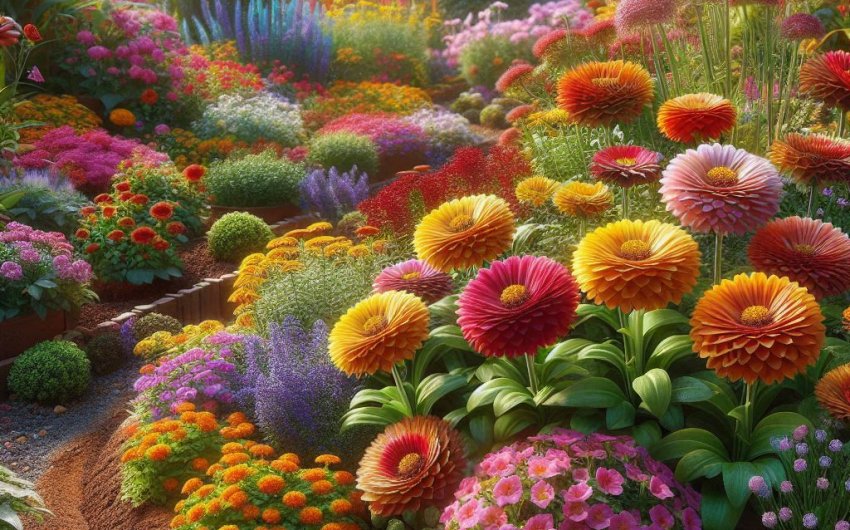
Learning how to care for my flower garden involves a blend of foundational knowledge and ongoing attention to detail, ensuring your blooms remain vibrant and healthy throughout the seasons. From preparing the soil to strategic watering and pest management, each step contributes to a flourishing display of color and fragrance. Whether you're nurturing delicate annuals or robust perennials, understanding their specific needs is key to cultivating a thriving and beautiful flower garden that brings joy and enhances your outdoor space.
What are the essential first steps for a healthy flower garden?
Establishing a strong foundation is crucial for the long-term health and beauty of your flower garden. The initial preparation sets the stage for thriving plants and abundant blooms.
How do I choose the right location?
The success of your flower garden begins with selecting the perfect spot. Plants have varying needs for sunlight, so matching the plant to the location is paramount.
- Sunlight Assessment:
- Full Sun: Requires at least 6-8 hours of direct sunlight per day. Most flowering annuals and many perennials thrive here. Examples: Roses, Daylilies, Coneflowers, Marigolds, Petunias.
- Partial Sun/Partial Shade: Needs 3-6 hours of direct sun, often morning sun, with protection from harsh afternoon sun. Examples: Hostas (grown for foliage, but they do flower), Impatiens, Bleeding Hearts, Astilbes, some Hydrangeas.
- Full Shade: Receives less than 3 hours of direct sun, often filtered light all day. Examples: Ferns, Hellebores, Foamflowers, some Vincas.
- Drainage: Observe how water drains in the chosen area. Most flowers prefer well-draining soil. Standing water can lead to root rot. If an area consistently puddles after rain, it may need soil amendment or a raised bed.
- Accessibility: Consider how easy it will be to access your garden for planting, watering, weeding, and enjoying. Proximity to a water source is also a practical consideration.
- Wind Protection: Strong winds can damage delicate flowers. If your chosen spot is very windy, consider planting taller, sturdier plants as a windbreak, or installing a fence or hedge.
How do I prepare the soil for planting?
Soil is the foundation of your flower garden. Healthy soil provides the necessary nutrients, water retention, and aeration for strong root growth.
- Clear the Area: Remove all weeds, grass, and debris from the designated garden bed. For established weeds, hand pulling, using a weeding tool, or layering cardboard/newspaper to smother them can be effective.
- Test Your Soil: This is a crucial step that many gardeners skip. A soil test kit or sending a sample to your local university extension office will tell you:
- Soil pH: The acidity or alkalinity. Most flowers prefer a slightly acidic to neutral pH (6.0-7.0).
- Nutrient Levels: Deficiencies or excesses of essential nutrients like nitrogen, phosphorus, and potassium, as well as micronutrients. This information will guide your soil amendments.
- Amend the Soil: Based on your soil test results, amend your soil to improve its structure and fertility.
- Add Organic Matter: This is the most important amendment for almost all garden soils. Incorporate a generous amount (2-4 inches deep) of compost, well-rotted manure, or leaf mold into the top 6-12 inches of existing soil. Organic matter improves drainage in clay soils and water retention in sandy soils, while also providing slow-release nutrients.
- Adjust pH (if necessary): If your soil test indicates a pH imbalance, follow recommendations to add garden lime (to raise pH) or elemental sulfur (to lower pH).
- Loosen the Soil: Use a garden fork or tiller to loosen the prepared soil to a depth of at least 12 inches. This allows roots to easily penetrate and grow.
By carefully choosing your location and meticulously preparing your soil, you're creating an optimal environment that will significantly impact how to care for my flower garden in the long term, leading to more resilient and beautiful blooms.
How do I choose the right flowers for my garden?
Selecting the right flowers is perhaps the most exciting part of designing your flower garden. It involves considering your climate, desired aesthetic, and the amount of effort you're willing to invest.
What are the differences between annuals, perennials, and biennials?
Understanding these classifications helps in garden planning and long-term care.
- Annuals:
- Life Cycle: Complete their entire life cycle (germinate, grow, flower, set seed, die) within one growing season.
- Bloom Time: Known for their continuous and often prolific blooming from spring until the first hard frost.
- Planting: Need to be replanted from seed or young plants every year.
- Examples: Petunias, Marigolds, Impatiens, Zinnias, Begonias.
- Role in Garden: Provide instant color and fill, great for seasonal displays and containers.
- Perennials:
- Life Cycle: Live for more than two years, often returning year after year from their rootstock.
- Bloom Time: Typically have a more defined bloom period (a few weeks to a couple of months), rather than continuous.
- Planting: Plant once, and they come back. May need division every few years.
- Examples: Hostas, Daylilies, Coneflowers, Lavender, Peonies, Hydrangeas.
- Role in Garden: Form the "backbone" of the garden, providing long-term structure and reducing the need for annual replanting.
- Biennials:
- Life Cycle: Complete their life cycle over two years. They typically grow foliage in the first year and then flower, set seed, and die in the second year.
- Bloom Time: Bloom in their second year.
- Planting: Often self-seed, creating a continuous cycle if allowed.
- Examples: Foxglove, Hollyhock, Sweet William.
- Role in Garden: Provide interesting, often taller, vertical accents and bridge the gap between annuals and perennials.
How do I design for continuous bloom?
To ensure your flower garden is always vibrant, plan for staggered bloom times.
- Map Out Bloom Periods: Research the bloom times of your chosen plants (early spring, late spring, early summer, mid-summer, late summer, fall).
- Combine Types: Mix annuals (for continuous color) with perennials (for structure and reliable return) and biennials (for unique accents).
- Consider Color, Texture, and Height:
- Color Palette: Decide on a color scheme. Will it be a riot of bright colors or a calming blend of pastels?
- Texture: Mix fine-textured plants (like ferns or baby's breath) with bold-leaved plants (like hostas or cannas).
- Height: Place taller plants at the back of beds, medium ones in the middle, and shorter ones or groundcovers at the front. This creates depth and ensures all plants are visible.
- Think in Layers: Design your garden with different layers of height and texture to create visual interest throughout the season.
How do I choose plants for my specific climate?
- Hardiness Zone: Always select plants that are hardy in your USDA Plant Hardiness Zone. This ensures perennials will survive your winter. Annuals are typically planted after your last frost date.
- Microclimates: Observe specific conditions in your garden (e.g., a warm, sunny spot against a south-facing wall, a shady, damp corner). Choose plants that are suited to these specific spots.
- Water Needs: Group plants with similar water requirements together to make irrigation more efficient.
- Native Plants: Consider incorporating native plants into your design. They are adapted to your local climate, require less water and care once established, and support local wildlife.
By thoughtfully selecting plants and planning your design, you lay the groundwork for a stunning flower garden that requires less reactive care and delivers more consistent beauty.
What are the daily and weekly care routines?
Once your flower garden is established, consistent daily and weekly care routines are vital for keeping your plants healthy, vibrant, and producing abundant blooms. These tasks are often simple but make a significant difference.
How do I properly water my flowers?
Watering is one of the most critical aspects of routine flower garden care.
- When to Water:
- Check the Soil: Don't water on a strict schedule. Instead, check the soil moisture. Stick your finger 1-2 inches deep into the soil. If it feels dry, it's time to water.
- Plant Signs: Look for signs of thirst from your plants, such as wilting or dull foliage.
- Morning is Best: Water in the early morning. This allows the foliage to dry before nightfall, which helps prevent fungal diseases.
- How Much to Water:
- Deep and Infrequent: Aim for deep watering that moistens the soil to the root depth of your plants. This encourages roots to grow deeper, making the plants more resilient to drought. Shallow, frequent watering encourages shallow roots and promotes weed growth.
- Methods:
- Soaker Hoses: A soaker hose delivers water directly to the soil and roots, minimizing evaporation and keeping foliage dry.
- Drip Irrigation: A drip irrigation system is very efficient for targeted watering.
- Hand Watering: If hand watering with a watering can or hose, water slowly at the base of the plant to ensure deep penetration.
- Mulch: A 2-3 inch layer of organic mulch (like shredded bark, compost, or straw) around your plants significantly conserves soil moisture, reduces watering needs, and helps suppress weeds.
Why is deadheading important?
Deadheading is the practice of removing spent or faded flowers from plants. It's a simple task with multiple benefits.
- Encourages More Blooms: For many annuals and some perennials, deadheading prevents the plant from putting energy into seed production. Instead, it redirects that energy into producing more flowers, resulting in a longer and more prolific bloom period.
- Improves Appearance: Removing faded flowers keeps your garden looking neat and tidy, enhancing its overall aesthetic appeal.
- Prevents Unwanted Self-Seeding: If you don't want a plant to aggressively self-seed and spread throughout your garden, deadheading is crucial.
How to Deadhead: Simply pinch or snip off the spent flower head just above the first set of healthy leaves or a developing side shoot. Use sharp pruners for a clean cut.
How do I manage weeds?
Weeds compete with your flowers for water, nutrients, and sunlight. Consistent weed management is key.
- Mulch: As mentioned, a good layer of organic mulch is your best friend. It suppresses weeds by blocking light to their seeds.
- Hand Weeding: For any weeds that do poke through, prompt hand weeding is the most effective organic method. It's easier when the soil is moist.
- Weed Early, Weed Often: Catch weeds when they are small. They are much easier to remove, and you prevent them from setting seeds, which would create more weeds for the future.
- Cultivation (Carefully): Lightly cultivating the soil surface with a hand cultivator can disturb germinating weed seeds, but be careful not to damage shallow flower roots.
By incorporating these simple yet effective routines into your flower garden care, you'll maintain a healthy, beautiful, and continuously blooming space that brings you joy throughout the growing season.
What about feeding and fertilizing my flowers?
Providing adequate nutrients is vital for your flower garden's growth and bloom production. While good soil preparation provides a solid start, ongoing fertilization may be necessary.
When should I fertilize my flower garden?
- At Planting: If your soil test indicated deficiencies, incorporate granular or slow-release fertilizer into the soil during preparation or at planting time.
- During Growing Season: For most annuals and heavy-feeding perennials, a boost during the peak growing and blooming season (late spring through mid-summer) is beneficial.
- After Pruning/Deadheading: Some plants appreciate a light feed after heavy deadheading or pruning, as this stimulates new growth and blooms.
- Avoid Late Season Fertilizing: Stop fertilizing perennials and shrubs in late summer or early fall. This allows them to harden off and prepare for winter dormancy. New, tender growth stimulated by late fertilization is vulnerable to frost damage.
What type of fertilizer should I use?
The best approach for an environmentally conscious flower garden is to use organic fertilizers that feed the soil, not just the plant.
- Compost: The cornerstone of organic feeding. Top-dressing with finished compost annually or bi-annually provides a steady supply of nutrients and improves soil structure.
- Balanced Organic Granular Fertilizers: Look for organic granular flower fertilizers with a balanced N-P-K ratio (Nitrogen-Phosphorus-Potassium), or one with a higher P (Phosphorus) for blooms. These release nutrients slowly as soil microbes break them down.
- Nitrogen (N): Promotes leafy green growth.
- Phosphorus (P): Essential for flower and fruit development, and strong roots.
- Potassium (K): Supports overall plant health, disease resistance, and water regulation.
- Examples: Bone meal (high P), blood meal (high N), kelp meal (balanced micronutrients), alfalfa meal.
- Organic Liquid Fertilizers: Good for a quick boost or for container plants that need more frequent feeding. Diluted fish emulsion or liquid seaweed extract are popular choices. Always dilute according to product instructions.
- Homemade Fertilizers: Comfrey tea or compost tea can provide a gentle nutrient boost.
How to apply fertilizer:
- Read Instructions: Always follow the specific application rates and methods on your chosen fertilizer product. Over-fertilizing can harm plants.
- Water First: For granular fertilizers, water the garden thoroughly before applying. This prevents root burn and helps the nutrients become available to the plant.
- Spread Evenly: Broadcast granular fertilizers evenly over the soil surface around your plants. Lightly scratch it into the topsoil.
- Water Again: After applying granular fertilizer, water again to help the nutrients dissolve and move into the root zone.
- Liquid Applications: Mix liquid fertilizers with water at the recommended dilution. Apply as a soil drench or foliar spray (sprayed directly on leaves) if the product allows.
Signs of nutrient deficiency:
- Yellowing leaves: Can indicate nitrogen deficiency (older leaves turning yellow) or iron deficiency (newer leaves turning yellow with green veins).
- Poor flowering: Could be a sign of insufficient phosphorus.
- Stunted growth: General lack of nutrients.
By observing your plants and providing thoughtful, targeted feeding, you ensure your flower garden has all the building blocks it needs for healthy growth and continuous, vibrant blooms. This diligent approach is crucial when considering how to care for my flower garden.
How do I manage pests and diseases organically?
In an organic flower garden, the goal isn't to eliminate every single pest or disease, but to create a balanced ecosystem where problems are kept in check naturally. It's about prevention and supporting beneficial organisms.
What are preventive strategies?
- Healthy Soil: A thriving soil food web supports strong, resilient plants that are naturally more resistant to pests and diseases. Continue to amend with compost.
- Right Plant, Right Place: Choosing plants suited to your climate, light conditions, and soil type means less stress for the plant, making it less vulnerable to problems.
- Good Air Circulation: Space plants appropriately to allow for airflow. This helps foliage dry faster, reducing the risk of fungal diseases like powdery mildew. If plants become too dense, consider selective pruning.
- Proper Watering: Water at the base of plants in the morning. Avoiding overhead watering and keeping foliage dry prevents many fungal and bacterial issues.
- Cleanliness: Regularly remove fallen leaves, spent flowers, and any diseased plant material. Dispose of diseased material away from the garden (don't compost it). Keep tools clean to avoid spreading pathogens.
- Diversity: Plant a wide variety of flowers and incorporate herbs and even some vegetables. This biodiversity confuses pests and attracts beneficial insects.
- Companion Planting: Certain plants can deter pests or attract beneficial insects.
- Marigolds (tagetes marigold seeds) can deter nematodes and some insects.
- Nasturtiums (nasturtium seeds) can act as a trap crop for aphids.
- Dill, Fennel, Cilantro: When allowed to flower, these attract beneficial insects like ladybugs and lacewings that prey on aphids and other soft-bodied pests.
What are organic pest control methods?
If pests do appear, try the least invasive methods first.
- Manual Removal: For larger pests (e.g., caterpillars, slugs, snails), simply hand-pick them off and drop them into a bucket of soapy water.
- Slugs & Snails: Use slug and snail bait with iron phosphate, which is safer for pets and wildlife than metaldehyde baits. Create beer traps or copper tape barriers.
- Strong Stream of Water: For small, soft-bodied pests like aphids or spider mites, a strong spray of water from a hose can dislodge them from plants. Do this in the morning so plants can dry.
- Insecticidal Soap: This product works by suffocating soft-bodied insects on contact. Look for organic insecticidal soap. Apply directly to pests, ensuring good coverage. It breaks down quickly and doesn't harm beneficial insects after drying.
- Neem Oil: A natural botanical insecticide and fungicide derived from the neem tree. It disrupts insect feeding and growth cycles. Look for cold-pressed neem oil (needs to be mixed with water and a bit of dish soap as an emulsifier). It's effective against a range of pests (aphids, spider mites, whiteflies) and some fungal issues (powdery mildew). Apply in the evening to avoid harming pollinators.
- Beneficial Insects: Encourage or release natural predators. You can purchase ladybugs or lacewings to help control pest populations.
What are organic disease control methods?
- Remove Affected Parts: Prune away any diseased leaves, stems, or flowers promptly to prevent the spread of the disease. Sterilize your pruning shears with rubbing alcohol between cuts.
- Improve Airflow: Ensure plants aren't too crowded.
- Proper Watering: As mentioned, avoid overhead watering.
- Fungicides (Organic): For common fungal issues like powdery mildew, baking soda sprays (1 tablespoon baking soda + 1 teaspoon horticultural oil + 1 gallon water) or neem oil can be effective. Copper-based fungicides are another organic option for more serious fungal and bacterial diseases, but use sparingly and follow directions.
- Resistant Varieties: When purchasing seeds or plants, look for varieties that are listed as resistant to common diseases in your area.
- Crop Rotation (for Perennials): While less straightforward than in vegetables, rotating annual plantings in a perennial bed or ensuring space between established plants can help.
By implementing these integrated pest and disease management strategies, you can maintain a healthy and vibrant flower garden that thrives naturally, showcasing the beauty of a balanced ecosystem. This comprehensive approach is central to how to care for my flower garden sustainably and effectively.