
What Are the Best Companion Plants for Flowers?
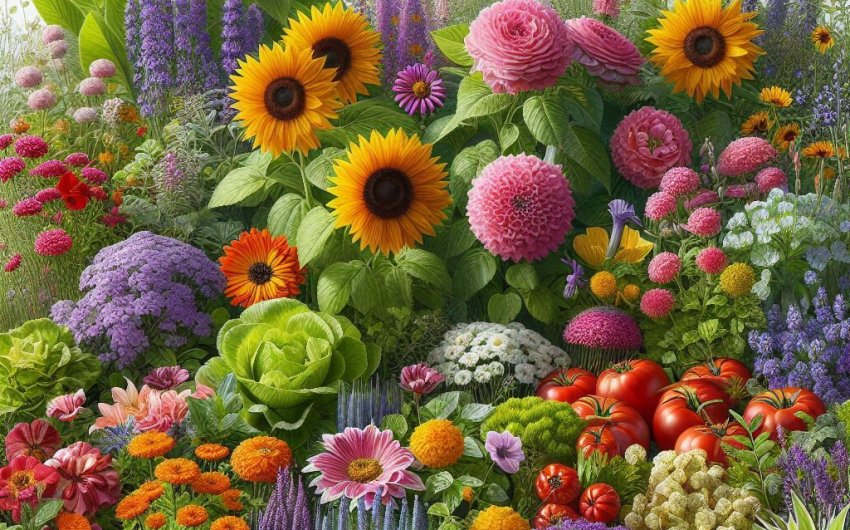
Creating a vibrant and healthy garden often involves more than just planting your favorite blooms. The ancient art and science of companion planting suggest that some plants thrive when grown near specific others, offering mutual benefits that lead to a more resilient and bountiful ecosystem. When considering what are the best companion plants for flowers, you're unlocking a powerful strategy to deter pests, attract beneficial insects, improve soil health, and even enhance the beauty and vigor of your floral displays. This comprehensive guide will delve into the fascinating world of plant partnerships, helping you design a garden where every flower flourishes.
What is Companion Planting and Why Do Flowers Need It?
Companion planting is the practice of growing different plants in close proximity for mutual benefit. It's a cornerstone of organic and permaculture gardening, recognizing that a diverse plant community is often healthier and more productive than monocultures.
Why is Companion Planting Beneficial for Flowers?
While often discussed in vegetable gardens, companion planting offers immense advantages for flowerbeds:
- Pest Deterrence: Some companion plants release compounds from their roots or foliage that repel common flower pests, acting as natural barriers.
- Beneficial Insect Attraction: Certain flowers and herbs are magnets for pollinators (like bees and butterflies) and predatory insects (like ladybugs and lacewings) that feed on harmful pests.
- Soil Health Improvement: Some plants, particularly legumes, can fix nitrogen in the soil, benefiting nutrient-hungry flowering plants nearby. Others help break up compacted soil.
- Improved Growth and Vigor: Companions can provide shade, act as living mulches, or support climbing plants, creating optimal microclimates.
- Enhanced Aesthetics: Thoughtful companion planting creates visually appealing combinations of textures, colors, and heights, making your flowerbeds even more beautiful.
- Reduced Disease: A diverse planting can sometimes reduce the spread of diseases by acting as a physical barrier or by producing compounds that inhibit pathogen growth.
What Flowers Attract Beneficial Insects to Your Garden?
One of the most powerful benefits of companion planting for flowers is their ability to draw in beneficial insects. These garden allies include pollinators vital for fruit and seed set, and predatory insects that act as natural pest control.
Which Flowers are Pollinator Powerhouses?
Attracting pollinators like bees, butterflies, and hummingbirds is crucial not just for some flowering plants (e.g., those producing seeds or fruits later), but for the overall health of your garden and local ecosystem.
- Coneflower (Echinacea): Large, daisy-like flowers that are a favorite of bees and butterflies. They offer a landing pad and rich nectar.
- Lavender: A fragrant herb with beautiful purple blooms that are irresistible to bees and butterflies.
- Bee Balm (Monarda): As its name suggests, a magnet for bees, but also attracts butterflies and hummingbirds with its unique, tubular flowers.
- Zinnia: Easy to grow, long-blooming, and highly attractive to butterflies and other pollinators, especially single-petal varieties.
- Cosmos: Delicate, airy flowers that provide abundant nectar for a variety of pollinators.
- Sunflower: A giant beacon for bees, especially smaller, branching varieties that produce many flowers.
- Salvia: Many varieties (e.g., Salvia nemorosa, Salvia splendens) are excellent for attracting hummingbirds, bees, and butterflies with their spires of colorful flowers.
- Clover (especially White or Crimson): Often used as a living mulch, clover attracts a wide range of pollinators and also fixes nitrogen in the soil.
Which Flowers Attract Predatory Insects for Pest Control?
Predatory insects like ladybugs, lacewings, hoverflies, and parasitic wasps are natural pest control agents, feasting on aphids, mites, caterpillars, and other garden nuisances. They are drawn to flowers with open, accessible nectaries.
- Dill and Fennel (Umbellifers): These herbs, with their flat, umbrella-like flower heads, are irresistible to predatory wasps, hoverflies, and ladybugs. Allow some to go to flower.
- Cilantro/Coriander (Umbellifers): Similar to dill, allowing cilantro to bolt and flower provides a feast for beneficial insects.
- Sweet Alyssum: This low-growing, spreading annual produces tiny, fragrant white flowers that attract a huge array of tiny beneficial insects, including hoverflies and parasitic wasps, which prey on aphids. Planting it as a groundcover around roses or other aphid-prone plants is effective.
- Marigolds (especially French Marigolds): While often cited for pest deterrence (see below), some varieties also attract beneficial insects.
- Calendula: Bright, cheerful flowers that attract lacewings and ladybugs.
- Yarrow: A sturdy perennial with flat-topped flower clusters that are excellent for attracting predatory wasps and hoverflies.
What are the Best Flowers for Pest Deterrence?
Some flowers possess natural compounds or strong scents that act as a deterrent to common garden pests, protecting nearby plants from damage. These are invaluable companion plants for flowers you want to keep pristine.
Which Flowers Repel Harmful Pests?
- *Marigolds (Tagetes spp.):*
- Mechanism: French marigolds (especially Tagetes patula) are famous for repelling nematodes (microscopic worms) in the soil and can deter whiteflies, aphids, and other insects with their strong scent. The chemicals are often exuded from their roots.
- Companions for: Roses (deters nematodes), tomatoes, peppers, beans (deters Mexican bean beetles), brassicas.
- Nasturtiums:
- Mechanism: These beautiful edible flowers act as a "trap crop." Aphids and other pests prefer nasturtiums over many other plants. You plant them to lure pests away from your prized flowers, then dispose of the infested nasturtium plants.
- Companions for: Roses, fruit trees, brassicas (deters cabbage worms).
- Chrysanthemums:
- Mechanism: Certain varieties contain pyrethrins, natural insecticides that deter many common garden pests.
- Companions for: General garden areas to deter various insects.
- Geraniums (especially Scented Geraniums):
- Mechanism: The strong, often citrusy or minty scent of some geranium varieties can confuse or deter pests.
- Companions for: Roses (deters Japanese beetles), general pest deterrence.
- Petunias:
- Mechanism: Some sources suggest petunias can repel specific pests like tomato hornworms and asparagus beetles.
- Companions for: Tomatoes, asparagus.
Which Herbs Can Deter Pests and Benefit Flowers?
Many fragrant herbs are excellent at repelling pests due to the volatile oils in their foliage. They make fantastic companion plants for flowers.
- Basil: Repels flies and mosquitoes. Improves the flavor of tomatoes and peppers (though less relevant for flowers, it shows its potent nature).
- Mint: A powerful repellent for ants, slugs, and some cabbage pests. Plant in containers to prevent aggressive spreading.
- Rosemary: Deters cabbage moths, bean beetles, and carrot rust flies.
- Thyme: Repels cabbage worms.
- Chives: Deters aphids, Japanese beetles, and black spot on roses.
- Garlic: Repels aphids, nematodes, and helps deter fungal diseases like black spot on roses.
What Companion Plants Improve Soil Health and Fertility?
Healthy soil is the foundation of any thriving garden, and some companion plants for flowers contribute directly to enriching the growing medium, providing a more fertile environment for your blooms.
How Do Some Companions Improve Soil Nutrients?
- Legumes (Nitrogen Fixers):
- Mechanism: Plants in the legume family (like clover, peas, beans) have a symbiotic relationship with bacteria in their root nodules. These bacteria take nitrogen from the air and convert it into a usable form in the soil, a process called nitrogen fixation.
- Companions for: Any nitrogen-hungry flowers (most flowering plants benefit), especially roses, sunflowers, or lilies. White clover or crimson clover can be sown as a living mulch or cover crop.
- Note: The nitrogen is released when the legume plant dies and decomposes, or when it's incorporated into the soil.
- Comfrey:
- Mechanism: Comfrey is a "dynamic accumulator" with deep taproots that mine nutrients (like potassium, calcium, and phosphorus) from deep within the soil, bringing them up to the surface.
- Companions for: Any flowering plant. You can grow comfrey near your flowers, harvest its leaves before it flowers, and use them as a nutrient-rich "chop and drop" mulch around your flowers. Do not let it go to seed, as it can be invasive.
How Do Some Companions Improve Soil Structure?
- Deep-Rooted Plants:
- Mechanism: Plants with strong, deep taproots naturally break up compacted soil, improving drainage and aeration. When these roots die, they leave behind channels that water, air, and other roots can follow.
- Companions for: Any area with heavy clay soil or compaction. Examples include daikon radish (though less common in a flowerbed context), comfrey, or even large sunflowers (whose strong root systems improve soil).
- Cover Crops/Living Mulches:
- Mechanism: Low-growing plants like clover or sweet alyssum can be planted between larger flowers. They cover the soil, protecting it from erosion, retaining moisture, and adding organic matter as they grow and decompose.
- Companions for: Any flowerbed where you want to suppress weeds, retain moisture, and slowly build soil health.
What are the Best Companion Plants for Specific Flowers?
Understanding general principles is great, but knowing what are the best companion plants for flowers based on specific blooms can unlock even greater success. Here's a look at common flowers and their ideal partners.
Companion Plants for Roses:
Roses are classic garden beauties, but they are also susceptible to pests (aphids, Japanese beetles) and diseases (black spot). Their companions can offer significant protection.
- Garlic and Chives:
- Benefit: Deter aphids, Japanese beetles, and can help prevent fungal diseases like black spot.
- Placement: Plant cloves of garlic or clumps of chives around the base of rose bushes.
- Marigolds (French):
- Benefit: Repel nematodes, which can attack rose roots.
- Placement: Plant at the base of roses or along the edges of rose beds.
- Geraniums (Scented):
- Benefit: Repel Japanese beetles.
- Placement: Around rose bushes.
- Parsley:
- Benefit: Attracts predatory wasps and hoverflies (which eat aphids).
- Placement: Plant around roses.
- Lavender:
- Benefit: Deters deer and rabbits, and attracts beneficial pollinators.
- Placement: Near roses, offering contrasting texture and color.
- Sweet Alyssum:
- Benefit: Attracts tiny parasitic wasps and hoverflies (aphid predators) with its small flowers. Also acts as a living mulch.
- Placement: As a groundcover around rose bushes.
Companion Plants for Sunflowers:
Sunflowers are majestic and iconic, attracting a variety of wildlife. Their strong growth can also benefit other plants.
- Corn: A classic "Three Sisters" companion. Sunflowers can provide a living trellis for climbing beans (though corn is more traditional for this).
- Beans (Pole Beans): Can climb the sturdy stalks of sunflowers, benefiting from the support.
- Squash/Pumpkins: Can grow at the base of sunflowers, shading the soil and suppressing weeds, benefiting from the natural trellis (if used for climbing) and potentially deterring squash vine borers (less directly than corn).
- Nasturtiums: Can be planted at the base to act as a trap crop for aphids, drawing them away from the sunflower.
Companion Plants for Dahlias:
Dahlias are showstoppers, but they can attract pests like spider mites and slugs.
- Marigolds: Help deter nematodes and some other pests.
- Mint: Deters slugs (plant in pots to control spread).
- Garlic/Chives: Can help deter aphids.
- Cosmos/Zinnias: Plant nearby to attract beneficial insects that prey on dahlia pests.
Companion Plants for Lilies:
Lilies are stunning but can be prone to lily beetles.
- Garlic/Chives: Some gardeners claim these deter lily beetles.
- Nasturtiums: Can act as a trap crop for aphids or other pests.
Companion Plants for Hydrangeas:
Hydrangeas generally don't have many pest issues but can benefit from plants that improve soil or simply look good.
- Hostas: Provide complementary foliage texture and fill in space around the base.
- Astilbe: Offers feathery plumes that contrast nicely with hydrangea's bold flowers.
What are General Guidelines for Successful Companion Planting?
While specific pairings offer targeted benefits, some overarching principles apply to any successful companion planting strategy for your flowers.
How to Maximize Companion Planting Benefits:
- Understand Plant Needs: Ensure all companion plants have similar requirements for sunlight, water, and soil type. Planting a sun-loving flower next to a shade-lover won't work, regardless of companion benefits.
- Consider Growth Habits:
- Height and Spread: Plant taller companions where they won't shade out shorter plants that need sun. Use low-growing companions as living mulches.
- Root Systems: Avoid planting heavy feeders next to each other if possible. Pair plants with shallow roots with those that have deeper roots to utilize different soil layers.
- Diversity is Key: The more diverse your garden, the more resilient it becomes. A variety of plant species encourages a balanced ecosystem, making it harder for any single pest or disease to take over.
- Observe and Learn: Companion planting isn't an exact science; what works well in one garden might not be as effective in another due to microclimates, specific pest pressures, or soil conditions. Pay attention to how your plants interact and adjust your plantings over time. Keep a garden journal to record successes and failures.
- Avoid Antagonistic Pairings: Just as some plants are good companions, others can actually hinder each other's growth.
- Examples of Poor Companions:
- Fennel: Often considered antagonistic to many plants, it can inhibit growth in some vegetables and flowers. Best grown alone.
- Walnut Trees: Release juglone, a chemical that inhibits growth in many plants, especially those in the nightshade family.
- Avoid Overcrowding: Even good companions can suffer if they are planted too close together, leading to competition for resources.
- Examples of Poor Companions:
- Integrate Herbs and Edibles: Don't limit companion planting to just flowers. Many herbs are fantastic at pest deterrence and attracting beneficials. Edible flowers like nasturtiums, calendula, and borage are also great additions.
- Plan for Succession: Consider plants that flower at different times of the season to provide continuous nectar and pollen sources for beneficial insects.
By thoughtfully applying the principles of companion planting, you can transform your flower garden into a vibrant, resilient, and naturally balanced ecosystem. Knowing what are the best companion plants for flowers empowers you to create stunning displays that are not only beautiful but also healthier, more resistant to pests, and brimming with beneficial life. It's a truly symbiotic approach to gardening that benefits both your plants and the environment.