
How Do I Attract Pollinators to My Flower Garden?
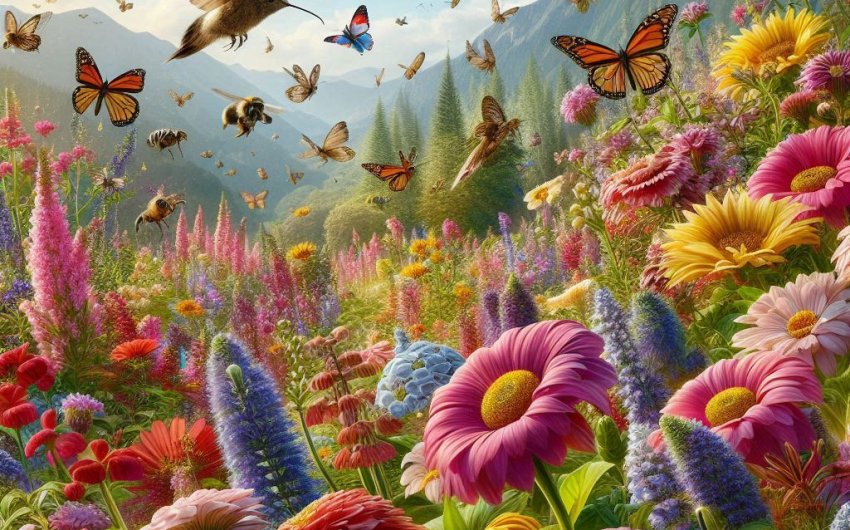
Bringing life and vibrancy to your outdoor space often involves more than just beautiful blooms; it means inviting nature's essential workers. Learning how to attract pollinators to your flower garden is a rewarding endeavor that benefits not only your plants but also the broader ecosystem. These busy insects and birds, from bees and butterflies to hummingbirds, play a vital role in helping plants produce fruits, vegetables, and seeds. By creating a welcoming habitat, you can enjoy a more dynamic and productive garden while supporting critical wildlife. This guide explores the best strategies to make your garden a bustling hub for these beneficial creatures.
Why are pollinators important for a flower garden?
Pollinators are the unsung heroes of the garden. They are crucial for the reproduction of many plants, including a significant portion of the food we eat. Without them, your flower garden, and much of the natural world, would look very different.
What is pollination?
Pollination is the process where pollen is moved from the male part of a flower (anther) to the female part (stigma). This movement fertilizes the flower, leading to the development of seeds, fruits, and new plants.
- Self-pollination: Some plants can pollinate themselves.
- Cross-pollination: Most plants need help, often from animals or wind, to transfer pollen between different flowers or plants.
What do pollinators do?
When a pollinator visits a flower, seeking nectar or pollen for food, pollen grains stick to its body. As it moves to the next flower, some of these grains rub off, completing the pollination process.
Here's why they matter to your garden:
- Increased yield: For fruiting plants and vegetables (like tomatoes, squash, berries), more pollination means more fruit and larger harvests.
- Healthy plants: A diverse pollinator population contributes to stronger plant genetics.
- Ecosystem health: Pollinators are a cornerstone of biodiversity, supporting countless other species.
- Beauty and activity: A garden filled with buzzing bees and fluttering butterflies is simply more lively and enjoyable.
What types of plants attract pollinators?
The right plant choices are the first and most effective step in learning how to attract pollinators to your flower garden. Different pollinators are drawn to different types of flowers.
Which flower shapes and colors do pollinators prefer?
Pollinators have specific preferences when it comes to the appearance of flowers.
| Pollinator Type | Preferred Flower Characteristics | Examples |
|---|---|---|
| Bees | Blue, purple, yellow, white. Often flat or cup-shaped, open, with landing platforms. Strong scent. | Aster, Coneflower, Sunflower, Lavender, Bee Balm, Clover |
| Butterflies | Bright colors (red, orange, yellow, pink, purple). Flat-topped clusters or individual large blooms. | Butterfly Bush, Zinnia, Marigold, Milkweed, Lantana, Phlox |
| Hummingbirds | Red, orange, pink. Tubular shape, no scent, often hanging downwards. | Bee Balm, Trumpet Vine, Cardinal Flower, Salvia, Honeysuckle |
| Moths | White or pale colors. Strong, sweet scent, especially at night. Often tubular. | Moonflower, Nicotiana, Evening Primrose, Phlox |
| Beetles | Dull, greenish-white. Dish-like or flat. Strong, spicy, or fruity scent. | Magnolia, Spicebush, Pawpaw, Goldenrod |
What are native plants and why are they important?
Native plants are species that naturally occur in your specific region. They are incredibly beneficial for attracting local pollinators.
- Adapted to local conditions: Native plants are well-suited to your climate and soil, making them easier to grow and requiring less water and care.
- Familiar to local pollinators: Native insects and birds have evolved with these plants and recognize them as reliable food sources.
- Ecosystem support: They provide food, shelter, and nesting sites for native wildlife, forming the base of a healthy ecosystem.
Research native plants specific to your geographic area. Your local cooperative extension office or native plant society can provide excellent resources.
Why should you choose diverse flowering times?
To keep pollinators visiting your garden all season long, you need a continuous supply of nectar and pollen.
- Spring bloomers: Provide early food sources for emerging bees and butterflies. Examples: Crocus, Salvia, Lupine.
- Summer bloomers: The peak season for many pollinators. Examples: Coneflower, Zinnia, Sunflower.
- Fall bloomers: Critical for pollinators preparing for winter or migration. Examples: Aster, Goldenrod, Sedum.
By planting a variety of flowers that bloom at different times, you create a constant "nectar corridor" that supports pollinators from early spring to late fall. A pollinator seed mix can be a good starting point.
How can you create a pollinator-friendly habitat?
Beyond just flowers, a complete pollinator habitat includes other essential elements: water, shelter, and protection from harm.
Why is a water source important?
Just like any living creature, pollinators need water to survive, especially during hot, dry periods.
- Bird bath: A shallow bird bath with rocks or pebbles in it provides a safe landing spot for bees and butterflies to drink without drowning.
- Butterfly puddler: Create a "puddling station" by filling a shallow dish with wet sand or mud. Butterflies extract essential minerals from the damp soil. You can buy a butterfly puddler or make one with a shallow saucer and sand.
- Dripping water: A slow drip from a hose or a small fountain can be very attractive to hummingbirds.
Ensure your water sources are kept clean to prevent disease.
What kind of shelter do pollinators need?
Pollinators need places to rest, hide from predators, and nest.
- Tall grasses and shrubs: Provide shelter from wind and rain.
- Brush piles: Offer nesting sites for native bees and other insects.
- Bare ground: Some native bees are ground-nesters, so leaving small patches of undisturbed, sunny, well-drained bare soil can be helpful.
- Rock piles: Can offer hiding spots for beneficial insects.
- Bee hotels: Specific structures like a bee hotel or bee house provide nesting tubes for solitary bees (which are not aggressive).
- Leaf litter: Leaving some fallen leaves provides overwintering sites for butterflies and other insects.
Why is reducing pesticide use crucial?
Pesticides, even those labeled "organic," can harm or kill pollinators. This is perhaps the most critical aspect of creating a truly pollinator-friendly garden.
- Avoid synthetic pesticides: These are often broad-spectrum and kill beneficial insects along with pests.
- Use integrated pest management (IPM): Focus on prevention and non-chemical solutions first.
- Hand-picking pests: Remove slugs, beetles, or caterpillars by hand.
- Introducing beneficial insects: Attract ladybugs, lacewings, or praying mantises that prey on garden pests.
- Healthy plants: Strong plants are more resistant to pest infestations.
- Horticultural oils/insecticidal soaps: Use only as a last resort and apply them in the evening when pollinators are less active. Always read labels carefully. A neem oil spray can be a less harmful option.
Aim for a pesticide-free garden to maximize your efforts to attract pollinators.
How do garden design principles help attract pollinators?
The way you arrange your plants and the overall layout of your garden can significantly impact its appeal to pollinators.
Why plant in clusters or drifts?
Instead of scattering single plants, group flowers of the same type together in clusters or large drifts.
- Visibility: Large blocks of color are much more visible to pollinators, especially from a distance. It's like a big, welcoming sign.
- Efficiency: Once a pollinator finds a cluster of its preferred flowers, it can visit many blooms without having to travel far, saving energy. This encourages them to stay longer and return more often.
- "Pollinator magnets": Large groupings create a strong visual signal that tells pollinators, "Feast here!"
Aim for clusters of at least 3-5 plants of the same variety for maximum impact.
How does garden diversity play a role?
Beyond flower types, consider overall garden diversity, including different plant heights, textures, and structures.
- Variety of heights: Cater to pollinators that forage at different levels. Some prefer low-lying groundcovers, while others prefer tall blooming stalks.
- Layers: Mimic natural ecosystems with groundcovers, perennials, shrubs, and even small trees. This provides a variety of food and shelter options.
- Host plants: Don't forget host plants, which are specific plants that provide food for the larval (caterpillar) stage of butterflies. For example, Monarch butterflies absolutely need milkweed to lay their eggs. Consider adding some milkweed seeds to your garden.
- Don't be too tidy: Resist the urge to clean up every dead leaf or stem. Overwintering insects often reside in hollow plant stems or under leaf litter. Leaving some undisturbed areas, especially during fall and winter, is vital.
Why connect pollinator patches?
If you have multiple garden beds or even a small space, think about how they connect.
- Corridors: If possible, create a "pollinator corridor" by planting pollinator-friendly flowers in successive beds or even along property lines. This allows pollinators to easily move from one food source to the next.
- Stepping stones: Even small patches of pollinator plants in containers or small beds can act as stepping stones in an urban environment, guiding pollinators through the landscape.
What are some specific plants to attract different pollinators?
Knowing which specific plants are favorites of various pollinators can help you tailor your planting choices. Here's a deeper dive into some top choices for your garden.
Top plants for Bees
Bees, especially native bees and honeybees, are critical pollinators. They are often attracted to single, open flowers.
- Coneflower (Echinacea): Coneflower seeds produce daisy-like flowers with a prominent central cone. Available in various colors.
- Lavender (Lavandula): Fragrant, purple spikes that are bee magnets.
- Bee Balm (Monarda): Also known as Bergamot, these vibrant, shaggy flowers are aptly named.
- Sunflower (Helianthus annuus): Large, cheerful flowers that provide abundant pollen and nectar. Plant some sunflower seeds for tall blooms.
- Aster (Symphyotrichum): Late-season bloomers vital for bees preparing for winter.
- Clover (Trifolium): Often considered a "weed" in lawns, but a fantastic food source for bees. Consider a white clover seed mix for your lawn.
- Sedum (Stonecrop): Many varieties, especially 'Autumn Joy', provide late-season sustenance.
Top plants for Butterflies
Butterflies are drawn to bright colors and flat surfaces to rest while they sip nectar. Remember their host plant needs too.
- Butterfly Bush (Buddleja): Famous for attracting butterflies with its long flower spikes. Choose non-invasive varieties or sterile cultivars.
- Zinnia (Zinnia elegans): Easy to grow from zinnia seeds, comes in a huge range of bright colors and sizes.
- Milkweed (Asclepias): The essential host plant for Monarch caterpillars. Plant different types of milkweed based on your region.
- Lantana (Lantana camara): Clusters of small, colorful flowers that are very attractive.
- Phlox (Phlox paniculata): Tall garden phlox offers vibrant, fragrant blooms.
- Cosmos (Cosmos bipinnatus): Another easy-to-grow annual from cosmos seeds with colorful, daisy-like flowers.
Top plants for Hummingbirds
Hummingbirds are attracted to red and orange tubular flowers.
- Bee Balm (Monarda): Red varieties are hummingbird favorites.
- Salvia (Salvia splendens/coccinea): Many varieties of Salvia, especially red and hot pink, are hummingbird magnets.
- Trumpet Vine (Campsis radicans): A vigorous climber with large, trumpet-shaped orange or red flowers.
- Cardinal Flower (Lobelia cardinalis): Brilliant red, spiky flowers.
- Honeysuckle (Lonicera sempervirens): Twining vines with tubular flowers. Choose native, non-invasive types.
- Penstemon (Penstemon digitalis): Bell-shaped flowers on tall spikes.
What are best practices for maintaining a pollinator garden?
Even after you've made your plant choices and designed your habitat, ongoing maintenance is key to keeping your garden a pollinator paradise.
Why is deadheading important for some plants?
Deadheading is the practice of removing spent or faded flowers from a plant.
- Encourages more blooms: For many annuals and some perennials, deadheading signals the plant to produce more flowers rather than putting energy into seed production. More flowers mean more nectar and pollen for pollinators.
- Tidiness: Keeps your garden looking neat.
However, be mindful that some plants (like coneflowers or sunflowers) produce seeds that birds will eat in the fall and winter, so you might choose not to deadhead all of them.
When should you cut back plants?
The timing of cutting back plants can significantly impact overwintering pollinators.
- Delay fall cleanup: Instead of cutting back all your perennials and ornamental grasses in the fall, leave them standing through winter. Many native bees and other insects overwinter in hollow stems or under leaf litter.
- Spring cleanup: Wait until temperatures are consistently above 50°F (10°C) in the spring before cutting back dead stalks. This ensures any overwintering insects have emerged.
- "Chop and drop": When you do cut back plants in spring, consider leaving the cut material as mulch around the base of the plants, providing further habitat and returning nutrients to the soil.
How does continuous observation help?
Spend time in your garden, observing what's happening. This hands-on approach will teach you valuable lessons about your specific garden and local pollinators.
- Identify visitors: Learn to recognize the different bees, butterflies, and other pollinators visiting your flowers. This helps you understand their preferences.
- Note popular plants: See which plants are buzzing with activity and which are less popular. This informs future planting choices.
- Spot problems early: Observe any signs of pests or diseases before they become major issues, allowing you to address them with pollinator-friendly methods.
- Enjoy the process: The most rewarding part of learning how to attract pollinators to your flower garden is witnessing the vibrant ecosystem you've helped create. The simple act of observation connects you more deeply with nature.
By carefully selecting plants, providing essential resources, and adopting sustainable gardening practices, you can create a thriving haven for bees, butterflies, and other vital creatures, truly learning how to attract pollinators to your flower garden.