
How Do I Prevent Pests in My Flower Garden Naturally?
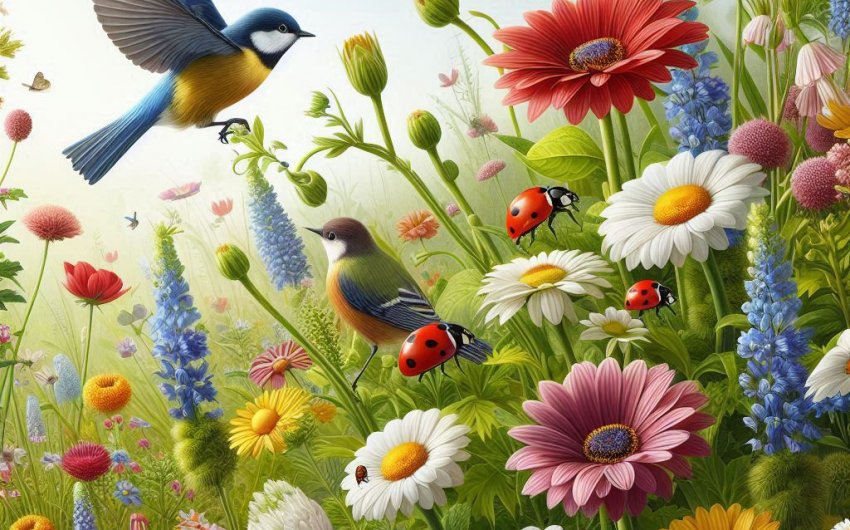
Cultivating a vibrant, thriving flower garden without resorting to harsh chemicals is a rewarding goal for any nature enthusiast. Learning how do I prevent pests in my flower garden naturally involves understanding the intricate ecosystem of your outdoor space and implementing strategies that bolster plant health and encourage beneficial organisms. This comprehensive guide explores various eco-friendly methods to deter unwanted garden invaders, ensuring your blooms remain beautiful and resilient through natural means.
Why is a healthy garden ecosystem important for pest prevention?
Before diving into specific tactics, understanding that a balanced and diverse garden ecosystem is your first line of defense is crucial for preventing pests in your flower garden naturally. When nature's checks and balances are in place, pest populations rarely get out of control.
What is a garden ecosystem?
A garden ecosystem includes all the living (plants, insects, microbes, animals) and non-living (soil, water, sunlight, air) components within your garden space and how they interact with each other. It's a miniature version of larger natural environments.
How does a healthy ecosystem deter pests?
- Natural Predators: In a balanced ecosystem, you have a variety of beneficial insects that feed on common garden pests. Ladybugs devour aphids, lacewing larvae feast on whiteflies, and certain parasitic wasps target caterpillars. If you kill off all insects (good and bad) with broad-spectrum pesticides, you eliminate these natural pest controls, allowing pest populations to explode unchecked.
- Diverse Plant Life: A monoculture (planting only one type of plant) is a giant buffet for any pest that likes that plant. A diverse garden, on the other hand, confuses pests, provides varied habitats, and ensures that if one plant type is attacked, the entire garden isn't devastated. Different plants also attract different beneficial insects.
- Strong Plants: Healthy plants are naturally more resistant to pest attacks. Just like a healthy human can fight off illness, a plant with strong roots, robust foliage, and proper nutrition is better equipped to withstand minor pest damage or even repel pests. Stressed or weak plants are often the first targets.
- Balanced Soil Biology: The soil is the foundation of your garden's health. A soil teeming with beneficial microbes and fungi helps plants absorb nutrients more efficiently, protects roots from disease, and contributes to overall plant vigor. When plants are healthy from the roots up, they are less attractive to many pests.
By focusing on fostering a rich and diverse garden environment, you empower nature to do much of the pest control work for you, making your efforts to prevent pests in your flower garden naturally far more effective and sustainable.
How do you encourage beneficial insects in your flower garden?
One of the most effective strategies for preventing pests in your flower garden naturally is to actively invite and nurture beneficial insects. These are the unsung heroes of pest control, acting as natural predators and parasites to keep harmful insect populations in check.
What kinds of beneficial insects should you attract?
| Beneficial Insect | Primary Pests They Control | What Attracts Them |
|---|---|---|
| Ladybugs | Aphids, mealybugs, spider mites | Dill, cilantro, fennel, marigolds, yarrow, cosmos, dandelion |
| Lacewings | Aphids, mealybugs, whiteflies, spider mites, thrips | Dill, cilantro, cosmos, asters, coreopsis |
| Hoverflies | Aphids (larvae) | Sweet alyssum, dill, cilantro, fennel, sunflowers, cosmos |
| Parasitic Wasps | Aphids, caterpillars, scale, whiteflies, slugs | Small-flowered plants like dill, fennel, carrots, daisies |
| Ground Beetles | Slugs, snails, cutworms, cabbage maggots | Groundcover plants, mulch (for shelter), moist soil |
| Praying Mantis | Large insects, moths, grasshoppers | Tall grasses and shrubs for shelter |
How do you create an attractive habitat for beneficial insects?
- Plant a diverse range of flowering plants:
- Nectar and Pollen Sources: Focus on plants with small, open flowers that provide easy access to nectar and pollen, especially those in the carrot (Apiaceae/Umbelliferae) and daisy (Asteraceae) families. Examples include dill, fennel, cilantro, parsley (letting them flower), marigolds, cosmos, zinnias, sweet alyssum, and coneflowers.
- Succession Planting: Choose plants that bloom at different times throughout the growing season. This ensures a continuous food source for beneficial insects from spring to fall.
- Provide shelter:
- Groundcover: Leave some patches of groundcover or allow beneficial weeds (like clover) to grow in certain areas. This provides hiding spots for ground beetles and other predators.
- Brush piles/Log piles: A small, tidy brush pile or log pile can offer shelter for ground beetles and other insect predators.
- "Insect hotels": Consider installing an insect house or purchasing one. These provide nesting and overwintering sites for solitary bees and certain beneficial wasps.
- Offer a water source:
- A shallow dish of water with pebbles or marbles (to provide landing spots) will attract insects, especially during hot, dry periods.
- Avoid broad-spectrum pesticides: This is perhaps the most crucial step. Chemical pesticides kill indiscriminately, wiping out beneficial insects along with pests, disrupting your natural pest control army. Even organic pesticides like neem oil should be used judiciously and targeted, as they can also affect beneficials.
- Be patient: Building a thriving beneficial insect population takes time. It's a long-term strategy for preventing pests in your flower garden naturally.
By thoughtfully designing your garden to be inviting to these tiny allies, you empower nature's own pest control system, creating a vibrant and resilient ecosystem where your flowers can flourish.
What is companion planting and how does it prevent pests?
Companion planting is an age-old gardening technique that strategically places different plant species close to each other for mutual benefit, and it's an excellent method for preventing pests in your flower garden naturally. The idea is that certain plants can deter pests, attract beneficial insects, or even improve the growth of their neighbors.
How does companion planting work for pest prevention?
Companion planting utilizes several natural mechanisms to keep pests away:
- Pest Repellents: Some plants emit scents or chemicals that are disagreeable or confusing to specific pests, driving them away from nearby susceptible plants.
- Trap Cropping: Certain plants are more attractive to particular pests than your desired flowers. By planting these "sacrificial" crops, pests will flock to them, leaving your main flowers untouched. You can then manage the pests on the trap crop more easily.
- Masking Scents: Some strong-smelling companion plants can mask the scent of vulnerable flowers, making it harder for pests to locate their preferred host plants.
- Attracting Beneficial Insects: As discussed, many flowering companion plants attract the natural predators of garden pests.
What are common companion planting combinations for flower gardens?
Here are some popular companion planting examples for flower gardens:
| Pest Targeted | Companion Plant | How it Works |
|---|---|---|
| Aphids | Marigolds (especially French), Nasturtiums, Chives | Marigolds repel; Nasturtiums act as a trap crop; Chives repel. |
| Whiteflies | Nasturtiums, Marigolds, Mint (in pots) | Nasturtiums attract whiteflies away; Marigolds repel; Mint's strong scent confuses. |
| Slugs & Snails | Wormwood, Rosemary, Mint, Marigolds | Repellents due to strong scents or bitter taste. |
| Nematodes (root-knot) | French Marigolds (Tagetes patula) | Release chemicals from roots that kill or repel nematodes. |
| Cabbage Worms/Moths | Rosemary, Sage, Thyme, Mint, Tansy | Strong aromatic herbs confuse and deter moths. |
| General Pests/Deer/Rabbits | Strong-smelling herbs like Rosemary, Sage, Lavender | Their strong scents are often unappealing to a wide range of pests and animals. |
How to implement companion planting effectively:
- Research combinations: Before planting, research which specific plants are good companions for the flowers you want to grow and the pests you commonly encounter.
- Interplanting: Don't just plant companions in a separate bed. Interplant them directly among your flowers. For example, scatter marigold seeds throughout your susceptible flower beds.
- Use herbs creatively: Many herbs are excellent companion plants. Consider planting borders of basil, rosemary, or chives around your flower beds. If using aggressive spreaders like mint, plant them in pots submerged in the ground to contain their roots.
- Consider trap crops: If you have a persistent pest problem, try dedicating a small area to a trap crop. Be prepared to monitor and manage pests on the trap crop to prevent them from spreading back to your desired plants.
- Diversity is key: The more diverse your plant palette, the more robust your ecosystem will be, offering varied defense mechanisms.
By incorporating the principles of companion planting into your garden design, you leverage natural interactions to actively prevent pests in your flower garden naturally, creating a more resilient and harmonious growing space.
Can good garden hygiene prevent pest outbreaks?
Absolutely. Maintaining good garden hygiene is one of the simplest yet most effective practices for preventing pests in your flower garden naturally. A clean and tidy garden removes hiding spots, breeding grounds, and food sources for many common garden invaders.
How does garden hygiene deter pests?
- Eliminates hiding spots: Pests like slugs, snails, earwigs, and various larvae love to hide in damp, dark places under debris. Removing clutter eliminates these safe havens.
- Removes breeding grounds: Decaying plant matter can provide food and shelter for pest eggs and young.
- Reduces food sources: Diseased or dead plant material can attract certain pests or allow existing populations to multiply. Weeds can also act as host plants for pests that then spread to your desired flowers.
- Disrupts pest cycles: Regular cleaning can disrupt the life cycles of pests, preventing them from completing their generations.
What are key garden hygiene practices?
- Remove weeds regularly: Weeds compete with your flowers for nutrients and water, stressing them and making them more susceptible to pests. More importantly, many weeds (like dandelions or clover) can act as alternate hosts for pests like aphids, mites, and slugs. By removing weeds, you remove these potential safe havens and food sources.
- Tip: Hand-pull weeds when they are small, or use a hand weeder tool.
- Clean up fallen leaves and debris: Don't let dead leaves, spent flowers, or fallen branches accumulate around your plants. These create moist, dark hiding places for slugs, snails, earwigs, and various insect larvae.
- Tip: Rake regularly or use them for compost if they are disease-free.
- Prune diseased or infested plant parts: As soon as you spot any leaves or stems showing signs of disease or heavy pest infestation, prune them off immediately. This prevents the problem from spreading to healthy parts of the plant or to neighboring plants.
- Tip: Use clean, sharp pruning shears for plants and dispose of the infested material in the trash (not the compost pile) to prevent spread.
- Sanitize tools: Clean your gardening tools (pruners, trowels, etc.) regularly, especially after working with diseased or infested plants. A quick wipe with rubbing alcohol or a bleach solution prevents you from inadvertently spreading pests or diseases from one plant to another.
- Water wisely: Avoid overhead watering in the evening, which can keep foliage wet overnight and encourage fungal diseases and some pests. Water at the base of plants in the morning.
- Rotate annual flowers: While less critical for perennials, if you plant annuals in the same spot year after year, it can lead to a buildup of specific pests or diseases in the soil. Rotating your annual flowers to different spots can help break pest life cycles.
By diligently implementing these garden hygiene practices, you create a less hospitable environment for pests, significantly contributing to your goal of preventing pests in your flower garden naturally.
How does good soil health contribute to natural pest prevention?
The foundation of a thriving flower garden, and a key strategy for preventing pests in your flower garden naturally, lies beneath the surface: in the health of your soil. Healthy soil fosters healthy plants, and strong plants are inherently more resistant to pest attacks.
Why is soil health vital for pest resistance?
- Strong Root Systems: Plants growing in healthy, well-structured soil can develop extensive and robust root systems. These roots are more efficient at absorbing water and nutrients, which are essential for building strong cell walls and producing natural pest-deterring compounds.
- Balanced Nutrition: Good soil provides a balanced array of macro and micronutrients in forms that plants can readily absorb. A plant that is well-fed is better able to withstand minor pest damage and recover quickly. Conversely, nutrient-deficient plants are stressed and become easy targets for pests.
- Beneficial Soil Microbes: Healthy soil is teeming with a diverse community of beneficial microorganisms (bacteria, fungi, protozoa). These microbes play crucial roles:
- Nutrient Cycling: They break down organic matter, converting nutrients into plant-available forms.
- Disease Suppression: Some microbes actively suppress soil-borne diseases that can weaken plants and make them vulnerable to pests.
- Symbiotic Relationships: Mycorrhizal fungi, for example, form beneficial relationships with plant roots, extending the root system's reach and improving nutrient and water uptake.
- Improved Water Management: Well-structured soil with good organic matter content has both excellent drainage and water retention. This prevents both waterlogging (which suffocates roots) and drought stress (which weakens plants), both of which can lead to pest susceptibility.
What are key practices for building healthy soil?
- Add Organic Matter: This is the single most important practice for long-term soil health.
- Compost: Incorporate ample amounts of garden compost into your flower beds annually. Compost improves soil structure, aeration, drainage, water retention, and provides a slow release of nutrients, all while feeding beneficial microbes.
- Leaf Mold/Mulch: Use shredded leaves or other organic mulches around your flowers. As they break down, they slowly add organic matter to the soil.
- Avoid Compaction: Compacted soil has fewer air pockets, hindering root growth and microbial activity.
- Limit walking: Avoid walking on your flower beds, especially when the soil is wet.
- Use pathways: Create defined pathways to avoid compacting planting areas.
- Aeration: For lawns, regular aeration can help. For beds, digging in organic matter will naturally loosen heavy soils.
- Mulch Regularly: Apply a layer of organic mulch (such as wood chips, shredded leaves, or straw) around your plants.
- Benefits: Mulch conserves soil moisture, regulates soil temperature, suppresses weeds (which compete for nutrients and can host pests), and slowly breaks down to add organic matter. A garden mulch can be beneficial.
- Use Cover Crops (for empty beds): If you have flower beds that will be empty over winter, consider planting a cover crop. This protects the soil from erosion, adds organic matter when tilled in, and can suppress weeds.
- Minimize Tilling: Excessive tilling can disrupt soil structure and harm beneficial microbes. Focus on no-till or minimal-till practices, especially when adding organic matter to the surface (top-dressing).
- Balance Fertilization: Use fertilizers wisely, preferably organic ones or synthetic ones based on soil test recommendations. Over-fertilizing can lead to weak, sappy growth that is more attractive to pests.
By investing in the health of your soil, you create a robust foundation for your flowers, making them naturally more resistant and less appealing to pests, thus succeeding in your goal of preventing pests in your flower garden naturally.
What are natural barriers and physical controls for garden pests?
Beyond encouraging beneficial insects and promoting overall garden health, natural barriers and physical controls offer direct, non-toxic ways for preventing pests in your flower garden naturally. These methods aim to block pests from reaching your plants or remove them directly without chemicals.
What are common natural barriers?
- Row Covers: These are fine, lightweight mesh fabrics, often called floating row covers, that you place directly over your plants or support with hoops.
- How they work: They act as a physical barrier, preventing flying insects (like cabbage moths, cucumber beetles, aphids, whiteflies) from landing on and laying eggs on your plants.
- Best for: Protecting young seedlings or vulnerable plants.
- Considerations: Ensure they are securely anchored to prevent pests from crawling underneath. Remove them when plants need pollination (if they're fruiting plants) or if temperatures get too high.
- Netting: Similar to row covers but often heavier gauge, used to exclude larger pests like birds, deer, or rabbits.
- How it works: Creates a physical barrier around plants or entire beds.
- Best for: Protecting fruit-bearing flowers or plants from animal browsing.
- Collars/Barriers for Cutworms: For seedlings or young plants, a collar made from cardboard, tin cans, or plastic around the base of the stem can prevent cutworms from severing the plant at the soil line.
- How it works: A physical barrier extending into the soil.
- Copper Tape Barriers: Copper tape acts as a mild electrical deterrent for slugs and snails.
- How it works: When a slug or snail crosses the copper tape, it creates a small electrical charge that deters them.
- Best for: Protecting raised beds or container plants from slugs and snails. You can find copper slug tape.
What are effective physical controls?
- Hand-picking: The simplest and most direct method for larger pests.
- How it works: Manually remove pests like slugs, snails, caterpillars, Japanese beetles, or squash bugs from your plants. Drop them into a bucket of soapy water.
- Best for: Small infestations or larger, easily visible pests. Do it early in the morning or evening.
- Strong water spray: For soft-bodied pests like aphids, spider mites, or whiteflies.
- How it works: A strong blast of water from a hose can dislodge pests from plants.
- Best for: Light infestations. Repeat every few days as needed.
- Considerations: Be gentle so as not to damage delicate plants. Do it in the morning so foliage can dry.
- Sticky Traps: Yellow sticky traps attract and trap flying insects.
- How they work: The bright yellow color attracts pests like whiteflies, fungus gnats, and winged aphids, and the sticky surface traps them.
- Best for: Monitoring pest presence and for light infestations. You can find yellow sticky traps.
- Considerations: Don't use them near beneficial insects, as they are non-selective.
- Trench Traps/Beer Traps: Effective for slugs and snails.
- How they work: Bury a shallow dish (like a tuna can) level with the soil and fill it with beer. Slugs and snails are attracted to the yeast, fall in, and drown.
- Best for: Controlling slug and snail populations.
| Method | Pest Targeted | Benefits | Considerations |
|---|---|---|---|
| Row Covers | Flying insects (moths, beetles, aphids) | Non-toxic, very effective physical barrier | Can block pollinators, may increase heat in summer |
| Hand-picking | Larger insects, slugs, snails | Chemical-free, immediate results | Time-consuming for large infestations |
| Strong Water Spray | Aphids, spider mites, whiteflies | Quick, easy, chemical-free | Can damage delicate plants, must repeat |
| Sticky Traps | Whiteflies, fungus gnats, aphids | Monitors and reduces flying pests | Non-selective (can trap beneficials) |
| Copper Tape/Beer Traps | Slugs, Snails | Targeted, chemical-free | Best for specific pests |
By strategically implementing these natural barriers and physical controls, you add powerful, direct tools to your arsenal for preventing pests in your flower garden naturally.