
What Are the Best Flowers for Attracting Butterflies to My Garden?
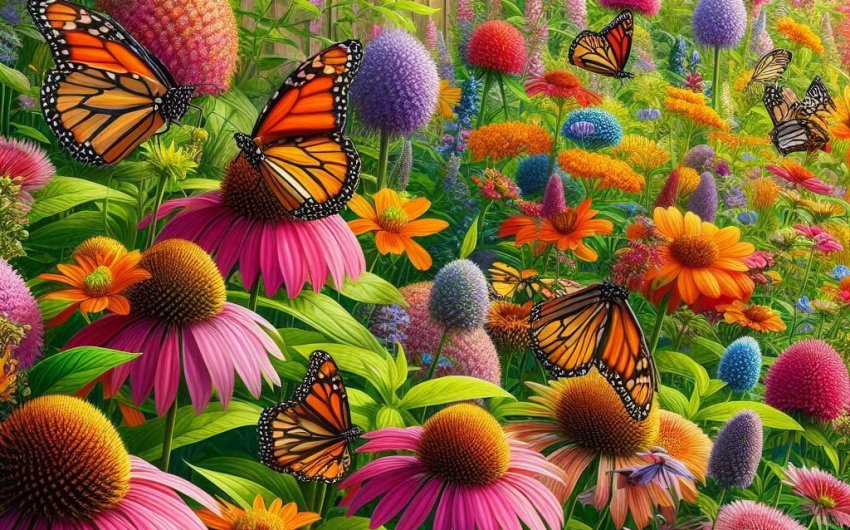
Creating a haven for these enchanting winged insects in your outdoor space often starts with selecting the right flora. You're likely wondering which floral varieties are most effective in drawing in a vibrant array of butterflies. Attracting a diversity of these beautiful pollinators not only enhances your garden's aesthetic appeal but also supports local ecosystems. Certain blossoms provide the essential nectar and host plant opportunities that different butterfly species require for their life cycles.
What Kinds of Flowers Do Butterflies Prefer?
Butterflies generally exhibit a preference for specific floral characteristics that make it easier for them to access nectar and pollen. Understanding these preferences is key to designing a successful butterfly garden.
Butterflies are drawn to a variety of flower types, each offering unique advantages for these fascinating insects. While many flowers provide nectar, some are particularly effective due to their structure, color, and scent. Understanding these preferences can significantly enhance the success of your butterfly-attracting efforts.
What Colors Attract Butterflies?
When considering the visual appeal for butterflies, color plays a significant role. Butterflies have different visual perceptions than humans, and certain hues stand out more prominently to them.
Many butterflies are particularly attracted to brightly colored flowers, especially those in shades of purple, pink, yellow, orange, and red. These vibrant colors are highly visible to their compound eyes and often signal a rich source of nectar. For instance, the striking purple of Liatris spicata or the cheerful yellow of Rudbeckia hirta can act as powerful beacons. While some species are drawn to a wide spectrum of colors, having a diverse palette in your garden increases the likelihood of attracting a greater variety of butterflies.
What Flower Shapes and Sizes Attract Butterflies?
Beyond color, the physical structure of a flower is crucial for butterflies. Their proboscis, a tube-like mouthpart used for feeding, is designed to access nectar from specific flower shapes.
Butterflies generally prefer flowers with flat-topped clusters or those with short floral tubes, as these structures provide easily accessible landing platforms and nectar sources. Examples include the broad, inviting surfaces of Achillea millefolium (Yarrow) or the clustered florets of Buddleja davidii (Butterfly Bush). These shapes allow butterflies to land comfortably and extend their proboscis into multiple flowers without expending too much energy. Conversely, flowers with very deep or narrow tubes might be challenging for some species to access, though others, like sphinx moths, are specifically adapted for such flowers.
What Scents Attract Butterflies?
While not as immediately obvious as color, scent plays a vital role in a butterfly's foraging behavior. Flowers release volatile organic compounds that act as olfactory signals, guiding butterflies to potential food sources.
Fragrant flowers can be highly attractive to butterflies, especially those with sweet, subtle scents. Although humans might perceive strong, pleasant aromas from flowers like roses, butterflies are often more attuned to different chemical compositions. For example, the delicate fragrance of Phlox paniculata (Garden Phlox) or the sweet perfume of Lavandula angustifolia (Lavender) can be irresistible to many butterfly species. It's not always about a strong, human-perceptible smell, but rather the specific chemical signals that flowers emit to announce their nectar availability.
Which Annual Flowers Are Best for Attracting Butterflies?
Annual flowers, which complete their life cycle within one growing season, are fantastic for providing continuous blooms throughout the summer and fall, offering a steady supply of nectar for butterflies. Their vibrant colors and often prolific flowering make them essential for a thriving butterfly garden.
Annuals are a great choice for providing season-long nectar sources, as they typically bloom from spring until the first frost. This extended flowering period ensures a consistent food supply for various butterfly species that emerge throughout the warmer months. Many popular annuals are also relatively easy to grow from seed or as small plants, making them accessible even for novice gardeners.
What are some vibrant annuals for butterflies?
Many annuals burst with the vibrant colors that butterflies find irresistible. These plants are not only beautiful but also provide abundant nectar, making them top choices for any butterfly-friendly landscape.
One of the most popular and effective annuals for attracting butterflies is Zinnia. Varieties like Zinnia elegans come in a spectacular range of bright colors—pinks, reds, oranges, yellows, and purples—and their flat-topped blooms provide excellent landing pads for butterflies. Another excellent choice is Cosmos, particularly Cosmos bipinnatus. These cheerful, daisy-like flowers, often in shades of pink, white, and purple, are a favorite of many butterfly species due to their open structure. For a continuous show, consider Lantana, such as Lantana camara. Its clusters of small, brightly colored flowers, which often change hue as they mature, are a strong draw. Additionally, Mexican Sunflower (Tithonia rotundifolia) provides large, fiery orange blooms that are highly attractive to larger butterflies like Monarchs and Swallowtails.
Which tall annuals provide nectar for butterflies?
Tall annuals can add vertical interest to your garden while also serving as a crucial food source for butterflies. Their height can make them more visible from a distance and provide a prominent nectar station.
For gardeners seeking height, Cleome, or Spider Flower, specifically Cleome hassleriana, grows quite tall with unique, airy blooms in pink, white, and purple. Its distinctive appearance and prolific flowering attract a variety of butterflies. Another towering option is the Sunflower, particularly smaller varieties or those grown specifically for floral display. While classic Helianthus annuus can be enormous, many ornamental varieties offer abundant pollen and nectar without reaching overwhelming heights. These large, bright flowers are particularly attractive to larger butterfly species.
Which Perennial Flowers Are Best for Attracting Butterflies?
Perennial flowers, which return year after year, form the backbone of a sustainable butterfly garden. Once established, they provide a reliable source of nectar and often host plant opportunities with minimal ongoing effort.
Perennials are foundational for a long-term butterfly habitat because they come back each year, saving you the effort of replanting. They establish strong root systems, allowing them to better withstand various weather conditions and provide consistent blooms. By choosing a variety of perennials with different bloom times, you can ensure a continuous nectar supply from spring through fall, supporting different butterfly generations.
Which tough perennials are good for butterflies?
For gardeners looking for plants that can withstand various conditions while still attracting butterflies, several resilient perennials are excellent choices. These plants are often drought-tolerant and adaptable, making them a low-maintenance addition to your garden.
Coneflower, specifically Echinacea purpurea, is a classic choice for its hardiness and ability to attract a wide range of pollinators, including butterflies. Its sturdy, daisy-like flowers in shades of purple, pink, and white are highly attractive. Another robust option is Sedum, such as Sedum spectabile, also known as Autumn Joy. This plant thrives in sunny, dry conditions and its late-season blooms provide crucial nectar for migrating butterflies. Salvia, particularly perennial varieties like Salvia nemorosa 'Caradonna', offers vibrant purple spires that are magnets for butterflies and hummingbirds alike, and many are very drought-tolerant once established.
What are some fragrant perennials for butterflies?
While visual cues are important, the subtle scents released by some perennials play a crucial role in drawing in butterflies. Incorporating fragrant plants can add another layer of appeal to your garden.
Lavender, particularly Lavandula angustifolia, is renowned for its calming fragrance and its strong appeal to butterflies. Its purple blooms provide a beautiful spectacle and a rich nectar source. Another fragrant option is Garden Phlox, Phlox paniculata, which produces large clusters of intensely fragrant flowers in a variety of colors, from white to pink and purple. Its sweet perfume is a strong attractant for many butterfly species. Bee Balm, or Monarda didyma, offers a unique, minty aroma and shaggy blooms that are irresistible to various butterflies, especially those with longer proboscises.
Which tall perennials are good for butterflies?
Tall perennials can create a dramatic backdrop in your garden while also providing elevated nectar sources that are easily visible to butterflies from a distance. These plants add structure and continuous bloom to your butterfly haven.
For impressive height and butterfly appeal, Joe Pye Weed, specifically Eutrochium purpureum, is an excellent choice. It can reach heights of 5-7 feet, bearing large, fluffy clusters of dusty pink or purple flowers in late summer and fall, a crucial time for migrating butterflies like Monarchs. Another tall favorite is Liatris spicata, also known as Blazing Star or Gayfeather. Its striking purple spires attract a multitude of butterflies and add vertical interest to the garden. Ironweed, Vernonia noveboracensis, is another native powerhouse, growing tall with vibrant purple flowers that bloom late in the season, providing essential nectar when other sources dwindle.
What Are the Best Native Flowers for Attracting Butterflies?
Native flowers are particularly effective for attracting local butterfly populations because they have evolved alongside each other. These plants are often better adapted to your region's climate and soil, requiring less maintenance once established, and providing the most suitable food and host plants for local species.
Native plants are an excellent choice for a butterfly garden as they are inherently suited to the local climate and soil conditions, often requiring less water and fewer fertilizers once established. More importantly, native butterflies have co-evolved with these plants, meaning they are perfectly adapted to utilize them for nectar and, crucially, as host plants for their caterpillars. This symbiotic relationship ensures that you're not just providing food for adult butterflies but also supporting the entire butterfly life cycle.
Which wildflowers attract specific butterfly species?
Certain wildflowers have a special relationship with specific butterfly species, serving not only as nectar sources but also as essential host plants for their young. Understanding these connections can help you target particular species for your garden.
For example, the iconic Monarch butterfly is entirely dependent on Milkweed (Asclepias) species for their survival. Varieties like Asclepias syriaca (Common Milkweed) or Asclepias tuberosa (Butterfly Weed) are crucial host plants for Monarch caterpillars and also provide abundant nectar for the adults. For Swallowtail butterflies, plants like Dill, Anethum graveolens, and Parsley, Petroselinum crispum, are excellent host plants for their caterpillars, while the adults will readily nectar on a variety of flowers. Fennel, Foeniculum vulgare, is another preferred host for swallowtail larvae.
What are some robust native choices for butterflies?
Many native flowers are known for their hardiness and ability to thrive in various conditions, making them ideal for a low-maintenance butterfly garden. These plants are well-adapted to local environments, reducing the need for extensive care.
Wild Bergamot, or Monarda fistulosa, is a highly attractive native perennial, offering unique lavender-pink flowers that are a magnet for various butterflies and other pollinators. It's also quite drought-tolerant once established. New England Aster, Symphyotrichum novae-angliae, provides a stunning late-season burst of purple or pink flowers, crucial for migrating butterflies needing a late-season energy boost. This robust plant can reach significant heights and tolerates a range of soil conditions. Purple Coneflower, Echinacea purpurea, is another native favorite, known for its resilience and long bloom time, attracting a continuous stream of butterflies throughout the summer.
Which Flowers Are Host Plants for Butterfly Caterpillars?
While nectar flowers feed adult butterflies, host plants are absolutely critical for their survival and reproduction. These are the specific plants on which adult butterflies lay their eggs, and whose leaves the emerging caterpillars will feed on. Without host plants, there would be no next generation of butterflies.
To truly support the entire life cycle of butterflies, it’s essential to include host plants in your garden. Adult butterflies lay their eggs only on very specific host plants, as their caterpillars have evolved to digest the unique chemical compounds of those particular species. Without these crucial plants, butterflies cannot reproduce, regardless of how many nectar sources are available. Providing both nectar and host plants transforms your space into a complete butterfly habitat.
What plants are Monarch butterfly host plants?
The journey of the Monarch butterfly is one of nature's most incredible migrations, and its survival is inextricably linked to one specific group of plants.
For the Monarch butterfly (Danaus plexippus), Milkweed (Asclepias) is the sole host plant for its caterpillars. Different species of milkweed thrive in various regions, so selecting a native variety for your area is best. Common examples include Asclepias syriaca (Common Milkweed), Asclepias tuberosa (Butterfly Weed), Asclepias incarnata (Swamp Milkweed), and Asclepias curassavica (Tropical Milkweed). While Tropical Milkweed can be attractive, it’s important to research its potential impacts in your specific region, as in some areas it can interfere with Monarch migration patterns. Planting ample milkweed ensures Monarch caterpillars have a vital food source.
What are host plants for Swallowtail butterflies?
Swallowtail butterflies, with their large, striking wings, are a beautiful addition to any garden, and they rely on a different set of host plants for their caterpillars.
Several plants serve as host plants for various Swallowtail butterfly species. For the Black Swallowtail (Papilio polyxenes), popular choices include members of the carrot family such as Dill, Fennel, Parsley, and Rue. For the Eastern Tiger Swallowtail (Papilio glaucus), host plants include the leaves of trees like Wild Cherry, Aspen, and Tulip Tree. Planting these allows you to witness the fascinating transformation from caterpillar to chrysalis to adult butterfly.
What plants host Painted Lady and American Lady butterflies?
The Painted Lady and American Lady butterflies are common and widespread species, and they utilize a range of host plants, often found in open fields and disturbed areas.
For the Painted Lady (Vanessa cardui) and American Lady (Vanessa virginiensis) butterflies, a diverse group of host plants supports their caterpillars. The Painted Lady caterpillar has a broad diet, feeding on plants such as Thistle, Mallow, and various legumes. The American Lady caterpillar prefers plants in the daisy family, particularly Pussytoes (Antennaria spp.) and Everlasting (Gnaphalium spp.). Including these plants, often considered "weeds" by some, can significantly boost the populations of these common and beautiful butterflies in your garden.
How Can I Design a Butterfly-Friendly Garden Layout?
Beyond selecting the right flowers, the way you arrange them in your garden can significantly impact its attractiveness to butterflies. Thoughtful design considers their foraging behavior, need for shelter, and continuous food sources.
A well-designed butterfly garden isn't just a collection of attractive plants; it's an ecosystem tailored to their needs. Butterflies require more than just nectar; they also need sunny spots to bask, sheltered areas from wind and predators, and continuous blooms throughout the seasons. Strategic placement of plants and other garden features can maximize your success in attracting and retaining these beautiful insects.
Should I group flowers together for butterflies?
The way you arrange your flowers can make a big difference in how easily butterflies find and utilize them. Grouping plants strategically can enhance the visual cues for these pollinators.
Yes, grouping flowers together in large drifts or clusters is generally more effective for attracting butterflies than scattering individual plants throughout the garden. Large patches of a single flower type, especially in vibrant colors, create a stronger visual signal that is easily spotted by butterflies flying overhead. This allows them to quickly identify a rich nectar source, conserving their energy. For example, a mass planting of purple coneflowers will be much more attractive than a single plant nestled among other foliage.
What other elements should a butterfly garden include?
A truly successful butterfly garden provides more than just flowers; it offers a complete habitat that caters to all stages of a butterfly's life cycle and its environmental needs.
In addition to nectar and host plants, consider adding a "puddling station" to your garden. Butterflies gather minerals and nutrients from damp soil, sand, or gravel. A shallow dish filled with moist sand or dirt, mixed with a little compost or salt, can serve this purpose. Place a few flat rocks in sunny spots, as butterflies need warm places to bask and regulate their body temperature. Providing some sheltered areas from strong winds, perhaps with shrubs or taller plants, offers protection from predators and harsh weather. Avoid using pesticides, as these can harm both caterpillars and adult butterflies. Instead, embrace natural pest control methods to maintain a healthy butterfly ecosystem.
When Is the Best Time to Plant for Butterflies?
Timing your planting is crucial to ensure that nectar sources are available when butterflies are most active. Butterflies emerge at different times throughout the growing season, so a succession of blooms is key.
The best time to plant for butterflies generally depends on your local climate and the type of plants you are installing. Most plants are best established in spring or early fall. Planting in spring allows annuals to grow and bloom throughout the summer, while perennials have ample time to establish strong root systems before winter. Early fall planting can also be beneficial for perennials and native plants, giving them time to settle in before the ground freezes, so they are ready to burst forth with blooms in the following spring and summer. The goal is to provide continuous blooms from early spring to late fall, ensuring that butterflies have access to nectar throughout their active periods.
How do I ensure continuous blooms for butterflies?
To support butterflies throughout their active season, from early spring to late fall, it's vital to plan for a succession of blooms. This means having something flowering at all times.
Achieving continuous blooms involves selecting a diverse range of flowers with varying bloom times. Start with early spring bloomers like Pasque Flower or Virginia Bluebells to welcome the first emerging butterflies. Transition to summer showstoppers such as Coneflower, Butterfly Bush, and Zinnia. Finish the season strong with late summer and fall bloomers like Sedum 'Autumn Joy', New England Aster, and Joe Pye Weed. This layered approach ensures that newly hatched butterflies and migrating species always have access to vital nectar.
What are good early and late season flowers for butterflies?
Butterflies are active from early spring through late fall, and providing nectar sources during these shoulder seasons is just as important as during the peak summer months.
For early season nectar, consider planting Virginia Bluebells, Pulsatilla vulgaris (Pasque Flower), and Phlox subulata (Creeping Phlox). These provide crucial food for butterflies emerging from diapause or overwintering as adults. As the season winds down, late-blooming flowers become critically important, especially for migrating species like the Monarch. Excellent late-season choices include New England Aster, Tall Sedum (e.g., 'Autumn Joy'), Joe Pye Weed, and various Goldenrod species. These provide essential energy reserves for their long journeys.
What Are Some Common Mistakes to Avoid in a Butterfly Garden?
Even with the best intentions, some common pitfalls can limit the effectiveness of your butterfly-attracting efforts. Being aware of these can help you maximize your garden's potential.
Creating a successful butterfly garden involves more than just planting flowers. Certain practices can inadvertently deter butterflies or harm their life cycle. Avoiding these common mistakes ensures that your efforts genuinely support these beautiful insects and help them thrive in your outdoor space.
Why should I avoid pesticides in a butterfly garden?
The use of pesticides, even those marketed as "organic," can be detrimental to butterflies and other beneficial insects. Understanding their impact is crucial for a truly butterfly-friendly environment.
Pesticides are designed to kill insects, and they do not discriminate between harmful pests and beneficial insects like butterflies. Insecticides, in particular, can kill caterpillars directly or contaminate the host plants they feed on. Even if an adult butterfly is not directly sprayed, residual pesticides on nectar flowers can sicken or kill them. Instead of chemical interventions, embrace natural pest control methods, such as encouraging beneficial insects (like ladybugs and lacewings), practicing companion planting, or hand-picking pests. A healthy, balanced ecosystem is the best defense against unwanted visitors in a butterfly garden.
How does garden tidiness impact butterflies?
While a meticulously manicured garden might look appealing to some, an overly tidy approach can actually remove essential elements that butterflies rely on for shelter and overwintering.
An excessively tidy garden can inadvertently remove crucial overwintering sites for butterflies and other beneficial insects. Many butterflies and moths overwinter as eggs, larvae, pupae, or even adults within leaf litter, hollow stems, or under bark. Removing all fallen leaves in the fall or aggressively "cleaning up" garden beds in spring can disturb or destroy these delicate stages. Instead, leave some leaf litter in designated areas, delay spring cleanup until temperatures consistently rise above freezing, and leave some plant stalks standing throughout the winter. A slightly wilder, more naturalistic approach provides vital shelter and supports the full life cycle of the butterflies you aim to attract.
Is providing only nectar flowers enough for butterflies?
While nectar is essential for adult butterflies, relying solely on nectar plants is a common oversight that limits the overall impact of a butterfly garden.
No, providing only nectar flowers is not enough to truly support butterfly populations. Nectar fuels adult butterflies, giving them energy to fly, mate, and lay eggs. However, for the next generation to exist, host plants are absolutely critical. Each butterfly species has specific host plants on which it lays its eggs, and only these plants will be eaten by the emerging caterpillars. Without host plants, adult butterflies will lay their eggs elsewhere, or the caterpillars will starve. A comprehensive butterfly garden must include both diverse nectar sources for adults and specific host plants for caterpillars to support the entire butterfly life cycle, ensuring that more than just ephemeral visitors grace your garden with their presence.
By focusing on plants that provide essential nectar and host plant opportunities, you can create a truly captivating and effective space for attracting a vibrant array of butterflies to your garden.