
How Do I Extend the Blooming Season of My Flower Garden?
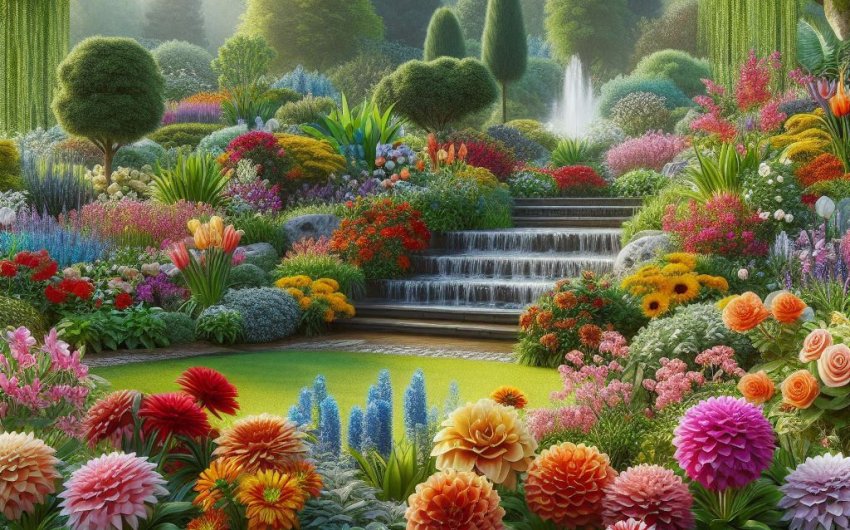
Many gardeners ask, "How do I extend the blooming season of my flower garden?" The desire for continuous color and vibrancy from early spring through late autumn is a common aspiration, transforming a garden from a fleeting display to a long-lasting spectacle. Achieving this involves strategic planning, smart plant choices, and consistent care, ensuring that as one wave of blossoms fades, another is just beginning to unfurl, creating a dynamic and continuously evolving landscape.
How can plant selection impact blooming season length?
The plants you choose are the foundation of an extended blooming season. By selecting a diverse range of species with different flowering times, you can ensure there's always something in bloom. This thoughtful approach to plant selection is fundamental to answering how do I extend the blooming season of my flower garden.
Why should I choose plants with varied bloom times?
Relying on just a few types of flowers that all bloom at the same time will result in a garden that is stunning for a short period, then becomes uninteresting for the rest of the year. To achieve continuous color, you need to incorporate plants that flower at different points throughout the growing season:
- Early Spring Bloomers: These are the first to emerge, providing much-needed color after winter.
- Mid-Spring to Early Summer Bloomers: These take over as the early spring flowers fade.
- Mid to Late Summer Bloomers: These thrive in the heat of summer.
- Fall Bloomers: These extend the show into autumn, often providing vibrant hues as other plants begin to wind down.
By layering these different bloom times, you create a seamless transition of color and interest from the first thaw to the first hard frost.
What are some examples of plants for different seasons?
Early Spring (March-April):
- Bulbs: Crocus, snowdrops (Galanthus), Daffodils, early tulips (Tulipa).
- Perennials: Hellebore (Lenten Rose), Winter Aconite, Lungwort (Pulmonaria), Bleeding Heart (Dicentra spectabilis).
- Shrubs: Forsythia, Witch Hazel (Hamamelis).
Late Spring to Early Summer (May-June):
AdvertisementMid to Late Summer (July-August):
- Perennials: Coneflower (Echinacea), Daylily (Hemerocallis), Black-Eyed Susan (Rudbeckia), Phlox, Lavender (Lavandula), Bee Balm (Monarda), Shasta Daisy (Leucanthemum), Sedum (Autumn Joy).
- Annuals: These are powerhouses for continuous summer color as they bloom all season until frost. Petunias, Marigolds, Zinnias, Cosmos, Geraniums, Impatiens.
- Shrubs: Hydrangeas, Rose of Sharon (Hibiscus syriacus).
Fall (September-October/November):
- Perennials: Chrysanthemums, Asters, Sedum (Autumn Joy), Japanese Anemone, Joe Pye Weed (Eutrochium purpureum).
- Annuals: Many summer annuals will continue to bloom until the first hard frost.
- Grasses: Ornamental grasses often provide texture and seed heads that last through fall and winter.
What are re-blooming varieties and how do they help?
Some plant breeders have developed re-blooming varieties of popular plants. These cultivars are specifically bred to produce flowers multiple times throughout the growing season, rather than just once. This can significantly extend their individual bloom time and contribute to overall garden vibrancy. Examples include:
- Re-blooming Hydrangeas: Varieties like Endless Summer Hydrangea that bloom on both old and new wood.
- Re-blooming Daylilies: Many modern Daylily cultivars are bred to re-bloom throughout the summer.
- Re-blooming Irises: Some bearded irises are "rebloomers," producing a second flush of flowers in late summer or fall.
- Re-blooming Roses: Many modern rose varieties are bred for continuous or repeat blooming.
Choosing a mix of plant types and varieties with diverse and extended bloom times is the cornerstone of creating a garden that remains colorful and captivating throughout the entire growing season.
How do strategic planting techniques extend bloom?
Beyond selecting the right plants, how you place them and care for them through specific techniques can significantly influence the longevity of your garden's floral display. These strategic approaches directly address how do I extend the blooming season of my flower garden.
What is successional planting?
Successional planting, also known as sequential planting, is the practice of sowing or planting seeds or young plants in intervals, rather than all at once. This ensures a continuous harvest for vegetables and, more importantly for flowers, a continuous bloom.
- For Annuals: Instead of planting all your marigold or zinnia seeds at the same time in spring, sow a batch every 2-3 weeks. As the first batch starts to fade, the next batch will be reaching its peak bloom. This is particularly effective for fast-growing annuals with a limited individual bloom period. You can do this with Zinnia seeds or Marigold seeds.
- For Bulbs: Plant a variety of spring-flowering bulbs with staggered bloom times (e.g., early crocus, mid-season daffodils, late tulips) in overlapping drifts. This creates a flowing display as one type fades and another emerges.
What is interplanting?
Interplanting means planting different types of flowers together in the same bed, often those with different bloom times or habits. This maximizes space and ensures there's always something visually appealing.
- Hiding Fading Foliage: Plant late-season bloomers (like asters or mums) among early-season bloomers (like spring bulbs or irises). As the early bloomers fade and their foliage declines, the emerging foliage of the later bloomers will grow to cover the unsightly areas.
- Filling Gaps: Annuals are perfect for interplanting to fill in gaps left by fading perennials. For example, plant Cosmos or Salvia around the base of peonies once they've finished blooming to provide color for the rest of the season.
How does plant spacing and layering help?
- Proper Spacing: Give plants enough room to grow to their mature size. Overcrowding can lead to poor air circulation, increased disease risk, and competition for resources, all of which can reduce blooming. Check the plant tag for recommended spacing.
- Layering Heights: Design your garden beds with plants of varying heights. Place taller plants at the back, medium-height plants in the middle, and shorter plants or groundcovers at the front. This ensures all flowers are visible and creates a sense of depth. When one layer finishes blooming, the layers around it maintain interest.
What is the role of continuous bloomers (annuals)?
Annuals are arguably the simplest way to guarantee continuous color. Unlike perennials that may have a specific bloom window, most annuals will flower continuously from spring until the first hard frost, provided they receive proper care.
- Powerhouses of Color: Fill empty spots with Petunias, Marigolds, Zinnias, Vincas, or Impatiens for non-stop bloom.
- Containers: Annuals are perfect for container gardens which can be moved to fill gaps or add pops of color wherever needed.
By strategically planning your planting schedule and placement, you build a robust framework that supports an extended and vibrant floral display throughout your garden.
How does consistent plant care maximize bloom time?
Even the most thoughtfully chosen plants need ongoing attention to perform their best and extend their flowering period. Consistent and proper plant care is a critical factor in answering how do I extend the blooming season of my flower garden. These practices encourage plants to produce more flowers and stay healthier longer.
What is deadheading, and why is it important?
Deadheading is the practice of removing spent or faded flowers from a plant. This seemingly simple task is one of the most effective ways to encourage re-blooming and extend the flowering season.
- Prevents Seed Production: A plant's primary goal after flowering is to produce seeds to ensure the next generation. When you deadhead, you remove the developing seed pods. This signals to the plant that it hasn't successfully reproduced yet, prompting it to put its energy into producing more flowers in an attempt to set seed again.
- Improves Appearance: Removing faded blooms also keeps the garden looking tidy and fresh, preventing unsightly brown or wilting flowers from detracting from the overall beauty.
- When to Deadhead: Deadhead regularly, usually once or twice a week, throughout the blooming season. Some plants, like Petunias or Impatiens, benefit from constant deadheading. For others, like Delphiniums or Lupines, cutting the entire flower stalk back to the base after the main flush can encourage a second, smaller bloom.
- Tools: Use clean pruning shears or sharp scissors for clean cuts. For smaller flowers, pinching off spent blooms with your fingers is often sufficient.
How do watering and feeding impact blooming?
Proper watering and consistent fertilization are essential for plants to have the energy and resources to produce abundant blooms over a long period.
- Watering:
- Consistency is Key: Ensure your plants receive consistent moisture, especially during dry spells and peak blooming periods. Drought stress can cause plants to prematurely stop flowering or drop buds.
- Deep Watering: Water deeply and less frequently rather than shallowly and often. This encourages roots to grow deeper, making the plant more resilient. Using a soaker hose or drip irrigation is efficient.
- Avoid Overwatering: Too much water can lead to root rot and other issues that weaken the plant. Ensure good soil drainage.
- Feeding (Fertilization):
- Nutrient Replenishment: As plants grow and bloom, they use up nutrients in the soil. Regular feeding replenishes these.
- Bloom-Boosting Formulas: Use a balanced flower fertilizer or one that is higher in phosphorus (the "P" in N-P-K) to encourage flowering. Look for ratios like 5-10-5 or 10-20-10.
- Frequency: Follow the instructions on your flower fertilizer packaging. Over-fertilizing, especially with too much nitrogen, can lead to lush leafy growth at the expense of flowers.
- Slow-Release vs. Liquid: Slow-release granular fertilizers provide a steady supply of nutrients over months, while liquid fertilizers offer a quicker boost and are applied more frequently.
Why is mulching beneficial?
Applying a layer of organic mulch (like shredded bark, compost, or wood chips) around your plants offers multiple benefits that indirectly support a longer blooming season.
- Moisture Retention: Mulch helps the soil retain moisture, reducing the need for frequent watering.
- Weed Suppression: A good layer of mulch suppresses weeds, reducing competition for water and nutrients, so your flowers get all the good stuff.
- Temperature Moderation: Mulch insulates the soil, keeping it cooler in summer and warmer in winter, which creates a more stable environment for root growth.
- Nutrient Addition: As organic mulch breaks down, it slowly adds valuable nutrients to the soil.
Apply a 2-4 inch layer of mulch, keeping it a few inches away from the stems of your plants.
What is the technique of "The Chelsea Chop"?
The Chelsea Chop is a specific pruning technique used primarily on perennials that bloom in mid-to-late summer, such as Phlox, Sedum, Monarda (Bee Balm), and Aster. It involves cutting back certain plants by about one-third to one-half their height in late spring or early summer (around late May or early June, coinciding with the Chelsea Flower Show in the UK, hence the name).
- Delayed Bloom: The main effect of the Chelsea Chop is to delay the bloom time of the plant. This is useful if you want to extend the flowering season by having some plants bloom later than others of the same species.
- Bushier Growth: It also promotes bushier growth and can reduce the need for staking on taller plants.
- Staggered Bloom (if applied selectively): You can "chop" only some stems on a single plant, allowing the unchopped stems to bloom at their regular time, while the chopped stems bloom later. This creates a longer, staggered bloom for one plant.
By integrating these consistent care practices – deadheading, proper watering and feeding, mulching, and strategic pruning – you empower your plants to produce abundant and prolonged blooms, significantly extending the beauty of your flower garden.
How can garden design and planning contribute to an extended blooming season?
Effective garden design is not just about aesthetics; it's a strategic tool for ensuring continuous color throughout the year. Thoughtful planning directly answers the question, how do I extend the blooming season of my flower garden? by creating a framework that supports long-lasting beauty.
How does understanding your garden's microclimates help?
Your garden is likely not uniform in its conditions. Different areas will have varying amounts of sunlight, moisture, and protection from wind or cold, creating microclimates. Understanding these can help you place plants where they will thrive best and extend their bloom.
- Sunlight Mapping: Observe your garden throughout the day and across seasons to identify areas of full sun, partial sun, and full shade. Place plants according to their light needs to ensure optimal growth and flowering. For instance, sun-loving annuals will thrive in bright spots, while shade-loving perennials will flourish in darker corners.
- Sheltered vs. Exposed Areas: Identify areas that are sheltered from harsh winds or receive more warmth (e.g., near a south-facing wall). These spots can be ideal for planting tender annuals earlier in spring or for allowing some plants to bloom later into the fall, as they're protected from early frosts.
- Wet vs. Dry Spots: Notice where water tends to collect or drain away quickly. Place plants with appropriate moisture requirements in these areas. Plants that are consistently stressed by too much or too little water will not bloom well.
What is the role of grouping and mass planting?
- Visual Impact: Mass planting, which involves planting large groups of the same variety, creates a dramatic visual impact. Instead of scattering individual plants, large swaths of color are much more noticeable and appealing. When one group of plants is in full bloom, it becomes a powerful focal point.
- Easier Maintenance: Grouping plants with similar needs (light, water, soil) makes care more efficient. This consistency helps ensure all plants in a group perform optimally, leading to better and longer blooms.
- Successional Displays: You can create "waves" of color by designing large groups of plants that bloom sequentially. For example, a large drift of early-blooming daffodils followed by a mass of mid-summer coneflowers in the same area.
How can hardscaping and structures enhance bloom?
Hardscaping (non-living elements like paths, patios, walls) and garden structures (like pergolas or arbors) can indirectly help extend blooming by creating ideal conditions or providing visual interest when flowers are scarce.
- Walls and Fences: A south-facing wall or fence can absorb and radiate heat, creating a warmer microclimate that allows tender plants to be planted earlier or extend their bloom later into the fall. They can also serve as a backdrop for climbing plants like climbing roses or clematis, which can have extended bloom times.
- Patios and Seating Areas: By placing seating areas strategically, you can design plant groupings around them that offer continuous bloom in your main viewing spots.
- Pergolas and Arbors: These structures provide support for vining plants that can have long blooming seasons, such as wisteria or trumpet vine. They also offer filtered shade that can be beneficial for some plants in very hot climates.
- Containers: Strategically placed container gardens can fill temporary gaps in garden beds or provide movable pops of color. You can swap out containers with different blooming annuals throughout the season, ensuring constant freshness.
What about incorporating foliage and structural plants?
While the focus is on flowers, don't underestimate the power of attractive foliage and structural plants to extend visual interest. These provide a green backdrop and maintain appeal even when flowers are not at their peak.
- Varied Foliage: Choose plants with interesting leaf colors (e.g., Heuchera/Coral Bells with purple or amber leaves, Hostas with variegated leaves) or textures (ferns, ornamental grasses).
- Evergreen Plants: Incorporate evergreen shrubs or perennials that maintain their foliage year-round. These provide structure and color during the dormant seasons, especially in winter.
- Ornamental Grasses: Many ornamental grasses offer attractive seed heads and fall color that last well into winter, providing texture and movement even after flowers have faded.
By combining thoughtful plant selection with strategic design, you build a garden that not only extends its blooming season but also maintains aesthetic appeal and visual interest throughout the entire year, solving the challenge of how do I extend the blooming season of my flower garden?