
What Are Some Unique Flowers to Grow for a Cottage-Style Garden?
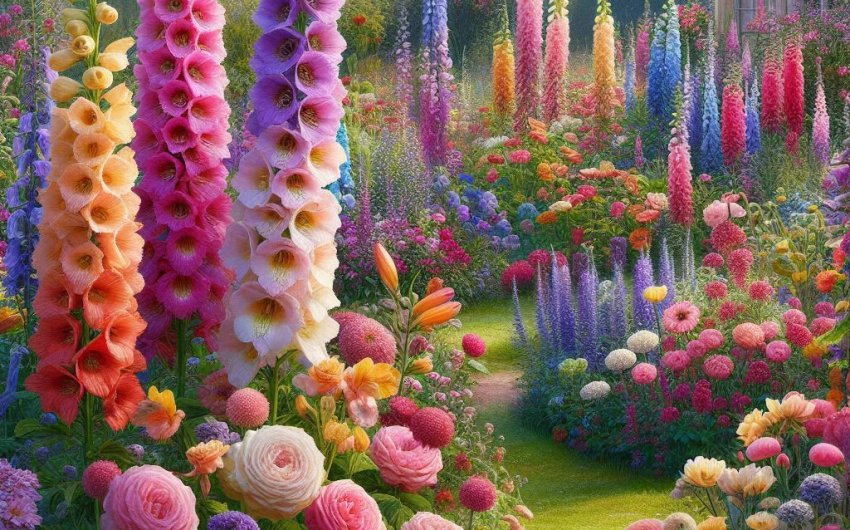
Designing a cottage-style garden often involves a delightful blend of classic charm and an overflowing abundance of blooms. While staples like roses and hollyhocks are essential, incorporating unique flowers can truly elevate the design, adding unexpected textures, unusual colors, and intriguing forms. These less common yet equally enchanting plants can infuse your garden with a distinctive personality, ensuring it feels both traditional and uniquely yours.
What Defines a Cottage-Style Garden?
Before exploring unique flowers to grow for a cottage-style garden, it's helpful to grasp the core characteristics that define this beloved garden aesthetic. It's more than just a collection of plants; it's a feeling, a philosophy, and a deliberate departure from rigid formality.
What are the Key Characteristics?
A cottage-style garden is fundamentally defined by its informal, overflowing, and romantic aesthetic.
- Abundance and Density: Plants are grown densely, often spilling over pathways and softening hardscaping, creating a feeling of joyful profusion. Every available space is filled.
- Informality: There are no strict lines, formal hedges, or rigid patterns. Instead, plants are allowed to self-seed and grow somewhat wildly, contributing to a relaxed, naturalistic look.
- Variety of Plants: A wide array of plant types, including perennials, annuals, herbs, edibles, and even small shrubs or climbers, are intermingled rather than planted in separate beds.
- Layering: Plants of varying heights and textures are deliberately layered, creating depth and visual interest from ground level to tall backdrops.
- Charm and Whimsy: Often incorporates charming elements like picket fences, arbors, birdhouses, vintage garden decor, and meandering pathways.
What is the Typical Color Palette?
The traditional cottage-style garden embraces a soft, romantic, and often pastel color palette, but this isn't a strict rule.
- Soft Hues: Pinks, blues, purples, lavenders, whites, and creams are very common, evoking a sense of tranquility and old-world charm.
- Occasional Pops of Vibrancy: Brighter colors like reds, yellows, or oranges are used sparingly as accents to draw the eye, preventing the garden from becoming too monochromatic.
- Harmonious Blends: The key is a harmonious blend of colors that flow together, rather than stark contrasts. The sheer volume of flowers often creates a painterly effect.
What Role Do Fragrance and Pollinators Play?
Fragrance and attracting pollinators are integral to the sensory experience and ecological health of a cottage-style garden.
- Fragrance: Many traditional cottage garden plants are chosen for their delightful scents, filling the air with perfumes that evoke nostalgia and romance. Roses, lavender, sweet peas, and phlox are prime examples.
- Pollinators: These gardens are vibrant ecosystems. The profusion of diverse, nectar-rich flowers naturally attracts bees, butterflies, hummingbirds, and other beneficial insects. This supports local wildlife and contributes to a healthy garden environment.
Why is It Important to Consider All Seasons?
A well-designed cottage-style garden aims to provide continuous bloom and interest throughout all seasons, not just a peak summer display.
- Spring: Early bulbs (daffodils, tulips) and spring-flowering perennials (hellebores, primroses) kick off the season.
- Summer: The quintessential cottage garden bursts forth with peak bloom from mid-summer perennials and annuals.
- Fall: Late-blooming perennials (asters, sedum), ornamental grasses, and colorful foliage maintain interest as temperatures drop.
- Winter: Evergreens, shrubs with interesting bark, and dried seed heads provide structure and beauty in the colder months.
This holistic approach ensures that your cottage-style garden remains a source of beauty and delight, allowing for the perfect integration of unique flowers.
What Unique Vining Flowers Can I Grow?
Vining flowers are essential for the quintessential overflowing look of a cottage-style garden, softening structures and adding vertical interest. While clematis and climbing roses are classics, incorporating some unique vining flowers can add unexpected charm and elegance.
How Can Morning Glory 'Heavenly Blue' Add Charm?
While common, the pure, ethereal blue of Morning Glory 'Heavenly Blue' (Ipomoea tricolor 'Heavenly Blue') is surprisingly unique in its intensity and often overlooked for its sophisticated charm in a cottage-style garden. Its large, trumpet-shaped flowers, often with a white or yellow throat, unfurl in the morning light, creating a breathtaking display.
- Vibrant Color: The vibrant sky-blue is a rare and captivating color among vining plants, offering a cool contrast to the usual pinks and purples.
- Rapid Growth: It's a fast-growing annual vine, perfect for quickly covering arbors, trellises, or fences, providing an immediate sense of lushness.
- Ephemerality: Its daily blooming and fading adds a whimsical, fleeting beauty that enhances the informal nature of a cottage garden. To get started, consider planting Morning Glory 'Heavenly Blue' seeds.
What is the Cup and Saucer Vine?
The Cup and Saucer Vine (Cobaea scandens) is a truly unique and enchanting annual climber that will draw attention with its distinctive blooms. Its common name perfectly describes the flower's appearance.
- Flower Form: The large, bell-shaped flowers emerge from an ornamental green calyx (the "saucer"), resembling a delicate cup sitting on a saucer. They typically start greenish-white and mature to a beautiful violet-purple.
- Strong Climber: This vine is a vigorous climber, capable of reaching significant heights rapidly (15-20 feet), making it ideal for large trellises, pergolas, or unsightly walls.
- Exotic Touch: Despite its exotic appearance, it's surprisingly easy to grow from seed, providing an unexpected and whimsical element to your cottage-style garden.
How About the Black-Eyed Susan Vine?
The Black-Eyed Susan Vine (Thunbergia alata) offers cheerful, bright blooms that are both familiar and unique in a vining form. While typically orange or yellow, newer cultivars introduce unique color variations.
- Cheery Blooms: Its characteristic five-petaled flowers with a dark central "eye" bring a sunny disposition to any corner of the garden.
- Color Range: Beyond classic orange and yellow, look for cultivars in white, cream, or even subtle peach, providing a softer, more integrated look within a pastel cottage scheme.
- Versatile Use: It's perfect for climbing small trellises, spilling from hanging baskets, or scrambling through other plants, adding vertical pops of color. A good start is with Black-Eyed Susan Vine seeds.
Can I Grow Snail Vine?
The Snail Vine (Vigna caracalla or Cochliasanthus caracalla) is arguably one of the most uniquely shaped flowers you can grow. Its blossoms are truly captivating.
- Unusual Form: The flowers resemble coiled snail shells before they fully open, transforming into intricate, fragrant blooms that are typically lavender, pink, and white, sometimes fading to yellow.
- Fragrant Blooms: The blossoms emit a lovely, sweet fragrance, adding another sensory layer to your cottage-style garden.
- Vigorous Growth: It's a fast-growing, vigorous vine, suitable for covering large structures or as a dramatic backdrop. It prefers warmer climates but can be grown as an annual in cooler zones.
Incorporating these unique vining flowers ensures your cottage-style garden is not only lush and romantic but also filled with fascinating details and delightful surprises.
What Unique Perennial Flowers Can I Grow?
Perennial flowers form the enduring backbone of a cottage-style garden, returning year after year with increasing vigor. While staples like delphiniums and phlox are beloved, introducing unique perennial flowers can add depth, unexpected textures, and intriguing forms, elevating the garden beyond the conventional.
How Can Monkshood Add Drama?
Monkshood (Aconitum napellus), despite its toxicity (handle with gloves), offers an unparalleled deep, true blue color that is exceptionally rare in the garden. Its hooded, helmet-shaped flowers appear in late summer to fall, providing a dramatic splash of color when many other plants are fading.
- Striking Blue: Its intense indigo-blue blooms are a showstopper, creating a focal point and adding a regal touch.
- Late Season Interest: It extends the blooming season, providing valuable color when the garden begins to wind down.
- Verticality: Growing tall (3-5 feet), it adds strong vertical elements to the back of borders, ideal for the layered look of a cottage-style garden. Given its toxicity, always wear gardening gloves when handling.
What is the Unique Beauty of Pasque Flower?
The Pasque Flower (Pulsatilla vulgaris) is a charming and somewhat unusual early-blooming perennial that signals the true arrival of spring. Its unique beauty lies in its fuzzy appearance and bell-shaped flowers.
- Fuzzy Foliage: Both its fern-like foliage and bell-shaped flowers are covered in soft, silvery hairs, giving the plant a delightful fuzzy texture.
- Early Bloomer: It's one of the first perennials to flower, often emerging while there's still snow on the ground, providing much-needed early season interest.
- Intricate Flowers: The flowers are typically shades of purple, but also come in white, red, and pink, often with contrasting yellow centers. After flowering, the seed heads develop into large, fluffy, ornamental plumes that last for weeks.
- Drought Tolerant: Once established, it's surprisingly drought-tolerant, making it a low-maintenance choice for a sunny spot. You can find Pasque Flower seeds to start your own.
How About the Charm of Peach-Leaved Bellflower?
The Peach-Leaved Bellflower (Campanula persicifolia) brings classic bellflower charm but with a slightly more refined and elegant presence, offering a unique vertical accent.
- Elegant Spikes: It produces tall, slender spikes adorned with numerous cup- or bell-shaped flowers, typically in shades of blue, purple, or white.
- Long Bloom Time: It offers a relatively long blooming season from late spring to mid-summer.
- Airy Appearance: Its slender form and delicate flowers contribute to the airy, informal feel of a cottage-style garden, preventing it from feeling too heavy.
- Self-Seeding: While perennial, it can gently self-seed, contributing to the naturalistic, overflowing look that is characteristic of this garden style.
Why Grow the Blue Poppy (Meconopsis)?
The Blue Poppy (Meconopsis) is a legendary flower, revered for its incredibly vibrant and rare true blue color. While notoriously challenging in warmer climates, its stunning beauty makes it a highly coveted unique flower.
- Unrivaled Blue: Its large, silken flowers are an unparalleled shade of sky blue, sometimes with hints of purple, a color almost unheard of in the plant kingdom.
- Cool Climate Thriver: It thrives in cool, moist climates with consistently rich, acidic soil and partial shade, making it a dream plant for gardeners in the Pacific Northwest or similar regions.
- Exotic Touch: Despite its challenging nature, a successfully grown Blue Poppy adds an undeniable touch of exotic magic and mystique to a cottage-style garden, justifying the effort for those in suitable zones.
Incorporating these unique perennial flowers ensures your cottage-style garden boasts not just abundance, but also a collection of truly special and captivating plants.
What Unique Annual Flowers Can I Grow?
Annual flowers are the tireless workhorses of a cottage-style garden, filling gaps, providing continuous bloom, and allowing for seasonal color changes. While traditional annuals like cosmos and zinnias are fantastic, venturing into unique annual flowers can add unexpected flair, unusual textures, and intriguing forms to your charming beds.
How Can Love-in-a-Mist Add Texture?
Love-in-a-Mist (Nigella damascena) is an annual that provides not just delicate flowers but also a wonderfully airy and unique texture that fits perfectly into a cottage-style garden.
- Lacy Foliage: Its finely cut, feathery foliage gives the plant a light, airy appearance, providing a soft backdrop for its blooms.
- Intricate Flowers: The flowers, typically in shades of blue, white, or pink, are nestled within a delicate cage of leafy bracts, making them appear to float.
- Unique Seed Pods: After flowering, the seed pods swell into charming, striped, balloon-like capsules that are highly ornamental and can be dried for arrangements, extending its interest.
- Self-Seeding: It readily self-seeds, contributing to the informal, naturalistic look of a cottage garden year after year. You can start with Love-in-a-Mist seeds.
What is the Beauty of Bells of Ireland?
Bells of Ireland (Moluccella laevis) is an annual grown specifically for its tall, striking, apple-green calyces (leaf-like structures) that resemble bells along a central stem. The actual flowers are tiny and white, hidden within the bells.
- Unusual Green: Its primary appeal is the unique, vibrant lime-green color of its "bells," a rare and refreshing shade that provides excellent contrast in a colorful border.
- Vertical Accent: It grows tall (2-3 feet), adding strong vertical accents and architectural interest to the back of garden beds.
- Excellent for Cutting: It's a popular cut flower, either fresh or dried, making it a versatile addition for garden display and indoor arrangements.
- Easy to Grow from Seed: It's quite easy to grow from seed, though germination can sometimes be slow.
How About the Delicate Charm of Larkspur?
Larkspur (Consolida ajacis) is the annual relative of the perennial delphinium, offering similar towering spires of delicate, spur-shaped flowers but with a lighter, airier feel.
- Graceful Spikes: It produces elegant, slender flower spikes covered in numerous tightly packed blooms, typically in shades of blue, pink, purple, and white.
- Feathery Foliage: Its finely divided, airy foliage adds to its delicate charm, fitting perfectly with the romantic cottage aesthetic.
- Self-Seeding: Like its perennial cousin, annual larkspur readily self-seeds, helping to perpetuate its presence in your garden without much effort, contributing to the desirable overflowing look. For a mix, try Larkspur seeds.
- Excellent Cut Flower: It's a superb cut flower, adding vertical interest and soft colors to bouquets.
Can I Grow Snapdragon 'Madame Butterfly'?
While classic snapdragons are popular, the 'Madame Butterfly' series of Snapdragons (Antirrhinum majus 'Madame Butterfly') offers a unique, azalea-flowered form that sets it apart.
- Ruffled, Open Flowers: Instead of the typical "snapping" mouth, these varieties have open, ruffled, double or semi-double flowers that resemble small azalea blooms. This gives them a softer, fuller appearance.
- Vibrant Color Mixes: Available in a stunning array of pastel and vibrant shades, including pink, rose, cherry, bronze, yellow, and white, perfect for adding rich color.
- Tall Spikes: They still grow on tall, sturdy spikes, providing excellent vertical interest and structure in the middle or back of a border.
- Excellent Cut Flower: Their unique form and wide color range make them an exceptional choice for cutting and bringing indoors.
By choosing these unique annual flowers, your cottage-style garden will flourish with continuous, delightful surprises and captivating beauty throughout the growing season.
What Unique Support Plants Can I Grow?
Beyond the show-stopping blooms, support plants are crucial for the structure, texture, and visual interest of a cottage-style garden. Incorporating unique support plants – those with interesting foliage, seed heads, or architectural forms – can elevate the garden beyond its flowering peaks, providing continuous charm and defining its unique character.
How Can Dill Add Airiness and Attraction?
While primarily known as an herb, Dill (Anethum graveolens) provides unexpected beauty and functionality, making it a surprisingly effective unique support plant in a cottage-style garden.
- Feathery Texture: Its finely dissected, feathery foliage adds a beautiful, airy texture that contrasts nicely with broader-leaved plants.
- Umbellifer Flowers: It produces large, flat-topped clusters of tiny yellow flowers (umbels) that resemble delicate lace. These are highly attractive to beneficial insects, especially hoverflies and parasitic wasps, which help control garden pests.
- Architectural Seed Heads: After flowering, the seed heads mature into attractive, often bronze-colored structures that add visual interest and vertical accents, and can be left for birds to enjoy or collected for culinary use.
- Self-Seeding: Dill readily self-seeds, contributing to the informal, naturalistic aesthetic of a cottage garden without becoming invasive. To introduce it, simply scatter some Dill seeds.
What is the Architectural Charm of Foxtail Lily?
The Foxtail Lily (Eremurus), also known as Desert Candle, is a truly magnificent and unique perennial that provides unparalleled architectural drama and verticality.
- Towering Spikes: It produces incredibly tall, slender flower spikes (some varieties reaching 6-8 feet or more) densely packed with hundreds of tiny, star-shaped flowers.
- Dramatic Statement: These towering inflorescences create an immediate and unforgettable vertical focal point in the back of a border, rising above other plants.
- Exotic Look: Its unique form and stately presence give it an exotic, yet elegant, charm that fits well within the abundant layering of a cottage-style garden.
- Long-Lasting Bloom: The flowering period can last for several weeks in late spring to early summer, adding a long-lived display of white, yellow, pink, or orange.
How About the Whimsy of Honesty?
Honesty (Lunaria annua) is a biennial (first year foliage, second year flowers and seeds) that is cherished not for its purple or white flowers, but for its incredibly unique and ornamental silvery, translucent seed pods.
- "Silver Dollars": After flowering, the seed pods flatten and dry, revealing a beautiful, papery, silvery-white inner membrane that resembles coins or "silver dollars." These remain on the plant throughout fall and winter.
- Winter Interest: These ethereal seed pods provide long-lasting winter interest, glistening in the sun and snow, a truly unique feature for a cottage-style garden when many other plants are dormant.
- Self-Seeding: Honesty is a prolific self-seeder, ensuring a continuous supply of these charming plants year after year without effort.
- Versatile: It can be used as a backdrop, for informal borders, or even cut for dried arrangements. Try some Honesty seeds to grow it.
Can I Grow Joe Pye Weed?
Joe Pye Weed (Eutrochium purpureum) is a majestic native perennial that offers significant height, robust structure, and a late-season burst of color, making it an excellent unique support plant.
- Towering Presence: It grows very tall (5-7 feet or more), providing substantial height and backbone to the back of large borders, creating a wild yet elegant feel.
- Late Season Blooms: In late summer to fall, it produces large, fluffy, dusky pink to purple flower clusters that are incredibly attractive to butterflies, especially monarch butterflies.
- Native Appeal: As a native plant, it's well-adapted to many regions and supports local ecology, fitting the naturalistic ethos of a cottage garden.
- Sturdy Stems: Its strong stems provide a sturdy presence and can even offer support to floppier neighbors.
Incorporating these unique support plants ensures your cottage-style garden maintains its charm and personality across all seasons, creating a truly rich and layered landscape.