
How Can I Propagate a Papaya Plant from Seeds?
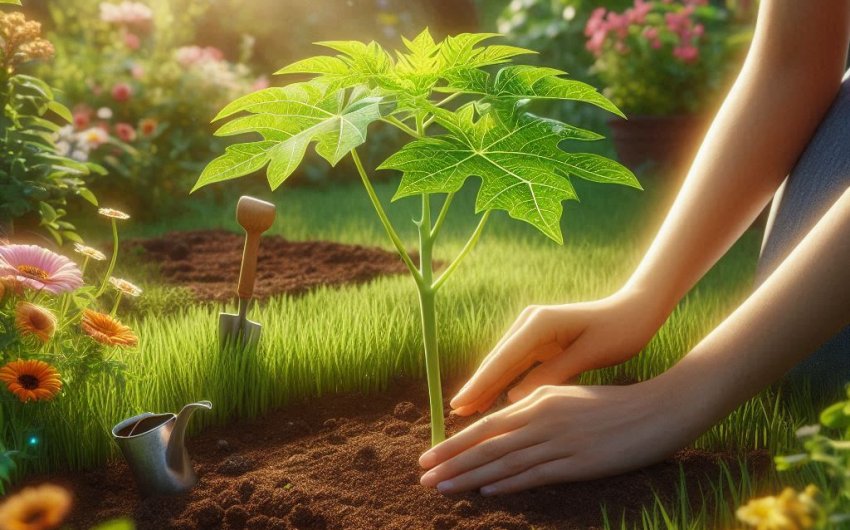
Propagating a papaya plant from seeds is an enjoyable and rewarding experience that brings a taste of the tropics into your garden. Not only is it relatively easy, but it also allows you to grow papayas packed with health benefits and fresh flavor. Papayas, native to Central and South America, are rich in vitamins, minerals, and digestive enzymes, making them a popular choice for home gardeners and fruit lovers alike.
In this guide, we’ll explore everything you need to know about propagating a papaya plant from seeds, including how to select, prepare, and plant seeds, along with nurturing techniques to ensure healthy growth.
Understanding Papaya Varieties
The first step in growing papayas is understanding the different types. The most common papaya varieties include:
- Hawaiian Papayas: These are small, with a pear-like shape and orange flesh.
- Mexican Papayas: Larger than the Hawaiian variety, Mexican papayas have a milder flavor and can weigh up to 10 pounds.
- Dwarf Papayas: Great for smaller gardens or containers, dwarf varieties are easier to manage and produce fruit faster.
Each type has slightly different growth requirements, so it’s helpful to know which variety you’re working with. Explore different papaya seeds to start your plant propagation journey.
Step 1: Selecting the Right Papaya Fruit
To begin propagating a papaya plant, you’ll need to select a ripe, healthy fruit. Here’s what to look for:
- Color: Choose a fully ripe papaya with bright orange or yellow skin. The color indicates that the fruit is mature and that the seeds inside are more likely to germinate.
- Firmness: The papaya should feel slightly soft when pressed but not mushy, indicating it’s at peak ripeness.
- Healthy Appearance: Avoid fruits with signs of mold, bruises, or spots, as these can indicate unhealthy seeds.
Once you’ve chosen a high-quality papaya, carefully cut it open and scoop out the seeds. Use a sharp knife for easier handling and a clean cut.
Step 2: Preparing Papaya Seeds for Germination
Once you have scooped out the seeds, follow these steps to prepare them for planting:
1. Cleaning the Seeds
Papaya seeds are coated in a gelatinous membrane that must be removed to improve germination rates:
- Rinse with Water: Place the seeds in a bowl of water and gently rub them to remove the membrane.
- Drying: Spread the seeds on a paper towel and let them air dry for a day or two. Dry seeds are less likely to mold or rot in the soil.
Pick up a high-quality paper towel for easy drying of your papaya seeds.
2. Optional Seed Soaking
Soaking the seeds can speed up germination by softening the outer seed coat:
- Soak for 24 Hours: Place the seeds in a bowl of lukewarm water and let them soak for 24 hours. This step is optional but can be beneficial if you want faster sprouting.
Use a small bowl specifically for seed soaking to keep things organized in your propagation process.
3. Choosing Between Fresh and Dried Seeds
Freshly collected seeds tend to have higher germination rates than dried ones. However, drying is a good choice if you don’t plan to plant immediately or want to store seeds for future use. If you choose to dry, make sure the seeds are stored in an airtight container to retain their viability.
Find an airtight container to store papaya seeds for later use.
Step 3: Planting Papaya Seeds
With the seeds ready, it’s time to plant them. The key is to use well-draining soil and provide a warm, humid environment that mimics tropical conditions.
1. Choosing the Right Soil
Papayas thrive in light, well-draining soil rich in organic matter:
- Sandy-Loamy Soil: This type of soil promotes good drainage, which is essential for papaya roots. Poorly draining soil can lead to root rot.
- pH Range: Papayas prefer slightly acidic to neutral soil, with a pH of 6.0 to 6.5.
Purchase well-draining soil mix designed for tropical plants to support healthy root development.
2. Container or Direct Planting
Papaya seeds can be sown directly in the garden or started in containers if you want to transplant them later:
- Containers: Choose pots at least 10 inches deep to allow root growth. Ensure they have drainage holes to prevent waterlogging.
- Direct Planting: If planting directly in the garden, space seeds about 5-6 feet apart. Papaya plants grow large, and proper spacing promotes good air circulation, reducing disease risks.
Consider a large planting pot if you plan to start your papayas indoors or on a patio.
3. Planting Depth and Watering
Once the soil is prepared, plant the seeds 1/2 inch deep, covering them lightly with soil. After planting, water the area gently but thoroughly.
- Maintain Moisture: Keep the soil consistently moist, as papayas germinate best in a warm, humid environment.
- Avoid Overwatering: Too much water can cause seeds to rot. Water gently to prevent soil compaction.
Use a watering can with a fine spout for precise watering to avoid disturbing the seeds.
Shop for a quality watering can to help you water papaya seeds without washing them away.
Step 4: Creating Ideal Germination Conditions
Papaya seeds germinate best in warm temperatures, ideally between 70°F and 85°F. Here are some tips to ensure an ideal environment:
1. Temperature and Humidity
Papayas are tropical plants, so they need consistent warmth:
- Use a Heating Mat: If growing indoors, a heating mat can help maintain stable temperatures, especially during cooler seasons.
- Cover with Plastic Wrap: Lightly covering the container with plastic wrap can create a mini greenhouse effect, trapping moisture and warmth.
A heating mat is useful if you’re growing papayas in cooler climates or during the winter.
Find a reliable heating mat to help regulate soil temperature for faster germination.
2. Sunlight and Light Requirements
Once germinated, papaya seedlings need plenty of light:
- 6 to 8 Hours of Sunlight: Papayas require at least 6 to 8 hours of direct sunlight daily to thrive.
- Grow Lights: If sunlight is limited, use a grow light to supplement natural light and prevent seedlings from becoming leggy.
Choose full-spectrum grow lights if you’re starting seeds indoors or during the colder months.
Select high-quality grow lights to support healthy seedling development indoors.
3. Air Circulation
Good airflow prevents mold and fungus from forming around the seedlings. Avoid overcrowding and place a small fan near your growing area to keep air moving.
Consider a mini fan to improve air circulation around your young plants.
Step 5: Transplanting Papaya Seedlings
When the seedlings are about 6-8 inches tall with a few sets of leaves, they are ready for transplanting to a larger pot or directly into your garden. Here’s how to proceed:
1. Preparing the Transplant Site
If transplanting outdoors, choose a spot with full sun and well-draining soil. Dig a hole slightly larger than the root ball to ensure easy placement.
2. Handling the Seedlings
To avoid damaging the delicate roots, handle the seedlings carefully:
- Gently Remove: Turn the container upside down, tapping it to release the seedlings.
- Place in the Hole: Position the seedling in the center of the hole and cover the roots with soil, firming it gently around the base.
Get a transplanting trowel to ease the process and reduce stress on young plants.
3. Watering and Fertilizing After Transplanting
After transplanting, water the seedlings thoroughly and consider adding a balanced fertilizer to support growth. Papayas respond well to nutrient-rich soil, so a little extra boost will encourage healthy roots and fruit production.
Choose a slow-release fertilizer designed for fruit-bearing plants to give young papayas a strong start.
Step 6: Caring for Your Growing Papaya Plants
Now that your papaya plants are established, regular care will help them flourish. Papayas need consistent moisture, nutrients, and protection from pests.
1. Watering Routine
Papayas require regular watering, but it’s essential to avoid waterlogging:
- Deep Watering: Water deeply to encourage strong root growth.
- Avoid Soggy Soil: Ensure that the soil dries out slightly between waterings to prevent root rot.
Using a moisture meter can help you monitor soil moisture levels effectively.
Find a reliable moisture meter to take the guesswork out of watering.
2. Fertilizing Schedule
Papaya plants are heavy feeders and require a steady supply of nutrients:
- Nitrogen-Rich Fertilizers: Early on, use a nitrogen-rich fertilizer to support leafy growth.
- Balanced Fertilizer for Fruiting: Once the plant begins to flower, switch to a balanced fertilizer to promote fruit development.
A regular fertilizing schedule will ensure your papayas have the necessary nutrients to grow and produce sweet fruit.
Shop for balanced fertilizer to meet your papaya plant’s needs throughout the growth cycle.
3. Pruning for Optimal Growth
Pruning your papaya plant encourages healthy airflow and helps prevent diseases:
- Remove Dead Leaves: Trim away dead or yellowing leaves to keep the plant tidy.
- Thin Out Crowded Areas: Removing excess foliage allows sunlight to reach the entire plant and helps prevent fungal growth.
A quality pruning shears will help you keep your papaya plant healthy.
Browse pruning shears that make it easy to manage your papaya’s growth.
4. Pest and Disease Control
Papayas can be susceptible to pests and diseases, especially in humid conditions. Keep an eye out for signs of aphids, mealybugs, and fungal issues:
- Organic Pest Sprays: Use organic insecticidal sprays if pests are spotted.
- Preventative Fungicides: Apply fungicides during wet weather to prevent mildew and other fungal diseases.
For organic pest control, consider using insecticidal soap for safe and effective treatment.
Shop organic insecticidal soap to protect your plants from common garden pests.
Growing your own papaya plants is a deeply satisfying endeavor that brings a bit of the tropics right to your backyard. By following these propagation and care steps, you’ll be well on your way to a healthy, fruitful papaya harvest. For more on tropical gardening, don’t miss our guide to "Papaya Paradise: Tropical Fruit Packed with Nutrients".