
What Are the Different Varieties of Mulberry Plants Available?
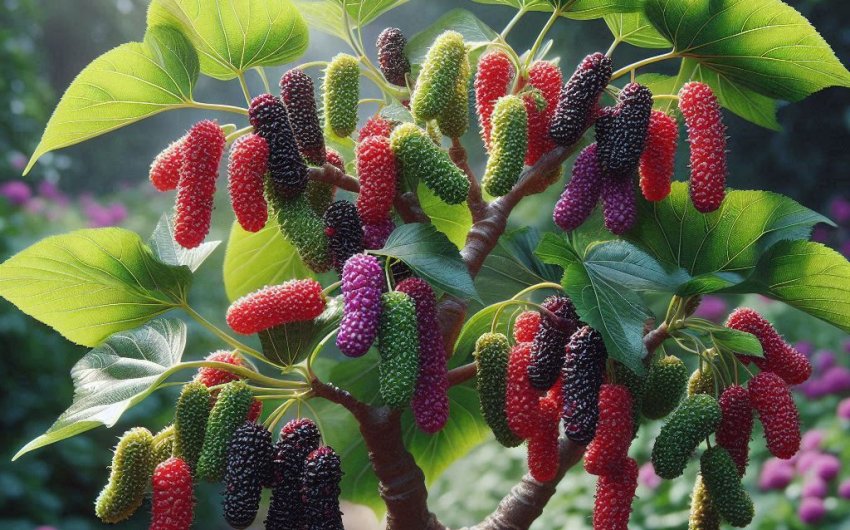
There are several different varieties of mulberry plants available, primarily categorized by their native origin as red, white, or black mulberries, each offering distinct fruit characteristics and growing habits. Beyond these main species, numerous named cultivars provide specific advantages for home gardeners.
What Are the Main Species of Mulberry Plants?
Mulberry plants belong to the genus Morus and are typically classified into three primary species based on their native geographical regions and fruit characteristics: Red Mulberry (Morus rubra), White Mulberry (Morus alba), and Black Mulberry (Morus nigra). Understanding these main species is key to choosing the right mulberry plant for your climate and desired fruit.
1. Red Mulberry (Morus rubra)
- Origin: Native to eastern North America. This is the only mulberry species native to the Americas.
- Tree Characteristics: A medium to large deciduous tree, typically growing 30-50 feet (9-15 meters) tall with a broad, rounded crown. It's known for being quite hardy and adaptable.
- Fruit Characteristics:
- Color: Ripe fruit ranges from dark red to deep purple or almost black.
- Size: Medium-sized berries, about 1-1.25 inches (2.5-3 cm) long.
- Flavor: Generally considered the best-tasting native mulberry, offering a rich, sweet, and slightly tart flavor. It's juicy and full-bodied.
- Bearing Season: Ripens in late spring to early summer.
- Hardiness: Highly cold-hardy, typically thriving in USDA Zones 4-9.
- Disease Resistance: Generally quite resistant to diseases and pests, though it can be susceptible to a leaf spot fungus.
- Key Identification: Leaves are often rough on top and fuzzy underneath. They can be lobed or unlobed on the same branch.
- Considerations: Pure Morus rubra can be harder to find in nurseries as it readily hybridizes with Morus alba. Its wild nature means variability in fruit quality.
2. White Mulberry (Morus alba)
- Origin: Native to China, originally cultivated for silkworms (silkworms feed exclusively on white mulberry leaves). It was widely introduced globally for silk production and has naturalized in many areas, including North America, where it can be invasive.
- Tree Characteristics: A fast-growing, medium-sized deciduous tree, usually 20-40 feet (6-12 meters) tall, often with an irregular, spreading habit.
- Fruit Characteristics:
- Color: Despite the name, ripe fruit can vary greatly in color from white to pink, red, or even black, depending on the cultivar.
- Size: Smallest of the three main species, typically 0.5-0.75 inches (1.2-1.9 cm) long.
- Flavor: Generally milder and less flavorful than red or black mulberries, often described as sweet but bland, or sometimes like honey. Fiber content can vary.
- Bearing Season: Ripens earlier than red or black mulberries, usually late spring.
- Hardiness: Very cold-hardy and adaptable, thriving in USDA Zones 4-9. Tolerant of a wide range of soil conditions and urban pollution.
- Disease Resistance: Can be more susceptible to cankers and certain leaf spots than Morus rubra.
- Key Identification: Leaves are shiny and smooth on both sides, often deeply lobed.
- Considerations: While some cultivars offer decent fruit, the species itself is often grown for its hardiness, quick growth, and ornamental value, rather than superior fruit quality. Its invasive nature in some regions is a concern.
3. Black Mulberry (Morus nigra)
- Origin: Native to Western Asia (Persia/Iran). This is often considered the "true" mulberry for fruit quality.
- Tree Characteristics: A relatively smaller, slower-growing, and longer-lived deciduous tree compared to the other two species, usually growing 20-30 feet (6-9 meters) tall and often wider than tall. It develops an attractive gnarled trunk with age.
- Fruit Characteristics:
- Color: Ripe fruit is consistently dark purple to black.
- Size: Largest of the three species, up to 1.5 inches (3.8 cm) long.
- Flavor: Highly prized for its intensely rich, tart-sweet, juicy, and complex flavor. Often described as the best-tasting mulberry for fresh eating. It's often compared to blackberries or blackcurrants, but distinctly mulberry.
- Bearing Season: Ripens later and has a longer harvest season, typically summer to late summer.
- Hardiness: Less cold-hardy than red or white mulberries, generally thriving in USDA Zones 5-9. It needs a significant chilling period.
- Disease Resistance: Generally quite disease resistant.
- Key Identification: Leaves are large, heart-shaped, rough to the touch on both sides, and unlobed.
- Considerations: Its slower growth and larger mature size (though smaller than Morus rubra) mean it takes longer to establish and produce, but its superior fruit quality is often worth the wait. It can be harder to find outside of specialty nurseries.
These three species form the genetic base from which many popular named mulberry cultivars have been developed, each offering unique traits for the home gardener.
What are Popular Cultivars of White Mulberry (Morus alba)?
While the wild Morus alba species can have bland fruit, many named cultivars of white mulberry have been selectively bred for their superior fruit quality, smaller size, or ornamental appeal. These offer excellent options for home gardeners.
1. 'Pakistan' (often sold as 'Black Pakistan' or 'Red Pakistan')
- Fruit Characteristics: Extremely long berries, often reaching 3-4 inches (7.5-10 cm) or more, with a somewhat lumpy appearance. The color is typically a deep reddish-black when ripe. The flavor is very sweet, juicy, and rich, with low acidity and minimal tartness, making it highly desirable for fresh eating.
- Tree Characteristics: A very vigorous and fast-growing tree, it can quickly reach 20-30 feet (6-9 meters) or more if unpruned. It tolerates hot climates well.
- Hardiness: USDA Zones 6-9 (some claim Zone 5 with protection).
- Bearing Season: Mid-season, with a relatively long harvest window.
- Considerations: Its large size requires space or diligent pruning. The very soft, juicy fruit can be messy and has a short shelf life.
- Why it's Popular: Its truly enormous, sweet fruit makes it a standout choice for fresh eating. A definite "wow factor."
2. 'Illinois Everbearing'
- Fruit Characteristics: Medium-sized berries, around 1 inch (2.5 cm) long, that ripen to a shiny black. The flavor is a balanced sweet-tart, reminiscent of blackberries, with a good rich taste. It is known for very low fiber.
- Tree Characteristics: A moderately vigorous tree, reaching 20-30 feet (6-9 meters) tall, with a strong, upright growth habit.
- Hardiness: Extremely cold-hardy, thriving in USDA Zones 4-9. It's one of the most reliable mulberries for colder climates.
- Bearing Season: True to its name, it produces fruit over an extended season, from early summer into fall, rather than a single flush.
- Considerations: The continuous fruiting can lead to a messy dropping of ripe fruit if not regularly harvested.
- Why it's Popular: Its exceptional cold hardiness and extremely long fruiting season make it an ideal choice for northern gardeners who want a consistent, high-quality mulberry harvest.
3. 'Contorted' (Corkscrew Mulberry / Twisted Mulberry)
- Fruit Characteristics: Small, white fruit, generally considered to be of only fair eating quality (blandly sweet). This variety is grown primarily for its ornamental value, not its fruit.
- Tree Characteristics: A smaller, slow-growing tree, typically reaching 10-15 feet (3-4.5 meters). Its most distinctive feature is its dramatically twisted, gnarled, and corkscrew-like branches, which are particularly striking in winter.
- Hardiness: USDA Zones 4-9.
- Bearing Season: Produces small white fruits in late spring.
- Considerations: Best used as a specimen plant in a visible location where its unique form can be appreciated.
- Why it's Popular: Its highly ornamental and architectural branching structure makes it a unique addition to gardens.
4. 'Dwarf Black' (or 'Issai' / 'Black Beauty' - often confused but distinct cultivars)
- Fruit Characteristics: Medium to large black fruit, very juicy and flavorful with a good sweet-tart balance. Often marketed as similar to Morus nigra in taste but on a smaller tree. (Note: True Morus nigra is also sometimes called 'Black Beauty', adding to confusion).
- Tree Characteristics: A genuinely dwarf or semi-dwarf cultivar, often reaching only 6-10 feet (1.8-3 meters) tall, making it ideal for container growing or small gardens. It has a bushy, compact habit.
- Hardiness: USDA Zones 5-9.
- Bearing Season: Often produces fruit over an extended season, similar to 'Illinois Everbearing' but more compact.
- Considerations: Needs consistent watering, especially in containers. The term "Dwarf Black" is used for several different cultivars from various species, so confirm the specific genetic origin if possible.
- Why it's Popular: Allows gardeners with limited space to enjoy high-quality black mulberries. A fantastic choice for a patio or small yard. A good container option is a 15-Gallon Fabric Grow Bag.
These Morus alba cultivars demonstrate the wide range of characteristics available within this adaptable species, from massive fruit production to unique ornamental forms.
What are Popular Cultivars of Black Mulberry (Morus nigra)?
The Black Mulberry (Morus nigra) is highly prized for its superior fruit quality, often considered the gold standard among mulberries for fresh eating. While not as cold-hardy or fast-growing as Morus alba types, their intense flavor makes them worth the investment for many gardeners.
1. 'Noir de Spain' (Black Spanish / Chelsea)
- Fruit Characteristics: Large, plump, dark purple to black berries, typically 1-1.5 inches (2.5-3.8 cm) long. They are intensely sweet with a strong, bracing tartness, creating a complex, rich, and juicy flavor. Low fiber.
- Tree Characteristics: A relatively slower-growing, medium-sized tree, typically reaching 20-30 feet (6-9 meters) at maturity. It develops an attractive, somewhat spreading and gnarled form over time.
- Hardiness: USDA Zones 6-9. Needs adequate chilling hours.
- Bearing Season: A long and abundant fruiting season, usually from early to late summer.
- Considerations: Can be somewhat hard to find in nurseries. Requires patience due to its slower growth to maturity. Its fruit stains easily.
- Why it's Popular: Renowned for its exceptional flavor, often cited as one of the best for fresh eating, jams, and desserts.
2. 'King James I' (or 'King James Mulberry')
- Fruit Characteristics: Medium to large, dark black fruits with a rich, sweet-tart flavor, characteristic of Morus nigra. Excellent for fresh eating and processing.
- Tree Characteristics: Similar to other Morus nigra varieties, it is a slower-growing, long-lived tree that forms a picturesque, somewhat spreading habit. It's often associated with older, established trees in historic gardens.
- Hardiness: USDA Zones 6-9.
- Bearing Season: Long fruiting season, typically summer.
- Considerations: May be difficult to source as a named cultivar, often propagated from historic trees.
- Why it's Popular: Esteemed for its classic, high-quality Morus nigra fruit and its longevity, representing a piece of gardening history.
3. 'Black Beauty' (sometimes used loosely for other black-fruited mulberries)
- Fruit Characteristics: Large, very dark purple to black fruit, bursting with a sweet-tart, juicy, and complex flavor. Considered a true connoisseur's mulberry.
- Tree Characteristics: A smaller-sized Morus nigra, reaching 10-15 feet (3-4.5 meters) tall, making it more manageable for home gardens than some of the larger Morus nigra types. It can be kept even smaller with pruning.
- Hardiness: USDA Zones 5-9. It needs protection in Zone 5 during very harsh winters.
- Bearing Season: Typically mid-season to late summer.
- Considerations: Can be difficult to definitively identify true 'Black Beauty' due to common mislabeling with other black-fruited mulberries.
- Why it's Popular: Combines the highly desirable flavor of Morus nigra with a more manageable size for backyard growers, making it a very sought-after variety.
Morus nigra cultivars are generally the top choice for gardeners prioritizing superior fresh-eating fruit quality. Their slower growth is a trade-off for their longevity and intensely flavorful berries.
What are Some Unique or Specialty Mulberry Varieties?
Beyond the main species and their well-known cultivars, there are a few unique or specialty mulberry varieties that offer particular advantages or unusual characteristics, making them interesting choices for adventurous gardeners.
1. 'Gerardi Dwarf' (Often a Morus alba or hybrid)
- Fruit Characteristics: Medium to large, black fruit with a good, balanced sweet-tart flavor, often described as very good quality.
- Tree Characteristics: A truly dwarf cultivar, typically growing only 4-8 feet (1.2-2.4 meters) tall with a compact, bushy habit, even without significant pruning.
- Hardiness: Very cold-hardy, usually USDA Zones 4-9.
- Bearing Season: Extended season, often fruiting from early summer through fall, similar to 'Illinois Everbearing', but on a much smaller scale.
- Considerations: Excellent for containers, small urban gardens, or edible landscaping where a small, fruitful tree is desired. Despite its size, it can be very productive.
- Why it's Unique: Its genuinely dwarf size combined with good fruit quality and extended harvest makes it a rare find among mulberries.
2. 'Shangri-La' (Morus macroura or hybrid)
- Fruit Characteristics: Very large, elongated black fruit, up to 2 inches (5 cm) long. The flavor is sweet and juicy, with less tartness than Morus nigra, often described as very rich.
- Tree Characteristics: A vigorous, fast-growing, medium-to-large tree, similar to Morus alba in size and growth habit, reaching 20-30 feet (6-9 meters).
- Hardiness: More suited to warmer climates, USDA Zones 7-9, as it is less cold-hardy than Morus alba or Morus rubra.
- Bearing Season: Early to mid-season.
- Considerations: Needs ample space. Not for cold climates.
- Why it's Unique: Prized for its exceptionally large fruit size, often exceeding other mulberry varieties.
3. Weeping Varieties (e.g., 'Chaparral' or 'Pendula' - usually Morus alba)
- Fruit Characteristics: Typically small, white, and often bland fruits, as these are primarily grown for their ornamental value.
- Tree Characteristics: Grafted onto a standard, these mulberries develop a graceful, cascading, weeping form. They generally remain smaller, depending on the height of the graft union, usually 6-15 feet (1.8-4.5 meters).
- Hardiness: USDA Zones 4-9.
- Bearing Season: Produces small fruits in late spring.
- Considerations: Messy fruit drop can be a concern if planted over a patio.
- Why it's Unique: Highly ornamental due to their dramatic weeping habit, making them popular as specimen trees in landscape design. A Weeping White Mulberry adds unique visual interest.
4. 'Sweet Lavender' (often a Morus alba hybrid)
- Fruit Characteristics: Medium-sized, reddish-purple to black fruits with a very sweet, aromatic, and sometimes floral flavor. Considered excellent for fresh eating.
- Tree Characteristics: A moderately vigorous, somewhat compact tree, making it suitable for smaller gardens, usually reaching 10-15 feet (3-4.5 meters).
- Hardiness: USDA Zones 6-9.
- Bearing Season: Mid to late season.
- Considerations: A relatively newer and less common variety, but highly praised for its flavor.
- Why it's Unique: Its distinctive sweet and fragrant flavor profile, combined with a manageable size, makes it a desirable specialty variety.
These unique varieties offer specific solutions, whether you're seeking an exceptionally large fruit, a truly dwarf plant, a striking ornamental, or a distinctive flavor experience.
What Factors Should I Consider When Choosing a Mulberry Variety?
Selecting the perfect mulberry plant for your garden involves more than just picking a favorite fruit flavor. Several key factors influence a mulberry's success and fit in your landscape.
1. Climate and Hardiness Zone
- USDA Zones: This is the most crucial factor. Ensure the chosen variety is hardy in your specific USDA Plant Hardiness Zone.
- Morus alba and Morus rubra varieties are generally the most cold-hardy (Zones 4-9).
- Morus nigra varieties are less cold-hardy (Zones 5/6-9) and require a longer growing season.
- Chilling Hours: Morus nigra varieties need a certain number of chilling hours (hours below 45°F or 7°C) to break dormancy and fruit properly. This makes them unsuitable for truly tropical or consistently warm climates (like South Florida).
- Heat Tolerance: Most mulberries tolerate heat well, but some varieties like 'Pakistan' excel in hotter climates.
2. Mature Tree Size and Growth Habit
- Space Available: Mulberry trees can range from large shade trees to compact dwarfs. Be realistic about the space you have.
- Large Trees (30-50+ feet): 'Illinois Everbearing', 'Pakistan', and wild Morus rubra are suited for large yards or open spaces.
- Medium Trees (15-30 feet): Most Morus nigra cultivars and some Morus alba hybrids fall into this range.
- Dwarf/Compact (6-15 feet): 'Gerardi Dwarf', 'Dwarf Black', and weeping forms are excellent for smaller gardens, containers, or espalier.
- Growth Habit: Consider if you want an upright, spreading, or weeping form.
3. Fruiting Characteristics
- Flavor Profile: This is highly subjective. Do you prefer intensely sweet, sweet-tart, or a more complex flavor? Research taste descriptions.
- Fiber Content: Some older varieties or wild types can be fibrous. Many modern cultivars are bred to be fiber-free or low-fiber.
- Seed Size: A smaller seed means more edible flesh.
- Color: While most edible mulberries ripen to black or dark purple, some Morus alba varieties produce white or red fruit.
- Bearing Season and Duration: Do you want an early harvest, a long, extended season ('Illinois Everbearing', 'Gerardi Dwarf'), or a concentrated flush?
- Purpose of Fruit: Are you eating fresh, making jams, pies, or drying? Some fruits hold up better to processing than others.
4. Messiness of Fruit Drop
- Staining: Dark-fruited mulberries (most desirable for eating) produce very juicy, pigmented fruit that will stain sidewalks, patios, decks, and even cars if dropped.
- Location: If mess is a concern, plant dark-fruited varieties away from paved areas or choose white-fruited cultivars if fruit staining is a deal-breaker. Alternatively, plan to harvest frequently.
5. Disease and Pest Resistance
- Anthracnose/Leaf Spot: While generally robust, some varieties can be more susceptible to common fungal issues, especially in humid climates.
- Pests: Mulberries are generally not heavily plagued by pests, but some varieties may attract more birds than others.
- Regional Issues: Check with local extension services for common mulberry problems in your specific area.
6. Availability
- Nursery Stock: Some specialty cultivars can be harder to find and may require ordering from online nurseries or specialty fruit tree growers. A standard nursery might have common varieties like 'Illinois Everbearing'.
By carefully weighing these factors, you can select the mulberry plant that will not only thrive in your garden but also provide the delicious fruit and aesthetic appeal you desire. There are indeed many different varieties of mulberry plants available, ensuring there's a perfect fit for almost every gardener.