
How to Know When Your Elderberries Are Ripe and Ready to Harvest?
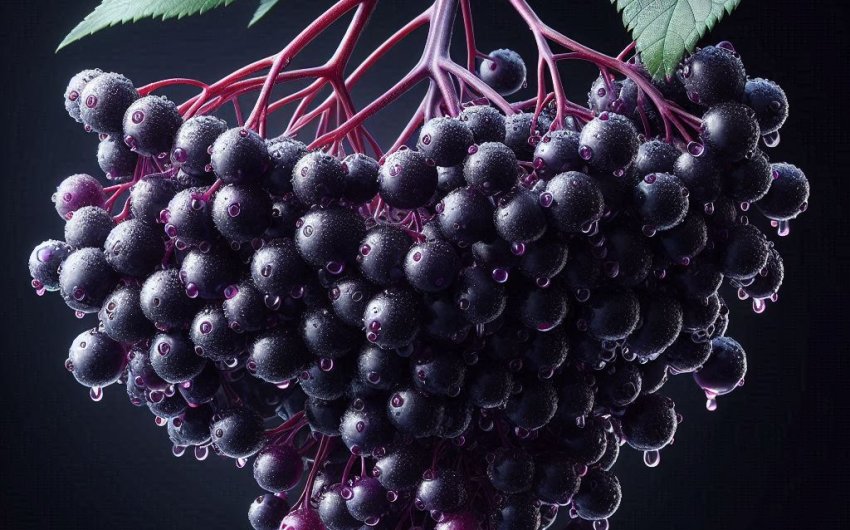
To know when your elderberries are ripe and ready to harvest, look for a uniform deep purple-black color across all berries in a cluster, a soft but not mushy texture, and an easy detachment from their stems. The best indicator is when most berries on a cyme have ripened.
Why is Knowing When Elderberries Are Ripe So Important?
Knowing when your elderberries are ripe and ready to harvest is not just about maximizing flavor and yield; it's also crucial for safety. Unripe elderberries contain compounds that can be toxic, while properly ripened and processed elderberries offer numerous health benefits and culinary uses. This careful timing ensures both delicious results and peace of mind.
1. Maximizing Flavor and Sweetness
- Underripe: Elderberries harvested too early will be tart, bitter, and lack the characteristic deep, complex flavor. They'll also have a harder texture.
- Perfectly Ripe: Fully ripe elderberries develop their peak sweetness, juiciness, and rich, slightly earthy flavor, making them ideal for jams, jellies, wines, and syrups.
2. Ensuring Safety
- Toxicity: Unripe (green or reddish) elderberries, as well as the stems, leaves, bark, and roots of the elderberry plant (Sambucus species), contain cyanogenic glycosides and alkaloids. These compounds can cause nausea, vomiting, diarrhea, and stomach cramps if consumed in significant quantities.
- Proper Ripening and Processing: These toxic compounds are largely destroyed or denatured by proper ripening (turning deep black-purple) and thorough cooking or drying. Harvesting only fully ripe berries and always processing them (never eating raw, unripe berries) is essential for safety.
3. Optimizing Yield
- Full Cluster Development: Allowing all berries within a cluster (cyme) to ripen ensures you get the maximum yield from each one. Picking too early means you leave undeveloped berries behind.
- Attracting Birds: While a double-edged sword, perfectly ripe elderberries are highly attractive to birds, indicating their peak desirability and confirming their ripeness, though you'll need to protect your harvest!
4. Ease of Harvesting
- Easier Detachment: Ripe elderberries will detach easily from their stems with minimal effort, making harvesting quicker and more efficient. Unripe berries cling tightly.
In summary, proper timing for elderberry harvest is about achieving the best taste, ensuring food safety through natural chemical breakdown, and making your picking efforts as productive as possible. It's a key step in enjoying the bounty of your elderberry plants.
What Do Ripe Elderberries Look Like? (Visual Cues)
The most straightforward way to know when your elderberries are ripe is by their visual appearance. A distinct change in color is your primary indicator.
1. Deep Purple-Black Color
- Uniform Shade: Ripe elderberries will be a uniform, deep purple-black color. There should be no green, reddish, or light purple hues visible on any of the berries within a cluster.
- All Berries on Cyme: Critically, most, if not all, of the individual berries within an entire cyme (the flat-topped flower cluster that ripens into a berry cluster) should be this deep black color. You might pick a cyme where 90% are ripe and a few stragglers remain; this is generally acceptable for harvesting the whole cluster.
- Shiny or Dull: Depending on the variety and moisture, they can appear shiny or have a slight dull bloom.
2. Fully Developed and Plump
- Size: Ripe berries will be plump and full, having reached their mature size. They won't look shriveled or underdeveloped.
- Compare to Unripe: Unripe berries will appear smaller, harder, and range from green to reddish to light purple.
3. Clustering on Reddish Stems (Pedicels)
- Color of Stems: The tiny stems (pedicels) that attach the individual berries to the main cluster stem (peduncle) will often turn a reddish or purplish color when the berries they support are fully ripe. This is an additional visual cue.
- Cluster as a Whole: Look at the entire cyme. If you still see a lot of green or red berries, wait longer. Elderberries within a single cyme tend to ripen at roughly the same time, making cluster-based harvesting efficient.
Examples of Ripeness vs. Unripeness:
| Stage | Berry Color | Berry Texture | Stem Color (individual berry) | Ease of Detachment | Safety for Consumption |
|---|---|---|---|---|---|
| Unripe | Green, reddish, or light purple | Hard, firm | Green | Difficult (clings tightly) | Toxic (Do NOT eat raw) |
| Partially Ripe | Mixed colors (some black, some red) | Firm to slightly soft | Mixed, mostly green | Moderate | Still Toxic (Do NOT eat raw) |
| Fully Ripe | Deep, uniform purple-black | Soft but not mushy | Reddish/Purplish | Easy (detaches readily) | Safe after cooking/processing |
By focusing on these clear visual indicators, you can confidently determine when your elderberries are ripe and visually confirm they are ready to harvest safely.
How Does Texture and Feel Indicate Elderberry Ripeness?
Beyond just sight, the texture and feel of elderberries provide critical clues about when your elderberries are ripe and ready to harvest. A quick gentle touch can confirm what your eyes tell you.
1. Soft But Not Mushy
- Gentle Give: A ripe elderberry should feel soft and slightly yielding when gently squeezed between your fingers. It should have a subtle "give" to it.
- Avoid Mushy: If a berry feels extremely soft, mushy, or bursts easily with minimal pressure, it might be overripe or starting to ferment. While still usable for some purposes, it might not be ideal for all recipes and has a shorter shelf life.
- Unripe Contrast: Unripe berries, by contrast, will feel hard and firm, with no give whatsoever.
2. Easy Detachment from Stems
- Key Indicator: This is perhaps one of the most reliable tactile tests. A fully ripe elderberry will easily detach from its tiny stem (pedicel) with just a gentle pull or roll of your finger.
- Clinging Berries: If the berries cling tightly to the stem and require significant force to remove, they are not fully ripe and need more time. Picking these forcefully can damage the stem and even pull off unripe berries or small branches.
- Harvesting Efficiency: This easy detachment is also what makes harvesting by cutting entire cymes (clusters) so efficient. Once cut, shaking or rubbing the cyme gently will cause the ripe berries to fall off, leaving the tougher stems behind.
How to Check:
- Visual First: Always start by looking for the deep purple-black color across the entire cluster.
- Tactile Check: Then, gently touch a few berries in the cluster. Do they feel soft? Try to gently pull a couple. Do they come off easily? If yes to both, the cluster is likely ready.
By incorporating both visual and tactile inspections, you can ensure your elderberries are at their peak ripeness, making them perfect for all your culinary and medicinal needs, and confirming when your elderberries are ripe and ready to harvest.
What is the Best Time of Year to Harvest Elderberries?
The best time of year to harvest elderberries largely depends on your specific geographical location and climate, but it generally falls during the summer months, extending into early fall. Understanding your local growing season is key to knowing when your elderberries are ripe.
General Harvest Season:
- Peak Months: Most elderberry varieties in North America and Europe typically ripen from mid-July through September.
- Regional Variation:
- Southern Regions/Warmer Climates: Harvest might begin as early as late June or early July.
- Northern Regions/Colder Climates: Harvest could extend well into September or even early October.
- Weather Impact: The actual timing within this window is influenced by the weather during the growing season. A warmer, sunnier summer might lead to earlier ripening, while a cooler, wetter summer could delay it.
Indicators of the Season Starting:
- Flower to Fruit Cycle: Elderberries bloom in late spring to early summer. It typically takes about 6-8 weeks for the flowers to develop into fully ripe berries. So, if you remember when your elderberry bush flowered, you can estimate a general timeframe.
- Monitoring: The best approach is to start monitoring your elderberry plants once they've set fruit, particularly when the berries begin to change color from green to red. This signals that ripening is underway.
Why Timing the Season is Important:
- Peak Ripeness: Harvesting during the peak season ensures you're getting berries that have had ample time to develop full flavor and sweetness.
- Bird Competition: As elderberries ripen, they become increasingly attractive to birds. Knowing your local ripening window helps you prepare to protect your crop from feathered friends.
- Successional Ripening: While individual cymes ripen together, not all cymes on a single bush will ripen at precisely the same time. You may have to harvest in stages over a couple of weeks, returning to the bush as new clusters turn dark.
So, while there's a broad summer-to-early-fall window, the most precise method to determine when your elderberries are ripe is through regular, visual and tactile inspection of the berries themselves as the season progresses.
How to Harvest Elderberries Safely and Efficiently?
Once you've determined when your elderberries are ripe and ready to harvest, executing the harvest safely and efficiently will save you time and ensure you get the most out of your efforts. Remember to always process elderberries before consumption.
What You'll Need:
- Gloves: Some people find elderberry sap irritating, and it can stain hands. Light gardening gloves are advisable.
- Pruning Shears or Scissors: Sharp, clean hand pruners or sturdy scissors are essential for cutting clusters. Fiskars Micro-Tip Pruning Snips are excellent for precision.
- Collection Containers: Buckets, bowls, or large bags.
- Eye Protection (Optional but Recommended): Especially for larger bushes, branches can spring back.
Step-by-Step Harvesting Process:
Identify Fully Ripe Clusters (Cymes):
- Look for entire cymes where all or almost all berries are a uniform deep purple-black.
- Gently test a few berries for softness and easy detachment.
- Crucial: Do NOT pick individual green or reddish berries. Wait for the whole cluster to ripen.
Cut the Entire Cluster:
- Instead of picking individual berries, use your pruning shears or scissors to cut the entire cyme where its main stem (peduncle) attaches to the larger branch.
- Why: This is the most efficient method and prevents damage to the individual berries or plant branches. It also makes destemming easier later.
Handle with Care:
- Elderberries are soft and juicy when ripe, so handle the clusters gently to avoid crushing them.
- Place clusters carefully into your collection container. Don't pile them too high.
Repeat as Clusters Ripen:
- Not all clusters on a bush will ripen at the same time. You'll likely need to revisit the elderberry bush every few days or once a week over a 2-4 week period to collect newly ripened clusters.
Destemming (Post-Harvest):
- Method 1 (Freezing): This is the easiest! Place whole clusters in a freezer bag and freeze them. Once frozen solid (after several hours or overnight), the berries will easily pop off their stems when rubbed or shaken. This also loosens any tiny stem bits.
- Method 2 (Fork/Comb): Hold a cluster by its main stem. Use a fork or a wide-toothed comb to gently "comb" the berries off the smaller stems into a bowl.
- Method 3 (Hand Rubbing): With fresh berries, gently rub the clusters between your hands over a bowl. This is messier and more labor-intensive but works.
- Remove All Green Stems/Berries: After destemming, always carefully pick out any remaining small green or reddish berries and all stem material. These parts contain toxic compounds and should not be consumed.
Wash and Prepare for Use:
- Once destemmed, rinse the berries in a colander under cool water.
- They are then ready for cooking, juicing, drying, or further freezing.
By following these safe and efficient harvesting techniques, you'll be able to gather a bountiful crop of ripe elderberries, ready for delicious and healthy processing.
What Are the Risks of Harvesting Unripe Elderberries?
Understanding when your elderberries are ripe is not just about taste; it's a critical safety issue. Harvesting and consuming unripe elderberries (or other parts of the plant) carries significant health risks due to the presence of toxic compounds.
The Toxic Compounds:
- Cyanogenic Glycosides: These compounds, particularly sambunigrin, are found in the leaves, stems, bark, roots, and especially the unripe (green or reddish) berries of Sambucus species.
- Alkaloids: Some elderberry varieties may also contain other alkaloids.
How They Cause Harm:
- Hydrogen Cyanide Release: When ingested, cyanogenic glycosides can break down in the digestive system to release hydrogen cyanide (HCN).
- Symptoms of Toxicity: Ingesting enough of these compounds can cause:
- Nausea
- Vomiting
- Diarrhea
- Abdominal cramps
- Weakness
- Dizziness
- In severe cases (though rare from berries alone), more serious symptoms like rapid heart rate, confusion, or even coma.
Why Ripeness and Processing Are Key:
- Degradation: The concentration of cyanogenic glycosides significantly decreases as the elderberries ripen and turn their characteristic deep purple-black color.
- Cooking Neutralizes: Crucially, the remaining toxic compounds in ripe berries are largely destroyed by heat. Thorough cooking (boiling, simmering) is essential to break down the glycosides, rendering the elderberries safe for consumption. This is why elderberries are almost always consumed cooked (jams, jellies, pies, syrups, wines).
- Avoid Raw Consumption: Never consume raw, unripe elderberries, and avoid eating any raw stems, leaves, or roots. Even ripe berries should generally be cooked.
Common Mistakes to Avoid:
- "Testing" an Unripe Berry: Do not taste green or reddish berries to check for ripeness.
- Impatience: Do not harvest a cyme if a significant portion of the berries are still green or red. Wait for uniform black-purple color.
- Leaving Stems In: Always take the time to carefully destem elderberries, removing all stem fragments, even the tiny ones, before cooking.
By strictly adhering to visual and tactile signs of full ripeness and always thoroughly cooking your harvested elderberries, you ensure that you are safely enjoying the bounty of your elderberry plants.
How to Preserve Elderberries After Harvest?
Once you've expertly determined when your elderberries are ripe and ready to harvest, you'll likely have a bountiful supply that needs to be preserved. Elderberries are best preserved quickly to maintain their quality and for safety, as they are almost always cooked for consumption.
1. Freezing (Most Common & Easiest):
- Best Method for Destemming: Freezing is by far the easiest way to destem elderberries.
- Place whole clusters (stems and all) in freezer bags or on trays and freeze until solid.
- Once frozen, the berries easily pop off their stems when rubbed or shaken. This also loosens any tiny stem fragments, making clean-up easier.
- Storage: Once destemmed, pack the clean, frozen berries into freezer bags or airtight containers.
- Shelf Life: Properly frozen elderberries can last for 6-12 months or even longer in a deep freezer.
- Usage: Use frozen elderberries directly in recipes that require cooking (jams, pies, syrups) without thawing.
2. Drying:
- Method: Elderberries can be dried in a food dehydrator or a low oven.
- Preparation: Destem and wash ripe elderberries.
- Dehydrator: Spread a single layer of berries on dehydrator trays. Follow your dehydrator's instructions, typically drying at 125-135°F (52-57°C) for 10-24 hours until thoroughly dry and brittle.
- Oven: Spread on a baking sheet lined with parchment paper. Dry at the lowest possible oven temperature (130-150°F or 55-65°C), propping the door open slightly to allow moisture to escape. This can take many hours.
- Storage: Store dried elderberries in airtight containers in a cool, dark place.
- Usage: Use dried elderberries in teas, baked goods, or reconstitute them for other uses. Always cook them before consumption.
3. Making Syrups and Jams (Cooking First):
- Elderberry Syrup: A popular method for long-term storage.
- Cook destemmed, ripe elderberries with water, then strain the juice.
- Simmer the juice with sweeteners (sugar, honey) and optional spices (ginger, cinnamon).
- Can be refrigerated for several weeks or water bath canned for shelf-stable storage. Ball Canning Utensil Set is helpful for canning.
- Elderberry Jam/Jelly: Follow standard jam or jelly recipes using destemmed, cooked elderberries and pectin. Process in a water bath canner.
4. Juicing:
- Process: Use a steam juicer or a standard juicer (then strain pulp) to extract juice from ripe, destemmed elderberries.
- Storage: Freeze the juice in freezer-safe containers or ice cube trays, or can it using a water bath canner (often requires additional acid).
- Usage: Use the juice for making syrups, jellies, wines, or cordials.
Always ensure elderberries are properly destemmed and cooked before any form of consumption or long-term preservation. This attention to detail ensures safety and allows you to enjoy the unique benefits and flavors of your elderberry plants throughout the year.
What are the Culinary Uses of Ripe Elderberries?
Once you've expertly determined when your elderberries are ripe and successfully harvested and destemmed them, a world of delicious culinary possibilities opens up. Remember, elderberries should almost always be cooked before consumption.
1. Jams, Jellies, and Preserves:
- Classic Use: This is perhaps the most popular way to use elderberries. Their natural pectin content (though often supplemented with commercial pectin) and rich flavor make them perfect for preserves.
- Flavor Pairing: Often combined with apples, blackberries, or citrus to complement their tartness.
2. Syrups and Cordials:
- Medicinal & Culinary: Elderberry syrup is widely used as a natural remedy for colds and flu, but it's also a fantastic culinary ingredient.
- Uses: Drizzle over pancakes, waffles, yogurt, ice cream, or use as a base for cocktails and mocktails. Elderberry cordial can be mixed with sparkling water for a refreshing drink.
3. Pies, Crumbles, and Crisps:
- Baking Delight: The rich, tart flavor of cooked elderberries is wonderful in baked desserts.
- Pairings: Often mixed with sweeter fruits like apples, peaches, or blueberries to balance the tartness.
- Recipes: Elderberry pie, elderberry crumble, elderberry crisp, or muffins.
4. Sauces and Compotes:
- Savory Pairings: Elderberry sauces can be a surprising and delicious accompaniment to savory dishes.
- Uses: Serve elderberry compote over roasted meats (especially poultry or pork), game, or cheeses. A reduction can also be made into a rich sauce.
5. Wines, Ciders, and Vinegars:
- Fermented Delights: Elderberries have a long history in winemaking. Their natural sugars and fermentation properties make them excellent for homemade fruit wines.
- Ciders and Vinegars: Can be used to infuse ciders or make flavorful elderberry vinegar, which is great for salad dressings or marinades.
6. Teas (from Dried Berries):
- Soothing Drinks: Dried elderberries can be steeped in hot water to make a comforting and immune-boosting tea.
Important Culinary Reminders:
- Always Cook: As reiterated, always cook elderberries thoroughly before eating them to neutralize the toxic compounds.
- Destem: Carefully destem all berries, removing even tiny green stems, which are bitter and contain toxins.
- Taste Test (Cooked): Taste your cooked elderberry products to adjust sweetness. Their tartness can vary.
The versatility of properly harvested and cooked elderberries makes them a fantastic addition to any kitchen, allowing you to fully enjoy the bounty of your elderberry plants beyond just knowing when your elderberries are ripe for the picking.
How to Protect Ripe Elderberries from Birds?
Successfully determining when your elderberries are ripe and ready to harvest often comes with a challenge: protecting them from birds. Birds love ripe elderberries just as much as we do, and they can decimate a crop overnight. Implementing protective measures is key to actually getting your harvest.
1. Netting (Most Effective Physical Barrier):
- Method: This is the most reliable way to protect your ripening elderberries. Drape Bird Netting for Fruit Trees over your elderberry bushes as soon as the berries start to change color (from green to red/purple).
- Installation:
- Frame/Support: For larger bushes, consider building a simple frame (using PVC pipes, bamboo stakes, or hoops) over the bush. This prevents the netting from resting directly on the berries, which can make them harder to pick and allows birds to peck through the mesh.
- Secure Edges: Ensure the netting is securely tied or weighed down at the bottom (to the ground or around the trunk) so birds cannot sneak underneath.
- Fine Mesh: Use a fine mesh netting that won't entangle birds but is small enough to keep them out.
- Timing: Put it on as berries begin to color, and remove it after harvest is complete.
2. Visual Deterrents (Limited Effectiveness):
- Shiny Objects: Hanging old CDs, aluminum foil strips, reflective tape, or Bird Scare Reflective Tape can sometimes deter birds by reflecting light and creating movement.
- Scarecrows/Decoys: Placing a scarecrow or fake owl/hawk nearby.
- Limitations: Birds are intelligent and quickly habituate to static visual deterrents once they realize there's no real threat. Their effectiveness is usually short-lived unless you constantly move them around.
3. Sound Deterrents (Variable Success):
- Wind Chimes: The unpredictable noise from wind chimes can occasionally startle birds.
- Ultrasonic Devices: Some gardeners try ultrasonic bird repellents.
- Limitations: Effectiveness varies greatly, and birds often get used to them. Can also be annoying to neighbors.
4. Active Management and Timing:
- Harvest Promptly: Once a cluster is fully ripe, harvest it quickly. The longer you leave ripe berries on the bush, the more inviting they become to birds.
- Observe Bird Behavior: Learn when birds are most active in your garden (early morning, late afternoon) and adjust your harvesting schedule accordingly.
While various methods can be attempted, netting remains the gold standard for effectively protecting your elderberry plants and ensuring a successful harvest once you've determined when your elderberries are ripe for the taking. Combine it with good garden hygiene and strategic planning for the best results.