
Can I Grow Boysenberry Plants in Containers?
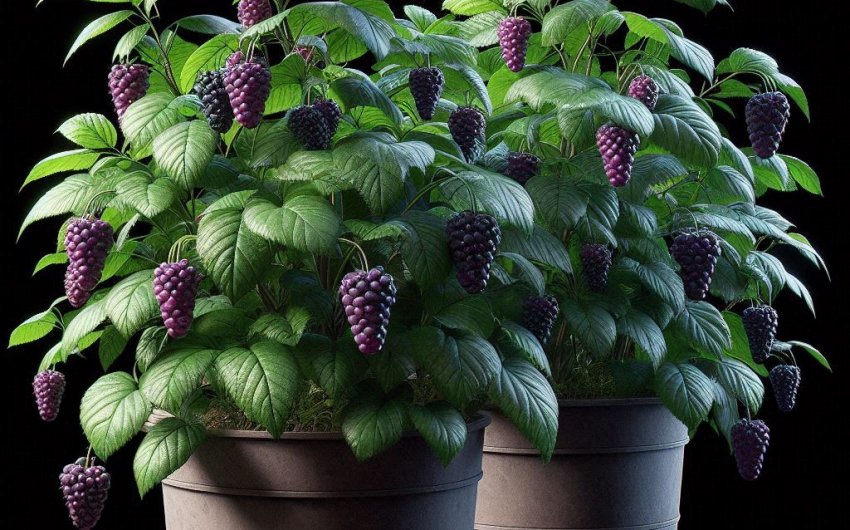
Yes, you can grow Boysenberry plants in containers successfully, making this delicious berry accessible even for gardeners with limited space like patios or balconies. The key to thriving Boysenberry plants in containers involves choosing the right large pot, providing excellent drainage, using a rich, well-draining potting mix, and offering consistent support for their vining canes.
Why Grow Boysenberries in Containers?
Growing Boysenberry plants in containers offers numerous advantages that make this delicious, complex-flavored berry accessible to a wider range of gardeners, especially those who might otherwise think they lack the space or ideal conditions.
1. Space Efficiency:
Boysenberries are known for their vigorous, sprawling growth when planted in the ground.
- Small Spaces: For urban gardeners, apartment dwellers, or those with small backyards, containers transform a tiny patio, balcony, or rooftop into a productive berry patch. You can enjoy fresh boysenberries without needing a dedicated plot of land.
- Vertical Growth: With proper trellising (which is easier to manage in containers), you can train the canes upwards, maximizing yield in a minimal footprint.
2. Mobility and Flexibility:
The ability to move your Boysenberry plants offers significant benefits.
- Optimal Sun Exposure: You can easily move containers to track the sun throughout the day or season, ensuring your plants receive the ideal 6-8 hours of direct sunlight for best fruit production, even if your yard has shifting shade patterns.
- Winter Protection: In colder climates (Zones 5-6), where boysenberries might struggle with harsh winter freezes, containerized plants can be moved to a more sheltered location, a garage, or an unheated shed for protection. This allows gardeners in marginal zones to successfully cultivate boysenberries.
- Disease Management: If a plant shows signs of soil-borne disease, it's easier to isolate or manage a single container plant than an in-ground bed.
3. Soil Control:
Boysenberries prefer well-draining, slightly acidic soil, which might not be readily available in every garden.
- Custom Mix: Containers allow you to create the perfect custom potting mix from scratch, ensuring optimal drainage and nutrient levels regardless of your native soil type.
- Disease Prevention: Using fresh, sterile potting mix can prevent soil-borne diseases and nematodes that might be present in garden soil.
4. Easier Pest Management:
While not entirely immune, containerized Boysenberry plants can be somewhat easier to monitor and manage for certain pests.
- Localized Treatment: You can often treat a specific container more effectively than a sprawling in-ground patch.
- Visibility: Plants in containers are often at a more convenient height for inspection.
5. Containment of Runners:
Boysenberries, like other brambles, can send out runners that root and spread vigorously in the ground.
- No Unwanted Spread: Containers naturally contain this spreading habit, preventing your Boysenberry plants from taking over your garden.
6. Accessible Gardening:
For gardeners with mobility challenges or those who prefer not to bend and kneel extensively, container gardening allows you to raise the planting level, making care and harvesting more comfortable.
7. Aesthetic Appeal:
A well-maintained Boysenberry plant in an attractive container with a decorative trellis can be a beautiful addition to a patio or deck, combining ornamental and edible value.
For all these reasons, choosing to grow Boysenberry plants in containers is a practical, rewarding, and highly flexible way to enjoy the delicious fruits of your labor, even in the most modest of spaces.
What is the Best Container Size and Type for Boysenberry Plants?
Choosing the best container size and type is one of the most crucial decisions when deciding to grow Boysenberry plants in containers. Boysenberries are vigorous growers, and their root systems need ample space to support fruit production.
Container Size: The Bigger, The Better
- Minimum Size: For a single Boysenberry plant, the absolute minimum container size you should consider is 15-20 gallons (approximately 18-20 inches in diameter and depth).
- Recommended Size: For truly thriving Boysenberry plants in containers and better long-term performance, aim for a 25-30 gallon container (approximately 20-24 inches in diameter and depth). The larger volume of soil provides more stability for the extensive root system, better moisture retention (reducing watering frequency), and more consistent nutrient availability.
- Why Large is Important:
- Root Space: Boysenberries have expansive root systems that need room to spread to support the vigorous cane growth and fruit production.
- Moisture Retention: Smaller containers dry out very quickly, especially in hot weather, leading to plant stress. Larger ones provide a more stable moisture environment.
- Nutrient Availability: More soil means more space for nutrients, reducing the need for constant fertilization.
- Stability: Tall, vining canes laden with fruit can make a plant top-heavy. A larger, heavier container provides better stability, preventing tipping.
Container Type: Drainage is Non-Negotiable
No matter the material, your chosen container must have ample drainage holes at the bottom. Without them, water will sit and lead to root rot, which is fatal for Boysenberry plants.
- Fabric Grow Bags:
- Pros: Highly recommended. Made from breathable, felt-like fabric (non-woven geotextile). Offers superior drainage and aeration, preventing root circling ("air pruning"). Lightweight and easy to move (especially with handles). VIVOSUN Fabric Grow Bags.
- Cons: Can dry out faster than plastic in very hot, windy conditions, requiring more frequent watering. Appearance may not suit all aesthetics.
- Half Whiskey Barrels:
- Pros: Large volume, excellent drainage (if holes are drilled), sturdy, and aesthetically pleasing. They are often made of oak, which can complement a garden setting.
- Cons: Heavy once filled, not easily movable. Can be expensive. Ensure they are untreated or food-safe if repurposed.
- Large Plastic Pots/Tubs:
- Pros: Lightweight (when empty), affordable, durable, and retain moisture well.
- Cons: Can overheat in direct sun if black (choose lighter colors). Requires sufficient drainage holes drilled if repurposed. Less aeration than fabric or terracotta, increasing the risk of overwatering if not managed carefully.
- Terracotta Pots:
- Pros: Porous material promotes good airflow to roots and helps prevent overwatering by wicking away excess moisture. Attractive.
- Cons: Very heavy, fragile, and dry out very quickly, requiring frequent watering, which might be a drawback for a thirsty berry plant. More expensive.
- Large Plastic Storage Totes (Repurposed):
- Pros: Cheap and readily available.
- Cons: Absolutely must have numerous drainage holes drilled in the bottom. Often too shallow unless specifically choosing very deep ones. Can be unsightly without a decorative outer pot.
Practical Considerations:
- Weight: Keep in mind that a large container filled with soil and a mature Boysenberry plant will be very heavy. Plan its final location before filling.
- Mobility: If you plan to move the container (e.g., for winter protection), choose a lighter material like fabric or use a plant caddy with wheels. Heavy Duty Plant Caddy with Wheels.
- Drainage Holes: Emphasize again – without adequate drainage, your Boysenberry plant will suffer. If drilling holes, make them plentiful (at least 3-5 holes, 1/2 to 1 inch in diameter).
By selecting an appropriately large container with excellent drainage, you'll provide the perfect home for your Boysenberry plants and ensure they thrive even when grown in containers.
What is the Best Potting Mix and Planting Method for Container Boysenberries?
The potting mix and planting method are foundational for successfully growing Boysenberry plants in containers. Providing the right growing medium ensures proper drainage, aeration, and nutrient availability, all vital for a healthy and productive plant.
Best Potting Mix: Well-Draining and Rich
Boysenberry plants in containers need a potting mix that offers a balance of excellent drainage, good aeration for roots, and sufficient moisture and nutrient retention. Standard garden soil is too heavy and will compact, leading to root rot.
- Ideal Composition: Aim for a mix that is loose, airy, and rich in organic matter. A good recipe often includes:
- 50-60% High-Quality Potting Soil: Look for a reputable brand of all-purpose potting mix that is formulated for containers and includes ingredients like peat moss (or coco coir), perlite, and/or vermiculite. Espoma Organic Potting Mix.
- 20-30% Coarse Perlite or Pumice: These lightweight, porous materials are critical for improving drainage and aeration, preventing compaction. Perlite for Plants.
- 10-20% Organic Compost or Aged Manure: This provides a slow release of essential nutrients, improves water retention while maintaining drainage, and introduces beneficial microbes. Ensure it's well-rotted and sterile.
- pH Level: Boysenberries prefer a slightly acidic to neutral pH, ideally between 6.0 and 6.5. Most good quality potting mixes will fall within this range. You can use a pH meter (AcuRite 3-in-1 Soil Tester) to check if desired.
- Avoid:
- Garden soil, as it compacts in containers.
- Heavy clay, which leads to waterlogging.
- "Potting mixes" with added moisture-retaining crystals, as these can hold too much water for brambles.
Planting Method (Step-by-Step):
Prepare the Container:
- Ensure your chosen large container has ample drainage holes at the bottom. If repurposing a plastic tub, drill additional holes.
- If using a fabric grow bag, simply unfold it and place it in its final sunny location. If using a heavy pot like a whiskey barrel, place it on a plant caddy with wheels or in its permanent spot before filling.
- (Optional but recommended for heavy pots): Place a layer of broken pottery or coarse gravel at the very bottom of the pot to prevent soil from washing out of large drainage holes, but do not use a thick layer of gravel for drainage as it can create a perched water table. Just enough to cover the holes.
Add Initial Potting Mix:
- Fill the bottom of your container with a layer of your custom potting mix, leaving enough space so that when you place the Boysenberry plant in, the top of its root ball is about 2-3 inches below the rim of the pot. This allows for top-dressing later and prevents water from spilling over when watering.
Position the Plant:
- Carefully remove your Boysenberry plant from its nursery pot. If the roots are circling, gently tease them apart.
- Place the plant in the center of the container. The base of the plant should be at the same level as it was in its original pot. Do not bury the crown (where the canes emerge).
Fill with Potting Mix:
- Fill the rest of the container with your potting mix, gently firming it around the root ball to remove large air pockets. Leave 1-2 inches of space between the soil surface and the rim of the pot to allow for watering.
Water Thoroughly:
- Water the Boysenberry plant thoroughly until water drains freely from the bottom of the container. This helps settle the soil and eliminates any remaining air pockets.
Install Support (Crucial!):
- Boysenberry plants are vining and require support from day one.
- Trellis: Insert a sturdy trellis directly into the potting mix immediately after planting. Choose a trellis that is appropriate for the mature height of boysenberry canes (at least 4-6 feet tall). A fan-style trellis or an obelisk can work. Garden Obelisk Trellis.
- Staking: Alternatively, use a few strong stakes placed around the plant and connect them with twine as the canes grow.
- Training: Gently tie the emerging canes to the trellis as they grow to encourage upward growth.
By combining the best potting mix with a proper planting method, you'll give your Boysenberry plants in containers the strongest possible start for a successful and abundant harvest.
How to Water and Fertilize Container Boysenberries?
Proper watering and fertilizing are critical aspects of Boysenberry plant care in containers. Because they are confined, containerized plants have different needs than their in-ground counterparts, often requiring more frequent attention to moisture and nutrients.
Watering Container Boysenberries: Consistent Moisture is Key
Unlike many fruit-bearing plants that tolerate some drought, Boysenberry plants in containers need consistent moisture to produce abundant, juicy fruit. They do not like to dry out completely, but also hate soggy feet.
- Frequency:
- During the active growing season (spring through summer), you will likely need to water your Boysenberry plants daily or every other day, especially during hot, dry, or windy weather.
- In cooler weather or during the dormant season, watering frequency can be significantly reduced.
- How to Check: Don't water on a schedule. Instead, check the soil moisture. Stick your finger 2-3 inches deep into the potting mix. If it feels dry at that depth, it's time to water. A moisture meter (XLUX Soil Moisture Meter) can also be helpful.
- How to Water:
- Water Deeply: Water slowly and thoroughly until water drains freely from the bottom of the container. This ensures the entire root ball is saturated.
- Avoid Standing Water: Never let the container sit in a saucer of standing water. Always empty the saucer a few minutes after watering to prevent root rot.
- Morning Watering: Watering in the morning is ideal, allowing the foliage to dry before nightfall, which helps prevent fungal diseases.
- Signs of Improper Watering:
- Wilting/Drooping Leaves (Dry): If leaves are wilting and the soil is dry, the plant needs water. They should perk up after watering.
- Yellowing/Mushy Leaves (Wet): Yellowing, soft, or mushy leaves, especially at the base, often indicate overwatering and potential root rot. Reduce watering immediately.
Fertilizing Container Boysenberries: Moderate Feeding
Boysenberry plants in containers have limited access to nutrients compared to in-ground plants. While they are not heavy feeders, a consistent, moderate fertilization regimen will support healthy cane growth and fruit production.
- Type of Fertilizer: Use a balanced, slow-release granular fertilizer or a liquid fertilizer that is slightly higher in phosphorus (P) and potassium (K) for fruit development, but also provides good nitrogen (N) for cane growth. An NPK ratio like 5-10-10 or 10-10-10 is suitable. Espoma Organic Berry-Tone Fertilizer is a good choice for berries.
- When to Fertilize:
- First Year: You might not need to fertilize much in the first year if your potting mix contained a good amount of organic compost.
- Spring (Bud Break): Begin fertilizing in early spring as new growth emerges (bud break).
- Repeat: Apply liquid fertilizer every 4-6 weeks during the active growing season (spring and summer). For slow-release granular fertilizers, apply according to package directions, usually once or twice per season.
- How to Fertilize:
- Liquid Fertilizer: Dilute according to package directions (often at half strength for containers) and apply during a regular watering session.
- Granular Fertilizer: Sprinkle the recommended amount evenly over the surface of the potting mix, keeping it away from the base of the plant, and then water thoroughly.
- Avoid:
- Over-fertilization, especially with too much nitrogen, which can lead to excessive leafy growth at the expense of fruit, and can burn roots.
- Fertilizing in late summer or fall, as this encourages new growth that won't have time to harden off before winter.
- Fertilizing during the dormant season.
By being mindful of their increased needs for consistent watering and moderate fertilization, you will ensure your Boysenberry plants in containers remain healthy, productive, and thriving.
How to Prune and Train Boysenberry Plants in Containers?
Pruning and training are arguably the most crucial aspects of Boysenberry plant care in containers, directly impacting fruit production, plant health, and manageability. Boysenberries are brambles, meaning their canes have a specific growth and fruiting cycle that must be understood for successful management.
Understanding Boysenberry Cane Growth:
Boysenberries typically have a biennial (two-year) cane cycle:
- Primocanes: These are the new canes that emerge from the crown (base of the plant) each spring. They are vegetative (produce leaves) in their first year and do not bear fruit.
- Floricanes: These are the primocanes from the previous year that have overwintered. In their second year, they produce fruit. After fruiting, these floricanes die and should be removed.
Training for Container Success:
Because you are growing Boysenberry plants in containers, a dedicated trellis or support system is essential to manage their vigorous growth and keep them upright.
- Install Trellis at Planting: As discussed, insert a sturdy trellis into the container at the time of planting. A fan-shaped trellis, an obelisk, or a simple stake-and-wire system (e.g., three stakes forming a tripod with wire wrapped around) works well. The trellis should be 4-6 feet tall. Garden Trellis Obelisk.
- Initial Training (First Year - Primocanes):
- As new primocanes emerge in spring, gently tie them to the trellis using soft ties (like plant ties or old strips of fabric). Guide them upwards.
- Allow 3-5 strong primocanes to grow per container plant. Remove weaker, spindly ones at the base.
- Once a primocane reaches the top of your trellis or reaches about 5-6 feet in length, you can "tip prune" it by pinching off the very top growing point. This encourages side branching, which can lead to more fruit production next year.
Pruning Cycle (After the First Year):
This annual pruning ensures productivity and plant health.
- Late Summer/Early Fall Pruning (After Fruiting):
- Identify Floricanes: These are the canes that just finished producing fruit. They will typically look woodier, sometimes browner, and will have remnants of old fruit stems.
- Remove Floricanes: Cut these spent floricanes back to the ground level immediately after they finish fruiting. They will not produce fruit again. This directs the plant's energy into new primocane growth.
- Clean Up: Remove any dead, diseased, or damaged canes.
- Late Winter/Early Spring Pruning (Dormant Season):
- Identify Healthy Primocanes: Select the strongest, healthiest 3-5 primocanes from the previous year that will become this year's floricanes. These should be well-spaced.
- Remove Excess Primocanes: Cut any excess or spindly primocanes back to the ground.
- Tip Prune (Optional): If you didn't tip prune in the previous summer, or if side branches are very long, you can lightly tip prune these remaining primocanes/floricanes to encourage more branching (where the fruit will form).
- Lateral Pruning: Cut back any lateral (side) branches on these floricanes to about 12-18 inches long. This helps manage the plant's size and concentrates energy into the remaining fruiting wood.
Why Pruning is Crucial for Container Boysenberries:
- Maximizes Fruit Production: By removing spent canes, you direct the plant's energy to the new, fruiting canes.
- Maintains Health: Improves air circulation within the plant, reducing the risk of fungal diseases.
- Manages Size: Essential for keeping a vigorous Boysenberry plant manageable within a container and on its trellis.
- Simplifies Harvest: Keeps fruiting canes organized and accessible.
By consistently applying these pruning and training techniques, you'll ensure your Boysenberry plants in containers remain healthy, productive, and a true highlight of your edible garden.
Protecting Container Boysenberries Over Winter
Successfully growing Boysenberry plants in containers often requires specific winter protection, especially for gardeners in colder climates. While boysenberries (a blackberry-raspberry hybrid) are generally hardy to USDA Zones 5-9, containerized plants are more vulnerable to winter cold than their in-ground counterparts because their root systems are exposed to air temperatures.
Why Container Plants are More Vulnerable:
- Root Exposure: In the ground, soil acts as a natural insulator, protecting roots from freezing temperatures. In a container, the roots are much more exposed to the ambient air temperature, making them susceptible to freeze-thaw cycles and root damage.
- Lack of Moisture Regulation: Soil in containers can freeze solid and stay frozen, making it impossible for roots to take up water, leading to "winter desiccation" (drying out).
Winter Protection Strategies (Choose based on your climate):
Mulching (for all zones, especially colder):
- Purpose: Provides insulation for the roots.
- How: In late fall, after the plant has gone dormant and possibly had its floricanes removed (as per pruning guide), apply a thick layer (4-6 inches) of organic mulch over the top of the soil in the container.
- Materials: Shredded leaves, straw, wood chips, or pine bark. Straw Bale for Garden.
- Caution: Keep mulch an inch or two away from the base of the canes to prevent rot.
Relocation (for Zones 5-7):
- Purpose: Moves the plant to a more sheltered environment where temperatures are more stable.
- Where:
- Unheated Garage or Shed: Ideal. Temperatures should stay above freezing but cool enough for the plant to remain dormant (around 35-45°F / 2-7°C).
- Protected Patio/Deck: If you don't have an unheated structure, move the container next to the warmest wall of your house (south-facing) and group it tightly with other containers to create a thermal mass. Cover with burlap or blankets during severe cold snaps.
- Cool Basement: If well-lit and not too warm.
- When: Move the container before the first hard frost consistently freezes the soil solid.
- Care in Storage: While in storage, check the soil moisture every few weeks. Water sparingly if the soil is bone dry, just enough to prevent the roots from completely drying out. Do not overwater.
Wrapping Containers (for Zones 5-6):
- Purpose: Adds an extra layer of insulation directly around the container.
- How: Wrap the sides of the container with burlap, old blankets, bubble wrap, or a layer of insulation like Styrofoam. You can secure it with twine or tape.
- Combine: This method is often combined with mulching the top of the soil and/or grouping containers.
Burying Containers (for Zones 5-6 with dedication):
- Purpose: Mimics in-ground protection for roots.
- How: Dig a hole in a sheltered spot in your garden and sink the entire container (or just the root portion) into the ground. Cover the top with mulch.
- Advantage: Provides excellent root insulation.
- Disadvantage: Requires more effort.
Winter Care Reminders:
- Dormancy is Key: The goal is to keep the plant dormant. Don't expose it to warm indoor temperatures that would cause it to break dormancy prematurely.
- Water Sparingly: Resist the urge to overwater dormant Boysenberry plants. Too much moisture in cold soil leads to rot.
- Return to Light in Spring: As spring approaches and temperatures rise, gradually bring the container back out into full sun. If it was in a dark location, gradually acclimate it to light over a few days.
By providing appropriate winter protection, you can ensure your Boysenberry plants in containers survive the cold, allowing them to remain healthy and produce delicious fruit year after year. This allows gardeners in a wider range of climates to successfully grow Boysenberry plants in containers.