
Elevate Your Garden: Raised Bed Vegetable Gardening Made Easy
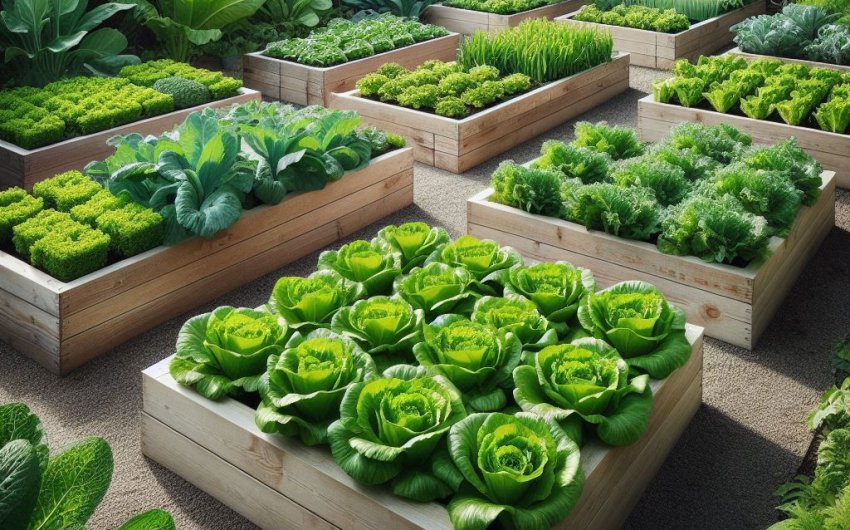
Yes, raised bed vegetable gardening made easy is an incredibly popular and effective method to elevate your garden literally and figuratively, offering a host of advantages that simplify the gardening process. This approach bypasses many common challenges of in-ground gardening, making it a fantastic choice for beginners and seasoned growers alike to achieve bountiful harvests with less fuss. It truly can make gardening simpler and more productive.
What Are the Key Benefits of Raised Bed Gardening?
Raised bed gardening has surged in popularity, and for good reason: it offers a compelling list of benefits that directly address many common gardening frustrations, making the process smoother and more successful. These advantages collectively elevate your garden experience, often leading to healthier plants and more abundant harvests with less effort.
Here are the key benefits that make raised bed gardening so appealing:
- Superior Soil Control:
- Custom Mix: You get to create the ideal soil from scratch, filling your beds with a perfect blend of high-quality topsoil, compost, and other amendments. This bypasses issues like heavy clay, sandy soil, or compacted earth.
- Optimal pH and Nutrients: Easier to achieve and maintain the ideal pH and nutrient balance for your vegetables.
- Excellent Drainage:
- Prevents Root Rot: Raised beds naturally drain better than in-ground gardens, preventing waterlogging which is a common cause of root rot and other fungal diseases. This is particularly beneficial in areas with heavy clay soil or high rainfall.
- Warmer Soil, Earlier Planting:
- Quicker Warm-Up: The soil in raised beds warms up faster in the spring sunshine. This allows for earlier planting, giving your vegetables a head start on the growing season.
- Longer Season: Can also slightly extend the season in fall as the soil retains heat better.
- Reduced Weeding:
- Fewer Weeds: The custom-filled soil often starts weed-free. With defined edges and often mulched pathways, fewer weed seeds can migrate into the beds.
- Easier to Spot/Pull: Weeds that do appear are usually easier to spot and pull from the looser, well-defined soil.
- Improved Accessibility and Ergonomics:
- Less Bending: The elevated height means less bending, kneeling, and stooping, making gardening more comfortable and accessible for individuals with back pain, mobility issues, or older gardeners.
- Closer to You: Brings your garden up to a more convenient working height.
- Pest Control (Certain Pests):
- Ground Pests: The physical barrier of the raised bed can deter some ground-dwelling pests like slugs and snails, as they have to climb to reach your plants.
- Rodents: Can help deter some burrowing rodents, especially if the bottom of the bed is lined with hardware cloth.
- Longer Growing Season (Potentially):
- As the soil warms faster in spring and stays warmer longer in fall, you can often extend your harvests at both ends of the season.
- Tidiness and Aesthetic Appeal:
- Raised beds create a very neat, organized, and attractive look in the garden. They give your vegetable patch a structured, intentional appearance that can complement any landscape design.
- Prevents Soil Compaction:
- Since you never walk in the beds, the soil remains loose and uncompacted, providing an ideal environment for root growth.
These compelling advantages collectively make raised bed vegetable gardening an excellent choice for truly elevating your garden experience, leading to healthier plants and more abundant, easy-to-manage harvests.
How Do I Choose the Right Materials for My Raised Beds?
Choosing the right materials for your raised beds is a foundational decision when embarking on raised bed vegetable gardening, impacting not only the cost and durability of your beds but also their aesthetic and potential impact on your plants. Each material has its own set of pros and cons, allowing you to select what best suits your budget, desired look, and long-term gardening goals to truly elevate your garden.
Here are the most common and effective materials for building raised beds:
- Wood (Most Popular):
- Pros:
- Natural Aesthetic: Blends beautifully into most garden settings, offering a classic, rustic look.
- Relatively Inexpensive (for untreated wood): Common lumber like pine or fir can be budget-friendly.
- Easy to Work With: Can be cut, drilled, and assembled with basic tools.
- Cons:
- Rot/Degradation: Wood will eventually rot, especially when in contact with moist soil. Lifespan varies by wood type.
- Treatment Concerns: Avoid pressure-treated lumber (especially older types containing CCA) for edible gardens due to chemical leaching concerns. Newer ACQ-treated wood is considered safer by some, but untreated wood or naturally rot-resistant wood is preferred.
- Recommended Wood Types:
- Cedar (Best Choice): Naturally rot-resistant, beautiful, long-lasting (10-15+ years). More expensive. Cedar raised garden beds are a premium option.
- Redwood: Similar to cedar, very rot-resistant, but often more expensive and less widely available.
- Untreated Pine/Fir/Douglas Fir: Most affordable, but will rot fastest (3-7 years). Can be lined with a food-grade plastic sheeting to extend life (ensure drainage holes).
- Hardwood (Oak, Locust): Extremely durable but very expensive and hard to work with.
- Pros:
- Metal (Galvanized Steel/Corrugated Metal):
- Pros:
- Very Durable & Long-Lasting: Can last for 20+ years, does not rot.
- Modern Aesthetic: Offers a sleek, contemporary look.
- Rodent Resistant: Harder for burrowing pests to chew through.
- Recycled Options: Often made from recycled materials.
- Cons:
- Can Heat Up: Metal sides can get hot in direct sun, potentially overheating soil (less of an issue in larger beds or with proper mulch).
- Higher Initial Cost: Can be more expensive than basic wood.
- Sharp Edges: Requires careful handling during installation.
- Recommended: Look for food-safe, galvanized, or powder-coated steel. Corrugated metal raised garden beds are increasingly popular.
- Pros:
- Stone/Brick/Concrete Blocks:
- Pros:
- Extremely Durable & Permanent: Lasts indefinitely.
- Classic Aesthetic: Timeless and robust appearance.
- Excellent Heat Retention: Stone can retain heat, helping extend the season slightly.
- Cons:
- Expensive: Often the most costly option, especially if professionally installed.
- Labor-Intensive: Heavy and requires significant effort and skill to build.
- Permanent: Difficult to move or reconfigure.
- Porosity: Some concrete blocks can leach lime, raising soil pH.
- Best For: Creating highly aesthetic, long-term, permanent garden structures.
- Pros:
- Recycled Plastic/Composite Lumber:
- Pros:
- Very Durable: Will not rot, warp, or splinter.
- Low Maintenance: No painting or sealing needed.
- Eco-Friendly: Made from recycled materials.
- Cons:
- Higher Cost: Often more expensive than untreated wood.
- Can Look Artificial: Aesthetic may not appeal to everyone.
- Recommended: Ensure it's rated for outdoor use and direct soil contact.
- Pros:
- Gabion Baskets:
- Pros:
- Unique Aesthetic: Industrial, modern look.
- Very Durable: Metal baskets filled with stone.
- Excellent Drainage: Stone fill ensures superb drainage.
- Cons:
- Labor-Intensive: Filling with stone is heavy work.
- High Cost: Stone is expensive.
- Very Permanent: Not easily moved.
- Pros:
When choosing materials, prioritize longevity, safety for edibles, and aesthetic appeal that complements your vision for elevating your garden with raised beds.
How Deep and Wide Should My Raised Beds Be?
Determining the ideal depth and width for your raised beds is a crucial aspect of raised bed vegetable gardening made easy, directly impacting plant health, accessibility, and your comfort as a gardener. These dimensions are not arbitrary; they are carefully chosen to optimize growing conditions and make tending your garden a joy rather than a chore, helping to truly elevate your garden to new levels of productivity.
Ideal Depth for Raised Beds:
- Minimum Depth: 6 inches (15 cm)
- Good for: Shallow-rooted crops like lettuce, spinach, radishes, and many herbs.
- Consideration: Requires more frequent watering and fertilizing as nutrients deplete quickly.
- Recommended Depth: 10-12 inches (25-30 cm)
- Good for: Most common vegetables, including carrots, beets, bush beans, onions, kale, Swiss chard, and smaller pepper varieties. This depth allows for good root development for a wide range of crops.
- Benefits: Offers a good balance of soil volume, drainage, and moisture retention.
- Optimal Depth for Deep-Rooting/Larger Crops: 18-24 inches (45-60 cm)
- Good for: Deep-rooted vegetables like indeterminate tomatoes, potatoes, parsnips, corn, large peppers, and winter squash. It's also ideal for perennial vegetables like asparagus.
- Benefits: Provides ample space for extensive root systems, excellent moisture and nutrient retention, and superior stability for tall plants.
- Accessibility Bonus: At 18-24 inches high, these beds are also incredibly comfortable to work in, minimizing bending and kneeling.
Key takeaway for depth: Deeper is generally better if you can manage it, especially for a diverse vegetable garden. It means healthier roots, less frequent watering, and more stable plants.
Ideal Width for Raised Beds:
- Maximum Width: 4 feet (1.2 meters)
- Why 4 feet? This width is considered the ergonomic ideal because it allows you to comfortably reach the center of the bed from both sides without having to step into the bed.
- Avoids Compaction: Never stepping into your raised beds is crucial for preventing soil compaction, which keeps the soil loose, aerated, and perfect for root growth.
- Accessibility: Most adults can reach 2 feet in from the edge of a bed without straining.
- Minimum Width: Generally, beds narrower than 2 feet (60 cm) can be tricky for larger plants and might dry out too quickly, but can work for single rows of herbs or leafy greens against a wall.
- Length:
- The length of your raised bed is entirely flexible and depends on your available space and aesthetic preferences.
- Consider lengths that are manageable for pathways and overall garden flow. Often, lengths of 4, 6, 8, or 10 feet are common.
- A raised bed kit 4x8 is a very popular size, offering a good balance of growing area and manageability.
By carefully considering these depth and width guidelines, you set the stage for an efficient, accessible, and highly productive raised bed vegetable garden, making it genuinely easy to elevate your garden to new heights of success.
How Do I Fill My Raised Beds with the Right Soil Mix?
Filling your raised beds with the right soil mix is a pivotal step in raised bed vegetable gardening made easy, as the quality of your growing medium directly determines the health and productivity of your plants. Unlike native garden soil, you get to create an ideal environment from scratch, ensuring your garden can truly elevate your garden to maximum potential. A well-balanced mix promotes excellent drainage, good aeration, and sustained fertility.
Here’s a step-by-step guide to filling your raised beds with the optimal soil mix:
- Understand the Goal: A Balanced, Loose, and Fertile Mix:
- You're aiming for a mix that is light enough not to compact, drains well, retains moisture, and is rich in organic matter for nutrients. Avoid using pure topsoil (too dense) or pure potting mix (too expensive for large volumes, often lacks long-term nutrients).
- The "No-Dig" Bottom Layer (Optional but Recommended):
- If building directly on grass or weeds, you can start with a "lasagna" style bottom layer to suppress weeds and slowly break down into organic matter.
- Layer 1 (Cardboard/Newspaper): Lay down a layer of flattened cardboard (remove all tape/labels) or several sheets of newspaper to smother existing weeds/grass. Wet it thoroughly.
- Layer 2 (Carbon Material): Add a layer of straw, untreated wood chips, shredded leaves, or old rotten logs/twigs. This adds bulk and carbon.
- Layer 3 (Green Material/Compost): Add a layer of green garden waste, kitchen scraps (avoid meat/dairy), or partially finished compost.
- Benefit: This method reduces the amount of expensive finished soil mix needed and continuously builds soil fertility from the bottom up.
- The Core Growing Mix (The "50/50/50" or "Mel's Mix" Principle):
- For the main bulk of your bed, a common and effective ratio is roughly 1/3 compost, 1/3 topsoil, and 1/3 coarse amendment (like perlite, vermiculite, or coarse sand).
- Component Breakdown:
- 1/3 High-Quality Compost: This is the most crucial ingredient. Use fully decomposed compost (your own or purchased). It provides rich nutrients, improves soil structure, and introduces beneficial microbes. This is your primary source of fertility. Look for a bag of organic garden compost.
- 1/3 Good Quality Topsoil: This provides structure and some mineral content. Avoid topsoil with too much clay or sand; look for a reputable source.
- 1/3 Coarse Amendment: This is for drainage and aeration.
- Perlite/Vermiculite: Lightweight, improve drainage and air pockets. Perlite is volcanic rock, vermiculite is heat-expanded mineral.
- Coarse Sand/Grit: Use horticultural-grade coarse sand, not play sand.
- Composted Pine Bark Fines: Also excellent for drainage and acidity.
- Mixing the Ingredients:
- Thorough Blending: Thoroughly mix all components before adding them to the bed, or layer them in and mix well inside the bed. A wheelbarrow or large tarp is useful for mixing.
- Initial Fertilizers/Amendments (Optional but Recommended):
- Balanced Organic Fertilizer: Mix in a slow-release granular organic fertilizer (e.g., 5-5-5 or 4-4-4 NPK) as you fill the bed.
- Bone Meal (for Phosphorus): If growing fruiting vegetables, a small amount of bone meal can be beneficial for root and flower development.
- Garden Lime/Sulfur (for pH Adjustment): If your soil test (of the mix itself or your local water) indicates a need, add appropriate pH adjusters.
- Fill to the Top (Almost):
- Fill the bed to about 1-2 inches below the rim. This leaves room for watering and mulching. The soil will settle slightly over time.
- Water Thoroughly:
- After filling, water the entire bed deeply. This helps the soil settle and moistens it for planting.
By carefully crafting this ideal soil mix, you give your raised bed vegetable garden the perfect foundation, making it truly easy to elevate your garden to a state of robust health and abundant production.
How Do I Water My Raised Beds for Optimal Plant Health?
Watering your raised beds for optimal plant health is a critical skill in raised bed vegetable gardening made easy, as their elevated nature means different moisture dynamics compared to in-ground gardens. Consistent, appropriate watering ensures strong growth and abundant yields, helping to truly elevate your garden to peak performance. Understanding these nuances is key to preventing both drought stress and waterlogging.
Here’s how to water your raised beds effectively for optimal plant health:
- Monitor Soil Moisture Frequently:
- Faster Drying: Raised beds generally dry out faster than in-ground gardens. The soil is more exposed to air, sun, and wind, leading to quicker evaporation.
- The Finger Test: Stick your finger 2-3 inches (5-7 cm) deep into the soil. If it feels dry, it's time to water. This is the most reliable method.
- Soil Moisture Meter: A soil moisture meter can provide accurate readings throughout the bed, especially for deeper-rooted plants.
- Water Deeply and Consistently:
- Encourage Deep Roots: When you water, do so thoroughly and deeply, aiming to saturate the entire depth of the bed. This encourages plants to develop strong, deep root systems, making them more resilient to brief dry spells.
- Consistent, Not Constant: While regular watering is crucial, avoid keeping the soil constantly soggy. Allow the top layer to dry slightly between waterings to ensure roots get oxygen.
- Water at the Base of the Plants (Avoid Overhead Watering):
- Disease Prevention: Wet foliage, especially if it stays wet overnight, creates ideal conditions for many fungal diseases (e.g., powdery mildew, blight).
- Efficiency: Directing water to the soil ensures it reaches the roots where it's needed, minimizing water waste from evaporation on leaves.
- Methods:
- Soaker Hoses: Excellent for raised beds. They deliver water slowly and directly to the soil. A soaker hose kit for raised beds is highly efficient.
- Drip Irrigation: Similar to soaker hoses, very precise and efficient.
- Watering Can/Hose with Shower Head: Direct water to the base.
- Water in the Morning:
- Optimal Timing: The best time to water is in the early morning. This allows the water to soak in before the heat of the day, and any moisture that gets on leaves can evaporate quickly, further reducing disease risk.
- Avoid Evening Watering: Watering in the evening means foliage may remain wet for too long, increasing fungal risk.
- Use Mulch (Highly Recommended):
- Moisture Conservation: Apply a 2-4 inch layer of organic mulch (straw, shredded leaves, compost, wood chips) around your plants. Mulch significantly reduces water evaporation from the soil surface, keeping it moist for longer.
- Temperature Regulation: Also helps to keep soil temperatures more consistent, benefiting roots.
- Weed Suppression: Reduces weeds that compete for water. A roll of garden straw mulch is easy to apply.
- Adjust for Weather and Plant Needs:
- Hot/Sunny/Windy Weather: Will require more frequent watering.
- Cool/Cloudy Weather: Less frequent watering needed.
- Fruiting/Heavy Feeders: Plants like tomatoes, peppers, and squash have higher water demands during flowering and fruiting.
By diligently monitoring moisture and implementing these strategic watering practices, you ensure your raised bed vegetable garden remains optimally hydrated, truly elevating your garden to a state of robust health and abundant harvests.
How Do I Fertilize My Raised Beds for Peak Productivity?
Fertilizing your raised beds for peak productivity is a vital part of raised bed vegetable gardening made easy, ensuring your plants receive the nutrients they need to produce abundant, healthy harvests. Because raised beds are often watered more frequently and filled with a custom mix, their nutrient dynamics differ from in-ground gardens. A thoughtful fertilization strategy helps to truly elevate your garden to its maximum potential.
Here’s how to effectively fertilize your raised beds for peak productivity:
- Start with an Excellent Soil Mix (The Foundation):
- As discussed in "How Do I Fill My Raised Beds with the Right Soil Mix?", beginning with a mix that is already rich in compost provides a strong base of nutrients. This reduces the immediate need for heavy fertilization.
- Top-Dress with Compost Annually:
- Replenish Nutrients: Each spring (or fall), apply a 1-2 inch layer of well-rotted compost over the surface of your raised beds. This is your primary, slow-release, balanced fertilizer and soil conditioner.
- Benefits: Replenishes depleted nutrients, improves soil structure, enhances microbial activity, and adds beneficial organic matter. A bag of organic garden compost is essential for ongoing fertility.
- Understand N-P-K (Tailor to Plant Needs):
- Nitrogen (N): Promotes leafy green growth. Good for lettuce, spinach, kale.
- Phosphorus (P): Essential for root development, flowering, and fruiting. Crucial for tomatoes, peppers, beans.
- Potassium (K): Supports overall plant health, disease resistance, and fruit quality.
- Fertilizer Labels: Fertilizers display these three numbers (e.g., 5-10-5).
- Choose the Right Fertilizer Type:
- Liquid Fertilizers (Recommended for In-Season Boosts): Water-soluble liquid organic vegetable fertilizers (e.g., fish emulsion, seaweed extract, compost tea) are excellent for regular, quick boosts, as nutrients leach faster from raised beds.
- Slow-Release Granular Organic Fertilizers: Can be mixed into the top few inches of soil at planting time for sustained feeding throughout the season.
- Avoid High-Nitrogen During Fruiting: For fruiting vegetables, avoid fertilizers with a very high nitrogen number during flowering and fruiting, as this encourages leaf growth over fruit production.
- Timing and Application (Strategic Feeding):
- At Planting Time: Incorporate a balanced slow-release granular organic fertilizer (e.g., 5-5-5 or 4-4-4 NPK) into the top 6-8 inches of your bed, or add a handful to each planting hole. For fruiting plants, a small amount of bone meal (for phosphorus) is beneficial.
- During Active Growth/Fruiting:
- For heavy feeders (tomatoes, peppers, corn, squash, leafy greens), begin supplementing with a dilute liquid feed every 1-2 weeks once plants are established and actively growing or starting to flower/fruit.
- For fruiting plants, switch to a fertilizer with a higher P and K content (e.g., 3-4-6 NPK) during this phase.
- Light Feeders: Many herbs and root crops may need less frequent feeding.
- Follow Directions and Dilute:
- Always read and follow fertilizer package instructions carefully. Over-fertilizing can lead to "fertilizer burn" (brown, crispy leaf tips) and harm plants.
- When using liquid concentrates, it's often safer to use a slightly more dilute solution than recommended, especially with synthetic fertilizers.
- Monitor Plant Health:
- Observe your plants for signs of nutrient deficiencies (e.g., yellowing leaves, stunted growth) or over-fertilization (burnt tips). Adjust your feeding schedule accordingly.
- A pH meter for soil can also be helpful, as pH affects nutrient uptake.
By adopting a smart, compost-centered approach with targeted supplemental feeding, you ensure your raised bed vegetable garden receives optimal nutrition, leading to truly peak productivity and delicious harvests, making it easy to elevate your garden to a state of robust health.
How Do I Manage Pests and Diseases in Raised Beds?
Managing pests and diseases in raised beds is a simplified and often more effective process compared to traditional in-ground gardening, contributing significantly to raised bed vegetable gardening made easy. The controlled environment and improved conditions naturally reduce many common issues, but vigilance and smart strategies are still essential to protect your efforts and truly elevate your garden to healthy, productive heights.
Here’s how to effectively manage pests and diseases in raised beds:
- Start with Healthy Soil and Plants (Prevention is Primary):
- Sterile Potting Mix: Begin each season with new, high-quality potting mix (or replenish with plenty of compost) that is free from pathogens and weed seeds.
- Healthy Starts: Purchase strong, disease-free seedlings from reputable sources.
- Optimal Conditions: Ensure plants receive adequate sunlight, consistent (but not excessive) water, and balanced nutrition. Healthy, vigorous plants are naturally more resistant to pests and diseases.
- Excellent Drainage and Air Circulation (Natural Deterrents):
- Drainage: The inherent superior drainage of raised beds prevents root rot, a common killer.
- Airflow: Proper spacing between plants within the bed, and the elevated nature of the bed itself, improves air circulation around foliage. This is your best defense against many fungal diseases like powdery mildew, blight, and rust, as wet foliage dries faster.
- Regular Monitoring and Early Intervention:
- Daily Checks: Your plants are at a more convenient height in raised beds, making it easier to inspect them daily. Look for yellowing leaves, spots, holes, and visible pests (eggs, larvae, adults).
- Early Detection: Spotting problems when they're small allows for simple, targeted intervention before they become widespread.
- Hand-Picking: For larger pests (slugs, snails, hornworms), hand-picking them off and dropping them into soapy water is often highly effective.
- Physical Barriers:
- Hardware Cloth (Bottom Liner): If voles, gophers, or other burrowing rodents are a problem, line the bottom of your raised bed with 1/4-inch or 1/2-inch hardware cloth before filling with soil.
- Row Covers: Lightweight floating row covers can be draped over plants or supported by hoops. These physically exclude flying insects (cabbage moths, cucumber beetles) during susceptible stages.
- Copper Tape: For slugs and snails, copper tape around the perimeter of the bed can create a barrier they dislike.
- Companion Planting:
- Pest Deterrents: Interplant certain aromatic herbs and flowers among your vegetables to deter pests. (e.g., marigolds, nasturtiums, basil, calendula).
- Attract Beneficals: Plant nectar-rich flowers to attract ladybugs, lacewings, and parasitic wasps, which are natural predators of common garden pests.
- Crop Rotation:
- Breaks Disease Cycles: Even in raised beds, practice crop rotation. Don't plant the same vegetable family in the exact same spot year after year. Mentally divide your beds into sections and rotate plant families. This prevents the buildup of specific soil-borne pathogens.
- Sanitation:
- Remove Debris: Promptly remove any fallen leaves, decaying plant matter, or weeds from the beds, as these can harbor pests and diseases.
- Diseased Material: Dispose of diseased plants or leaves (do not compost them unless your compost system reaches high temperatures).
- Organic Treatments (When Necessary):
- Insecticidal Soap: Effective against soft-bodied insects like aphids, whiteflies, and spider mites.
- Neem Oil: A versatile organic insecticide and fungicide that can address a broad range of issues. A concentrated neem oil spray is a good all-purpose option.
- Bt (Bacillus thuringiensis): Specific for caterpillar pests.
- Always read and follow label directions carefully.
By proactively implementing these strategies, managing pests and diseases in your raised bed vegetable garden becomes a manageable aspect of your routine, ensuring your plants remain healthy and your garden is truly easy to elevate your garden to peak productivity.
How Can Raised Beds Extend My Growing Season?
Yes, raised beds can significantly extend your growing season, offering a distinct advantage that truly helps to elevate your garden's productivity and enjoyment. Their unique design and soil properties create microclimates that allow for earlier spring planting and later fall harvests, effectively stretching the calendar and making raised bed vegetable gardening made easy a powerful tool for year-round fresh produce.
Here’s how raised beds extend your growing season:
- Warmer Soil in Spring (Earlier Planting):
- Elevated Exposure: The soil in raised beds is more exposed to sunlight and air circulation, causing it to warm up faster in the spring compared to ground-level soil.
- Faster Thawing: This means frozen ground thaws more quickly, and cool spring temperatures have less impact on soil warmth.
- Benefit: You can plant cold-tolerant crops (like leafy greens, radishes, peas) weeks earlier than in an in-ground garden, getting a head start on the season. This is crucial for maximizing harvests before summer heat.
- Retained Heat in Fall (Later Harvesting):
- Thermal Mass: The soil in raised beds, especially those made of wood, stone, or metal, acts as a thermal mass, absorbing and retaining heat from the sun throughout the day.
- Slow Release: This stored heat is then slowly released into the soil at night, keeping the root zone warmer for longer.
- Benefit: This allows heat-loving plants to continue producing further into fall, and cold-tolerant crops can grow well into cooler temperatures, sometimes even surviving light frosts that would damage in-ground plants.
- Improved Drainage Prevents Frost Heave:
- Avoids Waterlogging: The excellent drainage of raised beds prevents water from sitting and freezing around plant crowns.
- Benefit: This reduces the risk of "frost heave," where cycles of freezing and thawing push plants out of the ground, exposing their roots to cold and desiccation. Plants are better anchored and protected through winter.
- Easier Use of Season Extenders:
- Convenient to Cover: The defined dimensions of raised beds make it much easier to install temporary season extenders.
- Tools: You can easily attach hoop tunnels, cloches, or row covers directly to the bed frame or over hoops placed in the bed. These provide additional frost protection, further pushing planting and harvesting dates. A raised bed hoop kit simplifies this.
- Cold Frames: Many raised beds can be converted into simple cold frames by adding a transparent top.
- Control Over Soil Conditions:
- Optimized Mix: By creating an ideal soil mix, you give plants the best possible environment to resist cold stress and grow vigorously during extended seasons.
By leveraging these unique characteristics, raised beds become powerful tools for expanding your gardening calendar, ensuring that raised bed vegetable gardening made easy not only brings convenience but also allows you to elevate your garden to enjoy fresh, homegrown produce for a significantly longer portion of the year.