
From Plot to Plate: Effective Vegetable Garden Planning Strategies
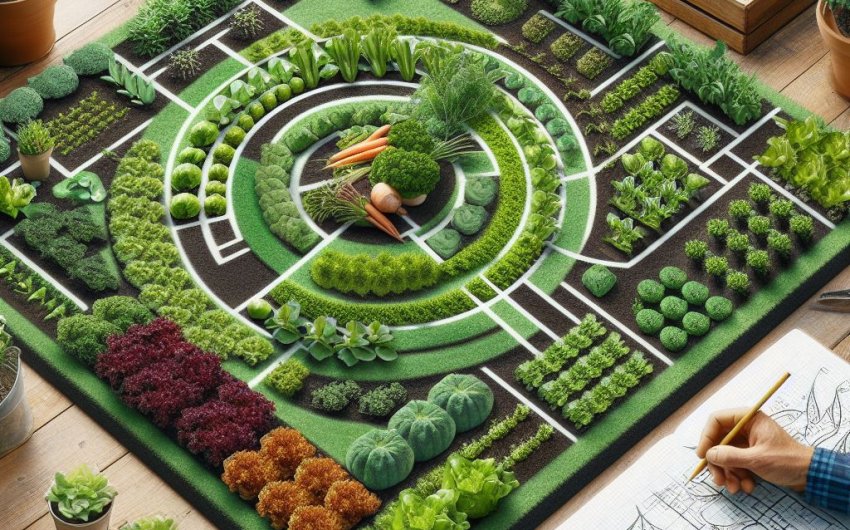
Yes, effective vegetable garden planning strategies are absolutely essential to ensure a successful journey from plot to plate, transforming your gardening efforts into a bountiful harvest. A well-thought-out plan maximizes productivity, minimizes waste, and makes the entire gardening process more enjoyable and manageable. Skipping this crucial initial step often leads to frustration and reduced yields.
What is the Most Important First Step in Vegetable Garden Planning?
The most important first step in vegetable garden planning is to thoroughly assess your site's unique characteristics and limitations. Before you even choose a seed, understanding the specific environmental conditions of your backyard will dictate what you can grow, how well it will grow, and where to best place your garden beds. This foundational analysis is critical for moving from plot to plate successfully.
Here’s what a comprehensive site assessment involves:
- Sunlight Mapping (The Foremost Consideration):
- Observe and Track: Dedicate a full day (or several days across different seasons) to observing how sunlight moves across your potential garden space. Note areas that receive full sun (at least 6-8 hours of direct, unobstructed sunlight), partial sun (3-6 hours), and shade.
- Shadows: Be mindful of shadows cast by trees, fences, buildings, or your house, as these change with the time of day and the season.
- Why it's Crucial: Most vegetables, especially fruiting ones like tomatoes, peppers, and squash, are sun-lovers. Insufficient sunlight will result in leggy plants, poor flowering, and significantly reduced harvests.
- Water Access and Drainage:
- Convenience: Identify the closest and most reliable water source (faucet, rain barrel, well). Plan how you will easily get water to all parts of your garden. Consistent watering is vital.
- Drainage Test: After a heavy rain, observe where water pools and how quickly it drains. Standing water is detrimental to most vegetable roots. Dig a 1-foot deep test hole; if it takes more than 10-15 minutes to drain, your soil has poor drainage.
- Slope: Note any slopes, as these can affect water runoff and potentially lead to erosion.
- Wind Patterns:
- Prevailing Winds: Identify if your garden spot is exposed to strong, sustained winds.
- Impact: High winds can physically damage plants, rip leaves, dry out the soil quickly, and make plant establishment difficult.
- Mitigation: Consider existing windbreaks (fences, hedges) or planning new ones.
- Existing Soil Quality:
- Visual and Texture Test: Dig into your soil. Is it sandy, heavy clay, or loamy? Look for rocks, debris, or a lack of organic matter.
- Soil Test: For definitive information, conduct a soil test through your local agricultural extension office or with a home soil test kit. This reveals pH levels and nutrient deficiencies, guiding your soil amendment strategy.
- Proximity to Your Home/Kitchen:
- A garden that is easily accessible and visible from your house encourages more frequent visits for tending, harvesting, and simply enjoying. "Out of sight, out of mind" can sometimes lead to neglect.
- Existing Features and Aesthetics:
- Note any existing structures, mature plants, or aesthetic elements you want to incorporate or work around. Consider the overall visual impact of the garden within your backyard.
By thoroughly understanding your site's capabilities and constraints, you create an informed basis for all subsequent vegetable garden planning strategies, ensuring your journey from plot to plate is set up for resounding success.
How Do I Choose the Right Vegetables for My Garden?
Choosing the right vegetables for your garden is a pivotal step in effective vegetable garden planning strategies, directly influencing your enjoyment and success in moving from plot to plate. It's about aligning your desires with your realities, ensuring you grow crops that thrive in your local conditions and that your family will genuinely enjoy eating. This thoughtful selection process minimizes waste and maximizes satisfaction.
Here’s how to wisely choose the vegetables for your garden:
- Grow What You (and Your Family) Love to Eat:
- Prioritize Taste: This is the most important factor. There's no point in growing a crop you dislike, no matter how easy it is. Make a list of your family's favorite vegetables.
- Freshness Factor: Consider vegetables that are particularly delicious when picked fresh (e.g., garden tomatoes, crisp lettuce, sweet peas).
- Match Vegetables to Your Climate and Growing Season:
- USDA Hardiness Zone: Understand your USDA Plant Hardiness Zone to know which perennials can survive winter and which annuals are best suited.
- Last/First Frost Dates: Research your average last and first frost dates. These define your warm-season and cool-season windows.
- Cool-Season Crops: (Lettuce, spinach, kale, radishes, peas, broccoli, cabbage, carrots, beets) thrive in spring and fall.
- Warm-Season Crops: (Tomatoes, peppers, eggplant, cucumbers, squash, corn, beans, melons) need heat and a long, frost-free period.
- Variety Selection: Choose specific varieties (e.g., "early maturing," "heat-tolerant," "bolt-resistant") that are best suited to your local conditions.
- Consider Your Available Space:
- Compact Varieties: For small gardens, balconies, or containers, look for bush varieties (bush beans, bush cucumbers), determinate tomatoes, or dwarf versions of plants.
- Vertical Growers: For limited ground space, prioritize vining crops (pole beans, indeterminate tomatoes, climbing cucumbers) that can be trellised upwards.
- Avoid Overcrowding: Be realistic about how much space each mature plant will need.
- Assess Your Experience Level:
- Beginner-Friendly: Start with easy-to-grow vegetables that are generally forgiving:
- Leafy Greens: Lettuce, spinach, kale, Swiss chard.
- Root Vegetables: Radishes, carrots, beets.
- Bush Beans, Zucchini, Peas.
- More Challenging: Tomatoes, peppers, corn, and melons often require more attention to soil, watering, and pest management.
- Beginner-Friendly: Start with easy-to-grow vegetables that are generally forgiving:
- Evaluate Time Commitment:
- Daily Care: Some vegetables (e.g., determinate tomatoes, summer squash) need almost daily harvesting during peak season. Others are more "set it and forget it."
- Seed Starting: Do you have time and space for indoor seed starting, or will you buy seedlings?
- Yield Potential and Storage:
- Fresh Eating vs. Preserving: If you plan to preserve (can, freeze, dry), choose high-yielding varieties or plant enough to meet your needs.
- Succession Planting: Plan for continuous harvests of quick-growing crops by sowing small batches every few weeks.
- Explore Heirloom vs. Hybrid:
- Heirlooms: Prized for unique flavor and appearance, great for seed saving, but may have less disease resistance.
- Hybrids (F1): Often bred for high yield, disease resistance, and uniformity, but you can't save true-to-type seeds.
By carefully considering these factors, you create a personalized list of vegetables that will thrive in your garden and provide immense satisfaction on your journey from plot to plate, ensuring your vegetable garden planning strategies lead to the most delicious results.
What Are the Best Vegetable Garden Layouts for Small Spaces?
For gardeners with limited room, choosing the best vegetable garden layouts for small spaces is a game-changer, allowing them to transform even tiny areas into productive food-growing zones. Effective vegetable garden planning strategies for small plots prioritize vertical growth and intensive planting, ensuring that every square inch contributes to the delicious journey from plot to plate.
Here are some of the most effective and inspiring vegetable garden layouts for small spaces:
- Raised Bed Gardening:
- Why it Works: Raised beds (typically 3-4 feet wide, and any length) allow you to create optimal soil conditions, improve drainage, and contain your gardening space neatly. Their defined edges also make planning and intensive planting easier.
- Space Maximization: The narrow width means you can reach the center of the bed from either side, eliminating the need for internal pathways, thus maximizing planting area.
- Aesthetics: Look tidy and attractive in small yards or patios.
- Recommended: Use cedar raised garden beds for durability and natural appeal.
- Square Foot Gardening (SFG):
- Why it Works: Often implemented within raised beds, SFG divides the bed into 1-foot x 1-foot squares. Each square is planted with a specific number of plants based on their mature size (e.g., 1 tomato, 4 lettuce, 9 beans, 16 radishes).
- Extreme Efficiency: Maximizes yields in minimal space by eliminating wasted pathway space.
- Easy Planning: Simple grid system is excellent for beginners.
- Recommended: Create a raised bed and add a grid (string, wood slats) for easy square definition.
- Vertical Gardening:
- Why it Works: Grows plants upwards, utilizing walls, fences, and air space. This is perhaps the most effective way to multiply your growing area without expanding horizontally.
- Structures:
- Trellises/Arbors: For vining plants like pole beans, cucumbers, indeterminate tomatoes, peas.
- Stacked Planters/Tiered Gardens: For strawberries, herbs, lettuce, radishes. A vertical tiered planter can fit almost anywhere.
- Wall-Mounted Pockets/Panels: Creates "living walls" for herbs, leafy greens, small bush peppers. A fabric wall garden planter is flexible and lightweight.
- Hanging Baskets/Upside-Down Planters: For cherry tomatoes, strawberries, trailing herbs.
- Benefits: Saves ground space, improves air circulation, easier harvesting.
- Container Gardening:
- Why it Works: Highly flexible. Individual pots can be placed on balconies, patios, steps, or even windowsills.
- Versatility: Allows for growing a surprising range of vegetables, from small herbs to full-sized tomatoes (in large containers).
- Portability: Move plants to optimize sun, provide shelter, or rearrange.
- Recommended: Use appropriate container sizes for vegetables (e.g., 5-gallon buckets or larger for tomatoes, fabric grow bags for potatoes).
- Interplanting/Companion Planting:
- Why it Works: Maximizes space by filling in gaps. Planting quick-growing, shallow-rooted plants (radishes, lettuce) between slower, deeper-rooted crops (tomatoes, peppers) effectively uses space during different growth stages.
- Benefit: Also helps with natural pest control and nutrient cycling.
By combining these innovative layouts and focusing on verticality and intensive planting, even the smallest backyard can become a source of abundant fresh produce, making your vegetable garden planning strategies truly shine for a journey from plot to plate.
How Do I Incorporate Crop Rotation into My Garden Plan?
Incorporating crop rotation into your garden plan is a fundamental and highly effective strategy for effective vegetable garden planning, ensuring the long-term health and productivity of your soil and plants. This practice is essential for preventing the buildup of soil-borne diseases and pests, making your journey from plot to plate more sustainable and bountiful over time. It's a natural way to maintain balance in your garden.
Here’s how to effectively incorporate crop rotation into your garden plan:
- Understand the "Why": Benefits of Crop Rotation:
- Disease Prevention: Prevents the buildup of pathogens (bacteria, fungi, viruses) specific to certain plant families in the soil. If you plant tomatoes in the same spot every year, tomato diseases will accumulate.
- Pest Control: Disrupts the life cycles of insect pests that feed on specific plant families. If their food source isn't there next year, they're less likely to thrive.
- Nutrient Management: Different plant families have different nutrient needs and patterns of extraction. Rotating them helps balance nutrient levels in the soil, preventing depletion of specific elements.
- Soil Structure: Roots of different plants penetrate the soil to different depths and in different ways, improving overall soil structure over time.
- Group Vegetables by Family:
- The core of crop rotation is to move entire plant families, not just individual plants. Learn which vegetables belong to which family:
- Solanaceae (Nightshades): Tomatoes, peppers, eggplant, potatoes.
- Brassicaceae (Cabbage Family): Cabbage, broccoli, cauliflower, kale, collards, Brussels sprouts, radishes, turnips.
- Fabaceae (Legumes): Beans (bush, pole), peas, lentils, clover. (These are nitrogen-fixers!)
- Cucurbitaceae (Gourd Family): Cucumbers, squash (summer, winter), pumpkins, melons.
- Alliaceae (Onion Family): Onions, garlic, leeks, chives, shallots.
- Apiaceae (Carrot Family): Carrots, parsnips, celery.
- Amaranthaceae: Spinach, beets, Swiss chard.
- The core of crop rotation is to move entire plant families, not just individual plants. Learn which vegetables belong to which family:
- Divide Your Garden into Zones or Sections:
- Mentally or physically divide your garden into at least 3-4 distinct sections or zones. These will be the areas where you rotate plant families.
- For example, you might have Zone A, Zone B, Zone C, and Zone D.
- Implement a 3-Year or 4-Year Rotation Cycle:
- Year 1: Plant Family 1 in Zone A, Family 2 in Zone B, Family 3 in Zone C, etc.
- Year 2: Shift everything. Family 1 moves to Zone B, Family 2 to Zone C, Family 3 to Zone D (or back to A if 3 zones), and so on.
- Goal: No plant family should grow in the same spot for at least 3-4 consecutive years.
- Develop a Rotation Plan (Sample 4-Year Plan):
- Year 1:
- Zone 1: Legumes (Beans, Peas) - Nitrogen Fixers
- Zone 2: Root Crops (Carrots, Beets, Radishes)
- Zone 3: Brassicas (Cabbage, Broccoli, Kale)
- Zone 4: Nightshades/Cucurbits (Tomatoes, Peppers, Squash, Cucumbers) - Heavy Feeders
- Year 2:
- Zone 1: Nightshades/Cucurbits
- Zone 2: Legumes
- Zone 3: Root Crops
- Zone 4: Brassicas
- Year 3 & 4: Continue shifting the families to new zones.
- Adaptation: Adjust based on your specific garden and crops. Consider placing heavy feeders after nitrogen fixers.
- Year 1:
- Keep a Garden Journal:
- Track Your Plan: Document your garden layout and crop rotation plan each year in a garden journal. This is crucial for remembering where everything was planted and planning future rotations. A gardening journal for tracking crops is invaluable.
- Incorporate Other Considerations:
- Perennials: Perennial vegetables (asparagus, rhubarb) are static, so they go in their own dedicated spot outside the rotation.
- Alliums: Often grouped with brassicas or root crops but sometimes kept separate as they can have their own unique issues.
- Cover Crops: Use cover crops in rotation to replenish soil health in dormant beds.
By implementing a systematic crop rotation plan, your vegetable garden planning strategies will ensure a healthier, more resilient garden, contributing significantly to your long-term from plot to plate success and abundant harvests.
How Do I Practice Succession Planting for Continuous Harvest?
Practicing succession planting for continuous harvest is one of the smartest and most effective vegetable garden planning strategies to maximize your yields and ensure a steady supply of fresh produce throughout the growing season. This technique is key to moving from plot to plate without experiencing overwhelming gluts followed by barren stretches, keeping your backyard bounty flowing consistently.
Here’s how to effectively practice succession planting:
Understand the "Why": Benefits of Succession Planting:
- Continuous Yield: Ensures you always have fresh vegetables ripening, rather than one big harvest followed by nothing.
- Avoids Gluts: Prevents you from being overwhelmed with too much of one crop at once, reducing waste.
- Maximize Space: Allows you to grow more food in the same space by utilizing beds multiple times.
- Spreads Risk: If one planting fails, you have others coming along.
Choose the Right Crops:
- Fast-Maturing Vegetables: Best for succession planting are quick-growing crops with a relatively short "days to maturity."
- Leafy Greens: Lettuce (especially looseleaf), spinach, arugula, kale, Swiss chard.
- Root Vegetables: Radishes, carrots (some shorter varieties), beets.
- Legumes: Bush beans, peas.
- Herbs: Cilantro, dill, basil (can be successive, though slower).
- "Cut-and-Come-Again" Crops: Many leafy greens are also perfect for this, as you can harvest outer leaves and let the plant regrow.
- Fast-Maturing Vegetables: Best for succession planting are quick-growing crops with a relatively short "days to maturity."
Methods of Succession Planting:
- A. Staggered Planting:
- Technique: Plant small batches of seeds or seedlings of the same crop every 2-4 weeks throughout the growing season (or until too hot/cold).
- Example: Sow a 3-foot row of bush beans today. In 3 weeks, sow another 3-foot row. Repeat.
- Benefit: Ensures that as one planting finishes producing, the next one is just starting to yield.
- B. Planting Different Varieties with Different Maturity Dates:
- Technique: Plant early, mid-season, and late-season varieties of the same vegetable at the same time in spring.
- Example: Plant an early-maturing tomato, a mid-season, and a late-season tomato simultaneously.
- Benefit: They will ripen at different times, extending your fresh harvest naturally.
- C. Interplanting (Catch Cropping):
- Technique: Plant a fast-maturing crop between slower-growing crops.
- Example: Sow radishes or lettuce between rows of slow-growing broccoli or cabbage. By the time the larger plants need the space, the quick crop is harvested.
- Benefit: Maximizes space utilization.
- D. Replacing Harvested Crops:
- Technique: As soon as one crop is harvested (especially early-season ones like spring lettuce or radishes), immediately replant that bed with another crop.
- Example: Harvest your spring spinach, amend the soil with compost, then plant bush beans or a summer-friendly leafy green.
- Benefit: Keeps beds continuously productive.
- A. Staggered Planting:
Know Your Climate and Frost Dates:
- Timing is Key: Adjust your succession planting schedule based on your average last and first frost dates. Don't plant heat-loving crops too late for them to mature, or cold-hardy crops too late to establish before hard winter.
- Season Extenders: Use cold frames or row covers to extend the season for both early spring and late fall plantings.
Amend Soil Between Plantings:
- Each crop draws nutrients from the soil. After harvesting a bed, replenish it with a layer of compost before your next succession planting to maintain fertility.
By incorporating succession planting into your vegetable garden planning strategies, you'll transform your garden into a continuous producer, ensuring a steady, delicious flow from plot to plate and a truly abundant backyard bounty.