
Reaping What You Sow: Essential Tips for Harvesting Vegetables
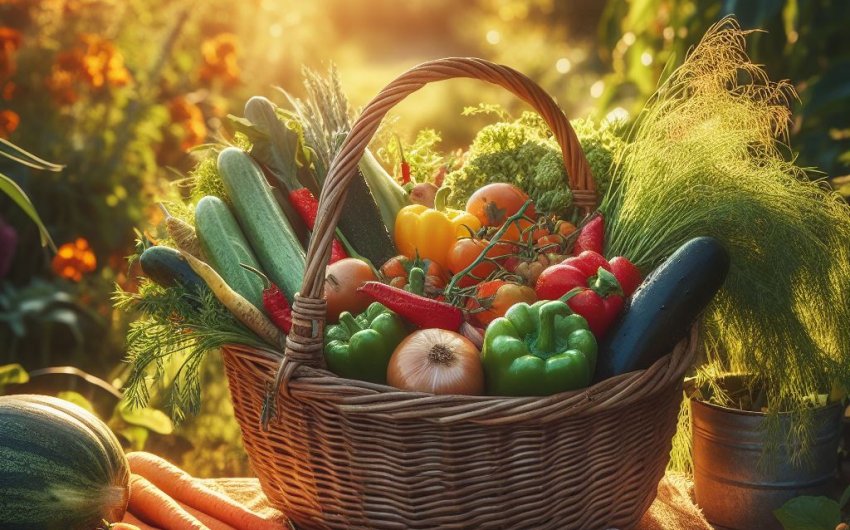
Yes, essential tips for harvesting vegetables are crucial to truly reaping what you sow, maximizing both the flavor and yield from your garden. Knowing when to pick each crop at its peak and how to do it without damaging the plant can dramatically improve your garden's productivity and the quality of your homegrown produce. This knowledge is the culmination of your gardening efforts, ensuring delicious rewards.
Why is Knowing the Right Time to Harvest So Important?
Knowing the right time to harvest your vegetables is incredibly important because it directly impacts their flavor, texture, nutritional value, and the overall productivity of your plants. This crucial decision determines whether you're enjoying your backyard bounty at its peak or missing out on its full potential. It's the difference between a bland, tough vegetable and a tender, intensely flavorful one.
Here’s why precise harvesting time is critical:
- Optimal Flavor and Texture:
- Peak Sweetness/Tenderness: Many vegetables, like peas, beans, and sweet corn, develop their best flavor and tender texture when harvested at a specific stage before they become overripe. Overripe vegetables can be starchy, tough, or bitter.
- Acid/Sugar Balance: For fruits like tomatoes, harvesting at their peak ripeness ensures the perfect balance of acids and sugars, leading to complex, rich flavors.
- Maximizing Yields (Continuous Production):
- Encourages More Fruit Set: For "ever-bearing" or continuous-production plants like beans, cucumbers, summer squash, and peppers, regular harvesting signals to the plant to keep producing more flowers and set new fruit. If you leave mature fruit on the plant, it often slows down or stops producing altogether as its energy shifts to seed development.
- Longer Season: This extends your harvest season significantly, allowing you to reap what you sow for weeks or even months.
- Preventing Toughness and Seediness:
- Vegetables vs. Fruit: Many vegetables are technically fruits (botanically speaking, they contain seeds), but we eat them as vegetables. If left on the plant to fully mature for seed production, they often become tough, fibrous, seedy, or lose their desirable flavor and texture. Think of an overgrown zucchini or a stringy snap bean.
- Disease Prevention:
- Removing ripe or overripe fruits can sometimes reduce pest attraction or prevent diseases that might spread from decaying produce on the plant.
- Nutritional Value:
- While not always a drastic difference, some vegetables offer peak nutritional value at a specific harvest stage.
- Storage Potential:
- Potatoes, onions, and winter squash need to be fully mature (and often "cured") to store well through the winter. Harvesting too early can lead to poor storage quality.
By understanding and acting on the precise moment for harvesting each vegetable, you unlock the full potential of your garden, ensuring every bite is delicious and your plants keep producing that cherished backyard bounty.
What Are General Guidelines for Harvesting Vegetables?
While every vegetable has its unique signs of readiness, there are several general guidelines for harvesting vegetables that apply across the board, helping any gardener confidently reap what they sow for peak flavor and productivity. These universal tips are essential for ensuring a flourishing garden and a continuous supply of delicious backyard bounty.
Here are general guidelines to follow when harvesting vegetables:
- Know Your Specific Variety's Days to Maturity:
- Check Seed Packets/Plant Tags: Refer to the "days to maturity" listed on your seed packets or plant tags. This gives you a good starting estimate from planting or transplanting.
- Start Monitoring Early: Begin checking your plants a few days or a week before the estimated maturity date, as actual timing can vary with weather and growing conditions.
- Harvest Early and Often (for Continuous Producers):
- Encourage More: For plants that produce continuously (like bush beans, pole beans, cucumbers, summer squash, peppers, leafy greens), regular harvesting is crucial. The more you pick, the more the plant is stimulated to produce.
- Prevent Overripening: Frequent harvesting also prevents fruits from becoming overripe, which can signal the plant to stop producing and reduce overall yield.
- Use Clean, Sharp Tools:
- Clean Cuts: Always use sharp gardening snips, pruning shears, or a sharp knife. Clean cuts minimize damage to the plant, reducing the risk of disease entry and promoting faster healing.
- Avoid Tearing: Do not yank or tear fruits/vegetables off the plant, as this can damage stems, leaves, or roots, harming future production.
- Harvest in the Morning:
- Optimal Flavor and Crispness: The best time to harvest most vegetables, especially leafy greens, beans, and peas, is in the early morning after the dew has dried but before the heat of the day. At this time, plants are fully hydrated, and their flavors are often at their peak.
- Cooling Period: Freshly picked vegetables are cool and crisp, which helps them retain quality longer.
- Handle Gently:
- Prevent Bruising: Handle all harvested produce with care to avoid bruising or damage, which can shorten its shelf life.
- Proper Containers: Place harvested items gently into baskets, buckets, or bags. A harvesting basket with handle is perfect.
- Don't Forget About Root Crops and Underground Veggies:
- For potatoes, onions, carrots, and beets, monitor top growth for signs of maturity (yellowing leaves for potatoes and onions).
- Gently loosen soil around root crops to check size without fully uprooting if unsure.
- Know When to Sacrifice (for Seed Saving/Storage):
- Some crops (e.g., winter squash, garlic, storage onions) need to fully mature or even "cure" on the plant to develop hard skins and good storage qualities. This might mean letting them stay on the plant longer than if you were eating them fresh.
By integrating these general guidelines into your harvesting routine, you'll master the art of reaping what you sow, ensuring a bountiful and flavorful harvest from your flourishing garden.
How Do I Harvest Leafy Greens for the Longest Production?
Harvesting leafy greens correctly is essential for extending their production season and ensuring a continuous supply of fresh, tender leaves from your flourishing vegetable garden. Unlike crops that produce a single fruit, most leafy greens are designed for repeated harvests, making them a cornerstone of any strategy for reaping what you sow consistently.
Here’s how to harvest leafy greens for the longest production:
1. "Cut-and-Come-Again" Method (Most Recommended):
This method involves harvesting only a portion of the plant, allowing it to regrow for future harvests.
- When to Start: Begin harvesting when the outer leaves are large enough for a meal, but still young and tender. Don't wait until they're fully mature or starting to yellow.
- How to Cut:
- Outer Leaves First: Harvest the outer, most mature leaves from each plant. Use sharp garden snips or a knife to cut the leaves cleanly at their base, being careful not to damage the central growing point of the plant.
- Leave the Core: Always leave the central growing point and at least 3-4 inner leaves intact. This is where new growth will emerge.
- Small Batches: Take only what you need for a meal, or harvest a small amount from many plants.
- Frequency: Harvest regularly, typically every 1-2 weeks, depending on the growth rate of the specific green and weather conditions.
- Benefit: This method stimulates the plant to produce new growth, extending its productivity for weeks or even months.
2. Whole Plant Harvest (Less for Continuous, More for Specific Needs):
- When: If you need an entire head of lettuce or want to clear a space for succession planting.
- How: Cut the entire plant at the base, just above the soil line.
- Benefit: Provides a large, single harvest. Some greens (like romaine lettuce) might regrow a small amount from the core, but it's less reliable for sustained production.
3. Shearing Method (for Dense Greens like Mesclun/Arugula):
- When: When the leaves are 4-6 inches tall.
- How: Use sharp scissors to cut the entire patch of greens about 1-2 inches above the soil line.
- Benefit: Works well for dense plantings of smaller, quicker-growing greens, allowing for multiple harvests.
- Frequency: Can be harvested every 2-3 weeks.
Tips for Extending Production:
- Provide Shade in Heat: Many leafy greens bolt (go to seed) in hot weather. Providing afternoon shade or planting heat-tolerant varieties can extend their season. A shade cloth can help.
- Consistent Watering: Keep the soil consistently moist but not soggy. Stressed plants are more likely to bolt.
- Succession Planting: Even with "cut-and-come-again," sow new batches of seeds every few weeks. This ensures you have fresh, young plants ready to take over as older ones start to fade or bolt.
- Fertilize Lightly: After several harvests, a light dose of balanced liquid fertilizer (like a fish emulsion) can give plants a boost.
By employing these methods, your leafy greens will provide a generous, continuous yield, ensuring your flourishing vegetable garden is a reliable source of fresh meals throughout the season.
How Do I Harvest Tomatoes and Peppers for Best Flavor?
To ensure you're truly reaping what you sow with maximum flavor, harvesting tomatoes and peppers at their peak ripeness is an art that significantly impacts their taste, sweetness, and aroma. Unlike some vegetables picked for tenderness, these fruiting crops need time on the plant to develop their full potential, contributing to a truly flourishing vegetable garden with delicious backyard bounty.
Here’s how to harvest tomatoes and peppers for their best flavor:
Harvesting Tomatoes:
- Color is Key (The Primary Indicator):
- Full, Even Color: Harvest tomatoes when they have reached their full, characteristic color for that variety (bright red, deep purple, vibrant yellow, etc.) and the color is even across the entire fruit.
- No Green Shoulders: Ensure any "green shoulders" (green areas near the stem) have disappeared, as these indicate unripe portions.
- Exceptions (Green Varieties): For 'Green Zebra' or 'Green Giant' varieties, visual cues might be harder. Look for a slight softening of the fruit and a subtle shift from bright to duller green, sometimes with a blush of amber or pink on the bottom.
- Slight Softness to the Touch:
- Gently squeeze the tomato. It should feel slightly soft but firm, not hard like an unripe fruit and not mushy. This indicates juicy flesh.
- Separate with a Gentle Twist or Snip:
- Don't Pull: Never yank tomatoes off the vine. This can damage the plant or cause the fruit to split.
- Snip or Twist: Gently twist the fruit until the stem separates from the vine. For stubborn stems, use garden snips or a sharp knife, cutting just above the calyx (the green leafy part).
- Leave the Calyx: It's best to leave the green calyx (stem cap) attached to the tomato, as it can help prevent spoilage during short-term storage.
- Harvest Regularly:
- Check your tomato plants daily during peak season. Ripe tomatoes need to be picked to encourage the plant to produce more.
- Dealing with Under-ripe Tomatoes (Late Season):
- If frost threatens and you have many green tomatoes, you can pick them and ripen them indoors. Place them in a paper bag with an apple (which releases ethylene gas to aid ripening) in a cool, dark place. They won't have the full, complex flavor of vine-ripened, but will still be tasty.
Harvesting Peppers:
- Color (For Sweetness):
- Full Color Change: For the sweetest flavor in bell peppers, allow them to fully ripen to their mature color (red, yellow, orange, purple). Green bell peppers are simply unripe fruit; while edible, they are less sweet and have a grassier flavor.
- Hot Peppers: Hot peppers can be harvested green (less heat, different flavor) or allowed to fully ripen to their mature color (often increasing heat and developing richer flavor).
- Firmness and Shine:
- Peppers should feel firm and crisp to the touch and usually have a glossy appearance.
- Cut, Don't Pull:
- Pepper stems can be tough. Use sharp garden snips or a knife to cut the stem about an inch above the fruit. Pulling can damage the plant and subsequent fruits.
- Regular Harvesting:
- Harvesting peppers frequently (especially hot peppers) encourages the plant to produce more. If you leave ripe peppers on the plant, it signals to the plant to slow down production.
By paying close attention to these cues and using the right techniques, your flourishing vegetable garden will consistently provide peak-flavor tomatoes and peppers, ensuring you truly reap what you sow.
How Do I Harvest Root Vegetables Without Damaging Them?
Harvesting root vegetables requires a different approach than above-ground crops, as the edible portion is hidden beneath the soil. The key is to extract them gently without bruising or breaking them, ensuring their quality and storage potential. Mastering these essential tips for harvesting vegetables from below ground helps secure your backyard bounty from your flourishing vegetable garden.
Here’s how to harvest root vegetables without damaging them:
General Tips for All Root Vegetables:
- Check Maturity Cues:
- Days to Maturity: Refer to your seed packet for estimated days to maturity.
- Size Check: For many root vegetables (carrots, beets, radishes), you can gently brush aside some soil at the base of the stem to peek at the top of the root and assess its size.
- Foliage Cues: For potatoes and onions, the foliage dying back is a major indicator of maturity.
- Loosen the Soil First (Most Important):
- Don't Yank: Never try to simply pull root vegetables out of dry, compacted soil, especially carrots or parsnips. This almost always results in a broken root.
- Use a Fork or Spade: Use a garden fork, spade, or trowel to gently loosen the soil around the roots before attempting to lift them. Insert the tool several inches away from the plant (to avoid spearing the root) and carefully lever the soil upwards.
- Ideal Soil: Harvesting is easiest in loose, well-amended soil.
- Water Before Harvesting (Optional but Recommended):
- If your soil is very dry, giving the bed a good watering a day before you plan to harvest can soften the soil, making extraction easier and reducing root breakage.
- Handle Gently:
- Once loosened, carefully lift the roots from the soil. Avoid dropping or throwing them, as bruising can lead to spoilage during storage.
Specific Harvesting Techniques:
- Carrots, Parsnips, Beets, Radishes:
- Maturity: Check seed packet. For carrots/parsnips, often 1-1.5 inches across at the shoulder. Beets, 2-3 inches. Radishes, 1 inch.
- Method: Grasp the leafy top firmly near the base, twist gently, and pull upwards while simultaneously using a fork or spade to lift and loosen the soil nearby.
- Leave Some: For beets and carrots, you can often leave some smaller roots to grow if the bed isn't too crowded.
- Potatoes:
- Maturity: For mature, storage potatoes, wait until the foliage has completely yellowed and died back, then wait another 1-2 weeks for skins to "set." For "new potatoes," you can gently dig around the plant when it finishes flowering.
- Method: Use a garden fork. Start digging about 6-12 inches away from the main stem of the plant to avoid spearing potatoes. Loosen the soil and gently lift the entire plant or sift through the soil to find tubers. Be thorough, as potatoes can be hidden!
- Curing: For storage potatoes, gently brush off excess soil (do not wash!) and cure them in a cool, dark, humid place for 1-2 weeks before storing.
- Onions:
- Maturity: Ready when the foliage begins to yellow and fall over naturally.
- Method: Gently pull the bulbs from the loosened soil.
- Curing: Lay them out in a warm, dry, well-ventilated area for 1-2 weeks until the necks are dry and the skins are papery. This is crucial for long-term storage.
- Leeks:
- Maturity: Harvest when the white shaft reaches a desirable diameter (e.g., 1-2 inches).
- Method: Use a garden fork to loosen the soil around the leek, then gently pull it up. Or, use a small trowel to dig it out.
By employing these careful harvesting techniques for root vegetables, you ensure your flourishing vegetable garden provides a plentiful, undamaged, and delicious backyard bounty from below ground.
How Do I Harvest Herbs for Maximum Potency and Re-growth?
Harvesting herbs is a delightful and crucial aspect of maintaining a flourishing vegetable garden, providing fresh flavors for your kitchen and ensuring your plants remain productive and bushy. Knowing the right techniques for reaping what you sow with herbs not only maximizes their aromatic potency but also encourages vigorous re-growth, contributing to your continuous backyard bounty.
Here’s how to harvest herbs for maximum potency and re-growth:
General Principles for All Herbs:
- Harvest Early in the Morning:
- Peak Oils: The concentration of essential oils (which give herbs their flavor and aroma) is generally highest in the early morning, after the dew has dried but before the sun's intense heat starts to evaporate them.
- Use Sharp, Clean Tools:
- Clean Cuts: Always use sharp gardening snips or a clean, sharp knife. This makes precise cuts that heal quickly, minimizing stress on the plant and reducing the risk of disease.
- Avoid Tearing: Do not tear or rip branches, as this can damage the plant.
- Harvest Regularly (The "Pinch Back" Method):
- Encourages Bushiness: This is the most important tip for continuous production. When harvesting, always cut just above a leaf node (where leaves or side shoots emerge from the stem). This signals to the plant to produce two new shoots from that node, resulting in a bushier, more productive plant.
- Avoid Leggy Growth: Regular harvesting prevents herbs from becoming leggy, sparse, and going to seed prematurely.
- Avoid Harvesting More Than 1/3 of the Plant at Once:
- As a general rule, never remove more than one-third of the herb plant's foliage at a single harvest. This allows the plant to continue photosynthesizing and regrow vigorously.
- Pinch Off Flowers (Unless Seed Saving):
- Delay Bolting: For most leafy culinary herbs (basil, cilantro, mint, oregano), pinch off any developing flower buds as soon as you see them. Flowering signals the plant to shift its energy from leaf production to seed production, often leading to a reduction in leaf flavor (bolting) and eventual plant decline.
- Exception: If you want to collect seeds or if the flowers are ornamental (e.g., chive flowers, borage flowers), you can let them bloom.
Specific Herb Harvesting Techniques:
- Basil, Mint, Oregano, Thyme, Marjoram:
- Method: Use the "pinch back" method described above. Cut just above a set of leaves on a stem, stimulating branching.
- Mint/Oregano: These spread vigorously. Don't be afraid to take large harvests; it helps control their spread.
- Parsley, Cilantro:
- Method: Harvest outer stems from the base of the plant. For cilantro, harvest frequently to delay bolting; once it bolts, the flavor changes.
- Rosemary, Sage, Lavender (Woody Herbs):
- Method: Snip tender new growth or woody stems above a leaf node. Avoid cutting into old, bare wood, as they don't readily resprout from it.
- Caution: Don't prune heavily in late fall, as new growth might be susceptible to frost damage.
- Chives:
- Method: Snip leaves off at the base of the clump, about 1-2 inches from the soil.
- Continuous: Will regrow quickly for many harvests.
By applying these thoughtful harvesting techniques, your herb plants will remain productive, compact, and packed with flavor, ensuring your flourishing vegetable garden provides a continuous source of aromatic backyard bounty for your culinary creations.