
Designing Your Dream Garden: Inspiring Vegetable Garden Layouts
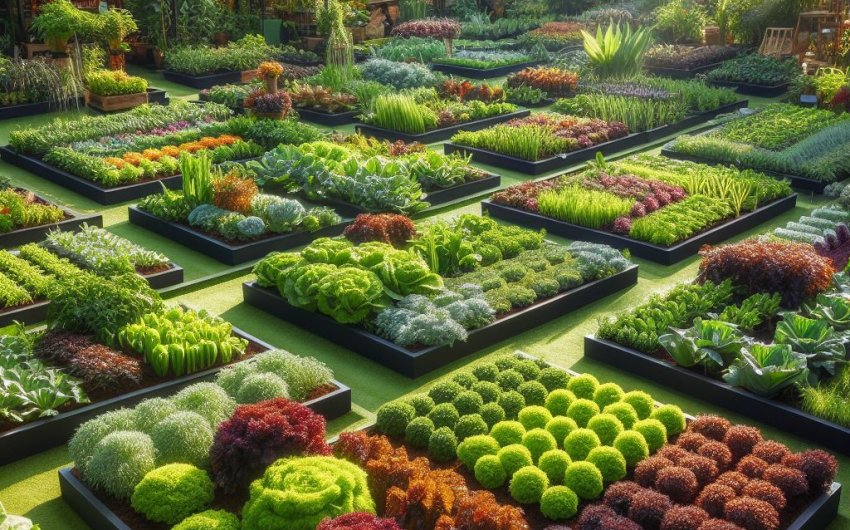
Yes, designing your dream garden starts with exploring various inspiring vegetable garden layouts that align with your space, needs, and aesthetic preferences. A well-thought-out layout is the blueprint for success, transforming a patch of ground into a productive, beautiful, and accessible space that brings immense satisfaction. The right design maximizes yields and makes gardening a joy rather than a chore.
What is the First Step to Designing Your Dream Garden?
The absolute first and most critical step to designing your dream garden is a thorough and honest site analysis, also known as observing your space. Before you even think about specific vegetable garden layouts or what plants to grow, you need to understand the unique characteristics of your backyard. This foundational assessment will dictate what's truly possible and how your garden will thrive.
Here’s what a comprehensive site analysis involves:
- Sunlight Mapping (The Most Crucial Factor):
- Observation: Spend a full day (or several days across different seasons) observing how sunlight hits your potential garden area. Note where the sun is at different times of the day (morning, midday, afternoon).
- Shadows: Identify shadows cast by trees, fences, buildings, or even your own house. Remember that these shadows will shift with the seasons (lower winter sun casts longer shadows).
- Requirement: Most vegetables, especially fruiting ones like tomatoes, peppers, and squash, need at least 6-8 hours of direct, unobstructed sunlight per day. Leafy greens and root vegetables can tolerate a bit less.
- Mapping: Draw a simple sketch of your yard and mark sunny, partial sun, and shady spots.
- Water Access and Drainage:
- Water Source: Identify the closest and most convenient water source (faucet, rain barrel, well). How will you get water to your garden beds?
- Drainage Assessment: After a heavy rain, observe where water pools and where it drains quickly. Soggy spots indicate poor drainage, which can lead to root rot.
- Slope: Note any slopes or uneven terrain. This will influence bed design and irrigation.
- Wind Patterns:
- Dominant Winds: Observe the prevailing wind direction in your area. Strong winds can damage plants, dry out soil quickly, and make gardening unpleasant.
- Protection: Note if there are existing windbreaks (fences, hedges) or if you'll need to create them.
- Existing Soil Quality:
- Visual/Texture Test: Dig a small test hole. Is the soil sandy, heavy clay, or loamy? Look for organic matter, rocks, or debris.
- Soil Test: For the most accurate assessment, send a soil sample to your local agricultural extension office or use a home soil test kit. This will tell you the pH and nutrient levels, guiding your soil amendment plan.
- Access and Pathways:
- Consider how you will move around your garden, transport tools, and harvest. Plan for clear, comfortable pathways.
- Proximity to your home and kitchen is also a factor for convenience.
- Aesthetic and Existing Features:
- Note existing landscaping elements, focal points, or views you want to preserve or incorporate.
- Consider the overall style of your home and garden.
By thoroughly analyzing your site, you gain a deep understanding of your garden's potential and limitations, allowing you to choose inspiring vegetable garden layouts that truly lead to designing your dream garden rather than battling against nature.
What Are Some Popular Vegetable Garden Layout Styles?
Exploring the various popular vegetable garden layout styles is key to designing your dream garden, offering different approaches to organizing your plants, paths, and overall space. Each style has its own advantages in terms of productivity, aesthetics, and ease of maintenance, allowing you to choose the perfect fit for your needs and the characteristics of your backyard.
Here are some of the most inspiring and popular vegetable garden layout styles:
1. Traditional Row Gardening
This is what many people envision when they think of a vegetable garden.
- Description: Plants are grown in long, straight, parallel rows, often with pathways between rows.
- Pros:
- Familiar and Simple: Easy to understand and implement, especially for beginners.
- Easy to Cultivate: Ideal for using garden tools like hoes, cultivators, or even small tillers between rows.
- Good for Large Spaces: Efficient for growing large quantities of single crops.
- Cons:
- Space Inefficient: Often involves wide pathways, leading to less productive planting area.
- Soil Compaction: Walking between rows can lead to compacted soil in the pathways.
- Less Aesthetic: Can look less visually appealing than other styles.
- Best For: Large plots, machine cultivation, growing staple crops in bulk.
2. Raised Bed Gardening
A highly popular and versatile style that's a favorite for many.
- Description: Vegetables are grown in enclosed beds, typically 6-12 inches high, filled with a custom soil mix. Beds are usually 3-4 feet wide to allow access from both sides.
- Pros:
- Improved Soil Control: You create the ideal soil mix, overcoming poor native soil.
- Better Drainage: Excellent for areas with heavy clay or poor drainage.
- Warmer Soil: Soil warms up faster in spring, allowing for earlier planting.
- Reduced Weeds: Fewer weeds, as pathways are often mulched.
- Accessibility: Easier on the back and knees, as plants are elevated.
- Aesthetic: Looks neat, tidy, and can be very attractive.
- Cons:
- Initial Cost: Building and filling beds can be an initial investment.
- Dries Out Faster: Requires more frequent watering than in-ground beds.
- Best For: Almost any size garden, urban spaces, improving soil, accessibility. A set of cedar raised garden beds can last for years.
3. Square Foot Gardening (SFG)
An intensive planting method often used within raised beds.
- Description: A grid system where garden beds are divided into 1-foot x 1-foot squares. Each square is planted with a specific number of plants based on their mature size (e.g., 1 tomato per square, 4 lettuce per square, 16 radishes per square).
- Pros:
- Maximum Productivity: Extremely space-efficient, yields high harvests in a small area.
- Reduced Weeding: Plants grow densely, shading out weeds.
- Less Water/Fertilizer: Focused application of resources.
- Easy Planning: Simple to plan and manage.
- Cons:
- Requires Precise Spacing: Can feel restrictive if you prefer more natural planting.
- Requires Rich Soil: Best in raised beds with custom soil mix.
- Best For: Small spaces, beginners, maximizing yield in limited areas.
4. Potager (Kitchen Garden / Ornamental Edibles)
Blends edibles with ornamentals for beauty and function.
- Description: Focuses on aesthetic appeal as much as productivity. Vegetables, herbs, and flowers are interplanted in attractive patterns, often in formal geometric shapes or informal cottage garden styles.
- Pros:
- Beautiful and Productive: Creates a visually stunning garden that's also edible.
- Pest Control: Interplanting flowers can attract beneficial insects and deter pests.
- Continuous Interest: Offers beauty throughout the seasons.
- Cons:
- More Planning: Requires careful design to integrate aesthetics and function.
- Less Bulk Production: May not be ideal for growing large quantities of staple crops.
- Best For: Gardeners who want a beautiful, accessible, and productive space near their kitchen.
5. Vertical Gardening
Utilizes vertical space for growing.
- Description: Plants are grown upwards using trellises, arbors, stacked planters, hanging baskets, or wall-mounted systems.
- Pros:
- Extreme Space Saving: Ideal for balconies, patios, or small urban yards.
- Improved Air Circulation: Reduces disease risk.
- Easier Harvesting: Keeps plants off the ground.
- Cons:
- More Frequent Watering: Containers dry out quickly.
- Requires Sturdy Structures: Initial setup can be an investment.
- Best For: Limited space, challenging soil conditions, urban environments. A vertical garden tower is a popular vertical solution.
By exploring these inspiring vegetable garden layouts, you can begin the exciting process of designing your dream garden that's both productive and perfectly suited to your unique space.
How Do I Incorporate Paths and Accessibility in My Garden Layout?
Incorporating paths and ensuring good accessibility are crucial, often overlooked, elements when designing your dream garden. A thoughtful layout for pathways not only makes your garden functional and easy to maintain but also enhances its aesthetic appeal and prevents soil compaction. Good accessibility means you can comfortably reach every plant and enjoy your backyard bounty.
Here’s how to effectively incorporate paths and accessibility into your garden layout:
- Define Primary and Secondary Paths:
- Primary Paths: These are your main thoroughfares, where you'll walk most often, transport tools, or use a wheelbarrow. They should be wider and more durable.
- Secondary Paths: These are narrower paths within beds or between smaller planting areas, used for reaching individual plants.
- Determine Path Widths:
- Primary Paths: Aim for at least 2-3 feet (24-36 inches) wide. This allows comfortably walking with tools, or even maneuvering a wheelbarrow.
- Secondary Paths: Can be narrower, around 18-24 inches wide, just enough for easy foot traffic.
- Accessibility: If wheelchair access is needed, main paths should be at least 3 feet wide and firm.
- Choose Path Materials:
- Mulch (Wood Chips, Straw, Shredded Leaves):
- Pros: Inexpensive, natural, good for soil, comfortable to walk on, suppresses weeds.
- Cons: Needs replenishment, can be slippery when wet.
- Gravel/Crushed Stone:
- Pros: Good drainage, durable, relatively inexpensive, neat appearance.
- Cons: Can migrate, uncomfortable for bare feet, may get hot. A bag of decorative pea gravel can look great.
- Pavers/Stepping Stones:
- Pros: Very durable, clean, aesthetic, easy to walk on.
- Cons: More expensive, requires more labor for installation.
- Grass:
- Pros: Natural, soft.
- Cons: Requires mowing, can get muddy, susceptible to compaction.
- Mulch (Wood Chips, Straw, Shredded Leaves):
- Consider Layout Flow:
- Logical Routes: Paths should logically connect different parts of your garden, leading you efficiently from one area to another.
- Avoid Dead Ends: Design paths that encourage movement and exploration.
- Curves vs. Straight Lines:
- Straight Paths: Often more efficient for traditional row gardens or formal layouts.
- Curved Paths: Add visual interest, soften edges, and can create a more organic feel, perfect for a potager or naturalistic garden.
- Raised Beds for Enhanced Accessibility:
- If using raised garden beds, ensure their width (typically 3-4 feet) allows you to reach the center comfortably from either side without stepping into the bed.
- Higher beds (18-24 inches) are ideal for minimizing bending for gardeners with mobility challenges.
- Edge Definition:
- Define your paths clearly from your planting areas using edging materials (wood, stone, metal) or simply a clean line. This prevents soil from spilling onto paths and keeps the garden looking tidy. A flexible garden edging kit can help create neat lines.
- Focal Points and Seating:
- Consider where paths might lead to a focal point (e.g., a bird bath, a small tree, a sculpture) or a comfortable seating area, inviting you to pause and enjoy your garden.
By thoughtfully integrating paths and accessibility, you ensure your vegetable garden layouts are not just productive but also a joy to navigate, enhancing the experience of designing your dream garden and enjoying your backyard bounty.
How Can I Optimize Sunlight in My Vegetable Garden Layout?
Optimizing sunlight in your vegetable garden layout is one of the most critical aspects of designing your dream garden, directly impacting plant growth, yield, and overall success. Since most vegetables are sun-hungry, ensuring they receive adequate, unobstructed light is paramount for a flourishing garden and abundant backyard bounty. Smart planning can make the most of every ray.
Here’s how to effectively optimize sunlight in your vegetable garden layout:
- Conduct a Thorough Sunlight Assessment:
- Map Shadows: As discussed in the first step, spend a full day (and preferably across seasons) observing how sunlight falls on your garden space. Draw a map and mark areas of full sun (6-8+ hours), partial sun (3-6 hours), and full shade (less than 3 hours).
- Seasonal Changes: Remember that sun angles and shadow lengths change significantly between summer and winter. Plan for the growing season.
- Place Sun-Loving Plants Strategically:
- Fruiting Vegetables First: Prioritize the sunniest spots for vegetables that need the most light to produce fruit:
- Tomatoes
- Peppers (bell, chili)
- Eggplant
- Cucumbers
- Squash (summer, winter, melons)
- Corn
- Beans
- Least Sun-Demanding: Leafy greens (lettuce, spinach, kale) and many root vegetables (carrots, radishes, beets) can tolerate partial shade, especially in the afternoon. Plant these in slightly less sunny spots or where they might receive some afternoon shade.
- Fruiting Vegetables First: Prioritize the sunniest spots for vegetables that need the most light to produce fruit:
- "Tallest Plants to the North" Rule:
- Prevent Shading: As a general rule, position your tallest plants (or support structures for vining plants) on the north side of your garden beds. This ensures they don't cast shadows over shorter plants to their south, allowing all plants to receive maximum sunlight throughout the day.
- Examples: Corn, sunflowers, pole beans on trellises, staked indeterminate tomatoes.
- Consider Orientation of Rows/Beds:
- North-South Orientation: For traditional row gardens, orienting rows in a north-south direction can allow sunlight to hit both sides of the rows more evenly throughout the day, especially for taller crops.
- East-West for Low Crops: For very low-growing crops, an east-west orientation can maximize morning sun exposure across the bed.
- Utilize Vertical Gardening Techniques:
- Grow Upwards: For vining plants, use trellises, cages, or arbors to train them vertically. This lifts them off the ground into better sunlight and prevents them from sprawling and shading neighboring plants. A heavy-duty garden trellis is essential for tomatoes and cucumbers.
- Stacked/Pocket Planters: Can be useful for optimizing sun exposure on walls or fences, but be mindful of shading lower plants.
- Prune Trees and Shrubs (if possible):
- If existing trees or shrubs are casting unwanted shade on your prime garden spot, consider judiciously pruning lower branches to allow more sunlight to penetrate. Always consult an arborist for significant tree pruning.
- Reflective Surfaces (Minor Boost):
- In areas with slightly less light, a white fence or wall can reflect some sunlight back onto plants, providing a minor boost.
By meticulously planning your layout with sunlight as the primary guide, you create an environment where your vegetables thrive, guaranteeing a truly flourishing garden and a fantastic backyard bounty.
How Can Companion Planting Enhance My Garden Layout?
Companion planting is an ingenious and natural strategy that can significantly enhance your garden layout, making it more vibrant, resilient, and productive. Instead of merely separating plants, this technique involves strategically placing different species near each other to create mutually beneficial relationships. It's a key element in designing your dream garden that works with nature to boost your backyard bounty.
Here’s how companion planting can enhance your garden layout:
- Natural Pest Deterrence:
- Scent Confusion: Many aromatic herbs and flowers release strong scents that can confuse or repel common garden pests, preventing them from locating susceptible vegetable crops.
- Examples: Marigolds (deter nematodes, some insects), Nasturtiums (trap crops for aphids), Onions/Garlic (deter carrot rust fly, aphids, spider mites), Basil (repels flies/mosquitoes, thought to deter tomato hornworms).
- Barrier Effect: Taller, denser companions can create physical barriers.
- Scent Confusion: Many aromatic herbs and flowers release strong scents that can confuse or repel common garden pests, preventing them from locating susceptible vegetable crops.
- Attracting Beneficial Insects:
- Pollinators: Planting nectar-rich flowers (e.g., borage, cosmos, zinnias, dill, cilantro allowed to flower) within or around your vegetable beds attracts bees and butterflies, ensuring better pollination for fruiting vegetables like tomatoes, squash, and beans.
- Predators: Many small-flowered herbs and flowers attract predatory insects like ladybugs (eat aphids), lacewings (eat aphids, mites), and parasitic wasps (parasitize caterpillars), which naturally control pest populations. A pollinator seed mix can be very effective.
- Improved Plant Growth and Flavor:
- While some claims are anecdotal, many gardeners observe improved growth and even enhanced flavor in certain plant pairings.
- Examples: Basil is often said to improve the flavor of tomatoes; Borage is thought to benefit tomatoes and strawberries.
- Nutrient Cycling: Some plants, particularly legumes (beans, peas, clover), can fix nitrogen from the air into the soil, benefiting nearby heavy feeders.
- While some claims are anecdotal, many gardeners observe improved growth and even enhanced flavor in certain plant pairings.
- Weed Suppression:
- Groundcovers: Low-growing companion plants or a dense planting strategy can shade out the soil, preventing weed seeds from germinating and reducing competition for resources.
- Shade and Support:
- Shade: Taller plants can provide natural shade for more sun-sensitive crops (like lettuce or spinach) during the hottest part of the day in summer.
- Support: Sturdy plants (like corn) can act as natural trellises for vining crops (like pole beans in the "Three Sisters" method).
- Soil Improvement:
- Root Structure: Different root systems (deep vs. shallow) can improve overall soil aeration and structure.
- Bioaccumulators: Some plants (like comfrey) are "dynamic accumulators," drawing up nutrients from deep in the soil and making them available in their leaves, which can then be used as a chop-and-drop mulch.
Examples of Good Companion Plantings for Your Layout:
- Tomatoes: Basil, marigolds, carrots, onions, nasturtiums, borage.
- Carrots: Rosemary, sage, lettuce, onions (repel rust fly).
- Cabbage Family (Broccoli, Kale, Cabbage): Dill, rosemary, thyme, chamomile, onions (deter cabbage worms).
- Cucumbers: Corn, beans (in a Three Sisters setup), dill, nasturtiums, marigolds.
- Lettuce/Greens: Carrots, radishes, cilantro, mint (in a container), calendula.
Examples of Plants to Keep Apart:
- Beans/Peas: Avoid planting near onions, garlic, chives, or fennel, which can stunt their growth.
- Cabbage Family: Avoid planting near strawberries or pole beans.
By strategically integrating companion planting into your vegetable garden layouts, you cultivate a more resilient, vibrant, and productive space, actively contributing to designing your dream garden and enhancing your overall backyard bounty.