
Harmony in Nature: Exploring Permaculture Vegetable Gardening
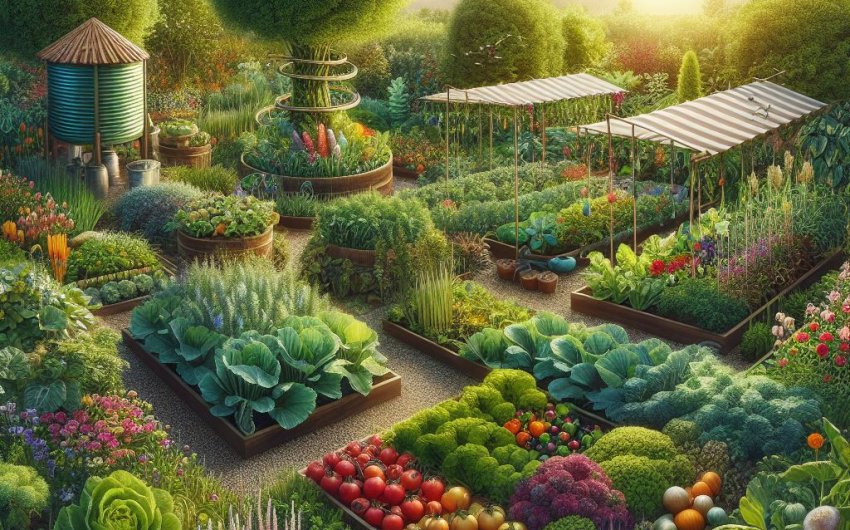
Yes, exploring permaculture vegetable gardening is fundamentally about finding harmony in nature, aiming to create self-sustaining and productive food systems that mimic natural ecosystems. This holistic design philosophy goes far beyond simply growing food, emphasizing observation, thoughtful design, and minimal intervention to build resilient and thriving edible landscapes. It's a journey towards working with nature, not against it.
What Exactly is Permaculture Vegetable Gardening?
Permaculture vegetable gardening is not just a set of gardening techniques; it's a holistic design philosophy for creating sustainable, self-sufficient, and regenerative food-producing systems. At its heart, permaculture (a blend of "permanent agriculture" and "permanent culture") seeks to mimic the patterns and relationships found in natural ecosystems. For vegetable gardening, this means moving beyond annual tilling and replanting to build a long-term, harmonious system.
Here's what exactly defines permaculture vegetable gardening:
- Mimicking Natural Ecosystems: Instead of monocultures (large plots of a single crop), permaculture gardens strive for biodiversity and stacked functions, planting many different species together in layers, just like a forest. This creates a more stable and resilient environment.
- Three Core Ethics: Permaculture is guided by three ethical principles:
- Earth Care: Protecting and regenerating natural systems.
- People Care: Promoting self-reliance and community well-being.
- Fair Share: Distributing surplus fairly.
- Design Principles: Permaculture gardening applies a set of design principles derived from observing nature:
- Observe and Interact: Spend time understanding your land and its unique characteristics before you act.
- Catch and Store Energy: Utilize natural resources efficiently, like rainwater and sunlight.
- Obtain a Yield: Ensure the system produces food, fiber, or energy for human needs.
- Apply Self-Regulation & Accept Feedback: Learn from successes and failures.
- Use & Value Renewable Resources: Minimize reliance on non-renewable inputs.
- Produce No Waste: View "waste" as a resource for another part of the system.
- Design from Patterns to Details: Start with big picture layout, then refine.
- Integrate Rather than Segregate: Place elements so they interact beneficially.
- Use Small and Slow Solutions: Focus on manageable, gentle changes.
- Use and Value Diversity: Create diverse plant and animal communities.
- Use Edges and Value the Marginal: Recognize that the most productive areas are often where two systems meet (e.g., forest edge).
- Creatively Use and Respond to Change: Adapt to evolving conditions.
- Emphasis on Perennials: While annual vegetables are included, there's a strong emphasis on perennial vegetables, herbs, and fruit trees that come back year after year, reducing the need for annual planting and soil disturbance.
- Building Soil Health: Permaculture prioritizes building living, healthy soil through composting, mulching, and minimizing tillage, recognizing that healthy soil is the foundation of a resilient system.
- Water Management: Efficiently capturing, storing, and using water is a core component, often involving swales, rain gardens, and smart irrigation.
In essence, permaculture vegetable gardening is about designing an intelligent, low-maintenance, and abundant food system that works in harmony in nature, ultimately producing a lasting yield while improving the environment.
What Are the Key Principles of Permaculture for Vegetable Gardens?
Applying the key principles of permaculture to vegetable gardens is what truly allows them to flourish in harmony in nature. These aren't just suggestions, but foundational guidelines derived from observing resilient natural ecosystems. By integrating these principles into your garden design and management, you can create a more productive, sustainable, and less labor-intensive food system.
Here are the key principles of permaculture particularly relevant to vegetable gardens:
- Observe and Interact:
- Application: Before planting, spend time in your garden throughout the seasons. Observe sunlight patterns (shade from trees, fences), wind directions, water flow (where does rain collect or run off?), and existing soil conditions. Understand your microclimates. This informs intelligent placement.
- Catch and Store Energy:
- Application: Think about natural resources. Use rain barrels to catch rainwater for irrigation. Design garden beds to capture sunlight efficiently. Utilize passive solar principles for season extension. Capture energy in the form of biomass (compost, mulch).
- Obtain a Yield:
- Application: The garden must produce food! This ensures the system is serving its purpose for human needs. Focus on diverse, edible outputs.
- Apply Self-Regulation & Accept Feedback:
- Application: Don't be afraid to adjust. If something isn't working, observe why, learn from it, and modify your design. Notice if pests are drawn to one area, or if a plant is struggling, and understand the feedback the garden is giving you.
- Use & Value Renewable Resources & Services:
- Application: Prioritize compost over synthetic fertilizers. Collect rainwater over municipal water. Encourage beneficial insects (pollinators, pest predators) instead of relying on pesticides. Choose plants suited to your climate to reduce water/energy needs.
- Produce No Waste:
- Application: Everything is a resource. Compost kitchen scraps and garden debris. Use fallen leaves as mulch. Pruned branches can become supports. Avoid single-use plastics where possible.
- Design from Patterns to Details:
- Application: Start with the overall layout of zones and pathways. Then, fill in specific plant choices and small details. Think about how major elements (sun, water, shelter) flow through the design.
- Integrate Rather than Segregate:
- Application: This is polyculture (growing many things together). Use companion planting extensively (e.g., basil near tomatoes, marigolds to deter pests). Interplant flowers with vegetables to attract pollinators and beneficial insects. Combine trees, shrubs, and groundcovers.
- Use Small and Slow Solutions:
- Application: Start with a small area, learn, and expand. Build soil health gradually over time with consistent mulching and composting, rather than drastic, quick fixes.
- Use and Value Diversity:
- Application: Grow a wide variety of vegetables, herbs, and fruits. Incorporate perennial edible plants alongside annuals. This creates a more resilient system, as diverse plants are less susceptible to a single pest or disease outbreak.
- Use Edges and Value the Marginal:
- Application: The "edge effect" is where two ecosystems meet and often have the highest biodiversity. Design curved beds or pathways. Plant at the edges of trellises, fences, or garden beds where conditions might be unique.
- Creatively Use and Respond to Change:
- Application: Climate change, unexpected weather, or pest outbreaks will happen. Be adaptable, find creative solutions, and embrace evolution in your garden design.
By actively implementing these permaculture principles, you can transform a traditional vegetable patch into a dynamic, resilient, and thriving ecosystem that produces abundant food while working in true harmony in nature.
What Does a Permaculture Vegetable Garden Look Like?
A permaculture vegetable garden often looks quite different from the neat, linear rows of a conventional garden, embodying a wilder, more layered, and interconnected aesthetic. Instead of stark separation, you'll see a vibrant tapestry of plants interacting, blurring the lines between ornamental, edible, and functional. It's a garden designed to reflect harmony in nature, where every element serves multiple purposes.
Here’s what a permaculture vegetable garden typically looks like:
- Layered and Dense Planting (Guilds):
- Instead of single rows, you'll see plants growing in multi-layered "guilds" or polycultures. This means trees (fruit/nut) as the tallest layer, surrounded by shrubs (berries, dwarf fruit), then herbaceous plants (perennial vegetables, herbs, flowers), groundcovers, and root crops, all chosen to support each other.
- For example, a fruit tree might be underplanted with nitrogen-fixing clover, pest-repelling marigolds, and dynamic accumulators like comfrey.
- Emphasis on Perennials:
- While annual vegetables are definitely present, there's a strong visual presence of perennial edible plants that return year after year, contributing to stability and reducing the need for replanting. Think asparagus, rhubarb, berry bushes, and perennial herbs interwoven with annuals.
- No Bare Soil:
- Bare soil is minimized or eliminated. Instead, you'll see thick layers of mulch (wood chips, straw, leaves) covering the ground. This conserves moisture, suppresses weeds, regulates soil temperature, and slowly builds soil health.
- Integrated Water Features:
- You might see swales (ditches on contour that slow and spread water), rain gardens, or rain barrels integrated into the design, collecting and efficiently distributing water throughout the landscape.
- Winding Paths and Edges:
- Instead of straight lines, paths might be curved or winding, maximizing the "edge effect" – the highly productive areas where different systems meet. Beds themselves might be irregularly shaped.
- Compost Piles and Worm Bins:
- Composting systems are often visibly integrated into the garden, embodying the "produce no waste" principle.
- Diversity of Plants and Pollinators:
- A wide array of vegetable varieties, herbs, flowers (many of them edible or beneficial), and even native plants are grown together. This visual diversity attracts a wide range of pollinators and beneficial insects, which contribute to pest control and overall ecosystem health.
- Mimics Natural Aesthetics:
- The overall aesthetic is often a bit wilder, more organic, and less manicured than a traditional garden, but still thoughtfully designed. It has a natural abundance, a look of effortless productivity, achieved through intelligent planning.
- Less Tilling:
- Evidence of minimal tillage or no-dig gardening is typically present, with raised beds or permanent planting areas that are built up over time rather than regularly disturbed.
A permaculture vegetable garden is a dynamic, living system that, through its appearance, speaks of resilience, diversity, and a deep appreciation for harmony in nature, making it a truly productive and beautiful space.
What Are the Benefits of Permaculture Vegetable Gardening?
Adopting permaculture vegetable gardening principles brings a profound array of benefits that go far beyond just a successful harvest, enriching both the garden and the gardener. These advantages stem from working in harmony in nature, creating a system that is not only productive but also resilient, sustainable, and less demanding over time. The positive impacts are often long-lasting and far-reaching.
Here are the key benefits of permaculture vegetable gardening:
- Reduced Work and Maintenance (Over Time):
- Less Weeding: Thick layers of mulch suppress weeds significantly, reducing the need for manual weeding.
- Less Watering: Mulch conserves soil moisture, and efficient water harvesting systems minimize reliance on outside irrigation.
- Less Fertilizing: Healthy, living soil rich in organic matter and supported by nitrogen-fixing plants and compost reduces the need for synthetic fertilizers.
- Less Pest Control: Biodiverse planting, companion planting, and attracting beneficial insects create a natural pest control system.
- More Perennials: Relying on perennial edibles means less annual planting.
- Increased Yield and Diversity:
- Stacked Functions: By maximizing vertical, horizontal, and temporal space, you can grow more food in a smaller area.
- Polycultures: Growing many different plants together (polyculture) often leads to higher overall yields than monocultures, as plants support each other.
- Varied Produce: You'll harvest a wider array of vegetables, fruits, and herbs throughout the season.
- Improved Soil Health:
- No-Till Practices: Minimizing soil disturbance (no-till) preserves soil structure, fungal networks, and beneficial microorganisms.
- Organic Matter Building: Constant mulching, composting, and planting cover crops continually enrich the soil, building fertility and humus.
- Water Retention: Healthy, organic-rich soil holds water more efficiently, reducing runoff and irrigation needs.
- Enhanced Biodiversity:
- Attracting Wildlife: Diverse plantings attract a wide range of beneficial insects (pollinators, pest predators), birds, and other small wildlife, creating a balanced and resilient ecosystem.
- Genetic Diversity: Growing many heirloom and diverse varieties preserves plant genetics.
- Water Conservation:
- Rainwater Harvesting: Utilizing rain barrels, swales, and rain gardens captures and stores precious water.
- Reduced Evaporation: Mulching dramatically reduces evaporation from the soil surface.
- Efficient Use: Water is used more intelligently where it's needed.
- Pest and Disease Resilience:
- Natural Control: Diversity makes it harder for specific pests or diseases to take hold and spread rapidly. Healthy plants are also more resistant.
- Beneficials: Attracting natural predators helps keep pest populations in check.
- Sustainability and Environmental Impact:
- Reduced Inputs: Less reliance on external inputs like synthetic fertilizers, pesticides, and municipal water.
- Carbon Sequestration: Healthy soil sequesters carbon.
- Local Food Security: Contributes to a more localized, resilient food system.
- Increased Enjoyment and Connection:
- Observational Learning: Deepens your understanding and connection to natural cycles.
- Abundant Fresh Food: Provides a continuous supply of delicious, healthy produce.
- Peace of Mind: Knowing your garden is a thriving, self-regulating ecosystem brings immense satisfaction.
By adopting permaculture vegetable gardening, you cultivate a system that gives back more than it takes, creating lasting abundance and a profound harmony in nature that benefits both your table and the planet.
What Are the Key Components of a Permaculture Vegetable Garden?
Building a permaculture vegetable garden involves integrating several key components that work together synergistically to create a self-sustaining and productive ecosystem, reflecting a true harmony in nature. These components are strategically placed and managed to maximize efficiency, minimize waste, and enhance biodiversity, forming a resilient and abundant food system.
Here are the key components typically found in a permaculture vegetable garden:
- Zones of Use (Zoning):
- Concept: Organizing the garden based on how frequently you interact with different areas.
- Application:
- Zone 1 (Closest to Home): Most frequently visited plants (herbs for cooking, daily salad greens, plants needing daily attention).
- Zone 2 (Next Closest): Less frequent visits (main annual vegetables, berry bushes, small fruit trees).
- Zone 3 (Outer Areas): Less intensive crops (staple crops, orchard trees, livestock forage, areas for chopping wood).
- Zone 4/5 (Wilder Areas): Polycultures, native plants, wild foraging, areas for larger animals.
- Benefit: Reduces travel time and effort, ensures high-value crops are accessible.
- Water Management Systems:
- Rainwater Harvesting: Rain barrels connected to downspouts, or larger cisterns, to collect water for irrigation. A rain barrel system is a great start.
- Swales and Rain Gardens: Earthworks designed to slow, sink, and spread rainwater across the landscape, recharging groundwater and irrigating plants passively.
- Greywater Systems: (Advanced) Reusing treated wastewater from sinks or showers for irrigation (check local regulations).
- Mulching: Crucial for retaining soil moisture and reducing evaporation.
- Living Soil and Mulch Systems:
- Compost Piles/Bins: On-site composting of kitchen scraps and garden waste to create nutrient-rich soil amendments. A compost tumbler can make this easier.
- Worm Bins (Vermicomposting): Using worms to break down organic waste into nutrient-rich vermicompost.
- Thick Mulch Layers: Applying generous layers of organic materials (wood chips, straw, leaves, shredded cardboard) on beds to suppress weeds, retain moisture, build soil, and feed microorganisms.
- No-Till/Minimum Tillage: Minimizing soil disturbance to preserve soil structure and microbial life.
- Polycultures and Guilds (Biodiverse Plantings):
- Companion Planting: Intentionally planting compatible plants together for mutual benefit (pest deterrence, attracting beneficials, nutrient sharing).
- Plant Guilds: A group of plants (tree, shrub, herb, groundcover, vine) that support each other to build a miniature ecosystem around a central element, usually a fruit or nut tree.
- Nitrogen Fixers: Incorporating plants (legumes like clover, peas, beans, or specific trees/shrubs) that capture atmospheric nitrogen and make it available in the soil.
- Perennial Edibles:
- Long-Term Yields: Integrating more perennial vegetables (asparagus, rhubarb, artichokes), fruit trees, berry bushes, and perennial herbs that return year after year, reducing annual effort.
- Beneficial Insect and Wildlife Habitats:
- Insectary Plants: Including flowers that attract pollinators (bees, butterflies) and predatory insects (ladybugs, lacewings, parasitic wasps) for natural pest control.
- Water Sources: Bird baths or small ponds to attract wildlife.
- Shelter: Rock piles or log piles for beneficial creatures.
- Vertical Elements:
- Trellises/Arbors: Utilizing vertical space for vining vegetables (cucumbers, pole beans, tomatoes).
- Living Walls/Stacked Planters: For growing herbs and leafy greens in limited space.
By weaving these components together with thoughtful design, a permaculture vegetable garden truly functions as a resilient, productive, and beautiful ecosystem, embodying harmony in nature and providing continuous backyard bounty.
How Do I Transition My Traditional Garden to Permaculture?
Transitioning a traditional garden to permaculture is a gradual and organic process, focusing on observation and incremental changes rather than an abrupt overhaul. It's about slowly shifting your mindset and practices to align with harmony in nature, transforming your vegetable patch into a more self-sustaining and resilient ecosystem over time. This journey requires patience, observation, and a willingness to learn from your land.
Here’s a step-by-step guide on how to transition your traditional garden to permaculture:
- Observe Your Current Garden (The First Principle):
- Spend Time: Before making any major changes, observe your existing garden for a full season, or at least a few weeks.
- Map It:
- Where are the sunny and shady spots throughout the day?
- Where does water naturally collect or drain?
- What pests or diseases are prevalent?
- What weeds grow there naturally (they indicate soil conditions)?
- Where do you spend the most time? Which areas are neglected?
- Understand Patterns: Identify existing patterns of sun, wind, water, and growth. This observation is your baseline for design.
- Start Small and Incrementally:
- Choose a Section: Don't try to convert your entire garden at once. Pick a small bed, a corner, or even just one row to experiment with permaculture principles.
- Learn and Expand: As you learn what works in your specific context, you can gradually expand to other areas.
- Implement No-Dig or Minimum Tillage:
- Build Soil: Stop tilling the soil. Instead, focus on building soil fertility from the top down.
- Layering: Apply layers of organic matter (compost, leaves, straw, aged manure) directly onto your existing soil. This feeds the soil microbes and earthworms, who do the "tilling" for you.
- Benefit: Improves soil structure, retains moisture, and reduces weed seeds brought to the surface.
- Embrace Mulch:
- Cover Bare Soil: This is a cornerstone of permaculture. Cover all bare soil surfaces with a thick layer (2-4 inches) of organic mulch (wood chips, straw, shredded leaves, finished compost).
- Benefits: Suppresses weeds, conserves moisture, moderates soil temperature, and slowly adds organic matter as it breaks down.
- Integrate Perennial Edibles:
- Reduce Annual Work: Start incorporating more perennial vegetables (asparagus, rhubarb, artichokes), perennial herbs (rosemary, thyme, oregano), and berry bushes.
- Long-Term Yield: These plants provide consistent yields year after year with less replanting effort.
- Introduce Polycultures and Companion Planting:
- Mix It Up: Instead of planting single rows of one crop, begin interplanting different vegetables, herbs, and beneficial flowers together.
- Form Guilds: Even around existing trees, you can start building mini-guilds (e.g., comfrey and chives around a small fruit tree).
- Benefit: Enhances biodiversity, deters pests, and attracts beneficial insects.
- Optimize Water Management:
- Rain Barrels: Install rain barrels to capture rainwater.
- Passive Irrigation: Observe how water moves in your garden. Can you create small berms or swales to direct water to thirsty plants?
- Drip Irrigation: Consider efficient drip irrigation systems to deliver water directly to plant roots.
- Welcome Wildlife (Beneficials):
- Insectary Plants: Plant flowers that attract pollinators (bees, butterflies) and natural predators (ladybugs, lacewings).
- Water Sources: Add a small bird bath or a shallow dish for beneficial insects.
- Shelter: Leave small brush piles or rock formations for frogs, lizards, and beneficial insects.
- Compost On-Site:
- Set up a simple compost pile or bin to cycle kitchen and garden waste back into the soil. A basic compost bin can make a big difference.
The transition to permaculture is a continuous process of observation, learning, and adaptation. By implementing these steps over time, your traditional garden will gradually evolve into a resilient, abundant, and low-maintenance food system that works in genuine harmony in nature.
What Are Common Permaculture Techniques for Vegetable Gardens?
To bring a permaculture vegetable garden to life and achieve true harmony in nature, various practical techniques are employed. These methods are designed to build fertility, conserve resources, manage pests naturally, and create a resilient food-producing ecosystem. They often contrast with conventional gardening practices, favoring long-term ecological balance over short-term interventions.
Here are common permaculture techniques used in vegetable gardens:
- No-Dig / Lasagna Gardening:
- Technique: Instead of tilling, garden beds are created by layering organic materials (cardboard, newspapers, compost, leaves, straw, aged manure) directly onto the existing ground.
- Benefit: Builds rich, fertile soil over time, improves drainage, suppresses weeds, and preserves soil structure and microbial life. Less physical labor than double-digging.
- Application: Can be used for creating new beds or enriching existing ones.
- Mulching:
- Technique: Applying a thick layer (2-4 inches) of organic material (wood chips, straw, leaves, compost) over the soil surface.
- Benefit: The "holy grail" of permaculture. Suppresses weeds, conserves soil moisture, moderates soil temperature, prevents erosion, and slowly breaks down to feed the soil.
- Application: All exposed soil should be mulched.
- Composting and Vermicomposting:
- Technique: Recycling kitchen scraps and garden waste back into nutrient-rich soil amendments. Vermicomposting uses worms to do this efficiently.
- Benefit: Turns "waste" into a valuable resource, builds soil fertility, reduces reliance on external fertilizers, and closes nutrient loops.
- Application: Maintain an active compost pile or worm bin as part of your garden.
- Polycultures and Companion Planting:
- Technique: Growing multiple different species together in the same bed, rather than monocultures. Companion planting is the specific arrangement of plants for mutual benefit.
- Benefit: Increases biodiversity, deters pests (by scent confusion or attracting predators), attracts pollinators, optimizes space, and can improve plant health or flavor.
- Application: Mix herbs, flowers, and different vegetables within the same bed.
- Plant Guilds:
- Technique: A specific type of polyculture where a group of plants are chosen to interact beneficially around a central element (often a fruit tree). Guild members provide pest deterrence, attract beneficials, fix nitrogen, or accumulate nutrients.
- Benefit: Creates a mini-ecosystem that is largely self-sustaining.
- Application: Research common fruit tree guilds (e.g., apple tree with comfrey, chives, nasturtiums, clover).
- Nitrogen Fixers:
- Technique: Incorporating plants (usually legumes like clover, peas, beans) that form a symbiotic relationship with soil bacteria to convert atmospheric nitrogen into a form plants can use.
- Benefit: Naturally fertilizes the soil, reducing the need for nitrogen-rich inputs.
- Application: Plant nitrogen fixers as cover crops, interplant them with heavy feeders, or incorporate perennial nitrogen-fixing shrubs/trees.
- Rainwater Harvesting and Passive Irrigation:
- Technique: Collecting rainwater (in barrels or cisterns) and designing the landscape (swales, berms, rain gardens) to slow, spread, and sink water into the soil, rather than letting it run off.
- Benefit: Conserves water, reduces reliance on external water sources, and mitigates erosion.
- Application: Strategically place rain barrels and shape your garden beds.
- Vertical Gardening:
- Technique: Utilizing vertical space for growing plants using trellises, arbors, living walls, or stacked planters.
- Benefit: Maximizes yield in small spaces, improves air circulation, and keeps plants off the ground.
- Application: Grow vining crops, herbs, and leafy greens upwards.
- Succession Planting and Extended Harvests:
- Technique: Staggering plantings of quick-growing crops every few weeks to ensure a continuous harvest. Using season extension tools (cold frames, row covers).
- Benefit: Maximizes overall yield throughout the growing season and extends fresh produce availability.
By actively integrating these permaculture techniques, you can transform your vegetable garden into a truly dynamic, resilient, and abundant food system, reflecting a genuine harmony in nature.
How Can Permaculture Help With Pest and Disease Control in Vegetable Gardens?
Permaculture offers a fundamentally different and highly effective approach to pest and disease control in vegetable gardens, shifting away from reactive chemical interventions towards proactive, holistic strategies that foster harmony in nature. By creating resilient and biodiverse ecosystems, permaculture aims to prevent outbreaks rather than just treat symptoms, ensuring your vegetable garden thrives with minimal human intervention.
Here’s how permaculture helps with pest and disease control:
- Biodiversity is the Key Defense:
- Polycultures vs. Monocultures: Instead of vast monocultures (single crops) that are a buffet for specific pests, permaculture promotes polycultures – diverse plantings of many different vegetables, herbs, and flowers together.
- Benefit: This diversity confuses pests, making it harder for them to locate their preferred host plants, and slows the spread of diseases. It dilutes the "signal" for pests.
- Attracting Beneficial Insects and Predators:
- Natural Pest Control: Permaculture designs deliberately include insectary plants (flowers that provide nectar and pollen for beneficial insects). These attract a wide array of natural predators (like ladybugs, lacewings, parasitic wasps, hoverflies) that prey on common garden pests (aphids, mites, caterpillars).
- Habitat: Providing diverse habitats (e.g., small ponds for frogs, rock piles for lizards, native flowers) creates a welcoming environment for these natural allies.
- Application: Plant dill, cilantro, fennel, yarrow, calendula, marigolds, and other small-flowered plants amongst your vegetables.
- Healthy, Living Soil:
- Resilient Plants: Permaculture prioritizes building deep, rich, living soil through composting, mulching, and no-till practices. Healthy soil with a robust microbiome directly leads to healthy, vigorous plants.
- Disease Resistance: Strong, unstressed plants are inherently more resistant to pests and diseases, able to fend off attacks or recover more quickly.
- Application: Continuous mulching and feeding the soil with compost.
- Companion Planting:
- Scent Confusion: Certain plants emit odors that deter specific pests (e.g., onions near carrots repel carrot rust fly, marigolds deter nematodes).
- Trap Cropping: Planting a sacrificial crop that pests prefer to draw them away from your main crops.
- Application: Research specific beneficial pairings for the vegetables you grow.
- Improved Air Circulation:
- Disease Prevention: Permaculture encourages proper plant spacing, pruning for openness, and using vertical structures.
- Benefit: Good airflow reduces humidity around foliage, which is a prime factor in the development and spread of fungal diseases like powdery mildew and blight.
- Crop Rotation:
- Breaks Disease Cycles: By not planting the same vegetable family in the exact same spot year after year, you interrupt the life cycles of soil-borne pests and diseases.
- Application: Plan your garden layout with a multi-year rotation strategy.
- Observation and Early Intervention:
- Daily Monitoring: Permaculture emphasizes diligent observation. Regular walks through the garden allow you to spot pest or disease issues when they are small and easily manageable, often with simple organic interventions (hand-picking, a strong spray of water) before they become major problems.
- Resilience through Diversity:
- If one crop succumbs to a pest or disease, the diversity of the permaculture system means you haven't lost your entire harvest. Other crops will continue to produce, providing a natural buffer against failure.
By integrating these strategies, permaculture transforms pest and disease control from a constant battle into a natural, self-regulating process, allowing your vegetable garden to thrive in true harmony in nature.
How Does Permaculture Promote Sustainable Water Management in Vegetable Gardens?
Permaculture actively promotes sustainable water management in vegetable gardens, recognizing water as a precious and finite resource. It shifts away from wasteful irrigation practices towards intelligent design principles that aim to efficiently capture, store, and utilize water, working in harmony in nature to ensure lush and productive growth with minimal external inputs. This focus on water efficiency is vital, especially in a changing climate.
Here’s how permaculture promotes sustainable water management in vegetable gardens:
- Catch and Store Rainwater:
- Rain Barrels: Connecting rain barrels to downspouts from roofs is a primary method to collect free, high-quality rainwater, which is ideal for plants as it's naturally soft and chlorine-free.
- Cisterns: For larger needs, cisterns can store significant volumes of water.
- Benefit: Reduces reliance on municipal or well water, conserves resources, and lowers water bills.
- Slow, Spread, and Sink Water into the Landscape (Earthworks):
- Swales: These are shallow ditches dug along contour lines (level lines) across a slope. They catch rainwater runoff, slowing its flow and allowing it to soak deeply into the soil rather than eroding away. Plants are often planted on the downhill side of the berm created by the swale.
- Rain Gardens: Strategically placed depressions designed to collect rainwater runoff from roofs, driveways, and other impervious surfaces, allowing it to percolate into the ground while supporting water-tolerant plants.
- Benefit: Recharges groundwater, passively irrigates plants, prevents erosion, and creates resilient microclimates.
- Thick Mulch Layers:
- Reduce Evaporation: Applying generous layers of organic mulch (wood chips, straw, leaves, shredded cardboard) over garden beds significantly reduces water evaporation from the soil surface.
- Benefit: Keeps soil cooler, retains moisture, suppresses weeds (which compete for water), and builds soil health. This means less frequent watering is needed.
- Improve Soil Structure for Water Retention:
- Organic Matter: Permaculture's emphasis on building humus-rich, no-till soil improves its ability to absorb and hold water like a sponge.
- Benefit: Healthy soil can hold more water, making it available to plant roots for longer periods, even during dry spells.
- Efficient Irrigation Methods (When Supplemental Watering is Needed):
- Drip Irrigation/Soaker Hoses: These systems deliver water directly to the plant's root zone, minimizing waste from evaporation and runoff that occurs with overhead sprinklers.
- Benefit: Highly efficient, ensures precise water delivery, and keeps foliage dry (reducing disease risk). A drip irrigation kit for vegetable gardens is a great tool.
- Plant Selection and Placement:
- Drought-Tolerant Plants: Choosing edible plants naturally suited to your climate's rainfall patterns, or that are more drought-tolerant, reduces water demand.
- Water-Loving Plants: Place plants with higher water needs in areas that naturally receive or retain more moisture (e.g., in or near a swale).
- Greywater Systems (Advanced):
- Reuse Wastewater: (For more advanced setups and local code compliance) Treating and redirecting wastewater from sinks, showers, or washing machines to irrigate non-edible landscape plants or even fruit trees.
- Benefit: Maximizes water use within the system.
By integrating these thoughtful strategies, permaculture transforms water management from a constant battle against scarcity into a regenerative and efficient cycle, ensuring your vegetable garden flourishes in profound harmony in nature while wisely utilizing every precious drop.