
Backyard Bounty: Creating a Flourishing Vegetable Garden
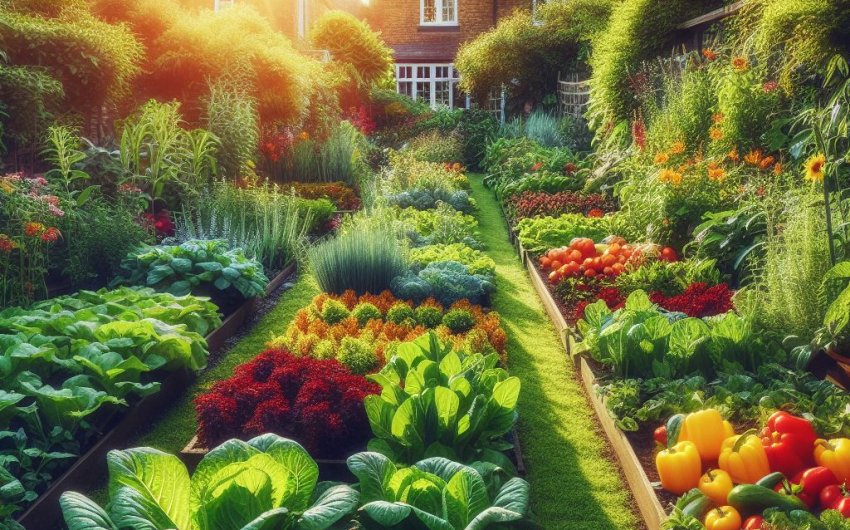
Creating a flourishing vegetable garden in your backyard is a deeply rewarding endeavor that provides fresh, delicious produce right at your fingertips. It transforms an ordinary space into a vibrant source of nourishment, connecting you directly to the food you eat and offering the unparalleled satisfaction of homegrown bounty. With careful planning and consistent care, anyone can cultivate a thriving vegetable patch.
What is the First Step to Creating a Flourishing Vegetable Garden?
The absolute first and most crucial step to creating a flourishing vegetable garden is choosing the right location. This foundational decision will have the biggest impact on your garden's success, influencing everything from plant growth to disease prevention. Even the best soil and most diligent care can't overcome a poorly chosen site when aiming for backyard bounty.
Here’s why choosing the right location is paramount and what to look for:
- Sunlight (Most Critical Factor):
- Full Sun: Most vegetables, especially fruiting ones like tomatoes, peppers, cucumbers, and squash, need at least 6-8 hours of direct, unobstructed sunlight per day. More is often better.
- Observation: Spend a full day observing your yard, noting where the sun hits at different times. Be mindful of shadows cast by trees, fences, or buildings that change throughout the day and with the seasons.
- Impact: Insufficient sunlight leads to leggy, weak plants, poor flowering, and significantly reduced harvests.
- Access to Water:
- Convenience: Your garden will need regular watering, especially during dry spells or while plants are establishing. Choose a spot that is easily accessible to a hose, rain barrel, or irrigation system. Dragging hoses long distances can become a chore and deter consistent watering.
- Good Drainage:
- Avoid Soggy Spots: Vegetables generally dislike "wet feet" and continuously soggy soil, which can lead to root rot and fungal diseases.
- Assessment: Look for areas where water naturally drains away rather than pooling after rain. If your chosen spot has heavy clay soil that holds water, you'll need to amend it significantly or consider raised beds.
- Proximity to Your Home:
- Convenience: A garden that's easily accessible and visible from your home encourages more frequent visits for harvesting, weeding, and observation. "Out of sight, out of mind" can lead to neglect.
- Quick Harvests: You're more likely to pop out for fresh herbs or a quick salad if the garden is close by.
- Protection from Strong Winds:
- Plant Damage: Strong, sustained winds can physically damage plants, rip leaves, break stems, and dry out the soil quickly.
- Solutions: If your ideal spot is windy, consider natural windbreaks like fences, hedges, or taller, sturdy plants (but ensure they don't shade your vegetables too much).
- Level Ground (Preferably):
- Ease of Work: While not strictly necessary, level ground is easier to prepare, plant, and water evenly. If you have a slope, consider terracing or contour planting.
- Soil Quality (Manageable):
- While you can improve poor soil, starting with decent soil is a bonus. The main focus is sun and drainage; soil can always be amended.
By thoroughly evaluating these factors and choosing your garden's home wisely, you lay the strongest possible foundation for cultivating that abundant backyard bounty you dream of.
How Do I Prepare the Soil for a New Vegetable Garden?
Properly preparing the soil for a new vegetable garden is arguably the most critical step to ensure healthy plant growth and a truly flourishing vegetable garden. Think of the soil as the foundation of your entire gardening effort; a rich, well-structured, and balanced soil provides the perfect environment for roots to thrive, absorb nutrients, and support abundant harvests. Skimping on soil preparation almost always leads to disappointing results.
Here’s a step-by-step guide to preparing your soil effectively:
- Clear the Area Thoroughly:
- Remove Weeds and Debris: Start by removing all existing weeds, grass, rocks, roots, and any other debris from your chosen garden spot. This can involve manual weeding, digging, or even using a sod cutter for grassy areas.
- Avoid Chemical Residue: If herbicides were used recently, ensure sufficient time has passed for them to dissipate before planting.
- Assess Your Existing Soil:
- The Squeeze Test: Grab a handful of slightly damp soil and squeeze it.
- Sandy Soil: Crumbles easily (drains too fast).
- Clay Soil: Forms a tight ball (drains too slowly, compacts easily).
- Loamy Soil: Forms a loose ball that breaks apart with a gentle poke (ideal, good balance of drainage and water retention).
- Dig a Test Hole: Dig a 1-foot deep hole and fill it with water. If it takes more than 10-15 minutes to drain, your soil has poor drainage.
- The Squeeze Test: Grab a handful of slightly damp soil and squeeze it.
- Conduct a Soil Test (Highly Recommended):
- Nutrients and pH: This is the most informative step. Send a soil sample to your local agricultural extension office or use a home soil test kit. This will tell you:
- Your soil's pH level (acidity/alkalinity).
- Existing levels of essential nutrients (nitrogen, phosphorus, potassium, micronutrients).
- Guidance: The results will provide specific recommendations for amendments.
- Nutrients and pH: This is the most informative step. Send a soil sample to your local agricultural extension office or use a home soil test kit. This will tell you:
- Amend the Soil Generously with Organic Matter:
- The Golden Rule: Regardless of your soil type, adding abundant organic matter is the single best thing you can do.
- Materials: Incorporate a 2-4 inch layer of well-rotted compost, aged manure, leaf mold, or other decomposed organic material.
- Benefits:
- Improves Clay Soil: Breaks up heavy clay, improving drainage and aeration.
- Enriches Sandy Soil: Improves water retention and nutrient-holding capacity.
- Adds Nutrients: Provides a slow, steady release of essential plant nutrients.
- Enhances Microbial Life: Supports beneficial soil organisms.
- Incorporate Amendments and Till/Loosen:
- Digging/Tilling: Use a garden fork, spade, or rototiller to thoroughly mix the organic matter into the top 8-12 inches of your garden bed.
- Break Up Clumps: Break up any large soil clumps as you go.
- Aeration: This process loosens compacted soil, allowing for better air and water penetration.
- Adjust Soil pH (If Needed):
- Most vegetables prefer a pH of 6.0-7.0 (slightly acidic to neutral).
- To Raise pH: If your soil is too acidic, incorporate garden lime (pelletized is easiest to apply).
- To Lower pH: If your soil is too alkaline, incorporate elemental sulfur or sphagnum peat moss.
- Patience: pH adjustments take time; apply amendments in fall for spring planting or vice versa.
- Level and Refine the Bed:
- Rake the soil smooth and level the planting area. Remove any remaining small stones or debris. A finely raked, loose surface is ideal for planting.
- Raised Beds: For challenging soils, consider building raised garden beds and filling them with a custom mix of compost and topsoil.
By investing time in this comprehensive soil preparation, you create an optimal environment for roots to grow, ensuring your new vegetable garden will truly be a flourishing source of backyard bounty.
How Do I Plan My Vegetable Garden Layout?
Effectively planning your vegetable garden layout is a crucial step towards creating a truly flourishing vegetable garden, ensuring maximum productivity, ease of access, and plant health. A well-thought-out design prevents overcrowding, optimizes sunlight, and can even help deter pests. This strategic blueprint transforms a simple patch of soil into a highly efficient source of backyard bounty.
Here’s how to plan your vegetable garden layout:
- Map Out Your Space:
- Draw It Out: Grab a piece of graph paper and draw the dimensions of your garden plot to scale. Include any existing features like fences, trees, sheds, or access points.
- Sunlight Assessment: Mark areas of full sun (6-8+ hours), partial sun (3-6 hours), and shade (less than 3 hours) throughout the day. This is critical for plant placement.
- Water Access: Mark your water source (faucet, rain barrel) and how you plan to irrigate.
- Determine Your Growing Method:
- Traditional Rows: Good for large gardens, easy for cultivation and harvesting with tools.
- Raised Beds: Excellent for improving soil, drainage, and accessibility.
- Square Foot Gardening: Intensive planting in a grid, maximizing yield in small spaces.
- Container Gardening: For very small spaces, patios, or balconies.
- Vertical Gardening: Utilizes vertical space with trellises, stacks, or wall planters.
- Choose Your Vegetables:
- Grow What You Eat: Prioritize vegetables your family enjoys and will consume.
- Consider Your Climate: Select varieties suited for your USDA Hardiness Zone and local growing season.
- Quantity: Don't overplant. Start with a manageable number of plants.
- Mature Size: Research the mature size of each plant (height and spread) to avoid overcrowding.
- Group Plants Strategically:
- Sunlight Needs: Place sun-lovers (tomatoes, peppers, squash) in the sunniest spots. Shade-tolerant crops (lettuce, spinach, radishes) can go in areas with partial shade or behind taller plants.
- Tallest Plants to the North: Generally, place taller plants (corn, pole beans, staked tomatoes) on the north side of your garden so they don't shade shorter plants to their south.
- Water Needs: Group plants with similar watering requirements together.
- Succession Planting: Plan sections for quick-growing crops that can be harvested and replanted (succession planting) throughout the season.
- Perennials: Place perennial vegetables (asparagus, rhubarb) in a dedicated spot where they won't be disturbed by annual tilling.
- Incorporate Companion Planting (Optional but Beneficial):
- Good Neighbors: Research beneficial plant pairings (e.g., marigolds to deter nematodes, basil with tomatoes to improve flavor, onions with carrots to repel rust fly).
- Bad Neighbors: Also be aware of incompatible pairings (e.g., beans/peas with alliums).
- Consider Access and Pathways:
- Leave enough space for pathways between beds or rows (at least 18-24 inches wide) so you can easily tend, harvest, and move around without stepping on plants or compacting soil.
- Plan for Support:
- Mark locations for stakes, cages, or trellises for vining plants (tomatoes, cucumbers, pole beans). It's easier to put these in at planting time. A tomato cage or a sturdy garden trellis can save a lot of headaches later.
- Crop Rotation:
- For future seasons, plan to rotate crops. Don't plant the same vegetable family in the exact same spot year after year. This helps prevent the buildup of soil-borne diseases and pest issues.
By taking the time to thoroughly plan your garden layout, you create an organized, efficient space that will maximize your yields and lead to a truly flourishing source of backyard bounty.
What Vegetables Should I Plant for a Continuous Harvest?
To ensure a continuous supply of fresh produce and truly achieve a flourishing vegetable garden with abundant backyard bounty, strategic planning for continuous harvest is key. This involves choosing specific types of vegetables that lend themselves to repeated picking, as well as employing techniques that extend their productivity throughout the growing season. It's about smart selections and timing.
Here are the types of vegetables to plant for a continuous harvest:
- "Cut-and-Come-Again" Leafy Greens:
- These are fantastic because you can harvest outer leaves multiple times, and the plant will regrow.
- Lettuce (Looseleaf varieties): 'Black Seeded Simpson', 'Red Salad Bowl', 'Buttercrunch'.
- Spinach: 'Bloomsdale Long Standing', 'Tyee'.
- Kale: 'Lacinato' (Dinosaur), 'Red Russian', 'Vates'.
- Swiss Chard: 'Bright Lights', 'Fordhook Giant'.
- Arugula: Grows quickly, can be cut repeatedly.
- Mustard Greens: 'Mizuna', 'Red Giant'.
- Bush and Pole Beans:
- Bush Beans: Offer a concentrated harvest, but by succession planting (sowing small batches every 2-3 weeks), you can have a continuous supply.
- Pole Beans: These are truly continuous producers. Once they start flowering, they will keep yielding beans until frost, as long as you keep picking them. Varieties like 'Kentucky Wonder', 'Blue Lake'.
- Determinate and Indeterminate Tomatoes:
- Indeterminate Tomatoes: These are the champions of continuous harvest. They continue to grow, flower, and set fruit all season until frost. Examples: 'Sungold', 'Brandywine', 'Early Girl'.
- Determinate Tomatoes: Produce a single, concentrated crop. Good for canning, but not for continuous fresh eating.
- Strategy: Plant mostly indeterminate, but maybe one or two determinate for a canning glut.
- Peppers and Eggplant:
- Both of these plants are continuous producers once they start. Harvest ripe fruits regularly to encourage the plant to set more flowers and fruit until the first frost.
- Cucumbers:
- Like beans, cucumbers need consistent harvesting to keep producing. If you stop picking, the plant may slow down.
- Succession Planting: Planting new cucumber plants every few weeks can also ensure a continuous supply, as older plants might become tired or succumb to disease.
- Summer Squash (Zucchini, Yellow Squash):
- These are incredibly prolific. Harvest young and often to encourage continuous production. Leaving squash on the vine to get too large will slow down future yields.
- Herbs:
- Most culinary herbs (basil, parsley, cilantro, dill, mint, rosemary, thyme, oregano) are "cut-and-come-again." Regular harvesting (pinching back) encourages bushier growth and prevents bolting (going to seed prematurely).
- Radishes:
- Very fast-growing. Use succession planting by sowing a small row every 1-2 weeks for a continuous supply.
- Okra:
- A warm-weather lover that produces continuously until frost, as long as you harvest the pods regularly when young.
By focusing on these continuous harvest vegetables and employing techniques like succession planting, you can create a truly flourishing vegetable garden that provides a steady stream of fresh, delicious backyard bounty from spring through fall, and even into winter with protection.
How Do I Water My Vegetable Garden for Optimal Growth?
Watering your vegetable garden for optimal growth is a crucial skill that directly impacts plant health, yields, and overall garden success. It's not just about applying water, but about applying the right amount at the right time in the right way. Proper watering ensures roots can absorb nutrients efficiently, prevents stress, and helps create a truly flourishing vegetable garden, full of backyard bounty.
Here’s how to water your vegetable garden for optimal growth:
- Water Deeply and Infrequently:
- Encourage Deep Roots: The golden rule is to water deeply, allowing the water to penetrate at least 6-8 inches (15-20 cm) into the soil. This encourages plants to develop deep, robust root systems, making them more resilient to dry spells and heat.
- Less Frequent: Once established, deeper watering means you can water less frequently. Waiting until the top 1-2 inches of soil are dry before watering again is a good general guideline.
- Water at the Base of the Plant (Avoid Overhead Watering):
- Disease Prevention: Wet foliage, especially if it stays wet overnight, creates ideal conditions for fungal diseases like powdery mildew, blight, and rust.
- Efficiency: Watering the soil directly ensures water reaches the roots where it's needed, minimizing evaporation from leaves.
- Methods: Use a soaker hose, drip irrigation system, or a watering can/hose without a spray nozzle to target the base of plants. A soaker hose kit is an excellent investment.
- Water in the Morning:
- Optimal Timing: The best time to water is in the early morning. This gives plants ample time to absorb water before the heat of the day, and any moisture on leaves can evaporate quickly, reducing disease risk.
- Avoid Evening Watering: Watering in the evening means foliage stays wet longer, increasing fungal risk.
- Avoid Midday Watering: Much of the water will evaporate before reaching the roots.
- Monitor Soil Moisture:
- The Finger Test: Stick your finger 2-3 inches into the soil near your plants. If it feels dry, it's time to water.
- Soil Moisture Meter: For more precision, especially with new plants or in containers, a soil moisture meter can give accurate readings.
- Visual Cues: Wilting leaves are a sign of stress (either too much or too little water), but don't wait for plants to wilt severely before watering.
- Adjust for Weather and Plant Needs:
- Hot/Dry/Windy Weather: Plants will need more frequent watering.
- Cool/Cloudy/Humid Weather: Less frequent watering is needed.
- Fruiting Plants: Vegetables actively producing fruit (tomatoes, peppers, squash) have higher water demands.
- Sandy Soil: Drains faster, requires more frequent watering.
- Clay Soil: Retains water longer, requires less frequent watering (but needs good drainage).
- Use Mulch:
- Moisture Retention: Apply a 2-4 inch layer of organic mulch (straw, shredded leaves, wood chips, compost) around your plants. Mulch significantly reduces water evaporation from the soil, keeps roots cool, suppresses weeds, and adds organic matter. A roll of garden straw mulch can be very effective.
Consistent, thoughtful watering is a cornerstone of creating a flourishing vegetable garden, ensuring every drop contributes to your abundant backyard bounty.
How Do I Fertilize My Vegetable Garden for Peak Production?
To achieve peak production and a truly flourishing vegetable garden, a strategic approach to fertilizing is essential. While healthy soil rich in organic matter is the foundation, supplementing with the right nutrients at the right time provides the necessary boost for vigorous growth and abundant harvests. Understanding your plants' needs ensures your backyard bounty reaches its full potential.
Here’s how to fertilize your vegetable garden for peak production:
- Start with a Soil Test (The Foundation):
- Crucial First Step: Before applying any fertilizer, conduct a soil test. This tells you your soil's current pH and existing levels of nitrogen (N), phosphorus (P), and potassium (K), along with micronutrients.
- Avoid Guesswork: This prevents over-fertilizing (which can harm plants and the environment) and ensures you're applying exactly what your soil needs.
- Guidance: Your local agricultural extension office or a home soil test kit will provide recommendations.
- Amend with Organic Matter (Yearly Base):
- Continuous Improvement: Even with fertilizers, organic matter (compost, aged manure) is key. Top-dress your beds with 1-2 inches of compost annually in spring or fall.
- Slow-Release Nutrients: Compost provides a balanced array of nutrients slowly, improves soil structure, and enhances microbial life, reducing the need for heavy chemical fertilizers. A bag of organic garden compost is invaluable.
- Understand N-P-K (The Big Three):
- Nitrogen (N): Promotes leafy green growth (good for lettuce, spinach, kale). Too much can reduce fruit/flower production.
- Phosphorus (P): Essential for root development, flowering, and fruiting (crucial for tomatoes, peppers, beans).
- Potassium (K): Supports overall plant health, disease resistance, and fruit quality.
- Fertilizer Labels: Fertilizers are labeled with these three numbers (e.g., 5-10-5).
- Choose the Right Fertilizer Type:
- Organic Fertilizers: (e.g., fish emulsion, bone meal, blood meal, compost tea) are excellent for gradual release, enriching the soil, and reducing burn risk. A liquid organic vegetable fertilizer works wonders.
- Synthetic Fertilizers: Provide nutrients quickly and precisely. Use with caution to avoid over-fertilization.
- Slow-Release Granular: Good for sustained feeding, often applied at planting.
- Liquid Feeds: Good for quick boosts and for container gardens where nutrients leach faster.
- Timing and Application (Strategic Feeding):
- At Planting/Early Growth:
- Incorporate a balanced organic fertilizer or a "starter" fertilizer (higher in P) into the soil, especially if soil test indicates needs. This supports root development.
- For heavy feeders like tomatoes and corn, a dose of bone meal (for P) in the planting hole can be beneficial.
- Mid-Season (During Flowering/Fruiting):
- For fruiting vegetables, switch to a fertilizer higher in P and K (e.g., a "tomato food" like 5-10-10 or 3-4-6 NPK). Apply every 2-4 weeks as a side-dressing or liquid feed.
- For leafy greens, a balanced fertilizer or one slightly higher in N can maintain lush growth.
- Avoid Late-Season Nitrogen: Don't apply high-nitrogen fertilizers late in the season, as this can encourage leafy growth instead of ripening fruit, and can stimulate tender growth susceptible to early frost.
- At Planting/Early Growth:
- Follow Directions and Dilute:
- Always read and follow fertilizer package instructions carefully. More is NOT better; over-fertilizing can burn roots and harm plants.
- If using liquid concentrates, dilute them properly. When in doubt, err on the side of using a weaker solution.
- Water After Application:
- Always water thoroughly after applying granular fertilizers. This helps dissolve the nutrients and move them into the root zone, preventing burn.
By adopting a smart, soil-test-driven approach to fertilizing, you empower your vegetable garden to reach its full potential, ensuring a continuous and abundant backyard bounty of peak-production produce.
How Do I Protect My Vegetable Garden from Pests and Diseases?
Protecting your vegetable garden from pests and diseases is an ongoing, essential aspect of maintaining a truly flourishing vegetable garden and securing your backyard bounty. Rather than waiting for problems to become severe, a proactive and integrated approach, often called Integrated Pest Management (IPM), minimizes damage and reduces reliance on harsh chemical interventions.
Here’s how to effectively protect your vegetable garden from pests and diseases:
- Healthy Soil, Healthy Plants (Prevention is Key):
- Good Soil: Plants grown in rich, well-draining, organically amended soil are inherently more resilient to pests and diseases.
- Proper Care: Ensure adequate sunlight, appropriate watering, and balanced nutrition. Stressed plants are magnets for trouble.
- Choose Resistant Varieties:
- Disease Resistance: When selecting seeds or seedlings, look for varieties explicitly labeled as resistant to common diseases in your area (e.g., VFFNT for tomatoes indicates resistance to Verticillium, Fusarium, Nematodes, Tobacco Mosaic Virus).
- Pest Tolerance: Some plants are naturally less appealing to pests.
- Crop Rotation:
- Breaks Cycles: This is one of the most effective disease prevention strategies. Do not plant the same vegetable family in the exact same spot year after year. Rotate crops to different areas of your garden for at least 3-4 years.
- Why it Works: It prevents the buildup of soil-borne pathogens and pests specific to certain plant families.
- Planning: Include crop rotation in your garden layout plan.
- Sanitation and Garden Hygiene:
- Cleanliness: Remove diseased plant material immediately and dispose of it (do not compost diseased plants unless your compost pile gets very hot).
- Clear Debris: Keep your garden free of weeds and plant debris, which can harbor pests and disease spores.
- Clean Tools: Sanitize pruning shears and tools with rubbing alcohol or a bleach solution after use, especially between different plants.
- Physical Barriers:
- Row Covers: Lightweight floating row covers can physically exclude flying insect pests (e.g., cabbage moths, cucumber beetles) from reaching susceptible plants. Apply them from planting until flowering.
- Fencing: Protect against larger pests like deer and rabbits.
- Collars: Cardboard or plastic collars around the base of seedlings can deter cutworms.
- Encourage Beneficial Insects:
- Predators: Attract beneficial insects like ladybugs (eat aphids), lacewings (eat aphids, mites), hoverflies (larvae eat aphids), and parasitic wasps (parasitize caterpillars).
- Plant Nectar-Rich Flowers: Plant small-flowered herbs and flowers like dill, cilantro, calendula, marigolds, and sweet alyssum around your vegetable beds to provide nectar and pollen for these beneficial insects. A pollinator seed mix can be a great addition.
- Monitor Regularly and Act Early:
- Daily Inspection: Walk through your garden daily. Look for yellowing leaves, holes in foliage, insect eggs, or visible pests. Early detection is key.
- Hand-Picking: For larger pests (tomato hornworms, slugs, squash bugs), hand-picking and dropping them into soapy water is effective.
- Organic Pest Control (Last Resort, Targeted):
- Insecticidal Soap: Effective against soft-bodied insects like aphids, whiteflies, and spider mites.
- Neem Oil: An organic botanical insecticide that disrupts insect growth and acts as an anti-feedant. Effective against a broad range of pests and some fungal diseases. A concentrated neem oil spray can be a versatile solution.
- Bt (Bacillus thuringiensis): A naturally occurring bacterium that is toxic only to certain caterpillar pests (like cabbage loopers, tomato hornworms).
- Always read and follow label directions carefully.
By implementing these integrated strategies, you create a resilient, flourishing vegetable garden, protecting your abundant backyard bounty from pests and diseases in an environmentally conscious way.
How Do I Harvest My Vegetables for Peak Flavor and Production?
Harvesting your vegetables for peak flavor and production is the crowning achievement of your efforts, ensuring your flourishing vegetable garden truly delivers that delicious backyard bounty. Knowing when and how to pick each crop isn't just about getting food; it's about maximizing taste, encouraging the plant to produce more, and ensuring quality. Proper harvesting techniques make all the difference.
Here’s how to harvest your vegetables for peak flavor and production:
- Harvest Regularly and Frequently:
- The Golden Rule: For many vegetables (especially beans, cucumbers, summer squash, leafy greens, peppers), the more you harvest, the more the plant will produce. Regularly picking encourages the plant to set new flowers and fruit, rather than putting energy into maturing existing seeds.
- Check Daily: During peak season, many vegetables need to be checked and harvested daily or every other day.
- Know the Right Stage of Maturity:
- Not All Ripe is Best: "Ripe" for eating is not always "ripe" for seed saving. For many vegetables, harvesting slightly immature yields better flavor and tenderness.
- Visual Cues:
- Beans/Peas: Pick pods when plump and tender, before seeds swell too much.
- Cucumbers/Summer Squash: Harvest when young and tender, usually small to medium size, before they become tough or seedy.
- Leafy Greens (Lettuce, Spinach, Kale, Chard): Harvest outer leaves or cut the entire head when leaves are tender and a good size, before bolting.
- Peppers: Can be picked green (less sweet) or allowed to ripen to full color (sweeter, more complex flavor).
- Tomatoes: Harvest when fully colored and slightly soft to the touch (but not mushy). The flavor is best when vine-ripened.
- Root Vegetables (Carrots, Beets, Radishes): Pull when they reach their characteristic size and before they get too woody or tough.
- Corn: Harvest when the silks turn brown and kernels are plump and milky when punctured.
- Use the Right Tools:
- Sharp Pruners/Snips: Use clean, sharp garden snips or a knife for clean cuts.
- Avoid Tearing: Do not yank or tear plants, as this can damage the plant and reduce future yields. Cut stems cleanly.
- Gloves: Wear gloves if harvesting prickly plants or hot peppers.
- Harvest in the Morning:
- Peak Flavor/Moisture: Many vegetables (especially leafy greens, beans, peas) are at their freshest, crispest, and most flavorful in the early morning, after a cool night and before the heat of the day causes them to lose moisture.
- Careful Handling:
- Handle ripe produce gently to avoid bruising, which shortens shelf life.
- Place harvested items carefully into baskets or containers. A harvesting basket with handle can make the job easier.
- Post-Harvest Care:
- Cool Quickly: Move harvested vegetables into a cool, shaded area or indoors immediately to preserve freshness.
- Clean and Store: Wash or brush off excess dirt, then store appropriately for optimal freshness (refrigerate most greens, berries; store tomatoes at room temp, etc.).
By mastering these harvesting techniques, you'll maximize both the taste and quantity of your produce, ensuring your flourishing vegetable garden consistently provides the freshest, most delicious backyard bounty right to your table.