
Cultivating Sustainability: Practices for Sustainable Vegetable Gardening
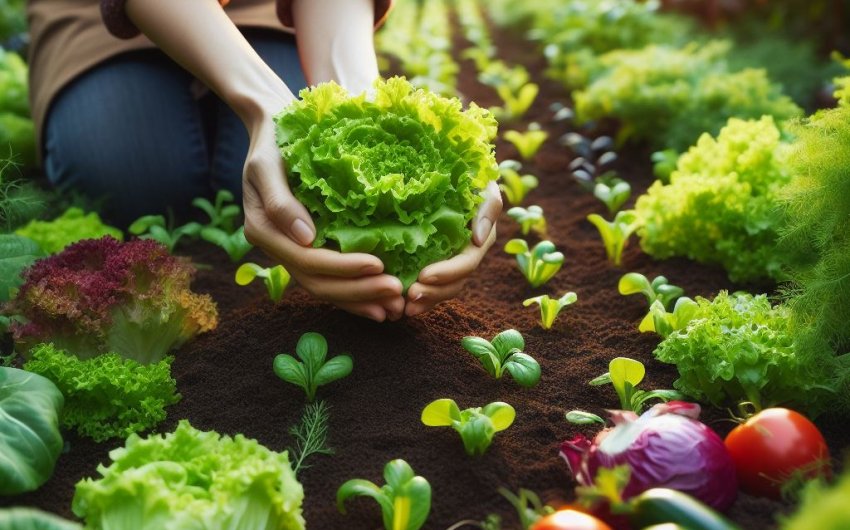
Cultivating sustainability in your vegetable gardening involves practices that conserve resources, enhance biodiversity, and build healthy soil for long-term productivity without relying on synthetic inputs. Key strategies include composting, water conservation, wise plant selection, and integrated pest management.
What is Sustainable Vegetable Gardening and Why Is It Important?
Sustainable vegetable gardening is an approach to growing food that minimizes environmental impact, conserves natural resources, and maintains the long-term health and fertility of the garden ecosystem. It focuses on working with nature, not against it.
Core Principles of Sustainable Gardening
- Soil Health: The foundation of sustainability. Focus on building and maintaining rich, living soil through organic matter, rather than relying on chemical fertilizers.
- Water Conservation: Efficient use of water is paramount, reducing waste and minimizing strain on local water supplies.
- Biodiversity: Encouraging a wide variety of plants, insects (beneficial and otherwise), and microorganisms creates a resilient ecosystem.
- Resource Efficiency: Reducing reliance on external inputs (synthetic fertilizers, pesticides, non-renewable energy) and reusing/recycling materials.
- Minimizing Waste: Turning garden and kitchen waste into valuable resources (e.g., compost).
Why Is Sustainable Vegetable Gardening Important?
- Environmental Protection:
- Reduced Pollution: Less reliance on synthetic pesticides and fertilizers prevents runoff into waterways, protecting aquatic ecosystems and drinking water.
- Lower Carbon Footprint: Decreases energy used in producing and transporting chemical inputs, and also reduces the carbon associated with food miles (transporting food from farm to table). Composting helps sequester carbon.
- Water Conservation: Critical in a world facing increasing water scarcity.
- Preserves Soil: Prevents soil erosion and degradation, maintaining fertile land for future generations.
- Health Benefits:
- Chemical-Free Produce: You control what goes into your food, ensuring it's free from synthetic chemicals.
- Nutrient-Dense Food: Healthy soil grows healthier, often more nutrient-dense food.
- Economic Benefits:
- Cost Savings: Reduces expenses on fertilizers, pesticides, and often water bills.
- Increased Resilience: A diverse, healthy garden is more resilient to pests, diseases, and climate fluctuations, leading to more reliable harvests.
- Personal Connection and Education:
- Understanding Ecosystems: Fosters a deeper understanding of natural processes and cycles.
- Community and Self-Sufficiency: Contributes to local food security and personal self-sufficiency.
Table: Pillars of Sustainable Vegetable Gardening
| Pillar | Description | Key Practices (Examples) |
|---|---|---|
| Soil Health | Living, fertile foundation for plants | Composting, Mulching, Cover Cropping |
| Water Conservation | Efficient use of water, minimize waste | Rainwater Harvesting, Drip Irrigation, Drought-Tolerant Plants |
| Biodiversity | Variety of life above and below ground | Companion Planting, Pollinator Gardens, Crop Rotation |
| Resource Efficiency | Reduce external inputs, reuse materials | Seed Saving, DIY Fertilizers, Upcycling |
| Waste Minimization | Transform waste into resources | Composting, Vermicomposting, "Chop & Drop" |
How Does Soil Health Contribute to Sustainable Vegetable Gardening?
Soil health is the cornerstone of sustainable vegetable gardening. A living, healthy soil provides all the nutrients, water, and support your plants need, reducing the need for external inputs.
The Power of Organic Matter
- Building Soil Structure: Organic matter (like compost, decomposed leaves, and aged manure) acts like a sponge, improving both drainage in heavy clay soils and water retention in sandy soils. It also creates air pockets crucial for root respiration.
- Nutrient Cycling: As organic matter decomposes, it slowly releases essential plant nutrients in a form that plants can easily absorb. This provides a steady, long-term food source for your vegetables.
- Feeding the Soil Food Web: Organic matter is food for beneficial microorganisms, fungi, and earthworms. These tiny organisms are vital for nutrient cycling, disease suppression, and overall soil health. A thriving soil food web means less reliance on synthetic fertilizers.
Composting: Turning Waste into Gold
Composting is arguably the most fundamental practice in sustainable vegetable gardening. It transforms kitchen and garden waste into a rich, dark, nutrient-dense soil amendment.
- Process: Mix "greens" (nitrogen-rich: food scraps, grass clippings) with "browns" (carbon-rich: dry leaves, shredded paper, wood chips) along with water and air. Microbes break down the material into compost.
- Benefits:
- Nutrient-Rich Fertilizer: Provides a balanced blend of macronutrients and micronutrients.
- Improves Soil Structure: Enhances drainage, aeration, and water retention.
- Reduces Waste: Diverts significant amounts of organic waste from landfills.
- Suppresses Diseases: Healthy compost can introduce beneficial microbes that suppress plant diseases.
- Types: Traditional backyard compost piles, compost tumblers for faster results, or vermicomposting (worm composting) for kitchen scraps. A Compost Bin Outdoor is a great starting point.
Mulching: Protection and Enrichment
Mulching involves covering the soil surface with a layer of organic material.
- Benefits:
- Moisture Conservation: Reduces water evaporation from the soil, saving water.
- Weed Suppression: Blocks sunlight, preventing weed seeds from germinating.
- Temperature Regulation: Insulates soil, keeping it cooler in summer and warmer in winter.
- Nutrient Release: As organic mulch (like straw, shredded leaves, or wood chips) breaks down, it slowly adds organic matter and nutrients to the soil.
- Reduces Erosion: Protects soil from heavy rain and wind.
- Types: Straw, shredded leaves, wood chips, grass clippings (ensure no herbicides were used).
Cover Cropping: The Living Mulch
Cover cropping involves planting non-harvested crops (e.g., clover, vetch, oats) in garden beds during the off-season.
- Benefits:
- Prevents Erosion: Protects bare soil from wind and rain.
- Adds Organic Matter: When tilled into the soil, they decompose and enrich it.
- Nitrogen Fixation: Leguminous cover crops (clover, vetch) add nitrogen to the soil.
- Weed Suppression: Outcompete weeds.
- Breaks Up Compaction: Some cover crops have deep taproots that loosen compacted soil.
- How to Use: Plant in fall after harvest, or in spring before planting your main crops. Mow or chop them down before they go to seed, and incorporate them into the soil.
Table: Soil Health Practices
| Practice | Description | Primary Benefit |
|---|---|---|
| Composting | Decomposing organic waste into soil amendment | Nutrient-rich, improves soil structure, reduces waste |
| Mulching | Covering soil surface with organic material | Conserves water, suppresses weeds, regulates temp |
| Cover Cropping | Planting non-harvested crops in off-season | Prevents erosion, adds organic matter, fixes nitrogen |
How Can You Conserve Water in Sustainable Vegetable Gardening?
Water conservation is a critical component of sustainable vegetable gardening, especially in regions prone to drought. Efficient watering practices reduce your water bill and environmental impact.
Right Plant, Right Place: Drought-Tolerant Varieties
- Smart Selection: Choose vegetable varieties and other garden plants that are naturally adapted to your climate's rainfall patterns. Many edibles (e.g., certain tomato, squash, or bean varieties) have been bred for drought tolerance.
- Native Plants: For non-edible areas, incorporate native plants that require less supplemental watering once established.
Efficient Irrigation Methods
- Drip Irrigation: The most efficient watering method. It delivers water directly to the plant's root zone, minimizing evaporation and runoff.
- Benefits: Saves water, reduces fungal diseases by keeping foliage dry, allows for slow, deep watering.
- Installation: Can be set up with a simple timer for automation. A Drip Irrigation Kit for Vegetables is easy to install.
- Soaker Hoses: Similar to drip irrigation, these hoses slowly "weep" water along their length, soaking the soil without wetting foliage.
- Hand Watering (Thoughtfully): If hand watering, water deeply and thoroughly at the base of the plant, avoiding shallow sprinkles. Do it in the early morning to minimize evaporation.
Rainwater Harvesting: Free Water Source
- Rain Barrels: Collect rainwater from your roof using rain barrels connected to your downspouts. This free, chemical-free water is excellent for plants.
- Benefits: Reduces reliance on municipal water, lowers water bills, ideal pH for plants.
- Setup: Simple to set up. Ensure barrels are covered to prevent mosquitoes. A Rain Barrel Kit provides all components.
- Swales and Berms: For larger gardens, consider designing swales (shallow ditches on contour) and berms (raised banks) to slow, spread, and sink rainwater into the landscape.
Mulching (Reiterated Importance)
- Moisture Retention: As discussed in soil health, a thick layer of organic mulch is one of the most effective ways to conserve soil moisture by reducing evaporation.
Improve Soil with Organic Matter
- Increased Water Holding Capacity: Soil rich in organic matter (from compost, cover crops) acts like a sponge, absorbing and holding significantly more water than compacted, lifeless soil. This means you'll need to water less frequently.
Table: Water Conservation Practices
| Practice | How it Works | Impact |
|---|---|---|
| Efficient Irrigation | Directs water to roots, minimizes evaporation | Significant water savings, healthier plants |
| Rainwater Harvesting | Collects free rainwater from roof | Reduces municipal water use, eco-friendly |
| Mulching | Covers soil, reduces evaporation and weeds | Keeps soil moist longer, less watering |
| Soil Organic Matter | Improves soil's ability to hold water | Less frequent watering needed, resilient soil |
How Does Biodiversity Benefit Sustainable Vegetable Gardening?
Encouraging biodiversity is a core tenet of sustainable vegetable gardening. A diverse garden ecosystem is more resilient, healthy, and less prone to widespread pest and disease outbreaks.
Crop Rotation: Preventing Disease and Pests
- Breaks Pest/Disease Cycles: Planting the same crop in the same spot year after year allows specific pests and diseases to build up in the soil. Crop rotation involves moving plant families to different areas of the garden each season.
- Nutrient Management: Different plant families use nutrients in varying amounts. Rotation helps balance nutrient uptake and soil health.
- How to Practice: Divide your garden into zones and rotate plant families (e.g., Brassicas, Legumes, Solanaceae, Root Vegetables) through them over a 3-4 year cycle.
Companion Planting: Natural Pest Control and Support
- Pest Deterrence: Some plants release compounds or have strong scents that repel specific insect pests (e.g., marigolds deter nematodes, garlic deters aphids).
- Attracting Beneficial Insects: Many flowering plants provide nectar and pollen for beneficial insects (predators like ladybugs and parasitic wasps) that prey on common garden pests.
- Mutual Benefits: Some pairs of plants benefit each other's growth or flavor (e.g., beans fixing nitrogen for corn). A Companion Planting Guide Book can offer valuable pairings.
Pollinator-Friendly Gardening: Ensuring Harvests
- Essential for Fruit Set: Many vegetables (tomatoes, squash, peppers, cucumbers, berries) rely on insects (especially bees) for pollination to produce fruit.
- Provide Nectar and Pollen: Plant a diverse array of flowering plants, especially native wildflowers and herbs, that bloom throughout the season to provide a continuous food source for pollinators.
- Avoid Pesticides: Do not use broad-spectrum pesticides that harm pollinators and beneficial insects.
Encouraging Beneficial Wildlife
- Birds: Attract birds with water sources, seed-bearing plants (like sunflowers), and diverse shrubs. Birds eat many insect pests.
- Frogs and Toads: Create damp, shady areas or small ponds to encourage frogs and toads, which are excellent pest eaters.
- Integrated Habitat: A diverse garden provides shelter and food for a wide range of beneficial organisms.
Table: Biodiversity Practices
| Practice | Description | Primary Benefit |
|---|---|---|
| Crop Rotation | Moving plant families each season | Breaks pest/disease cycles, balances nutrients |
| Companion Planting | Strategic pairing of plants for mutual benefit | Natural pest control, improved plant health |
| Pollinator-Friendly | Providing food and habitat for pollinators | Ensures fruit set, boosts yields |
| Beneficial Wildlife | Creating habitat for pest-eating animals | Natural pest control, healthy ecosystem |
How Can You Maximize Resource Efficiency in Your Garden?
Resource efficiency is about minimizing waste and making the most of every input in your sustainable vegetable gardening system.
Seed Saving: Closing the Loop
- Self-Sufficiency: Saving seeds from open-pollinated, non-hybrid (heirloom) vegetables allows you to grow plants year after year without purchasing new seeds.
- Adaptation: Over generations, seeds saved from your garden will adapt better to your specific local climate and soil conditions.
- Cost Savings: No need to buy seeds.
- Biodiversity: Helps preserve genetic diversity of heirloom varieties.
- How to Save: Learn the proper techniques for collecting, cleaning, and storing seeds for your chosen crops.
DIY Fertilizers and Pest Control: Homemade Solutions
- Repurpose Household Items: Utilize kitchen scraps (coffee grounds, banana peels, eggshells) to make simple, free natural fertilizers.
- Homemade Sprays: Create natural pest control sprays using ingredients like neem oil, insecticidal soap, or garlic/pepper infusions. A Neem Oil for Gardening is a versatile base for many DIY pest solutions.
- Avoid Plastics: When making these, try to use reusable containers instead of disposable ones.
Upcycling and Reusing Materials
- Containers: Repurpose food-grade buckets, old tires (check safety for food contact), plastic bottles, or wooden pallets as planters or raised bed frames.
- Supports: Use old branches, bamboo, or reclaimed wood for trellises and stakes.
- Tools: Maintain your gardening tools well to extend their lifespan, rather than frequently buying new ones.
- Composting Bins: Build a compost bin from salvaged wood or pallets.
Reduced Tillage: Protecting Soil Structure
- No-Dig/No-Till Gardening: Minimizing disturbance to the soil. This preserves soil structure, fungal networks, and the beneficial soil food web.
- Benefits: Reduces erosion, improves water infiltration, leads to healthier soil over time, and requires less labor.
- How to Practice: Build soil fertility by layering organic matter on top (mulching, composting) rather than digging or turning. Plant directly into the undisturbed soil.
Table: Resource Efficiency Practices
| Practice | Description | Impact on Resource Use |
|---|---|---|
| Seed Saving | Collecting and storing seeds from your own plants | Reduces purchases, adapts plants locally |
| DIY Fertilizers | Using household scraps for plant nutrition | Eliminates chemical purchases, reduces waste |
| Upcycling/Reuse | Repurposing materials for garden structures | Reduces waste, saves money |
| Reduced Tillage | Minimizing soil disturbance | Preserves soil structure, less erosion |
By consistently applying these practices for sustainable vegetable gardening, you create a resilient, productive, and environmentally responsible garden that provides a continuous bounty for years to come.