
Unveiling the Mystique: Resurrection Garden - A Journey of Life in Bloom
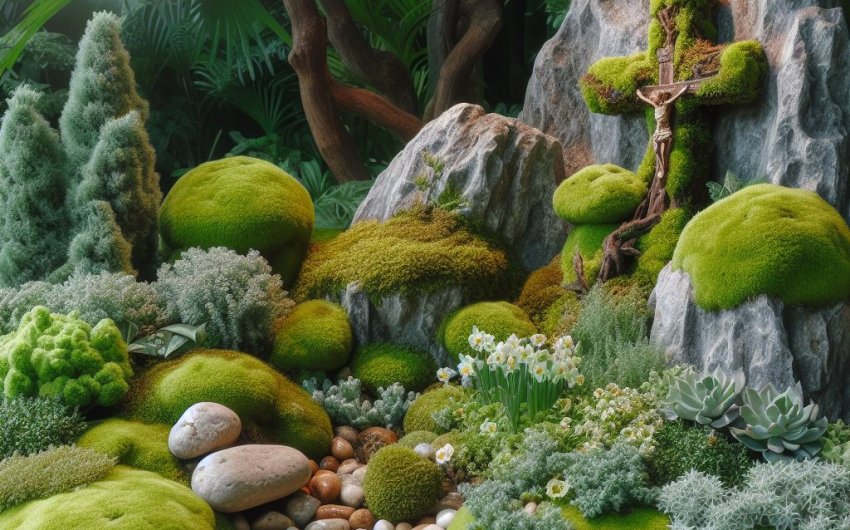
The garden often serves as a metaphor for life itself – a place of growth, beauty, and inevitable cycles of change. But what if a garden could embody a more profound message, one of renewal, hope, and the incredible power of life to emerge from dormancy or apparent death? This is the essence of a Resurrection Garden, a unique and deeply meaningful planting designed to illustrate themes of rebirth and enduring vitality.
A Resurrection Garden is more than just a collection of plants; it's a living narrative, a tangible journey through the natural world's profound lessons of death, rest, and glorious return. It's an invitation to reflect on the mystique of life in bloom, transforming a simple patch of earth into a powerful symbol.
What is a Resurrection Garden?
A Resurrection Garden is a unique and deeply symbolic garden design, specifically crafted to tell a story of life, death, and rebirth. It's not just about cultivating pretty flowers; it's about arranging plants and elements to represent a narrative of hope, renewal, and the cyclical nature of existence.
Often associated with spiritual themes, particularly around Easter for Christian symbolism, a Resurrection Garden can also hold universal meaning, reflecting nature's profound patterns of dormancy, emergence, and bloom. It transforms a garden space into a contemplative journey.
A Symbol of Renewal and Rebirth
At its heart, a Resurrection Garden is a powerful symbol of renewal and rebirth. It’s a living illustration of how life emerges from what appears to be dormancy or even death, mirroring natural cycles observed throughout the year.
- Winter Dormancy to Spring Awakening: The most direct parallel in nature is the cycle of seasons. Plants seemingly "die back" in winter, enduring cold and darkness, only to burst forth with new life, vibrant greens, and abundant blooms in spring. The garden demonstrates this profound promise of return.
- Seed to Sprout: A tiny, seemingly inert seed holds within it the potential for a mighty plant. Buried in the earth, it undergoes a transformation, breaking open and sending forth a new shoot. This is a powerful metaphor for something new coming from something old or seemingly finished.
- Spiritual Connection: For many, especially within Christian traditions, the Resurrection Garden directly symbolizes the death and resurrection of Jesus Christ, representing hope, new life, and victory over death. The tomb, the cross, and the emerging flowers are deliberate representations of this narrative.
- Universal Hope: Beyond specific religious contexts, the message of renewal and rebirth is universally appealing. It speaks to human experiences of hardship followed by recovery, loss followed by new beginnings, and despair transforming into hope. The garden provides a tangible representation of resilience and the promise that life continues.
A Resurrection Garden turns a plot of land into a sacred space, inviting contemplation on the persistent and miraculous power of life.
Key Elements of Its Design
While designs can vary greatly, a Resurrection Garden often incorporates several key elements to tell its symbolic story. These components are strategically chosen to represent different parts of the narrative of death, dormancy, and new life.
- The Tomb: This is typically the central and most recognizable feature. It's usually a small mound of earth (or a small pot turned upside down) with an opening or a "cave" entrance, often covered by a larger rock or stone rolled away. This symbolizes the place of rest and emergence. You can use a small garden rock to cover the opening.
- Pathway or Journey: A small pathway, either defined by stepping stones or simply a clear dirt path, often leads to or around the "tomb." This represents the journey or progression from death to life, or from despair to hope.
- Dormant/Bare Plants: Initially, the garden might feature plants that appear dormant or even dead, especially if assembled in late winter or early spring. This emphasizes the transition from lifelessness. These could be bulb plants before they sprout, or bare branches.
- Emergent and Blooming Plants: Surrounding the "tomb" and along the pathway, you'll find plants that actively demonstrate new life.
- Spring Bulbs: These are quintessential, bursting forth from the cold earth (e.g., daffodils, tulips, hyacinths).
- Flowering Plants: Vibrant, colorful blooms that represent joy, new beginnings, and the beauty of life.
- Trailing or Spreading Plants: To soften edges and suggest overflowing life.
- Cross (Optional): For Resurrection Gardens with explicit Christian symbolism, a small wooden cross is often placed near the "tomb" to represent the crucifixion.
- Water Feature (Optional): A small, trickling water feature can symbolize living water, cleansing, or the continuous flow of life.
- Focal Point: The design usually centers around the tomb, making it the primary focal point of the garden.
The thoughtful arrangement of these key elements transforms a simple garden into a powerful visual narrative of renewal and rebirth.
Educational and Contemplative Purpose
A Resurrection Garden serves both an educational and contemplative purpose. It's designed not just to be beautiful, but to provoke thought, foster understanding, and offer a space for quiet reflection.
- Educational Tool:
- For Children: It's a wonderful, hands-on way to teach children about natural cycles (dormancy, growth), the importance of hope, and for those in a faith context, the story of Easter in a tangible, memorable way. They can observe the changes over time.
- For Adults: It can be a visual aid for understanding complex concepts of life and death, resilience, and transformation.
- Contemplative Space:
- Reflection: The garden provides a quiet, serene space for personal reflection, meditation, and prayer. The act of tending the garden or simply sitting beside it can be a calming and centering experience.
- Hope and Healing: For those grieving or facing difficult times, the garden's message of renewal and rebirth can offer a powerful source of hope and encouragement, reminding them of life's enduring capacity for emergence from struggle.
- Connection to Nature: It deepens one's connection to the natural world and its inherent wisdom, observing the same cycles in plants that parallel human experiences.
- Seasonal Journey: The garden itself evolves throughout the year, with new plants emerging, blooming, and then retreating. This allows for continuous learning and contemplation of the changing seasons and life stages.
The dual nature of a Resurrection Garden makes it a unique and valuable addition to homes, churches, schools, and community spaces, serving as a powerful teacher and a source of quiet inspiration.
What Plants Should I Choose for a Resurrection Garden?
Choosing the right plants for your Resurrection Garden is key to effectively telling its story of dormancy, death, and rebirth. You want plants that embody these themes through their growth habits, bloom times, and symbolism. The selection will depend on your local climate and the specific timing of the "resurrection" you wish to portray.
Focus on plants that offer a striking contrast between their dormant state and their vibrant new life, making the "journey of life in bloom" truly evident.
Spring-Flowering Bulbs (Dormancy to Life)
Spring-flowering bulbs are absolutely quintessential for a Resurrection Garden because they perfectly symbolize the journey from apparent dormancy or "death" to vibrant new life. Buried deep in the cold earth, they emerge seemingly miraculously with the warmth of spring.
- Why They're Ideal:
- Dormancy: During winter, the bulbs are hidden underground and appear lifeless. This represents the period of "death" or quiet waiting.
- Emergence: As spring arrives, shoots push through the soil, a powerful visual of new life emerging from the earth.
- Vibrant Blooms: They burst into colorful, cheerful blooms, signaling rebirth, hope, and the triumph of life.
- Reliability: Many spring bulbs are incredibly reliable, returning year after year, reinforcing the theme of enduring life.
- Key Choices:
- Daffodils (Narcissus): Bright yellow and white trumpets are a classic symbol of spring and new beginnings. They are sturdy and long-lasting. You can find many varieties of daffodil bulbs.
- Hyacinths (Hyacinthus): Known for their incredibly fragrant, densely packed flower spikes in shades of blue, purple, pink, and white. Their robust emergence is very symbolic.
- Tulips (Tulipa): Offer a vast array of colors, shapes, and bloom times, from early to late spring. Their dramatic unfurling is a beautiful representation of life.
- Crocus (Crocus): Often the earliest spring bloomers, sometimes even pushing through snow, symbolizing resilience and the first hints of new life.
- Grape Hyacinths (Muscari): Small, blue, bell-shaped flowers that form a carpet of color, perfect for around the "tomb" entrance, symbolizing abundance of new life.
- Planting Tip: Plant bulbs in clusters around the "tomb" and along pathways to create focal points of emergent life. Consider different bloom times within your bulb selection to extend the period of "resurrection."
These spring-flowering bulbs are essential for telling the powerful story of life's triumphant return in your Resurrection Garden.
Evergreen Plants (Enduring Life)
While the spring-flowering bulbs represent the bursting forth of new life, evergreen plants play an equally important symbolic role in a Resurrection Garden: they represent enduring life and eternal hope, especially through periods of dormancy or perceived death.
- Why They're Ideal:
- Year-Round Green: Evergreens maintain their green foliage even through winter, signifying life that persists and endures through difficult times. They provide structure and a constant backdrop to the seasonal changes.
- Contrast: Their steady green provides a beautiful contrast to the bareness of deciduous plants in winter and makes the vibrant blooms of spring bulbs stand out even more dramatically when they emerge.
- Symbolism of Eternity: In many cultures and faiths, evergreens symbolize eternity, immortality, and unchanging hope, which aligns perfectly with the theme of resurrection.
- Key Choices (Consider your climate and garden size):
- Dwarf Conifers: Small evergreen shrubs like dwarf junipers, dwarf spruce (e.g., Picea glauca 'Conica'), or dwarf pines can provide miniature tree-like forms. A dwarf conifer for containers can be perfect for smaller gardens.
- Boxwood (Buxus): A classic, slow-growing evergreen shrub that can be shaped or left natural. Its dense foliage provides a solid green mass.
- Heaths and Heathers (Erica, Calluna): Small evergreen shrubs that offer texture and sometimes winter color (e.g., purplish foliage).
- Creeping Sedum/Stonecrop: While not always strictly woody evergreens, many sedum varieties maintain some foliage through winter, offering evergreen groundcover.
- Ivy (Hedera helix): Can be used as a groundcover, symbolizing clinging life and endurance. Be mindful of its vigorous spread.
- Placement: Use evergreens as a backdrop to the "tomb" or as defining edges for the garden, providing a sense of permanence and continuity throughout the year.
The steady presence of evergreen plants in your Resurrection Garden provides a powerful visual reminder that life, in some form, always persists, even in the darkest of times.
Perennials (Returning Life)
Perennials are plants that live for more than two years, typically dying back to the ground in winter and returning with new growth each spring. They are a perfect embodiment of returning life in a Resurrection Garden, illustrating the cycle of rest and renewal.
- Why They're Ideal:
- Reliable Return: Their predictable return year after year reinforces the theme of hope and continuity.
- Seasonal Change: They visibly go through a cycle of dormancy and vibrant growth, making them dynamic storytellers in the garden.
- Diverse Options: There are thousands of perennials to choose from, offering a wide range of sizes, textures, and bloom times to fit different parts of your narrative.
- Key Choices (Consider your hardiness zone and sun exposure):
- Hosta (Hosta): While not flowering plants in the traditional sense, their dramatic emergence from the ground in spring, unfurling large, lush leaves, is a powerful symbol of new growth. Great for shady spots.
- Daylilies (Hemerocallis): Very resilient, sending up new shoots and then vibrant trumpet-shaped flowers year after year. They represent endurance and beauty.
- Coneflower (Echinacea): Known for their daisy-like flowers with prominent central cones. Many varieties have vibrant colors and long bloom times, symbolizing robust life and healing. A purple coneflower plant is a popular perennial.
- Bleeding Heart (Dicentra spectabilis): Delicate, heart-shaped flowers that emerge beautifully in early spring, often symbolizing compassion and rebirth.
- Lenten Rose (Helleborus orientalis): Blooms in late winter to early spring, sometimes even through snow, offering early signs of life when little else is stirring.
- Creeping Phlox (Phlox subulata): A low-growing perennial that bursts into a carpet of flowers in spring, symbolizing widespread new life.
- Placement: Use perennials to create layers around the "tomb" and along pathways, adding diverse textures and ensuring continuous interest as different varieties emerge and bloom throughout the seasons.
Perennials provide the consistent narrative of returning life, showing that even after a period of stillness, beauty and growth are always promised.
Annuals (Vibrant, Fleeting Life)
While perennials represent continuous return, annuals (plants that complete their life cycle in one growing season) can play a role in a Resurrection Garden by symbolizing vibrant, fleeting life and the joy of the present moment. They offer intense bursts of color and can be used to refresh the garden's theme.
- Why They Can Be Used:
- Immediate Impact: Annuals typically bloom prolifically and for a long duration, providing instant and continuous color throughout the warmer months. This can represent the joyous explosion of life.
- Flexibility: You can change them out seasonally to add different hues or refresh the theme.
- Filling Gaps: They are excellent for filling in any bare spots or gaps between your emerging bulbs and perennials, ensuring constant visual interest.
- Intense Color: Many annuals offer incredibly bright and bold colors that are hard to match with perennials, creating a striking contrast and drawing attention to the "life in bloom" aspect.
- Key Choices:
- Pansies/Violas: Great for cool spring weather, offering early splashes of cheerful color around the tomb.
- Impatiens (Impatiens walleriana): Provide continuous color in shady spots.
- Marigolds (Tagetes): Bright yellow and orange blooms, symbolizing warmth and joy.
- Petunias (Petunia x hybrida): Offer a cascade of color in sunny spots or hanging baskets. A multi-color petunia seed mix can create a vibrant display.
- Lobelia (Lobelia erinus): Creates a delicate cascade of blue or white, symbolizing grace and newness.
- Placement: Plant annuals in front of or around the "tomb" and among the developing perennials, particularly after spring bulbs have faded. Use them to enhance the sense of abundant life and celebration.
While they may not return on their own, annuals offer a powerful representation of life's vibrant and active phase, adding continuous bursts of colorful delights to your Resurrection Garden.
How to Create Your Own Resurrection Garden?
Creating your own Resurrection Garden is a deeply personal and rewarding project. It doesn't require a huge space or expert gardening skills, but rather thoughtful planning and an understanding of the symbolism you wish to convey. Whether you choose a small container or a dedicated plot, the process is about intentional design.
Follow these steps to bring your own journey of life in bloom to life, allowing the natural world to tell its profound story right in your own space.
1. Choose Your Location and Size
The first practical step is to choose your location and size for the Resurrection Garden. This will dictate the scale of your project and the types of plants you can incorporate.
- Location Considerations:
- Visibility: Choose a spot where the garden will be easily seen and accessible for observation and contemplation. This could be near a patio, a window, or in a quiet corner of your yard.
- Sunlight: Most of the recommended plants (especially bulbs and many perennials) prefer at least partial sun to full sun (4-6+ hours of direct sunlight per day). Ensure your chosen spot receives adequate light.
- Drainage: Good drainage is crucial for most plants, especially bulbs. Avoid areas where water tends to pool.
- Meaningful Spot: Select a place that feels personally significant or naturally lends itself to quiet reflection.
- Size Options:
- Small Container Garden:
- Ideal for: Patios, balconies, windowsills, or if you have limited space.
- Container: Choose a wide, shallow pot or bowl with drainage holes. A large terracotta planter with drainage can work well.
- Benefits: Portable, easy to manage, focused symbolism.
- Dedicated Small Garden Bed:
- Ideal for: A small corner of the yard, a raised garden bed, or a section of an existing flower bed.
- Size: Can be 2x2 feet up to 5x5 feet, depending on your vision.
- Benefits: Allows for more plant variety and a more elaborate "tomb" structure.
- Larger Landscape Feature:
- Ideal for: Large yards, church grounds, or community gardens.
- Size: Can be integrated into existing landscaping.
- Benefits: Creates a more immersive experience, greater impact, and more space for diverse plants.
- Small Container Garden:
Once you've decided on the scope, you can move on to designing the layout and selecting your plants.
2. Design the "Tomb" and Landscape
The "tomb" is the central symbolic feature of a Resurrection Garden. Designing the tomb and the surrounding landscape brings the narrative to life.
- Creating the "Tomb":
- Method 1 (Mound and Cave): This is the most common. Create a small mound of soil (or use a small pot turned upside down as a base). Push a small plastic cup, container, or half of a small plastic bottle into the side of the mound to create a "cave" opening.
- Method 2 (Small Terracotta Pot): For container gardens, simply use a small terracotta pot turned on its side, partially buried in the soil, to represent the tomb entrance.
- "Stone" for the Entrance: Find a suitable round or flat stone (a decorative garden stone can work) to place in front of the "tomb" opening, symbolizing the stone rolled away.
- Building the Landscape (Mound):
- For Garden Beds: Form a gentle slope or mound of soil around the "tomb." This can mimic a small hill.
- For Containers: Create a miniature landscape within the pot, with the tomb as the highest point or a central feature.
- Pathways (Optional but Recommended):
- Small Path: Create a small path leading to the "tomb." This can be simply a cleared area of soil, or you can use tiny pebbles or sand to define it.
- Meaning: The path represents the journey towards renewal and rebirth, or the journey of life.
- Adding a Cross (Optional for Christian symbolism): If desired, place a small wooden cross near the "tomb." You can make one from twigs or buy a small garden cross decoration.
- Consider Scale: Ensure the size of your "tomb" and other elements are proportionate to the size of your overall garden and the plants you intend to use.
With these structural elements in place, your Resurrection Garden will have its defining narrative ready for the plants to tell the story.
3. Plant Your Chosen Blooms
Now comes the fun part: planting your chosen blooms to bring your Resurrection Garden to life! Strategic placement is key to emphasizing the symbolic journey.
- Layering for Effect:
- Around the Tomb Entrance: Plant small, low-growing spring-flowering bulbs (like crocus, grape hyacinths) or low-growing perennials (like creeping phlox) directly around the "tomb" opening. This creates a visual explosion of life emerging from the place of darkness.
- Behind the Tomb: Use taller perennials (like daffodils, tulips, or later-blooming coneflowers) as a backdrop. These plants will grow taller and broader, symbolizing life extending beyond the initial emergence.
- Along Pathways/Edges: Plant perennials or annuals along the edges of your garden bed or path to frame the scene and invite the eye through the "journey."
- Evergreens: Place evergreen plants as a permanent backdrop or at the edges of the garden to symbolize enduring life, especially if your garden will be viewed in winter.
- Planting Bulbs:
- Timing: Plant spring-flowering bulbs in the fall, several weeks before the ground freezes, allowing them time to establish roots.
- Depth: Follow package directions for planting depth. Generally, plant bulbs 2-3 times their height deep.
- Planting Perennials and Annuals:
- Timing: Plant perennials in spring or fall. Plant annuals after all danger of frost has passed in spring.
- Preparation: Ensure the soil is well-drained and amended with compost for optimal health.
- Spacing: Give plants enough space to grow to their mature size to ensure good airflow and prevent overcrowding.
- Watering: Water all newly planted items thoroughly. For bulbs, ensure they receive moisture until the ground freezes. For perennials and annuals, keep the soil consistently moist (but not soggy) as they establish.
The careful selection and planting of your chosen blooms will transform your Resurrection Garden into a living, breathing narrative of hope and new life.
4. Provide Aftercare and Observe
Once your Resurrection Garden is planted, ongoing aftercare and observation will ensure its continued health and allow you to fully appreciate its evolving symbolism. It's a journey throughout the seasons, mirroring life's own changes.
- Watering:
- Consistency: Water consistently, especially during dry spells, until plants are established.
- Bulbs: Spring bulbs often need little supplemental water once established, relying on natural rainfall. After they bloom, allow the foliage to yellow and die back naturally before removing it, as this stores energy for next year.
- Perennials/Annuals: Water according to their specific needs, using the "finger test" (checking soil moisture a few inches down) to determine when to water.
- Weeding: Keep the garden bed free of weeds, as they compete with your chosen plants for water and nutrients.
- Deadheading (Optional): For some perennials and annuals, deadheading (removing spent flowers) can encourage more blooms, extending the "life in bloom" phase. However, for bulbs, let the foliage die back naturally.
- Mulching (Optional): A thin layer of mulch (like shredded leaves or bark) can help retain soil moisture, suppress weeds, and regulate soil temperature.
- Observing the Cycles:
- Winter: Observe the quiet, dormant period. The evergreens provide a constant presence.
- Early Spring: Watch for the first tiny shoots of the bulbs pushing through the soil, a powerful visual of emergence.
- Peak Bloom: Enjoy the vibrant display of flowers, representing the fullness of life.
- Summer/Fall: Witness the shift as some plants fade and others come into their own, symbolizing the ongoing cycles.
- Reflection: Take time to sit in your Resurrection Garden, reflecting on the symbolism as the plants grow, bloom, and eventually recede, only to promise their return.
Through consistent aftercare and mindful observation, your Resurrection Garden will provide a continuous source of inspiration, hope, and connection to the profound journey of life in bloom.