
Primrose Pizzazz: Cheerful Beauty in Your Garden
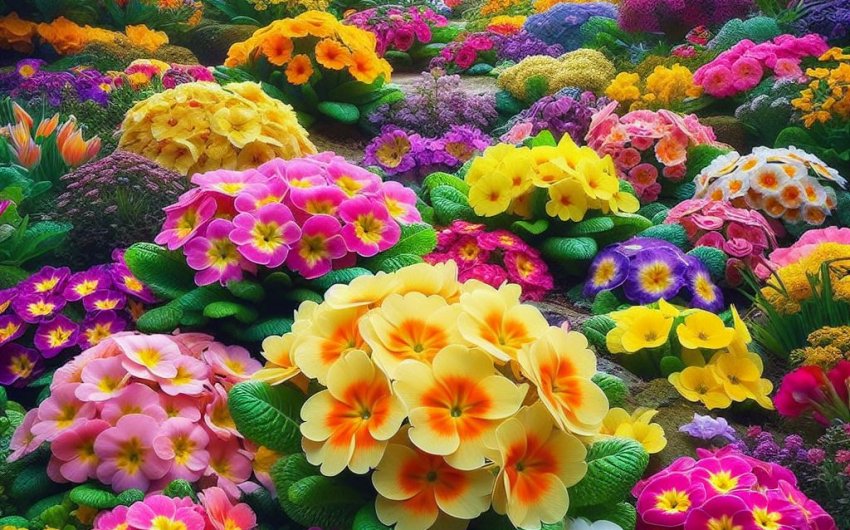
As winter's chill begins to fade, there's a special kind of magic that awakens in the garden. And often, among the first to bring that much-needed splash of color and life are the delightful primroses. With their vibrant hues and charming ruffled petals, primroses truly bring a "pizzazz" that promises spring is just around the corner. These cheerful beauties are a staple in many early spring gardens and containers, offering an incredible range of colors from soft pastels to electric brights. Whether nestled in a shady corner, brightening up a patio pot, or forming a charming border, primroses are a versatile and rewarding plant for gardeners of all levels. Get ready to dive into the world of Primrose Pizzazz and discover how these wonderful flowers can infuse your garden with early season joy!
What Makes Primroses So Special?
Primroses, belonging to the genus Primula, are a diverse group of plants with thousands of varieties. What unites them is their ability to bring early and often stunning color to the garden.
Early Bloomers
This is perhaps their biggest appeal.
- Sign of Spring: For many, the sight of primroses is a sure sign that winter is losing its grip. They often start blooming in late winter or very early spring, sometimes even pushing through a late snowfall.
- Long Blooming Season: Many varieties offer a long bloom time, sometimes lasting for several weeks, providing continuous color when little else is flowering.
Dazzling Array of Colors
Primroses come in almost every color imaginable.
- Vibrant Hues: From fiery reds and sunny yellows to deep blues, purples, and shocking pinks.
- Pastel Shades: Soft creams, pale lavenders, and delicate whites also abound.
- Bi-colors and Variegated: Many varieties feature contrasting eye colors or variegated petals, adding extra intrigue.
Charming Forms
- Rosettes of Leaves: Most primroses form a tight rosette of crinkly or smooth leaves at their base, from which flower stalks emerge.
- Variety of Flower Shapes: Flowers can be single, clustered in umbels (like a tiny umbrella), or arranged in tiers.
Versatility in the Garden
Primroses are incredibly adaptable.
- Containers: Perfect for brightening up porch pots, window boxes, or patio containers.
- Borders and Edging: Their compact size makes them ideal for defining garden beds or pathways.
- Woodland Gardens: Many varieties thrive in shady, moist conditions, making them excellent for naturalized woodland settings.
- Rock Gardens: Some alpine varieties are perfect for tucking into rock crevices.
- Mass Planting: Planting them in large groups creates a dramatic carpet of color.
Low Maintenance (with the right conditions)
Once you understand their preferences, primroses are relatively easy to care for, making them a rewarding plant for gardeners of all skill levels.
What Are the Most Popular Types of Primroses?
With over 500 species and countless hybrids, the world of primroses is vast! Here are some of the most common and beloved types you'll likely encounter.
1. English Primrose (Primula vulgaris)
This is the classic primrose, often seen in cottage gardens.
Characteristics
- Appearance: Features a rosette of crinkly, bright green leaves from which individual flowers emerge on short stems.
- Colors: Traditionally pale yellow, but modern hybrids come in a wide range of vibrant colors, including white, cream, pink, purple, and blue.
- Growth Habit: Low-growing, typically 4-6 inches tall.
- Hardiness: Generally hardy in USDA Zones 4-8.
- Uses: Ideal for woodland gardens, naturalizing under deciduous trees, rock gardens, and borders. Often seen forming cheerful drifts.
2. Polyanthus Primrose (Primula x polyantha)
Perhaps the most common type found in garden centers, known for its strong stems and clustered blooms.
Characteristics
- Appearance: Distinct from English primrose by its taller, sturdier flower stalks that hold clusters of flowers above the foliage.
- Colors: Available in a dazzling array of bright, intense colors, often with a contrasting "eye" in the center. This is where you get much of that "pizzazz"!
- Growth Habit: Slightly taller than English primroses, typically 6-10 inches tall.
- Hardiness: Hardy in USDA Zones 4-8, often grown as an annual in warmer climates.
- Uses: Excellent for containers, window boxes, spring borders, and mass plantings for bold color impact.
3. Japanese Primrose (Primula japonica)
A dramatic and moisture-loving primrose that thrives in wet conditions.
Characteristics
- Appearance: Features tall, upright stems with flowers arranged in distinct, tiered whorls, creating a "candelabra" effect.
- Colors: Common colors include shades of pink, magenta, purple, and white.
- Growth Habit: Can grow quite tall, up to 1-2 feet.
- Hardiness: Hardy in USDA Zones 4-8.
- Uses: Perfect for bog gardens, pond edges, damp woodland areas, or shaded borders with consistently moist soil. A beautiful addition to any water feature.
4. Cowslip (Primula veris)
A charming wild primrose, native to Europe and Asia, with a delicate appearance.
Characteristics
- Appearance: Bears clusters of small, nodding, bell-shaped flowers on tall stems, typically golden yellow with orange markings inside.
- Growth Habit: Grows to about 8-12 inches tall.
- Hardiness: Hardy in USDA Zones 3-8.
- Uses: Ideal for naturalizing in meadows, informal borders, and woodland gardens. Its subtle charm pairs well with other wildflowers.
5. Fairy Primrose (Primula malacoides)
Often grown as a popular annual, especially for indoor forcing or cool-season container displays.
Characteristics
- Appearance: Features delicate, tiered sprays of small, frothy flowers above ruffled leaves.
- Colors: Comes in shades of pink, rose, white, and lavender.
- Growth Habit: Grows 8-12 inches tall.
- Hardiness: Typically grown as an annual or biennial in most climates, though perennial in very mild areas (USDA Zones 8-10).
- Uses: Excellent for indoor enjoyment as a temporary houseplant, or for outdoor cool-season container displays and protected beds.
How Do You Plant and Care for Primroses?
While different primrose varieties have slightly different needs, most share common preferences that are essential for their health and vibrant blooms.
1. Light Requirements
This is one of the most important factors for primrose pizzazz.
Partial Shade is Ideal
- Protection from Hot Sun: Most primroses prefer partial shade, especially in warmer climates. This means they like morning sun and afternoon shade, or dappled light throughout the day.
- Avoid Intense Direct Sun: Hot, direct afternoon sun can scorch their leaves, cause blooms to fade quickly, and lead to overall plant stress.
- Tolerate More Sun in Cool Climates: In cooler climates with milder summers, they can tolerate a bit more sun.
Too Much Shade
- While they love shade, too much shade can lead to fewer flowers and leggier growth. Aim for bright, indirect light or morning sun.
2. Soil Preferences
Primroses are not overly fussy about soil type, but they do have critical requirements for moisture and drainage.
Rich, Well-Drained, and Moist Soil
- Humus-Rich: They thrive in organically rich soil. Amend your soil with plenty of compost or leaf mold to improve fertility and moisture retention.
- Excellent Drainage: This is crucial. While they love moisture, they absolutely hate sitting in soggy, waterlogged soil, which can lead to root rot. Ensure good drainage, especially if planting in clay soil.
- Consistently Moist: The soil should be kept consistently moist, but never waterlogged. This is especially important during their blooming period.
3. Watering
This is a delicate balance for primroses.
Regular Watering is Key
- Keep Moist: Water regularly, especially during dry spells and their blooming period, to keep the soil consistently moist.
- Check Soil: Stick your finger an inch or two into the soil. If it feels slightly dry, it's time to water.
- Avoid Overhead Watering: Try to water at the base of the plant to avoid getting leaves and flowers wet, which can promote fungal diseases.
Don't Overwater
- Remember, consistently moist, not soggy. If you see yellowing leaves or mushy stems, you might be overwatering. Ensure good drainage.
4. Temperature and Hardiness
Primroses are generally cool-season plants.
Cool-Season Comfort
- Prefer Cool Temperatures: They prefer cool to moderate temperatures, especially while blooming.
- Hardiness: Hardiness varies greatly by species. Many common primroses are hardy perennials in USDA Zones 4-8. Some are treated as annuals in warmer climates where summers are too hot for them to survive.
5. Fertilizing
Primroses are not heavy feeders.
Light Feeding
- Compost is Best: If your soil is already rich in organic matter (from compost), you might not need to fertilize at all.
- Optional Liquid Feed: If your plants are in containers or your soil is poor, you can apply a balanced liquid fertilizer at half strength every 2-4 weeks during their active growth and blooming period. A good choice is a balanced liquid plant food.
- Avoid Over-Fertilizing: Too much fertilizer can lead to lush foliage but fewer flowers.
6. Deadheading and Pruning
This helps prolong blooming and keep plants tidy.
Deadheading
- Remove Spent Blooms: Pinch or snip off spent flowers (deadheading) as they fade. This redirects the plant's energy from seed production back into producing more flowers.
Cleanup
- Remove any yellowing or damaged leaves at the base of the plant to improve air circulation and prevent disease.
7. Propagation
You can get more primroses in a few ways.
Division
- Best Method: After a few years, primrose clumps can become crowded and produce fewer flowers. Divide them every 2-3 years, usually in late summer or early fall. Gently dig up the clump, separate it into smaller sections (each with roots and leaves), and replant.
Seeds
- Patience Needed: Primroses can be grown from seed, but it can be slow and requires specific conditions (some need cold stratification). They often don't bloom until their second year.
What Are Common Problems with Primroses and How to Solve Them?
While they are cheerful, primroses can sometimes face challenges, often related to their specific environmental preferences.
1. Wilting or Yellowing Leaves
Problem: Leaves droop, turn yellow, and the plant looks generally unhealthy.
- Cause: This is the most common issue, usually related to watering.
- Overwatering/Poor Drainage: The soil is too wet, leading to root rot. This is often the primary culprit.
- Underwatering: Soil is too dry, and the plant is thirsty.
- Heat Stress: Temperatures are too high, or the plant is getting too much direct sun.
- Solution:
- Check Soil Moisture: If wet and mushy, improve drainage and let soil dry out before watering again. If dry, water thoroughly.
- Relocate: Move to a shadier, cooler spot if heat is the issue.
- Repot: If in a pot with poor drainage, repot into a better-draining mix and a pot with good drainage holes.
2. Lack of Blooms
Problem: Healthy-looking foliage but few or no flowers.
- Cause:
- Not Enough Light: Needs bright, indirect light to form flower buds.
- Too Much Nitrogen Fertilizer: Nitrogen promotes leaf growth at the expense of flowers.
- Old Plant: Older, overcrowded plants may bloom less.
- Solution:
- Increase Light: Move to a brighter location.
- Adjust Fertilizing: Use a balanced fertilizer or one higher in phosphorus and potassium if you must fertilize, and stop if leaves are very lush.
- Divide Plant: Divide overcrowded clumps to rejuvenate them.
3. Fungal Diseases (e.g., Gray Mold/Botrytis, Leaf Spot)
Problem: Fuzzy gray mold on leaves or flowers, or brown/black spots on leaves.
- Cause: High humidity, poor air circulation, wet leaves, or soggy soil.
- Solution:
- Improve Air Circulation: Space plants out, remove lower yellowing leaves.
- Water at Base: Avoid overhead watering. Water in the morning so leaves dry quickly.
- Remove Affected Parts: Promptly remove and discard diseased leaves or flowers.
- Fungicide (if severe): In severe cases, an organic fungicide might be considered.
4. Pests
Primroses are relatively pest-free, but sometimes common garden pests can appear.
Aphids
- Problem: Small green, black, or white insects clustered on new growth or flower buds.
- Solution: Spray with a strong stream of water to dislodge them, or use insecticidal soap. A natural insecticidal soap is safe for plants.
Slugs and Snails
- Problem: Irregular holes in leaves, slimy trails.
- Solution: Handpick them at dusk, set beer traps, or use organic slug bait.
By understanding these common issues and implementing the right care, you can ensure your primroses remain a source of cheerful beauty and pizzazz in your garden, signaling the joyful arrival of spring each year! Their vibrant colors and early blooms are truly a treasure.