
Violet Vibes: Tranquil Beauty in Your Garden
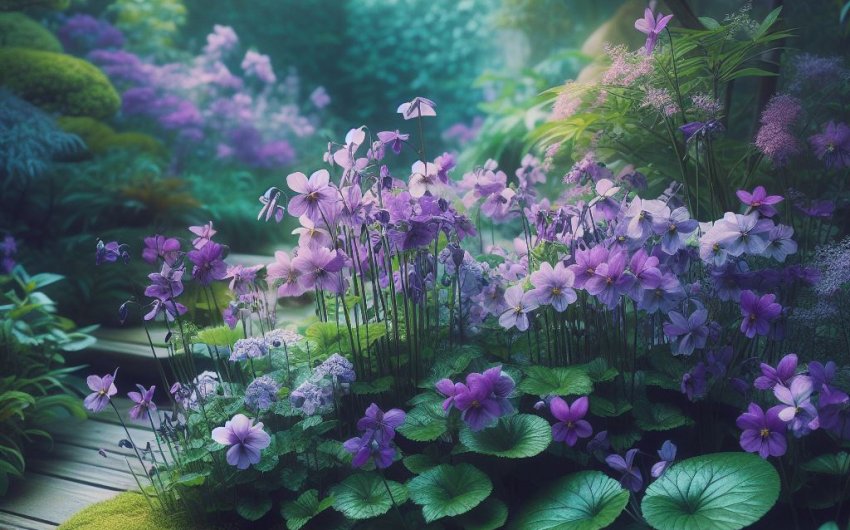
There's a quiet charm to certain corners of the garden, a softness that offers a sense of peace and tranquility. Often, this serene atmosphere is enhanced by the subtle beauty of plants that might not shout for attention but instead whisper with elegant grace. Among these understated gems, the violet stands out. With their delicate, often heart-shaped leaves and their cheerful, unassuming flowers, violets bring a touch of woodland magic and a sense of calm to any space they inhabit. They may not be as showy as a rose or a lily, but their quiet beauty holds a timeless appeal.
The allure of violets isn't just in their appearance; it's in their versatility and their resilience. From classic deep purples to soft lavenders, pure whites, and even sunny yellows, these small wonders offer a surprising range of colors. They thrive in those tricky, shady spots where many other flowering plants struggle, spreading a carpet of green and bloom that brightens dim areas. Whether tucked beneath trees, carpeting a woodland path, or spilling from a container, violets effortlessly create a natural, tranquil vibe.
Beyond their beauty, many violet varieties offer delightful fragrances, subtle but sweet, adding another layer to their charm. They are also often a valuable food source for early pollinators, making them a welcome addition to any eco-conscious garden. Easy to grow and wonderfully adaptable, incorporating violets into your garden design is a simple way to introduce an element of serene elegance. Let's explore the world of violets and discover how these humble yet enchanting flowers can infuse your outdoor space with tranquil beauty.
What Makes Violets So Appealing for Gardens?
Violets might seem unassuming, but they possess a unique set of qualities that make them incredibly valuable and appealing for a wide range of garden settings.
What Does Their Gentle Beauty Look Like?
The most immediate appeal of violets is their gentle beauty. Their flowers are typically small, but often appear in profusion, creating a charming carpet of color. The classic five-petaled flower shape is instantly recognizable, often with a delicate spur at the back. While we often think of "violet" as a color, the flowers themselves come in a surprising array of hues:
- Classic purple: Ranging from deep, rich indigo to soft lavender.
- Pure white: Offering a crisp, clean contrast.
- Delicate pinks: Providing a subtle, romantic touch.
- Sunny yellows: Adding a cheerful pop of color.
- Bicolored varieties: With intriguing patterns or contrasting eyes. Their leaves are often heart-shaped or kidney-shaped, a soft green that provides a lovely backdrop to the blooms. This understated elegance makes them perfect for creating a peaceful atmosphere.
Where Do Violets Thrive?
One of the greatest strengths of violets is their ability to thrive in shady areas where many other flowering plants struggle. They are natural woodland dwellers, accustomed to the dappled light beneath trees and shrubs. This makes them invaluable for brightening up those tricky spots in your garden that don't get much sun, such as under large trees, along the north side of a house, or in shaded borders. They can transform a dim, overlooked area into a vibrant patch of color.
Are Violets Easy to Grow and Low Maintenance?
Yes! Violets are remarkably easy to grow and are very low maintenance. Once established, they often spread readily, forming beautiful groundcovers. They are generally tolerant of a range of soil conditions, as long as it's not waterlogged. They don't typically require heavy feeding, extensive pruning, or constant attention. This makes them an ideal choice for busy gardeners, beginners, or anyone looking for a beautiful, self-sufficient plant to fill those less-than-ideal spots. Their resilience means more beauty with less effort.
Do Violets Spread and Create a Carpet Effect?
Many violet species have a natural tendency to spread, either by rhizomes (underground stems) or by self-seeding. This makes them excellent candidates for creating a lush, green carpet that is dotted with cheerful blooms. This spreading habit is particularly desirable for naturalizing areas, filling in under trees, or creating a soft edge along pathways. While some can spread vigorously, making them better suited for areas where their spread is welcome, others are more clump-forming.
Do Some Violets Have a Fragrance?
Indeed, many violet varieties are known for their delightful, subtle fragrance. The scent is often described as sweet, delicate, and slightly powdery. You might have to lean in close to catch it, but once you do, it's truly enchanting. The common sweet violet (Viola odorata) is particularly prized for its perfume. This adds another layer of sensory enjoyment to your garden, inviting you to pause and appreciate the smaller details.
What Are the Different Types of Violets for Your Garden?
The genus Viola is surprisingly diverse, encompassing a wide array of species and cultivars. While they share common characteristics, different types of violets offer varying colors, sizes, and growth habits, allowing you to choose the perfect one for your garden.
What are Sweet Violets (Viola odorata)?
The Sweet Violet (Viola odorata) is perhaps the most iconic violet species, known for its intense, sweet fragrance. These violets typically have deep purple flowers, though white and pink varieties also exist. They are low-growing, spreading by runners to form charming groundcovers. They are perfect for planting where their scent can be appreciated, such as along pathways, near benches, or under windows. Sweet violets bloom in early spring and are often one of the first flowers to appear, signaling the end of winter. A true classic, the Sweet Violet plant brings timeless charm.
What are Confederate Violets (Viola sororia 'Priceana')?
The Confederate Violet (Viola sororia 'Priceana') is a fascinating cultivar of the common blue violet. Its flowers are primarily white with striking purple veins that radiate from the center, creating a delicate, almost painterly effect. These violets are vigorous spreaders, forming dense carpets of heart-shaped leaves. They are excellent for naturalizing in shady areas, woodland gardens, or informal borders. They are incredibly tough and adaptable, tolerating a range of conditions once established.
What are Common Blue Violets (Viola sororia)?
The Common Blue Violet (Viola sororia) is a widespread native violet in many parts of North America. Its flowers are typically various shades of blue or purple, though white forms can also be found. They are resilient and adaptable, often found growing in lawns, woodlands, and disturbed areas. While they can be vigorous spreaders, their cheerful early spring blooms are a welcome sight. They are a valuable food source for early pollinators.
What are Labrador Violets (Viola labradorica)?
Labrador Violets (Viola labradorica, often sold as Viola riviniana 'Purpurea' in nurseries) are distinct for their dark purple or bronzy-purple foliage. This dark leaf color provides year-round interest, making them a fantastic choice for adding depth and contrast to shaded garden areas. They produce small, delicate purple flowers, usually in spring, but their main appeal is the foliage. They tend to be clump-forming rather than aggressively spreading, making them easier to manage in more formal settings.
What are Pansies and Violas (Hybrid Violas)?
While not strictly wild violets, pansies (Viola × wittrockiana) and violas (Viola cornuta) are closely related and widely popular for their larger, more showy flowers and longer blooming seasons. They are often annuals or short-lived perennials, bred for vibrant colors and intricate patterns.
- Pansies: Have larger, often "faced" flowers with dark blotches.
- Violas: Have smaller, more numerous flowers, often in solid colors or simple patterns. They are excellent for containers, window boxes, and the front of borders, especially in cooler weather, where they provide continuous color. While they share the violet's charm, they have different growing requirements, often preferring more sun and richer soil. You can find many beautiful pansy and viola seed mixes to grow.
What are Yellow Violets (Viola pubescens or Viola rotundifolia)?
While less common in cultivation, several species of yellow violets exist, such as Viola pubescens (Downy Yellow Violet) and Viola rotundifolia (Round-leaved Violet). These native violets typically feature bright yellow flowers, sometimes with purple veins, and often bloom in early spring. They prefer similar shady, woodland conditions to their purple counterparts and add a cheerful, sunny touch to the understory of your garden.
How Do You Plant Violets for Tranquil Beauty?
Getting your violets off to a good start is key to enjoying their effortless beauty. They are forgiving plants, but providing them with the right conditions will ensure they thrive.
What is the Best Time to Plant Violets?
The best time to plant violets is in the spring after the last frost, or in the early fall several weeks before the first hard frost. Planting in spring allows them to establish before the heat of summer, while fall planting gives them time to settle in before winter dormancy, ready for vigorous growth the following spring. Avoid planting during the hottest part of summer, as this can stress the plants.
Where Should You Plant Violets?
Most violets prefer partial to full shade. This means a spot that receives dappled sunlight throughout the day, or a few hours of morning sun followed by afternoon shade. While they can tolerate more sun in cooler climates or if consistently moist, too much direct afternoon sun can scorch their leaves, especially for the woodland species. They are ideal for planting under deciduous trees and shrubs, along shaded pathways, or on the north side of buildings. Ensure they have good air circulation to prevent fungal issues, though this is less common with violets.
What Kind of Soil Do Violets Need?
Violets prefer well-drained soil that is rich in organic matter. While they are adaptable, they do not like heavy, waterlogged clay or extremely dry, sandy conditions. If your soil is very heavy, amend it with compost to improve drainage and aeration. If it's too sandy, compost will help it retain more moisture and nutrients. A slightly acidic to neutral soil pH is generally preferred. Preparing your soil well at planting time will give your violets a strong foundation. Using a soil pH meter can help you check your soil's acidity.
How Far Apart Should You Plant Violets?
When planting violets, space them according to how quickly they spread and the effect you desire.
- For groundcover: Space individual plants about 6-12 inches apart, knowing that they will fill in over time.
- For clump-forming varieties: Space them 8-12 inches apart, ensuring they have room to grow to their mature size. Dig a hole twice as wide as the root ball and just as deep. Gently loosen any circling roots before placing the plant in the hole. Backfill with soil, gently tamp down, and water thoroughly to settle the soil around the roots.
How Do You Water New Violet Plants?
After planting, water violets regularly until they are established. This means keeping the soil consistently moist but not soggy. Once established, many native violet species are quite drought-tolerant, especially in shaded conditions. However, during prolonged dry spells, especially when they are flowering, supplemental watering will help them perform their best. Water at the base of the plant to ensure moisture reaches the roots.
How Do You Care for Violets Throughout the Season?
Once your violets are planted and established, they are wonderfully low-maintenance. A little ongoing care will help them flourish and provide continuous beauty.
Do Violets Need Fertilizing?
Generally, violets do not need heavy fertilizing. If you've amended your soil with compost at planting time, they may not need any additional nutrients. If your plants seem to be struggling or the foliage looks pale, you can apply a balanced, slow-release granular fertilizer in early spring, just as new growth emerges. Avoid over-fertilizing, as this can promote excessive leafy growth at the expense of flowers and can sometimes harm the plant. An organic option like Espoma Bio-tone Starter Plus can be used when planting.
How Do You Prune or Deadhead Violets?
Most violets do not require extensive pruning.
- Deadheading (optional): For pansies and violas, deadheading (removing spent flowers) can encourage more blooms. For wild violets, it's generally not necessary, as they self-seed and naturalize freely.
- Tidying up: You can trim back any leggy or unsightly foliage as needed to keep the plants looking tidy. If a patch becomes too dense, you can cut back a section to rejuvenate it. Use clean hand pruners.
- Managing spread: If a particular species is spreading too much, you can simply pull up unwanted plants or use an edger to contain them.
Do Violets Need Winter Protection?
Most common violet species are quite hardy and do not require special winter protection in their recommended growing zones. They are herbaceous perennials, meaning their foliage may die back to the ground in winter, but the roots will survive and send up new growth in spring. A light layer of mulch, like shredded leaves, can provide extra insulation in very cold climates, but it's often not necessary.
How Do You Divide Violets?
Many violets spread readily and can become quite dense over time. Dividing them every few years can help rejuvenate the plants and prevent overcrowding. The best time to divide violets is in the spring or early fall. Gently dig up a clump, carefully separate it into smaller sections (each with roots and foliage), and replant them at the desired spacing. This is also a great way to get more plants for free or to share with friends!
What Pests and Diseases Affect Violets?
Violets are generally very tough plants and are relatively pest and disease-free.
- Slugs and Snails: In very damp conditions, slugs and snails might nibble on their leaves. Hand-picking them or using organic slug baits can help.
- Powdery Mildew: Very rarely, in extremely humid and poorly ventilated conditions, powdery mildew can appear. Ensuring good air circulation usually prevents this.
- Leaf Spot: Fungal leaf spots might occur but are rarely serious enough to warrant treatment. Healthy, well-sited plants are the best defense against problems.
How Can You Design Your Garden with Violets?
The understated elegance and versatility of violets make them perfect for creating tranquil and beautiful spaces in your garden.
How Do Violets Create a Woodland Garden Feel?
Violets are natural inhabitants of woodlands, making them an ideal choice for creating a serene woodland garden aesthetic. Plant drifts of violets under deciduous trees, along shaded pathways, or around the base of ferns and hostas. Their delicate blooms and soft foliage will create a natural, unforced look, mimicking the quiet beauty of a forest floor. They blend seamlessly with other shade-loving plants, contributing to a truly peaceful atmosphere.
How Can Violets Be Used as Groundcover?
Many violet varieties excel as groundcovers, especially in shaded or partially shaded areas where grass struggles. Their spreading habit allows them to form a dense carpet of green foliage topped with cheerful flowers in spring. This is particularly useful for controlling erosion on slopes or filling in bare spots under shrubs. They offer a living, flowering alternative to mulch, creating a beautiful and low-maintenance solution.
How Do Violets Look in Shaded Borders?
For shaded borders, violets can provide a charming and consistent display. Use them at the front of the border, where their low growth and delicate flowers can be admired. Combine them with other shade-loving perennials like bleeding hearts, columbine, or lungwort for a varied and visually interesting display. The different shades of purple, white, or yellow violets can add soft pops of color and textural contrast.
Can Violets Be Used in Containers?
Yes, violets can be lovely in containers, especially pansies and violas, which are often sold specifically for container planting. But even perennial violets can thrive in pots, bringing their tranquil beauty to patios, balconies, or shaded entryways. Choose a pot with good drainage and use a well-draining potting mix. Remember that container plants dry out faster, so they will need more frequent watering. For a continuous show in a container, a self-watering planter can be very helpful.
How Do Violets Pair with Other Plants?
Violets pair beautifully with a range of shade-loving plants, enhancing their tranquil vibe:
- Hostas: The bold, architectural leaves of hostas provide a fantastic contrast to the delicate foliage and flowers of violets.
- Ferns: The airy, intricate fronds of ferns create a perfect woodland backdrop for violets.
- Bleeding Hearts (Dicentra spectabilis): The arching stems and heart-shaped flowers of bleeding hearts bloom around the same time as many violets, creating a romantic early spring scene.
- Spring-Flowering Bulbs: Plant violets as a groundcover around spring-flowering bulbs like daffodils, tulips, or hyacinths. As the bulbs fade, the violets will continue to provide interest.
- Heuchera (Coral Bells): The colorful foliage of heucheras in shades of purple, amber, and green can make a beautiful year-round companion. Consider the mature size and spread of companion plants to ensure a harmonious design.
Are Violets Edible?
Many violet flowers and leaves are edible! The flowers have a sweet, mild flavor and make beautiful garnishes for salads, desserts, or drinks. You can also crystallize them for decorating cakes. The leaves are rich in vitamins A and C and can be added to salads or cooked like spinach. Always be certain of plant identification before consuming any plant from your garden, and avoid plants treated with pesticides. If you plan to use them culinarily, grow them organically. You can press the flowers using a flower pressing kit for decorative purposes as well.