
Growing Seasonal Vegetables: A Gardener's Calendar
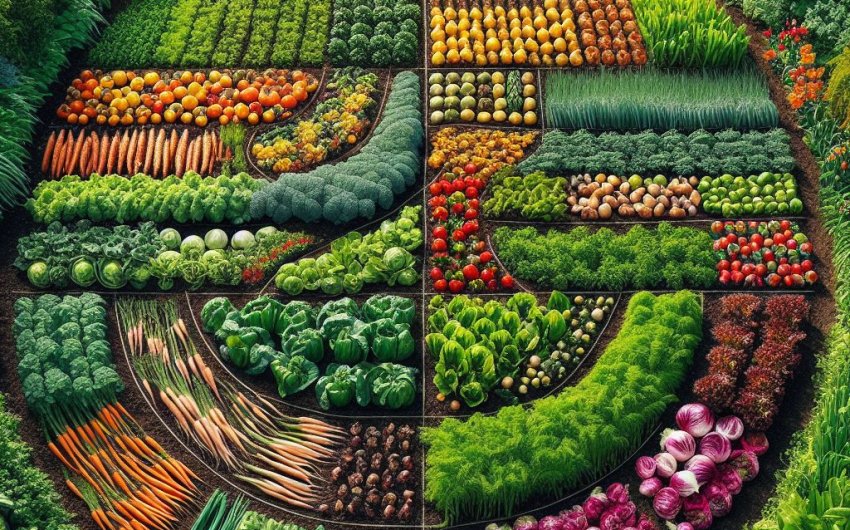
For successful growing seasonal vegetables, following a gardener's calendar tailored to your specific climate zone is absolutely essential. This strategic approach ensures you plant at the right time for optimal germination and growth, maximizing your harvests and preventing wasted effort. Understanding the rhythm of the seasons and your local conditions is the foundation of a bountiful vegetable garden.
Why is a Gardener's Calendar Essential for Growing Seasonal Vegetables?
A gardener's calendar is an indispensable tool for growing seasonal vegetables because it provides a structured roadmap for your entire gardening year. It transforms a potentially overwhelming task into a series of manageable steps, ensuring you plant, nurture, and harvest at precisely the right moments for your specific location and climate. Without such a guide, gardeners often miss critical windows for planting or care, leading to reduced yields and frustration.
Here’s why a gardener's calendar is so essential:
- Optimal Timing for Planting: It tells you exactly when to sow seeds (indoors or directly outdoors) and when to transplant seedlings based on factors like average last frost date, soil temperature, and expected daily temperatures. Planting too early can expose tender plants to frost, while planting too late can mean they don't mature before intense heat or fall frosts.
- Maximizing Harvests: By aligning your planting schedule with the optimal growing season for each vegetable, you ensure plants reach their full potential, resulting in healthier, larger, and more abundant harvests.
- Preventing Pests and Diseases: Understanding seasonal cycles helps you anticipate common pests and diseases. Proper timing of planting can sometimes help plants avoid the peak activity of certain pests or diseases, or at least be strong enough to withstand them.
- Extending the Growing Season: A well-planned calendar incorporates techniques like succession planting (planting small batches every few weeks) and fall planting, allowing you to harvest fresh produce for a longer period throughout the year.
- Resource Management: It helps you organize your seed purchases, plan your garden layout, and schedule tasks like soil amending and fertilizing, making your gardening efforts more efficient.
- Climate Adaptation: A good calendar is tailored to your specific USDA Hardiness Zone or local climate data, acknowledging that gardening in a cold northern climate is vastly different from a warm southern one.
- Reducing Waste: Avoids the common pitfalls of planting too much at once (leading to gluts) or too little (missing out on harvests), promoting a more balanced and sustainable approach to gardening.
In essence, a gardener's calendar is your intelligent guide to growing seasonal vegetables, translating abstract horticultural knowledge into practical, actionable steps for a truly productive and joyful gardening experience.
How Do I Determine My Local Growing Season?
To effectively create your own gardener's calendar for growing seasonal vegetables, the very first and most crucial step is to determine your local growing season. This isn't just about knowing your general climate; it involves pinpointing specific dates and conditions that define when it's safe to plant, and when you can expect warm weather to transition to cold. These dates are the cornerstones of all successful planting schedules.
You determine your local growing season primarily by two key dates:
- Average Last Frost Date in Spring: This is the most critical date for spring planting. It's the average date in your area when the last killing frost (temperatures at or below 32°F or 0°C) typically occurs.
- Finding This Date:
- Local Extension Office: Your local county or state agricultural extension office is an invaluable resource. They often publish this data specific to your zip code or region.
- Online Resources: Websites like almanac.com or various gardening sites provide free tools where you can input your zip code to find your average last and first frost dates.
- Local Gardeners: Experienced gardeners in your community are a great source of anecdotal evidence and practical knowledge.
- Significance: After this date, it's generally considered safe to plant frost-tender vegetables outdoors, such as tomatoes, peppers, beans, and cucumbers.
- Finding This Date:
- Average First Frost Date in Fall: This date marks the end of the warm-season growing period and the start of colder weather.
- Finding This Date: Use the same resources as for the last frost date.
- Significance: After this date, frost-tender plants will be damaged or killed. It signals when to harvest remaining warm-season crops and when to plant cold-hardy fall and winter vegetables.
- USDA Plant Hardiness Zone: While not directly about planting dates, your USDA Plant Hardiness Zone (or equivalent international system) gives you a general idea of which plants can survive winter outdoors in your region. This influences perennial vegetables and whether you can overwinter certain crops.
- Finding This: Look up your zip code on the USDA Plant Hardiness Zone Map website.
- Local Microclimates: Remember that even within a single region, your specific garden might have a microclimate. Areas near large bodies of water, on south-facing slopes, or against brick walls might be warmer, while low-lying areas or north-facing spots might be colder. Pay attention to how frost behaves in your own yard.
- Soil Temperature: For direct sowing, soil temperature is often more important than air temperature, especially for cool-season crops. Many seeds have minimum soil temperature requirements for germination. A soil thermometer can be a valuable tool.
By accurately identifying these dates and understanding your zone, you lay the foundational groundwork for a highly successful gardener's calendar dedicated to growing seasonal vegetables.
What Vegetables Should I Plant in Spring?
Spring is a season of eager anticipation for gardeners, marking the true beginning of the growing seasonal vegetables calendar. As the last frosts recede and the soil begins to warm, a diverse array of cool-season and early warm-season crops can be sown or transplanted. Understanding what to plant in spring helps maximize your garden's output throughout the coming months.
Spring planting generally falls into two categories:
1. Early Spring (Cool-Season Vegetables)
These are crops that can tolerate light frosts and prefer cooler soil and air temperatures. Plant these as soon as the soil can be worked, often 2-4 weeks before your average last frost date.
- Leafy Greens:
- Spinach: Quick-growing, delicious, and thrives in cool weather.
- Lettuce: Many varieties can be direct sown or transplanted.
- Arugula: Adds a peppery kick to salads.
- Kale: Tolerates a surprising amount of cold.
- Swiss Chard: Beautiful and productive.
- Root Vegetables:
- Radishes: Very fast-growing, a great first harvest.
- Carrots: Direct sow in well-tilled soil.
- Beets: Both roots and greens are edible.
- Potatoes: Plant seed potatoes once the soil is workable.
- Brassicas:
- Cabbage: Can be planted as seedlings.
- Broccoli: Start indoors and transplant.
- Cauliflower: Needs consistent moisture and cool temps.
- Kohlrabi: Unique and tasty.
- Other Early Spring Crops:
- Peas: Direct sow as soon as the soil can be worked. Both shelling and snap peas are popular.
- Onions (Sets or Seedlings): Plant onion sets or small seedlings.
- Asparagus: Plant crowns in early spring for a perennial bed.
2. Late Spring (Transitional/Early Warm-Season Vegetables)
As temperatures warm up and after the danger of the last frost has truly passed, you can introduce plants that need more heat but still appreciate a cooler start.
- Beans (Bush and Pole): Direct sow once soil is warm (above 60°F or 15.5°C).
- Corn: Direct sow when soil is warm.
- Squash (Summer and Winter): Direct sow seeds or transplant seedlings after frost danger.
- Cucumbers: Direct sow or transplant seedlings after frost danger.
- Tomatoes (Transplants): Plant out sturdy seedlings after all frost danger has passed and nights are consistently above 50°F (10°C).
- Peppers (Transplants): Similar to tomatoes, they love warmth.
- Eggplant (Transplants): Heat-loving, wait for warm nights.
- Herbs: Many annual herbs like basil and cilantro can be sown or transplanted.
By planning your spring planting in these stages, you ensure each vegetable gets the ideal start, leading to a long and abundant harvest season for your delicious growing seasonal vegetables.
What Vegetables Should I Plant in Summer?
Summer is the time when the garden truly explodes with growth, becoming a vibrant hub for many sun-loving and heat-loving growing seasonal vegetables. After the flurry of spring planting, summer focuses on nurturing these warmth-craving crops and making strategic successional plantings to extend your harvest well into fall. The intensity of summer sun and heat dictates what thrives during this season.
Summer planting generally focuses on maintaining and adding heat-loving crops, as well as succession planting for continuous harvests:
1. Mid-Summer (Maintaining Warm-Season Crops)
These are the backbone of the summer garden, producing heavily as long as conditions remain hot.
- Tomatoes: Continue to care for your established tomato plants, ensuring consistent watering and feeding.
- Peppers: Both sweet and hot peppers thrive in summer heat.
- Eggplant: Another heat-lover that produces abundantly.
- Squash (Summer: Zucchini, Yellow Squash): Harvest regularly to encourage more production. Plant a second succession if your first plants are slowing down or getting diseased.
- Cucumbers: Keep picking to ensure continuous fruit set. Plant new seeds for a late-summer/fall crop.
- Beans (Bush and Pole): Direct sow another round of beans every 2-3 weeks for a continuous supply.
- Corn: Plant another succession of corn for staggered harvests, especially if you have space.
- Melons (Watermelon, Cantaloupe): These thrive in long, hot summers, but need ample space and consistent water.
- Okra: A true heat-lover that produces continuously.
- Sweet Potatoes: Plant slips in late spring/early summer for a fall harvest.
2. Late Summer (Transitioning to Fall/Succession Planting)
As summer begins to wane, but temperatures are still warm, you can plant quick-growing cool-season crops for a fall harvest.
- Bush Beans: Fast-maturing varieties can still be planted for a late harvest.
- Carrots: Direct sow for a fall crop. The cooler soil enhances sweetness.
- Beets: Direct sow for fall roots and greens.
- Lettuce and Other Leafy Greens (Heat-Tolerant Varieties): Begin sowing heat-tolerant varieties or those bred for slower bolting. Provide some afternoon shade if still very hot.
- Radishes: Quick to mature, good for a fast fall crop.
- Swiss Chard: Plant new seeds for a fresh fall harvest.
- Kale: Direct sow or transplant for a hardy fall/winter crop.
The key to a successful summer garden for growing seasonal vegetables is vigilant watering, managing pests that thrive in heat, and making smart succession plantings to avoid gaps in your harvest.
What Vegetables Should I Plant in Fall?
Fall is a surprisingly productive season for growing seasonal vegetables, offering a "second spring" for many cool-season crops. As the intense summer heat subsides and temperatures become milder, it's the perfect time to plant hardy vegetables that thrive in cooler weather and can even tolerate light frosts, extending your fresh harvest well into winter or even early spring in mild climates.
Fall planting generally focuses on hardy cool-season vegetables:
1. Early Fall (As Summer Heat Breaks)
As temperatures begin to drop and before the first hard frost.
- Leafy Greens:
- Spinach: Direct sow for continuous harvests.
- Lettuce: Direct sow or transplant sturdy seedlings. Look for bolt-resistant varieties.
- Arugula: Quick and spicy, perfect for fall.
- Swiss Chard: Resilient and continues to produce even with light frosts.
- Kale: Becomes sweeter after a few light frosts.
- Mache (Corn Salad): Very cold-hardy, excellent for winter harvests.
- Collard Greens: Hardy and flavorful.
- Root Vegetables:
- Carrots: Direct sow for a late fall or overwintering crop. Cooler temperatures enhance sweetness.
- Beets: Direct sow for sweet roots and tender greens.
- Radishes: Very quick-growing, a fast fall harvest.
- Brassicas:
- Broccoli: Transplant seedlings for a late fall harvest.
- Cabbage: Transplant seedlings.
- Kohlrabi: Can be grown for a fall crop.
- Turnips: Both roots and greens are edible.
- Other Early Fall Crops:
- Peas (Shelling or Snap): In milder climates, a fall planting can yield a harvest before deep winter.
- Bunching Onions/Scallions: Direct sow for fall/winter greens.
2. Late Fall (Before Ground Freezes Solid)
For truly cold-hardy crops or preparing beds for winter.
- Garlic: Plant individual cloves in late fall (after the first hard frost but before the ground freezes solid). It needs the cold period to develop bulbs.
- Shallots: Similar planting time to garlic.
- Cover Crops: Sow cover crops (like winter rye, clover, or vetch) to improve soil health, prevent erosion, and add organic matter over winter. These are tilled under in spring.
- Hardy Onions: Some specific hardy onion varieties can be planted as sets in late fall.
- Perennial Vegetables: Fall is often a good time to plant perennial vegetables like asparagus crowns or rhubarb roots, as they can establish their root systems before spring.
The fall garden for growing seasonal vegetables is a rewarding endeavor, extending your fresh produce supply and setting the stage for success in the coming spring.
What Vegetables Can Be Grown in Winter (Mild Climates/Protected)?
For gardeners in mild climates (USDA Zones 7-10 or higher) or those utilizing protective measures like cold frames and row covers, winter isn't a dormant period but a surprisingly productive season for growing seasonal vegetables. Instead of a barren landscape, you can enjoy a continuous supply of fresh, hardy greens and root crops, making the most of the cooler temperatures and shorter daylight hours.
Here's what vegetables can be grown in winter, especially in milder climates or with protection:
1. Hardiest Greens (Often Sweetened by Frost):
- Kale: Many varieties become even sweeter and more tender after a few light frosts. Can be harvested leaf by leaf.
- Collard Greens: Similar to kale, very hardy.
- Spinach: Can overwinter in many zones and provide early spring harvests. Varieties like 'Tyee' or 'Bloomsdale Long Standing' are good choices.
- Swiss Chard: Extremely resilient, providing continuous harvests.
- Mache (Corn Salad): Incredibly cold-hardy, can be harvested even under snow.
- Arugula: Some varieties tolerate cold well, especially with protection.
- Mustard Greens: Can withstand light frosts.
- Winter Lettuces: Specific hardy varieties are available, especially when grown under cloches or in cold frames.
2. Root Vegetables (Left in the Ground):
- Carrots: Many varieties can be left in the ground with a thick layer of mulch (like straw) over them. They become incredibly sweet after cold exposure and can be "dug as needed."
- Beets: Similar to carrots, can be overwintered in the ground with mulch in mild climates.
- Parsnips: Require a cold period to develop their best flavor. Can be left in the ground and harvested even after the ground freezes (if you can dig them).
- Leeks: Extremely cold-hardy. Can be left in the ground and harvested through winter.
- Turnips: Hardy varieties can overwinter.
3. Alliums (Often Planted in Fall for Spring Harvest):
- Garlic: Planted in fall, it overwinters as a small plant and develops bulbs in late spring/early summer.
- Shallots: Similar to garlic.
- Bunching Onions/Scallions: Can often be harvested through winter or provide very early spring greens.
4. With Protection (Cold Frames, Greenhouses, Row Covers):
- Cold Frames: An unheated cold frame can extend the season dramatically, allowing you to grow all the above greens, and even some more tender lettuces or herbs, through much colder periods.
- Row Covers: Lightweight floating row covers can add a few degrees of protection, useful for extending harvests into early winter.
- Unheated Greenhouses: Offer even more protection, allowing for sustained winter harvests of many cool-season crops.
The winter garden, especially with smart protection, can provide delicious, fresh growing seasonal vegetables, proving that gardening doesn't have to stop when the temperatures drop.
How Can I Extend My Growing Season with a Gardener's Calendar?
Extending your growing season for seasonal vegetables is a key goal for many gardeners, allowing for a longer period of fresh produce and more abundant harvests. A well-planned gardener's calendar isn't just about planting in season; it incorporates clever strategies and tools that push the boundaries of what's possible in your climate, effectively stretching the calendar year-round.
Here’s how you can extend your growing season using a strategic gardener's calendar:
- Succession Planting:
- What it is: Planting smaller batches of quick-growing crops (like lettuce, radishes, spinach, bush beans, cilantro) every 2-4 weeks.
- Benefit: Prevents a glut of produce all at once and ensures a continuous harvest throughout the season, rather than one big flush.
- Calendar Use: Mark specific dates for repeat sowings of your favorite fast-growing vegetables.
- Starting Seeds Indoors:
- What it is: Giving heat-loving plants (tomatoes, peppers, eggplants) and slow-growing cool-season plants (broccoli, cabbage) a head start indoors under controlled conditions.
- Benefit: Allows you to transplant larger, more robust seedlings outdoors earlier in spring, extending their growth period before summer heat or fall frost.
- Calendar Use: Mark "seed starting indoors" dates 6-8 weeks (or as recommended) before your average last frost date. Invest in a seed starting kit with grow lights for optimal results.
- Fall Planting for Overwintering/Early Spring Harvests:
- What it is: Planting cold-hardy greens (spinach, kale, mache) and roots (carrots, beets) in late summer/early fall.
- Benefit: These plants establish roots in warm soil, then either overwinter for an extra-early spring harvest or mature in cool fall conditions for late-season eating.
- Calendar Use: Mark dates to sow fall crops 6-8 weeks before your average first frost date.
- Using Season Extenders (Physical Tools):
- Cold Frames: Unheated structures placed over garden beds to protect plants from cold, extend warmth, and allow for earlier spring planting and later fall harvests.
- Row Covers (Floating): Lightweight fabric covers placed directly over plants. They provide a few degrees of frost protection, shield from pests, and slightly raise soil temperature.
- Cloches/Hoop Tunnels: Mini-greenhouses (cloches) or larger hoop structures covered with plastic or fabric to create warmer microclimates.
- Greenhouses (Unheated/Heated): Offer the most significant extension, allowing year-round gardening in many climates.
- Calendar Use: Factor in when to deploy these tools based on expected temperature drops or rises.
- Choosing Early/Late Varieties:
- What it is: Selecting specific vegetable varieties bred for faster maturity (early varieties) to beat the heat or frost, or for improved cold tolerance (late varieties) to withstand autumn chill.
- Benefit: Optimizes the plant's natural growth cycle for your specific season lengths.
- Calendar Use: Note "early" or "late" varieties in your planting plan.
- Heated Seedling Mats:
- What it is: Using a seedling heat mat under indoor seed trays to warm the soil.
- Benefit: Speeds up germination of warmth-loving seeds, allowing you to start them earlier and get a head start.
By strategically layering these techniques within your gardener's calendar, you can significantly extend your time enjoying fresh, homegrown growing seasonal vegetables, making your garden productive almost year-round.
What Are the Key Considerations for Growing Seasonal Vegetables in Containers?
Growing seasonal vegetables in containers offers incredible flexibility and convenience, making it a popular choice for urban gardeners, those with small spaces, or anyone wanting to enjoy fresh produce with less fuss. However, container gardening has its own unique set of considerations that differ from in-ground planting, and understanding these is key to successfully maintaining your gardener's calendar in pots.
Here are the key considerations for growing seasonal vegetables in containers:
- Container Size and Material:
- Size Matters: The biggest mistake is choosing containers that are too small. Most vegetables need ample root space.
- Small (6-8 inches deep): Herbs, lettuce, radishes.
- Medium (8-12 inches deep): Bush beans, spinach, carrots (short varieties), kale.
- Large (12-24+ inches deep): Tomatoes, peppers, cucumbers, squash, potatoes.
- Material:
- Terracotta/Clay: Porous, good for drainage, but dry out quickly.
- Plastic: Retains moisture better, lighter, but can heat up in sun.
- Fabric Grow Bags: Excellent for aeration and drainage, flexible, and prevent root circling. A set of fabric grow bags is a versatile option.
- Drainage Holes: Absolutely essential. Every container must have drainage holes to prevent root rot.
- Size Matters: The biggest mistake is choosing containers that are too small. Most vegetables need ample root space.
- Potting Mix (Not Garden Soil):
- Drainage and Aeration: Use a high-quality potting mix specifically formulated for containers. It's lighter, provides excellent drainage and aeration, and holds moisture well without compacting.
- Avoid Garden Soil: Never use heavy garden soil in containers; it compacts, drains poorly, and can introduce pests and diseases.
- Watering Frequency:
- More Frequent: Container plants dry out much faster than in-ground plants, especially in hot, sunny, or windy conditions. You may need to water daily, or even twice a day, during peak summer heat.
- Monitor Moisture: Check soil moisture frequently by sticking your finger 1-2 inches deep or using a soil moisture meter.
- Deep Watering: Water until it drains from the bottom.
- Fertilization:
- More Often: Nutrients leach out of containers faster with frequent watering. Container vegetables are typically heavy feeders.
- Liquid Feed: Use a balanced liquid fertilizer every 2-4 weeks, or a slow-release granular fertilizer mixed into the potting mix at planting time. A liquid organic vegetable fertilizer is ideal for consistent feeding.
- Sunlight and Location:
- Portability: The advantage of containers is you can move them to optimize sunlight. Most vegetables need 6-8 hours of full sun.
- Heat Management: In intense summer heat, you might temporarily move heat-sensitive plants (like leafy greens) to partial shade to prevent bolting.
- Support:
- Many vining or tall vegetables (tomatoes, cucumbers, pole beans) still need staking, caging, or trellising even in containers.
- Pest and Disease Management:
- Easier to Isolate: Container plants can be moved away from infected plants.
- Closer Inspection: Easier to spot issues early.
By paying attention to these container-specific needs, you can successfully integrate container gardening into your seasonal vegetable calendar, enjoying fresh produce even in the smallest of spaces.
How Can I Document My Gardener's Calendar for Growing Seasonal Vegetables?
Effectively documenting your gardener's calendar for growing seasonal vegetables is a powerful practice that transforms guesswork into informed decision-making for future seasons. It's not just about planning; it's about learning from your experiences, tracking what worked and what didn't, and continuously refining your approach to achieve increasingly bountiful harvests. A well-kept garden journal becomes an invaluable resource over time.
Here’s how you can effectively document your gardener's calendar:
- Choose Your Documentation Method:
- Physical Garden Journal/Notebook: A dedicated notebook, spiral-bound or binder, offers the tactile experience of writing and sketching. Many gardening journals are specifically designed with templates.
- Digital Document/Spreadsheet: Using a spreadsheet program (like Excel or Google Sheets) allows for easy sorting, filtering, and analysis of data. Word documents or notes apps can also work.
- Gardening Apps: Many smartphone apps are designed for garden planning and tracking, often with built-in calendars and reminders.
- Key Information to Record (The Calendar Itself):
- Frost Dates: Note your average last and first frost dates.
- Seed Starting Dates: For each vegetable, record:
- Variety Name: (e.g., 'Brandywine' Tomato, 'Black Seeded Simpson' Lettuce).
- Sowing Date (Indoor/Outdoor): When you put the seeds in the ground or trays.
- Germination Date: When the first sprouts appeared.
- Transplant Date: When seedlings moved outdoors.
- Harvest Dates: First and last harvest dates.
- Yield: How much you harvested (e.g., "5 lbs tomatoes," "12 heads lettuce").
- Succession Planting: Clearly mark repeat sowing dates.
- Fertilization Dates: When and with what you fertilized.
- Pest/Disease Observations: Dates you noticed pests or diseases, what they were, and how you treated them.
- Weather Notes: General weather conditions (e.g., "very wet spring," "hot dry July").
- Garden Layout: Include a simple sketch of your garden layout each season, noting where each vegetable was planted. This is crucial for crop rotation.
- Narrative Observations and Reflections:
- Beyond data, include written notes on what worked well, what didn't, and why you think that was.
- Successes: " 'Sungold' tomatoes were fantastic this year, grew really well in full sun."
- Challenges: "Early spring lettuce bolted quickly due to unexpected heatwave; next year, try shadier spot or more heat-tolerant variety."
- New Ideas: "Want to try growing more root vegetables next fall."
- Taste Notes: " 'Provider' bush beans had great flavor."
- Photos:
- Take pictures throughout the season – at planting, during peak growth, at harvest, and of any problems. Visual records are incredibly helpful.
- Review Annually:
- At the end of each growing season, or before planning the next, take time to review your garden journal. This is where the learning happens.
- Analyze yields, identify successful strategies, and note areas for improvement.
By consistently documenting your growing seasonal vegetables in a detailed gardener's calendar, you build a personalized knowledge base that becomes your most valuable gardening asset, guiding you to ever-more successful and abundant harvests year after year.