
Preserving Heritage: Exploring Heirloom Vegetable Varieties
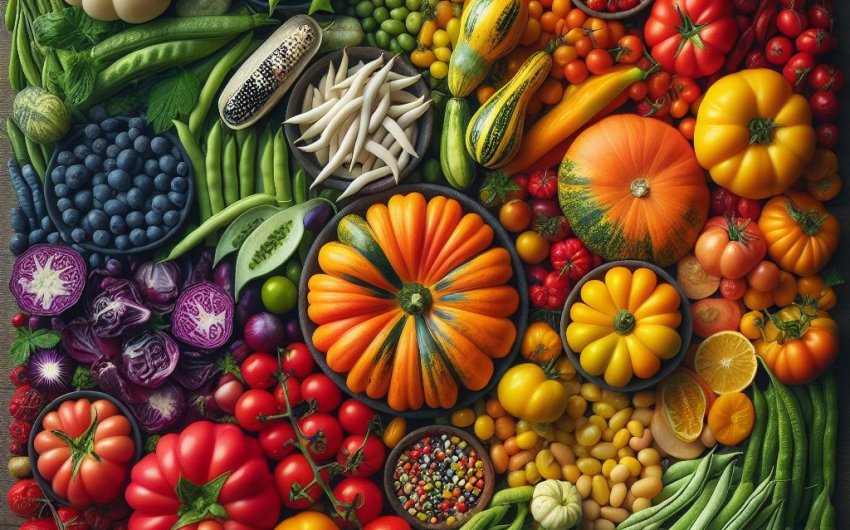
Yes, preserving heritage by exploring heirloom vegetable varieties is a vital and immensely rewarding endeavor for gardeners, cooks, and anyone passionate about food. These special plants are more than just old seeds; they represent a living link to our past, offering unparalleled flavors, unique appearances, and crucial genetic diversity that are often missing from modern, mass-produced crops. Delving into heirlooms allows us to protect and celebrate a rich agricultural legacy.
What Exactly Are Heirloom Vegetable Varieties?
Heirloom vegetable varieties are much more than simply "old" plants; they represent a treasured connection to agricultural history and culinary traditions. These special vegetables are defined by their unique lineage, characteristics, and the way their seeds have been preserved and passed down through generations. Understanding what exactly an heirloom is helps illuminate why preserving heritage through them is so important.
Here’s what defines heirloom vegetable varieties:
- Open-Pollinated (Non-Hybrid): This is the most fundamental characteristic. Heirloom varieties are open-pollinated, meaning they are pollinated naturally by insects, birds, wind, or human hands. When you save seeds from an open-pollinated plant, those seeds will produce offspring that are true-to-type, meaning they will have the same characteristics as the parent plant. This is crucial for seed saving.
- Contrast with Hybrids (F1): Modern hybrid (F1) seeds are created by crossing two distinct parent lines. While hybrids often offer uniform traits like high yield or disease resistance, saving seeds from them will not produce true-to-type plants; the offspring will be unpredictable and often inferior.
- Genetic Stability Over Generations: Because they are open-pollinated, heirloom varieties maintain their genetic stability and distinct characteristics season after season, as long as they are grown without cross-pollination from other varieties of the same species.
- Established History and Provenance: While there's no strict rule, a common informal definition for "heirloom" is that the variety existed before 1940-1950 (the approximate time when hybrid seeds became widespread), or that it has been passed down through a family or community for at least 50 years. This implies a proven track record of successful growth and appreciation.
- Unique Characteristics: Heirlooms are typically known for distinctive traits that set them apart from commercial varieties. These often include:
- Exceptional Flavor: Often lauded for complex, intense, and varied flavors that surpass modern counterparts.
- Unusual Appearance: They come in a breathtaking array of shapes, sizes, and colors (e.g., striped tomatoes, purple carrots, curly beans).
- Adaptation: Many are adapted to specific local climates or soil conditions due to generations of selection by local gardeners.
- Cultural Significance: Many heirlooms carry stories, traditions, and memories, passed down alongside the seeds themselves, representing a living piece of culinary and family history.
In essence, heirloom vegetable varieties are genetically stable, open-pollinated plants with a rich history, offering unique qualities that connect us directly to the agricultural past and empower us to continue preserving heritage for future generations.
Why is Preserving Heirloom Varieties So Important?
The act of preserving heirloom varieties is far more than just a nostalgic gardening hobby; it is a critical endeavor with profound implications for food security, biodiversity, and cultural heritage. In an era dominated by large-scale commercial agriculture, protecting these older strains of vegetables becomes an act of safeguarding the future of our food system.
Here’s why preserving heirloom varieties is so important:
- Genetic Diversity (Biodiversity):
- Safeguarding Future Food: Heirloom varieties represent a vast reservoir of genetic diversity. Each variety contains unique genetic traits that might confer resistance to new diseases, tolerance to changing climates (drought, heat, cold), or adaptability to specific soil types. Relying on only a few commercially popular hybrid varieties puts our global food supply at enormous risk if a new pest or disease emerges that targets those specific genetics. Preserving heirlooms is like keeping a genetic "insurance policy."
- Adaptation to Climate Change: As climates shift, the diverse genetics within heirlooms may hold the key to developing new, resilient crops that can thrive in challenging future conditions.
- Superior Flavor and Culinary Quality:
- Taste of the Past: Many heirloom varieties are renowned for their complex, intense, and often incomparable flavors that are frequently bred out of commercial varieties in favor of traits like uniform size, thick skin (for shipping), or longer shelf life. For example, a Brandywine tomato tastes profoundly different from a supermarket hybrid.
- Unique Culinary Characteristics: Their unusual shapes, colors, and textures offer unique culinary possibilities and add visual appeal to dishes, inspiring chefs and home cooks alike.
- Cultural and Historical Heritage:
- Living History: Many heirlooms have rich stories, having been passed down through generations of families, immigrant communities, or indigenous peoples. They are living links to our past, reflecting diverse agricultural practices, migration patterns, and culinary traditions.
- Connecting with Roots: Growing a specific heirloom can connect gardeners to their own family history or a broader cultural legacy.
- Empowerment of Seed Saving:
- Gardener Independence: Because heirlooms are open-pollinated, gardeners can save their own seeds from season to season. This fosters self-sufficiency, reduces reliance on commercial seed companies, and strengthens local food systems.
- Skill Preservation: The practice of seed saving is an ancient agricultural skill that is essential to maintain.
- Local Adaptation:
- Many heirloom varieties have been grown in specific regions for so long that they have become uniquely adapted to local soil conditions, climate, and pest pressures, often outperforming newer varieties in their particular "home" environment.
By actively engaging in preserving heritage through the cultivation and sharing of heirloom vegetable varieties, we are contributing to a more resilient, flavorful, and historically rich food future for everyone.
What Are the Benefits of Growing Heirloom Vegetables?
Choosing to grow heirloom vegetable varieties offers a compelling array of benefits that extend beyond simply harvesting food. These advantages often address some of the shortcomings of modern commercial agriculture, providing gardeners with a more satisfying, sustainable, and flavorful experience. Embracing heirlooms is a direct way of preserving heritage while enriching your plate.
Here are the key benefits of growing heirloom vegetables:
- Unbeatable Flavor and Aroma:
- The Prime Advantage: This is, for many, the number one reason to grow heirlooms. They are often cultivated for their superior, complex, and intense flavors that frequently outshine their bland supermarket counterparts. Think of the rich, earthy taste of a 'Cherokee Purple' tomato versus a mass-produced hybrid.
- Greater Aromatic Depth: Along with flavor, heirlooms often have more pronounced and varied aromas.
- Unique Appearance and Diversity:
- Visual Feast: Heirlooms come in a stunning and often whimsical array of shapes, sizes, and colors (e.g., striped tomatoes, purple beans, rainbow carrots, unusually shaped squash). This adds immense visual appeal and interest to your garden and your plate.
- Biodiversity: They promote genetic diversity in your garden and the wider food system, acting as a living seed bank.
- Ability to Save Seeds:
- Self-Sufficiency: Since heirlooms are open-pollinated, you can save the seeds from your harvest year after year, and they will grow true-to-type (produce plants just like the parent). This makes you self-sufficient for seeds and reduces annual purchasing costs.
- Adaptation: Saving seeds from plants that thrive in your specific garden conditions eventually leads to varieties uniquely adapted to your local microclimate.
- Connection to History and Culture:
- Storytelling: Each heirloom often has a rich history or a compelling story behind its origin, connecting you to past generations, cultures, and specific regions. Growing them is a way of preserving heritage and becoming part of that ongoing narrative.
- Community: Heirlooms foster a sense of community through seed swapping and sharing knowledge.
- Potential for Regional Adaptation:
- Many heirlooms developed their resilience over generations in specific climates, making them uniquely suited to those regions' conditions, sometimes outperforming generic hybrids in challenging local environments.
- Sustainable Gardening Practice:
- Reduced Reliance: Seed saving reduces reliance on commercial seed companies.
- Ecological Balance: Promoting diversity can contribute to a healthier garden ecosystem.
- Nutritional Value (Potential):
- While not universally proven for all heirlooms, some research suggests that varieties bred for flavor and richness might also retain a higher concentration of certain vitamins, minerals, and antioxidants compared to varieties bred primarily for shelf life.
By choosing to cultivate heirloom vegetable varieties, gardeners embark on a flavorful journey that simultaneously enriches their tables, strengthens their self-sufficiency, and actively participates in the vital work of preserving heritage.
What Are the Challenges of Growing Heirloom Vegetables?
While the allure of heirloom vegetable varieties is strong, gardeners should be aware of some specific challenges that can arise when cultivating these unique plants. Understanding these potential hurdles allows for better planning and preparation, turning what might be perceived as a drawback into a manageable aspect of preserving heritage in your garden. The benefits often far outweigh these considerations for dedicated growers.
Here are the common challenges associated with growing heirloom vegetables:
- Lower Disease and Pest Resistance:
- The Main Hurdle: Unlike many modern hybrids that are specifically bred for resistance to common diseases (e.g., Fusarium wilt, blight) and certain pests, heirlooms generally lack these engineered defenses. This can make them more susceptible to outbreaks, requiring more vigilant monitoring and organic pest/disease management strategies.
- Impact: A serious disease outbreak can significantly reduce yields or even wipe out a crop.
- Lower Yields (for some varieties):
- Yield vs. Flavor: While heirlooms offer superior flavor, many varieties may produce lower yields per plant compared to high-yielding commercial hybrids. They might produce fewer fruits or mature more slowly.
- Implication: You might need to plant more heirloom plants to achieve the same total harvest volume as fewer hybrid plants.
- Less Uniformity:
- Natural Variation: Being open-pollinated, heirlooms often exhibit more natural variation in size, shape, color, and maturity time within a single crop. This is part of their charm but can be a challenge if uniformity is desired (e.g., for market gardeners).
- Maturity Window: Not all fruits on an heirloom plant may ripen at the exact same time, requiring more frequent harvesting.
- Shorter Shelf Life and More Delicate Skin:
- Harvest & Eat Quickly: Many heirlooms, especially tomatoes, have thinner, more delicate skins and a shorter shelf life than commercial varieties. They don't ship well or store for extended periods.
- Bruising: They are more prone to bruising, making careful handling essential. This means they are best enjoyed fresh from the garden or quickly processed.
- Requires More Space (for some vining types):
- Many older heirloom varieties, especially tomatoes and cucumbers, tend to be indeterminate and very vigorous, requiring substantial space and sturdy support.
- Implication: May not be ideal for very small gardens or container growing without aggressive pruning.
- Seed Saving Requires Isolation:
- While a benefit, saving true-to-type seeds from heirlooms requires understanding and implementing isolation techniques (distance, caging, hand-pollination) to prevent cross-pollination from other varieties of the same species. Without isolation, your saved seeds might not come true.
- Availability:
- While increasingly popular, some very rare or regionally specific heirloom seeds might be harder to find than common hybrid varieties. You might need to seek out specialty seed companies or seed exchanges.
Despite these challenges, the unique flavors, fascinating histories, and the satisfaction of preserving heritage make growing heirloom vegetable varieties a deeply rewarding experience for many gardeners, embracing the quirks along with the benefits.
How Do I Start a Garden with Heirloom Vegetables?
Starting a garden with heirloom vegetable varieties is an exciting journey that connects you with rich flavors and fascinating history. It’s not dramatically different from conventional gardening, but a few key considerations will set you up for success in preserving heritage on your plate. With thoughtful planning, you can enjoy a bounty of unique and delicious produce.
Here’s a step-by-step guide to starting a garden with heirloom vegetables:
- Plan Your Garden Space:
- Sunlight: Most vegetables need 6-8 hours of full sun per day. Observe your garden throughout the day to find the sunniest spots.
- Size: Start small if you're new to gardening. A few raised beds or even large containers can yield a surprising amount of food.
- Water Access: Ensure easy access to a water source.
- Choose Your Heirloom Varieties Wisely:
- Start with Favorites: Pick a few types of vegetables you love to eat. Tomatoes, peppers, beans, and leafy greens are popular heirloom choices.
- Research Varieties: Explore different heirloom cultivars. Look for descriptions that highlight flavor, unique appearance, and suitability for your climate.
- Consider Challenges: Be mindful of heirlooms that might be less disease-resistant or have lower yields; you might need to plant more or provide extra care.
- Read Reviews: Check reviews from other gardeners in similar zones.
- Source Your Seeds or Starts:
- Specialty Seed Companies: Many reputable online and local seed companies specialize in heirloom seeds. Look for terms like "open-pollinated" or "heirloom." A great place to start is with companies offering heirloom vegetable seed collections.
- Seed Swaps/Exchanges: Connect with local gardening groups or seed libraries for unique varieties adapted to your area.
- Local Nurseries: Some garden centers offer heirloom seedlings.
- Prepare Your Soil (Crucial for Heirlooms):
- Soil Test: It's highly recommended to get a soil test to understand your soil's pH and nutrient levels. Your local agricultural extension office can help.
- Amend Generously: Incorporate plenty of organic matter like well-rotted compost, aged manure, or leaf mold. This improves drainage, moisture retention, and provides essential nutrients, which is vital for heirlooms that aren't bred for harsh conditions.
- pH Adjustment: Adjust soil pH if necessary (most vegetables prefer pH 6.0-7.0).
- Planting Time (According to Your Calendar):
- Last Frost Date: Know your average last frost date.
- Start Indoors: Many heirlooms, especially tomatoes and peppers, benefit from being started indoors 6-8 weeks before the last frost to get a head start. Use a seed starting kit.
- Direct Sow: Plant cold-hardy and quick-growing heirlooms (like lettuce, radishes, bush beans) directly outdoors after the soil has warmed appropriately.
- Ongoing Care (Vigilance is Key):
- Watering: Consistent watering is essential, especially for heirlooms that might be less drought-tolerant. Use a soil moisture meter.
- Fertilizing: Supplement with a balanced organic fertilizer as needed, especially for heavy feeders.
- Pest and Disease Management: Monitor plants frequently. Be prepared to use organic pest control methods (hand-picking, insecticidal soap, neem oil) or cultural practices (crop rotation, companion planting) as heirlooms may lack resistance.
- Support: Provide sturdy stakes or cages for vining heirlooms.
- Harvesting and Seed Saving:
- Regular Harvesting: Harvest vegetables regularly to encourage more production.
- Seed Saving: For heirlooms, select a few of your best, healthiest, and most productive plants for seed saving. Allow fruits to fully mature (often past eating stage) before collecting seeds. Learn proper seed saving techniques for each type.
By embracing these steps, you'll embark on a flavorful and meaningful journey of preserving heritage right in your own garden, discovering the unique joys of heirloom vegetable varieties.
What Are Some Popular Heirloom Vegetable Varieties to Try?
The world of heirloom vegetable varieties is incredibly rich and diverse, offering a tantalizing array of choices for gardeners eager to explore unique flavors, colors, and histories. Starting with popular and well-loved heirlooms is a great way to experience the benefits of preserving heritage firsthand. These varieties are often lauded for their exceptional taste and reliable performance.
Here are some popular heirloom vegetable varieties that gardeners love to grow:
1. Tomatoes (Solanum lycopersicum):
Heirloom tomatoes are perhaps the most famous and diverse heirloom category.
- 'Brandywine' (Pink): A legendary beefsteak tomato. Known for its large size, deep pink color, and intensely rich, sweet, and complex flavor. A classic choice.
- 'Cherokee Purple': Originating from the Cherokee Nation. Features a unique dusky rose to purple-brown skin with green shoulders and a deep, smoky, sweet flavor.
- 'Mortgage Lifter': A large, meaty, slightly flattened pink-red beefsteak. Developed in the 1930s by a man who paid off his mortgage by selling the plants. Great flavor.
- 'Black Krim': A Russian heirloom with deep reddish-brown fruit, sometimes with greenish shoulders. Known for its rich, slightly salty, and complex flavor.
- 'Green Zebra': Unique bright green fruit with darker green stripes when ripe. Tart, tangy, and sweet flavor. A visual standout.
- 'San Marzano' (Red Paste): The classic Italian paste tomato. Prized for its elongated shape, thick walls, few seeds, and sweet, low-acid flavor, ideal for sauces.
2. Beans (Phaseolus vulgaris):
Heirloom beans offer beautiful pods, diverse flavors, and often stunning dried beans.
- 'Kentucky Wonder' (Pole Bean): A very productive pole bean with tender, flavorful green pods that remain stringless for a long time. Great fresh or dried.
- 'Dragon's Tongue' (Bush Bean): A striking flat-podded bush bean with yellow pods streaked with purple. Beautiful fresh, and the streaks disappear when cooked.
- 'Provider' (Bush Bean): A reliable, early-maturing bush bean with dark green, stringless pods. Known for its disease resistance and good production.
- 'Jacob's Cattle' (Dry Bean): A beautiful white bean speckled with maroon, resembling a cow's hide. Excellent as a dry bean for soups and stews.
3. Lettuce and Greens (Lactuca sativa, etc.):
Heirloom greens offer a spectrum of colors, textures, and tastes.
- 'Black Seeded Simpson' (Looseleaf Lettuce): A reliable, fast-growing, light green looseleaf lettuce that is heat-tolerant and bolt-resistant. Great for early spring or fall.
- 'Red Salad Bowl' (Looseleaf Lettuce): Beautiful, deeply lobed burgundy-red leaves. Adds color and tender texture to salads.
- 'Mascara' (Looseleaf Lettuce): A stunning deep red-leaf lettuce with a ruffled texture.
- 'Bloomsdale Long Standing' (Spinach): A classic, slow-bolting spinach with dark green, savoyed (crinkled) leaves.
4. Peppers (Capsicum annuum):
Heirloom peppers provide a range of colors, shapes, and heat levels.
- 'California Wonder' (Bell Pepper): A classic, blocky green bell pepper that ripens to red. Sweet and reliable.
- 'Sweet Banana' (Sweet Pepper): Long, tapered, yellow peppers that ripen to orange or red. Sweet and mild, great for salads or pickling.
- 'Jalapeño' (Hot Pepper): While widely available, the standard 'Jalapeño' is an heirloom. Medium heat, versatile.
5. Other Favorites:
- 'Chioggia' Beets: A unique Italian heirloom beet with concentric rings of red and white when sliced. Sweet and mild flavor.
- 'Long Island Improved' Brussels Sprouts: A classic, compact variety that produces abundant sprouts on a strong stalk.
- 'Connecticut Field' Pumpkin: A traditional large, orange pumpkin, ideal for carving and baking.
- 'Marketmore 76' Cucumber: A reliable, disease-resistant slicing cucumber with dark green skin.
Exploring these popular heirloom vegetable varieties is a fantastic way to begin your journey of preserving heritage in your garden, delighting your taste buds with flavors from the past.
How Do I Save Seeds from Heirloom Vegetables?
Saving seeds from heirloom vegetable varieties is the cornerstone of preserving heritage, allowing gardeners to cultivate self-sufficiency and adapt plants to their unique growing conditions. This practice ensures your favorite varieties continue year after year, but it requires understanding the correct techniques for each type of vegetable. It's a skill that connects you directly to the rhythms of nature and generations of gardeners before you.
Here’s a general guide to saving seeds from heirloom vegetables:
- Understand Open-Pollination and Avoid Hybrids:
- Heirlooms ONLY: Only save seeds from open-pollinated (OP) or heirloom varieties. Seeds from hybrid (F1) plants will not grow true-to-type.
- Isolation: For best results, prevent cross-pollination. If you grow multiple varieties of the same vegetable species (e.g., several types of squash), you'll need to isolate them by distance, physical barriers (like row covers during flowering), or hand-pollination to ensure your saved seeds are true-to-type.
- Choose the Best Parent Plants:
- Select seeds from the healthiest, most vigorous, and productive plants that exhibit the desired traits (best flavor, earliest maturity, disease resistance, etc.). Avoid saving seeds from weak or diseased plants.
- Allow Fruits to Fully Mature (Often Past Eating Stage):
- This is critical. For most vegetables, you need to let the fruit or seed pod mature on the plant longer than you would for eating. The seeds need to reach full physiological maturity.
- Tomatoes/Peppers: Allow fruit to become overripe (soft or fully colored).
- Beans/Peas: Let pods dry completely on the vine until they are brittle and seeds rattle inside.
- Cucumbers/Squash: Let them grow huge and tough, well past eating stage.
- Lettuce/Greens: Allow them to "bolt" (send up a flower stalk) and let the flowers dry out until they form feathery seed heads.
- Harvest Seeds:
- Wet Processing (for fleshy fruits like tomatoes, cucumbers, squash):
- Scoop out seeds and pulp into a jar.
- Add a little water.
- Allow the mixture to ferment for 2-5 days (stir daily). This breaks down germination inhibitors and often kills seed-borne diseases. A layer of mold may form on top; this is normal.
- Once the good seeds sink to the bottom and the mold/pulp floats, pour off the top layer.
- Rinse the good seeds thoroughly in a sieve under running water.
- Dry Processing (for beans, peas, corn, lettuce, peppers):
- Allow pods/heads to dry completely on the plant.
- Harvest the dry pods/heads.
- Shell the beans/peas by hand.
- Rub lettuce seed heads between your hands to release seeds.
- For peppers, simply open, scrape out seeds, and spread them to dry.
- For corn, allow ears to dry on the stalk or in a dry place, then remove kernels.
- Wet Processing (for fleshy fruits like tomatoes, cucumbers, squash):
- Dry Seeds Thoroughly:
- This is the second most critical step. Spread cleaned seeds in a single layer on a paper plate, screen, or coffee filter in a cool, dry place with good air circulation.
- Allow them to dry for 1-4 weeks, depending on the seed type and humidity. They must be completely brittle and snap, not bend, before storage. Any moisture will lead to mold and failure.
- Store Seeds Properly:
- Label Clearly: Label each container with the variety name, type of vegetable, and date of harvest.
- Airtight Containers: Store seeds in airtight, moisture-proof containers (small glass jars, plastic baggies, envelopes in a sealed jar).
- Cool, Dark, Dry Place: Store containers in a cool, dark, and dry location. A refrigerator or freezer (for long-term storage) is ideal after seeds are completely dry.
- A seed storage organizer kit can help keep your collection organized.
By mastering these steps, you actively participate in the vital work of preserving heritage, ensuring the flavors and stories of heirloom vegetable varieties continue for generations.
How Can Community Seed Banks Support Heirloom Preservation?
Community seed banks play a profoundly important role in preserving heritage and supporting the growth of heirloom vegetable varieties, often serving as critical hubs for local food resilience and genetic diversity. These grassroots initiatives go beyond individual gardening efforts, creating a collective safeguard for our agricultural past and future. They are collaborative efforts that empower communities to take control of their food supply.
Here’s how community seed banks support heirloom preservation:
- Safeguarding Genetic Diversity:
- Local Adaptation: They collect, store, and distribute heirloom seeds that are often locally adapted to specific microclimates and growing conditions. This preserves genetic traits that might otherwise be lost if only national, commercial seeds are used.
- Buffer Against Loss: They act as a decentralized network of "backup copies," protecting unique varieties from loss due to natural disasters, economic pressures, or the changing priorities of large seed companies.
- Promoting Seed Saving:
- Education and Skill Sharing: Seed banks often provide workshops and resources that teach community members the essential skills of seed saving. This ensures that the knowledge and practice of maintaining heirloom varieties are passed down to new generations, preventing the loss of vital agricultural heritage.
- Empowerment: They empower individuals to become active participants in the food system, rather than passive consumers.
- Increasing Access to Heirloom Varieties:
- Affordable/Free Seeds: Many community seed banks operate on a "take a seed, leave a seed" model or offer seeds for free or a small donation, making diverse heirloom varieties accessible to everyone, regardless of income.
- Local Focus: They often focus on varieties that perform well in the local climate, helping gardeners choose appropriate seeds for their success.
- Fostering Community and Connection:
- Shared Purpose: Seed banks bring together gardeners, farmers, and food enthusiasts with a shared passion for sustainable agriculture and genetic preservation.
- Storytelling: They become repositories of the stories and histories behind heirloom varieties, further preserving heritage and strengthening cultural connections to food.
- Networking: They create networks for seed swapping, sharing best practices, and collaborative gardening efforts.
- Research and Adaptation:
- Community seed banks can facilitate informal research on how different heirloom varieties perform in specific local conditions, identifying those that are most resilient or flavorful.
- Over time, continued local seed saving from these banks can lead to further adaptation and improvement of varieties for the community.
- Economic Resilience:
- By reducing reliance on external seed sources, community seed banks contribute to the economic resilience of local food systems. Farmers and gardeners are less susceptible to price fluctuations or disruptions in the commercial seed supply.
By providing a collective framework for saving, sharing, and educating about heirloom seeds, community seed banks are essential institutions in the ongoing work of preserving heritage, ensuring that the incredible diversity and stories of heirloom vegetable varieties continue to enrich our gardens and our tables.