
Thriving in the Concrete Jungle: Urban Vegetable Gardening Tips
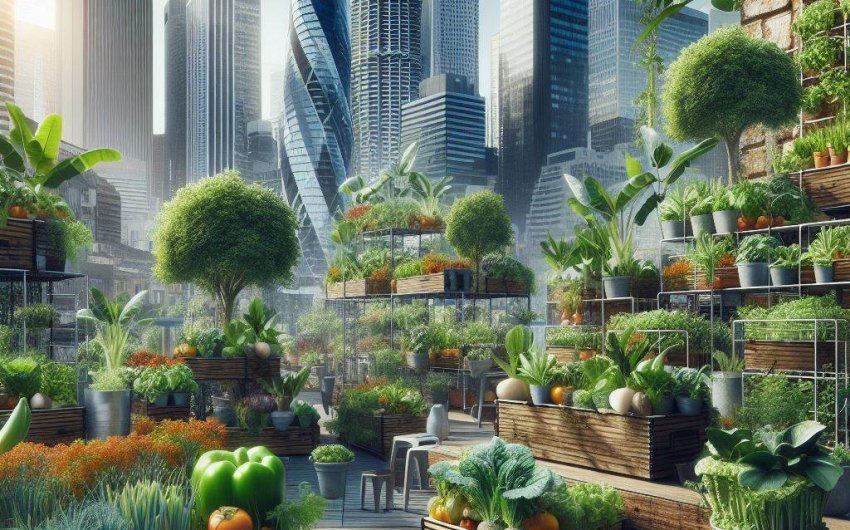
Living in a city often conjures images of skyscrapers, bustling streets, and concrete expanses, not sprawling green gardens. Yet, even within the confines of an urban environment, the dream of cultivating your own fresh vegetables is entirely achievable. Urban vegetable gardening is a growing movement, transforming balconies, rooftops, small patios, and even windowsills into productive green oases. It's about reconnecting with where our food comes from, enjoying the unparalleled taste of homegrown produce, and bringing a touch of nature's tranquility into the heart of the "concrete jungle." This guide will equip you with practical tips and creative solutions to overcome the unique challenges of urban gardening, helping you maximize your limited space and enjoy a bountiful harvest, no matter how small your plot.
What Are the Unique Challenges of Urban Vegetable Gardening?
Urban vegetable gardening is incredibly rewarding, but it comes with its own set of unique hurdles that suburban or rural gardeners might not face. Understanding these challenges is the first step to overcoming them and successfully growing food in the concrete jungle.
1. Limited Space
This is perhaps the most obvious challenge in an urban environment.
- Small Footprints: You likely don't have a sprawling backyard. Your gardening area might be a tiny balcony, a patio, a small section of a rooftop, a fire escape, or even just a windowsill.
- Vertical Limitations: While you can grow up, physical barriers like walls or other buildings might limit how much vertical space you can use or how much light can reach your plants.
- Impact: Limited space means you have to be very smart about what you grow and how you grow it. You need to maximize every square inch.
2. Sunlight Scarcity
Sunshine is essential for most vegetables, and it can be surprisingly hard to find in a city.
- Shadows from Buildings: Tall buildings, neighboring structures, and even your own building can cast long shadows, especially in the morning and late afternoon. This significantly reduces the amount of direct sunlight your plants receive.
- Aspect (Direction): Not all balconies or windows get the same sun exposure. A north-facing balcony might get very little direct sun, while a south-facing one might get too much intense afternoon sun.
- Impact: Many popular vegetables (like tomatoes, peppers, corn) need full sun (6-8 hours a day). If you don't have enough sun, your plant choices will be limited, and yields will be smaller.
3. Soil Quality (or Lack Thereof)
If you're planting directly into the ground in a small city plot, the soil can be a major problem.
- Contamination: Urban soil can be contaminated with heavy metals (from old paint, industrial pollution), lead (from old buildings or car exhaust), or other chemicals. This makes it unsafe for growing edible plants.
- Poor Structure: City soil can be very compacted, rocky, or full of construction debris. It often lacks organic matter.
- Impact: You can't just dig a hole and plant. You'll likely need to use raised beds or containers with imported, safe soil.
4. Water Access and Drainage
- No Outdoor Spigots: On a balcony or rooftop, you might not have easy access to an outdoor water spigot. Carrying water in buckets can be a chore.
- Drainage Concerns: If you're gardening on a balcony or rooftop, you need to be very careful about drainage. Water runoff needs to be managed so it doesn't cause damage to the building below or annoy neighbors.
- Impact: Watering can become a daily logistical challenge, and improper drainage can lead to structural damage or unhappy plants.
5. Pests and Pollution
- Urban Pests: While you might not have deer, city gardens can still attract pests like aphids, spider mites, slugs, and even rats or pigeons.
- Air Pollution: Exhaust fumes from cars, industrial emissions, and general city dust can accumulate on plants.
- Impact: You need strategies for managing pests organically and potentially washing produce thoroughly. Air pollution is generally less of a concern for human consumption as plants filter more than absorb, but it's something to be aware of.
6. Temperature Extremes and Wind
- Heat Island Effect: Cities are often hotter than surrounding rural areas, especially at night, due to concrete and asphalt absorbing heat. This "urban heat island effect" can stress plants.
- Wind Tunnels: On balconies or rooftops, plants can be exposed to very strong, drying winds, especially between tall buildings.
- Impact: Plants can get too hot, dry out quickly, or suffer physical damage from wind.
Despite these challenges, with careful planning and smart techniques, urban vegetable gardening is not just possible, but incredibly rewarding.
What's the Best Way to Start My Urban Garden? (Containers, Raised Beds, Verticals)
Once you understand the challenges of urban vegetable gardening, the next step is to choose the right way to build your garden. Since ground space is often limited or contaminated, most urban gardeners rely on alternative structures.
1. Container Gardening (Most Popular)
This is the go-to method for balconies, patios, and rooftops.
- What it is: Growing plants in individual pots or containers.
- Pros:
- Versatile: You can place containers almost anywhere there's light.
- Mobile: You can move pots to follow the sun, protect plants from bad weather, or rearrange your space.
- Control over Soil: You fill them with fresh, uncontaminated potting mix, ensuring healthy growing conditions.
- Drainage: Most pots have drainage holes, making watering management easier.
- Cons:
- Frequent Watering: Containers dry out much faster than in-ground gardens, often requiring daily watering in hot weather.
- Nutrient Depletion: Nutrients leach out of pots quicker, so you'll need to fertilize more often.
- Limited Root Space: Root growth is restricted, so you need to choose appropriate plant sizes and possibly up-pot as plants grow.
- Types of Containers:
- Plastic Pots: Lightweight, retain moisture well. Many different sizes.
- Terracotta Pots: Porous, allow air exchange, but dry out faster.
- Fabric Grow Bags: (VIVOSUN grow bags) Excellent aeration, good drainage, lightweight, and foldable for storage.
- Recycled Containers: Buckets, storage bins, old tires, milk jugs – just make sure they're food-safe and have drainage holes.
- Key Tip: Always ensure containers have drainage holes to prevent root rot!
2. Raised Beds (For Small Ground Spaces)
If you have a small patch of ground (e.g., a tiny backyard, a common area garden plot), raised beds are an excellent solution.
- What it is: Bottomless frames (made of wood, metal, composite) filled with imported, high-quality soil. They sit on top of the existing ground.
- Pros:
- Bypass Contaminated Soil: You bring in clean soil, so you don't have to worry about lead or heavy metals in the native city soil.
- Better Drainage: Raised beds usually drain much better than compacted city ground.
- Warmer Soil: The soil in raised beds warms up faster in spring, allowing for earlier planting.
- Easier Access: Less bending down for planting and harvesting.
- Cons:
- Initial Cost: Building or buying a raised bed and filling it with soil can be an upfront expense. A Vego Garden metal raised bed can last for decades.
- Still Dries Faster: While better than pots, they still dry out faster than in-ground gardens.
- Key Tip: Line the bottom of your raised bed with cardboard or weed barrier fabric to suppress weeds from growing up from the existing ground.
3. Vertical Gardening (Maximizing Limited Space)
When floor space is scarce, grow up! Vertical gardening techniques are perfect for small balconies and walls.
- What it is: Growing plants on a vertical structure, saving horizontal space.
- Pros:
- Space-Saving: Dramatically increases your growing area in a small footprint.
- Accessibility: Easier to reach plants.
- Aesthetic Appeal: Can create beautiful green walls.
- Cons:
- Watering Challenges: Vertical planters can dry out very quickly, and watering can sometimes be messy or difficult to ensure even moisture.
- Weight: Need to consider the weight of the system, especially when full of wet soil and plants.
- Types of Vertical Setups:
- Stackable Planters: Pots that stack on top of each other.
- Wall-Mounted Pockets/Planters: Fabric pockets or modular hard plastic planters that attach to a wall. A vertical garden planter is a popular option.
- Trellises/Arbors: For vining plants (cucumbers, beans, peas), grow them up a structure.
- Pallet Gardens: Reused wooden pallets can be converted into vertical planters.
- Hydroponic/Aeroponic Towers: More advanced systems that grow plants without soil, using water and nutrient solutions.
Choosing the right combination of these methods will allow you to create a thriving and productive urban vegetable garden that fits your unique space.
What Plants Grow Best in an Urban Garden?
Choosing the right vegetables for your urban garden is key to success. Because space and sunlight are often limited, you need plants that are compact, productive, and can adapt to smaller growing conditions.
1. High-Yielding in Small Spaces
These plants give you a lot of food for the space they take up.
- Leafy Greens:
- Lettuce (Loose-Leaf Varieties): Grow quickly, can be "cut and come again" (harvest outer leaves, and the plant regrows), and don't need deep roots. Try 'Black Seeded Simpson' or 'Buttercrunch'.
- Spinach: Similar to lettuce, excellent for small spaces.
- Kale: Very sturdy, good for continuous harvest, and tolerates some shade. 'Dwarf Blue Curled Scotch' is compact.
- Swiss Chard: Beautiful and productive, similar to kale.
- Arugula, Mizuna, Mustard Greens: Fast-growing, great for quick harvests, and often tolerate slightly cooler temperatures.
- Herbs:
- Basil: Loves sun, very productive, essential for cooking.
- Mint: Grows easily, but plant in its own pot as it spreads aggressively.
- Cilantro, Parsley: Great for continuous harvests.
- Chives, Rosemary, Thyme, Oregano: Many herbs do very well in containers.
- Bush Beans: Unlike pole beans, bush beans don't need a trellis and stay compact. They are very productive.
- Radishes: Very quick (20-30 days!), shallow roots, great for filling small gaps or a quick harvest while larger plants grow.
- Carrots (Shorter Varieties): Look for 'Danvers Half Long' or 'Paris Market' for containers. They don't need deep pots.
- Bush Cucumbers: Look for varieties specifically labeled "bush" or "patio" cucumbers, as they are compact and don't vine extensively.
2. Plants that are Good for Vertical Growing
These plants naturally climb or sprawl and can be trained upwards to save space.
- Pole Beans: Much more productive than bush beans if you have a trellis or support.
- Vining Cucumbers: Will climb a trellis or cage, keeping fruit off the ground.
- Peas: Both snap peas and shelling peas are great climbers.
- Small Squash/Melons: Some smaller varieties (e.g., 'Spaghetti Squash' or 'Sugar Baby' watermelon) can be grown vertically on a very strong trellis, with fruit supported by slings.
- Vining Tomatoes: Indeterminate varieties produce over a long season if trellised.
3. Plants that Tolerate Some Shade
If your urban garden doesn't get full sun, these plants are more forgiving. They might not produce as much, but they'll still grow.
- Most Leafy Greens: Lettuce, spinach, kale, Swiss chard, arugula.
- Radishes: Still produce well.
- Carrots: Roots will still form, though perhaps smaller.
- Most Herbs: Especially mint, parsley, and cilantro.
- Bush Beans (partial shade): Can still produce a decent crop.
4. Compact or Patio Varieties
Many seed companies now offer "patio," "dwarf," or "compact" varieties specifically bred for containers and small spaces.
- Patio Tomatoes: (Bush Goliath tomato) Shorter, bushier tomato plants that yield well in pots.
- Dwarf Peppers: Small pepper plants that still produce full-sized peppers.
- Mini Eggplants: Smaller plants with good yields.
5. What to Avoid (Unless You Have Ample Space/Sun)
- Corn: Takes up too much space for its yield per plant.
- Potatoes: Need a lot of space for tuber development (though some grow them in grow bags).
- Full-Sized Watermelons/Pumpkins: Their vines spread extensively.
- Root Vegetables that need deep soil: Unless you have very deep containers, avoid long carrot varieties or parsnips.
By thoughtfully selecting vegetables that suit your limited space and sunlight, you can create a surprisingly productive and delicious urban garden.
How Do I Water and Fertilize My Urban Container Garden?
Watering and fertilizing are arguably the most critical aspects of successful urban container gardening. Unlike in-ground gardens, containers dry out faster and nutrients leach more quickly, requiring a different approach.
Watering: The Daily Art
This is where many new urban gardeners struggle. Containers require much more frequent watering than in-ground gardens.
- Why Containers Dry Fast:
- Limited Soil Volume: There's less soil to hold moisture.
- Exposure to Air: All sides of the soil in a container are exposed to air, leading to faster evaporation.
- Wind: Urban environments often have more wind, which dries out soil and plants quickly.
- How to Know When to Water (The Finger Test is Best!):
- Stick your finger about 1-2 inches deep into the soil.
- If it feels dry, it's time to water.
- If it feels damp, wait.
- Water Deeply and Thoroughly: When you water, water until it runs out of the drainage holes at the bottom of the pot. This ensures the entire root ball gets wet.
- Always Empty Saucers: If you have saucers under your pots, never let water sit in them for more than 15-30 minutes. Standing water can lead to root rot.
- Watering Frequency:
- Summer/Hot Weather: You might need to water daily, or even twice a day, especially for thirsty plants like tomatoes or cucumbers in full sun.
- Spring/Fall: Less frequent, maybe every 2-3 days.
- Winter: Very rarely, only when the top few inches are dry (if you're overwintering hardy plants).
- Use Room Temperature Water: Cold water can shock plant roots.
- Automated Systems (for convenience): For larger urban gardens or busy schedules, consider a drip irrigation system (Rain Bird Drip Irrigation Kit) or self-watering planters. These deliver water directly to the roots, reducing waste and ensuring consistency.
Fertilizing: Replenishing Nutrients
Container plants use up soil nutrients quickly, and nutrients also leach out with frequent watering. You'll need to fertilize regularly.
- Start with Good Potting Mix: Begin with a high-quality potting mix (not garden soil). It will contain some nutrients, but they'll be used up fast.
- When to Start Fertilizing: About 2-4 weeks after planting, once your plants are established and showing new growth.
- Types of Fertilizer:
- Liquid Fertilizers: (Alaska Fish Emulsion fertilizer) These are absorbed quickly. Mix with water according to package directions.
- Slow-Release Granular Fertilizers: (Osmocote Smart-Release Plant Food) These release nutrients gradually over several months, reducing the frequency of application.
- Organic Options: Compost tea, fish emulsion, or granular organic fertilizers provide nutrients and feed soil microbes.
- N-P-K Ratios:
- For leafy greens: A balanced fertilizer or slightly higher in Nitrogen (N) (e.g., 5-1-1).
- For fruiting vegetables (tomatoes, peppers, beans): A balanced fertilizer or one higher in Phosphorus (P) and Potassium (K) (e.g., 5-10-5 or specific "tomato" fertilizers) once flowering begins.
- Frequency:
- Liquid: Every 1-2 weeks during the active growing season (spring through early fall).
- Slow-Release: As per package instructions, usually every 2-4 months.
- Don't Over-Fertilize: More is not better! Too much fertilizer can burn roots and harm your plants. Always follow package directions or dilute liquid fertilizers to half strength.
- Listen to Your Plants: If leaves are yellowing or growth is stunted (and you've ruled out watering issues), it might be a sign they need more nutrients.
Mastering these watering and fertilizing techniques is essential for the health and productivity of your urban container garden, ensuring a continuous supply of delicious homegrown vegetables.
How Do I Deal with Sunlight and Wind in an Urban Setting?
Sunlight and wind are two major environmental factors that act differently in an urban environment compared to a rural garden. Effectively managing them is key to your vegetable garden's success in the concrete jungle.
Managing Sunlight (Maximizing and Protecting)
In the city, sunlight can be either scarce or overwhelming.
Maximizing Sunlight:
- Observe Your Space: Before you plant anything, spend a day (or even a week) observing your balcony, patio, or rooftop. Note exactly when and where the sun hits and for how long. This will dictate what you can grow.
- Full Sun (6-8+ hours direct sun): Ideal for most fruiting vegetables like tomatoes, peppers, cucumbers, squash, beans, corn (if you have space).
- Partial Sun (4-6 hours direct sun): Good for leafy greens (lettuce, spinach, kale), root vegetables (radishes, carrots), and many herbs.
- Partial Shade (2-4 hours direct sun, mostly indirect): Limited options, primarily leafy greens and some herbs.
- Strategic Placement: Place sun-loving plants in the sunniest spots. If you have containers, move them to follow the sun throughout the day if possible.
- Reflective Surfaces: White walls or light-colored pavement can reflect light, increasing the effective light your plants receive. However, be cautious as this can also increase heat.
- Verticality: Vertical gardens can help capture sunlight that might be missed on the ground, especially if mounted on a sunny wall.
Protecting from Too Much Sun (Urban Heat Island Effect): Cities are hotter. Pavement and buildings absorb and radiate heat, creating an urban heat island effect. This can sometimes lead to scorching for plants.
- Shade Cloth: On extremely hot days or for plants that prefer a bit of afternoon shade, a shade cloth (Sun shade cloth) can be temporarily draped over plants. It blocks a percentage of sunlight and reduces heat.
- Strategic Plant Placement: Place more sensitive plants (like lettuce) where they get morning sun but are shaded from the intense afternoon sun. You can use taller, more sun-tolerant plants to cast a natural shade over smaller ones.
- Watering: Increased heat means increased watering needs. Ensure consistent moisture to help plants cope with the heat.
Managing Wind (Protection and Support)
Wind, especially on high-rise balconies or rooftops, can be incredibly destructive to plants.
- Why Wind is a Problem:
- Desiccation: Wind rapidly dries out leaves and soil, leading to plant stress and increased watering needs.
- Physical Damage: Strong winds can snap stems, tear leaves, blow over pots, and even uproot plants.
- Chill Factor: In cold weather, wind can make temperatures feel much colder to plants.
- Solutions for Wind Protection:
- Windbreaks: Create a physical barrier.
- Solid Barriers: Use fencing, screens, or even a section of recycled pallet as a windbreak on the windward side of your garden.
- Porous Barriers: A trellis with climbing plants or a dense shrub can break the wind without creating too much turbulence. Avoid solid walls close to plants, as they can create swirling gusts.
- Your Building: Use the wall of your building as a natural windbreak if possible.
- Sturdy Containers: Use heavy containers (ceramic, concrete, or fill plastic pots with heavier materials at the bottom) so they don't blow over easily. Fabric grow bags can be surprisingly stable because they allow wind to pass through slightly.
- Weight for Grow Bags: For fabric grow bags, placing a heavy brick or rock inside the bottom can add stability.
- Support for Plants:
- Staking/Caging: Stake tall plants like tomatoes or use tomato cages (Tomato plant support cage) early in their growth.
- Trellises: For vining plants, ensure trellises are securely anchored so they don't blow over.
- Lower Profile Plants: In very windy spots, prioritize growing lower-growing plants that are less exposed to strong gusts.
- Windbreaks: Create a physical barrier.
By strategically addressing both the intensity of sunlight and the force of wind, you can create a much more hospitable environment for your urban vegetable garden, allowing your plants to thrive and produce a bountiful harvest in the heart of the city.
How Can I Ensure Soil Health and Prevent Contamination in Urban Areas?
Ensuring soil health and preventing contamination are paramount for a safe and productive urban vegetable garden, especially if you're growing food. Unlike rural areas, urban soils often have a history that makes them unsuitable for direct planting.
Why Urban Soil is a Concern:
- Heavy Metal Contamination: The biggest concern is often lead (Pb), especially in older urban areas (from lead paint chips, old gasoline exhaust). Other heavy metals like cadmium, arsenic, and mercury can also be present from industrial activity or contaminated fill dirt. These metals can be absorbed by plants and become a health risk when consumed.
- Compaction and Poor Structure: Urban soils are frequently compacted from construction, foot traffic, and heavy machinery. They often lack organic matter, making them hard, poorly draining, and difficult for roots to penetrate.
- Debris: You might find construction debris, broken glass, or other unwanted materials.
- Nutrient Depletion: Decades of neglect or previous land use can strip the soil of essential plant nutrients.
The Best Solution: Raised Beds or Containers
- Bypass the Problem: The most effective way to avoid contaminated native soil is to not use it at all for growing edibles.
- Raised Beds: For ground-level spaces, build raised garden beds (Cedar raised garden bed) and fill them with new, clean soil.
- Lining: If placing directly on questionable soil, line the bottom of your raised bed with a heavy-duty landscape fabric or several layers of cardboard (remove all tape/labels). This acts as a physical barrier.
- Containers: For balconies, patios, or rooftops, use containers of all types (pots, grow bags, bins) filled with fresh soil. This creates a completely isolated growing environment.
What to Fill Your Raised Beds and Containers With (The "Soil Recipe"):
You need a high-quality, safe, and nutritious growing medium. Do NOT use regular garden soil from a bag labeled "topsoil."
- Good Quality Potting Mix: This is your foundation. Look for a mix specifically formulated for containers or raised beds, which is lighter and drains better than garden soil. A Miracle-Gro Potting Mix is a common starting point.
- Compost: This is the gold standard for soil health. Mix in a generous amount of well-rotted compost (from a reputable source, ideally one that tests their compost). Compost adds organic matter, improves drainage, holds moisture, and provides a slow release of nutrients. You can also make your own compost with food scraps if space allows.
- Perlite/Vermiculite (for Containers): These lightweight amendments help improve drainage and aeration, especially in pots.
- Avoid Unknown Fill: Don't use soil from unknown sources, especially from construction sites or roadsides.
- "Lasagna Gardening" for Raised Beds: You can fill deep raised beds with layers of organic materials like uncomposted leaves, straw, wood chips, and then top it with compost and potting mix. These layers will break down over time, creating rich soil.
Testing Existing Soil (If You Must Use It)
If you have no choice but to plant directly into existing city soil, it's highly recommended to get a soil test done by a professional lab (often through your local university extension office).
- What it Tests For: They can test for heavy metal contamination (especially lead), pH, and nutrient levels.
- Interpretation: They will provide results and recommendations. If lead levels are high (above 100-400 ppm, depending on local guidelines), do not grow edibles directly in that soil. Switch to raised beds or containers.
Ongoing Soil Health and Maintenance:
- Add Compost Annually: Top-dress your containers and raised beds with a layer of fresh compost each spring.
- Use Organic Fertilizers: These feed the soil life and slowly release nutrients.
- Crop Rotation: If you have enough space, rotate your crops each season to prevent nutrient depletion and disease buildup.
- Mulch: Apply a layer of mulch (straw, shredded leaves, wood chips) to the soil surface. This helps retain moisture, regulate soil temperature, suppress weeds, and adds organic matter as it breaks down.
By prioritizing soil health and strictly preventing contamination, you can cultivate a safe, productive, and thriving urban vegetable garden, bringing fresh produce directly to your city table.