
Growing Up: Container Vegetable Gardening Ideas
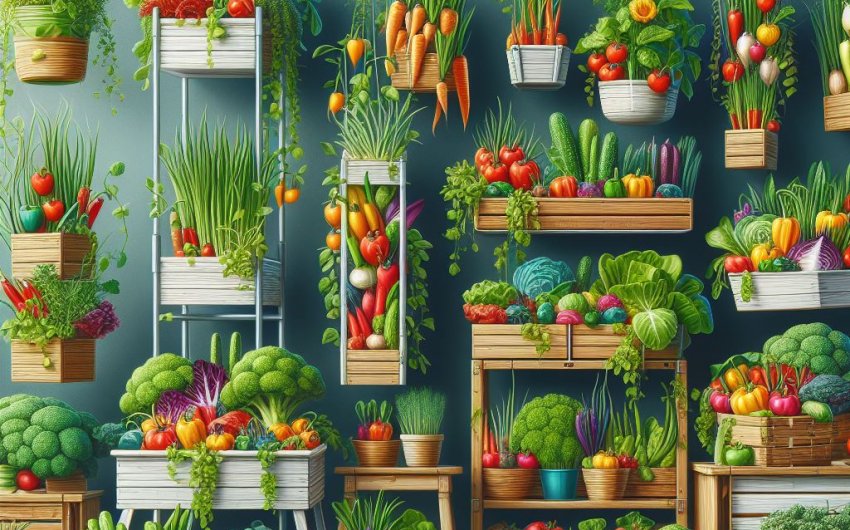
Dreaming of fresh, homegrown vegetables but lacking a sprawling backyard? Don't let limited space stop you! Container vegetable gardening is a fantastic way to grow a bountiful harvest, even if you only have a small patio, balcony, or sunny windowsill. It's a versatile and rewarding method that allows almost anyone to enjoy the taste of their own efforts.
Growing vegetables in pots and containers offers incredible flexibility. You can move plants to catch the best sun, protect them from bad weather, and even control soil conditions more precisely. Plus, there's something incredibly satisfying about stepping out your door and picking dinner straight from a pot.
Let's explore some clever ideas and essential tips to help you start or expand your own thriving container vegetable garden.
Why Choose Container Vegetable Gardening?
Container vegetable gardening offers a surprising number of benefits, making it an excellent choice for many aspiring and experienced gardeners. It's not just a fallback for those without traditional garden beds; it's a powerful method in its own right.
Limited Space is No Problem
This is the most obvious advantage. If you live in an apartment, condo, or a house with a small yard, containers open up a world of gardening possibilities.
- Balconies and Patios: Transform concrete spaces into lush, productive mini-farms.
- Rooftops: With proper planning, rooftops can become surprisingly fruitful garden areas.
- Small Yards: Maximize growing space in compact areas by going vertical or utilizing sunny corners.
- Windowsills and Indoors: Many herbs and smaller vegetables can thrive even on a sunny windowsill, bringing fresh produce right into your kitchen.
Portability and Flexibility
The ability to move your plants is a game-changer.
- Sunlight Chasing: As the sun's angle changes throughout the season, you can easily move your containers to ensure your plants get optimal sunlight. If a spot gets too much afternoon sun in summer, just shift the pot!
- Weather Protection: Quickly move sensitive plants indoors or under cover during unexpected frosts, heavy rains, or strong winds. This reduces crop loss and extends your growing season.
- Redecorate: Rearrange your garden layout on a whim to suit your aesthetic preferences or to accommodate new plants.
Better Pest and Disease Control
Containers can act as a natural barrier against some common garden problems.
- Reduced Soil-Borne Pests/Diseases: Since you're using fresh, sterile potting mix each season, you're less likely to introduce soil-borne diseases that can linger in garden beds.
- Easier Pest Spotting: Plants in containers are typically at eye level or closer, making it easier to spot pests early. Isolating an infested plant is simple – just move it away from others to prevent spread.
- Targeted Treatment: If pests do appear, you can apply organic pest control methods like neem oil spray to individual plants without affecting your entire garden.
Precise Soil and Nutrient Control
With containers, you have complete control over the growing medium.
- Tailored Soil: You can create the perfect soil blend for each plant's specific needs, which is especially beneficial for plants with particular pH or nutrient preferences.
- No Weeds (Almost): Using fresh potting mix greatly reduces weed seeds, meaning less weeding for you!
- Better Drainage: You can ensure excellent drainage, which is crucial for most vegetables.
Less Weeding and Soil Prep
Compared to traditional in-ground gardens, container gardening involves significantly less digging, tilling, and constant weeding. This makes gardening more accessible for those with physical limitations or busy schedules.
Ideal for Beginners
The contained nature of container gardening makes it less overwhelming for new gardeners. It's easier to manage a few pots than an entire garden bed, allowing beginners to learn the ropes without feeling swamped. You can start small and expand as your confidence grows.
Overall, container vegetable gardening is a practical, flexible, and often more manageable way to enjoy the freshest possible produce, no matter your living situation.
What Are the Best Vegetables to Grow in Containers?
Almost any vegetable can be grown in a container, but some are much better suited than others, especially for beginners or those with limited space. When choosing, think about the plant's mature size, root depth, and overall growth habit. Here are some of the best vegetables for container gardening.
Leafy Greens
Leafy greens are fantastic for containers because they have shallow roots and you can often harvest outer leaves continuously.
- Lettuce: Loose-leaf varieties (like Black Seeded Simpson lettuce seeds) are ideal. They grow quickly and can be harvested repeatedly. Plant in wide, shallow containers.
- Spinach: Similar to lettuce, spinach thrives in pots. Look for slow-bolting varieties for a longer harvest.
- Kale: Many kale varieties, including dwarf types, do very well in containers. Harvest leaves from the bottom up.
- Swiss Chard: Adds beautiful color to your garden and plate, and grows well in pots.
- Arugula and Mesclun Mixes: These quick-growing greens are perfect for cut-and-come-again harvesting.
- Container Size: At least 6-8 inches deep and wide for continuous harvest.
Herbs
While technically not vegetables, herbs are culinary powerhouses often grown alongside vegetables and are perfectly suited for containers.
- Basil, Mint, Rosemary, Thyme, Oregano, Cilantro, Parsley: Most herbs thrive in pots. Mint is especially good in a container to keep its vigorous spreading in check.
- Container Size: 6-12 inches deep, depending on the herb's mature size. Many herbs can be grown from herb seed starter kits.
Root Vegetables (Smaller Varieties)
While root vegetables need depth, many smaller varieties do surprisingly well.
- Carrots: Choose "round" or "mini" varieties, or plant standard carrots in very deep containers (12-18 inches minimum). Loose potting mix is crucial.
- Radishes: Quick-growing and require only moderate depth (6-8 inches).
- Beets: Both the roots and the greens are edible. Grow in containers 8-10 inches deep.
- Container Size: Depth is key, generally 8-18 inches, depending on the specific root vegetable.
Fruiting Vegetables (Compact Varieties)
Many popular fruiting vegetables have compact or "bush" varieties specifically bred for containers.
- Tomatoes: Look for "bush," "determinate," or "patio" varieties like Patio Princess Tomato seeds. Avoid sprawling "indeterminate" types unless you have a very large container and sturdy support.
- Peppers: Bell peppers, hot peppers, and smaller varieties like pimientos are excellent in containers. They are relatively compact and productive.
- Eggplant: Bush or compact varieties are good choices.
- Bush Beans: Unlike pole beans, bush beans don't need a trellis and are very productive in containers.
- Cucumbers: "Bush" or "patio" cucumber varieties are best. You can also grow vining types vertically on a trellis for containers if space allows.
- Zucchini/Squash: Again, look for "bush" or "patio" varieties, as standard squash plants can be huge.
- Container Size: These generally need larger containers for good production, often 5 gallons (around 12 inches in diameter and depth) or more per plant.
Other Great Options
- Scallions/Green Onions: Easy to grow from sets or seeds, and you can often harvest multiple times.
- Potatoes: Can be grown in large grow bags or tall containers specifically designed for them. You simply add soil as the plant grows, burying the stems, which encourages more potato formation. Look for potato grow bags.
- Strawberries: While a fruit, they are a fantastic container plant, especially cascading varieties in hanging baskets.
When selecting plants, always read the seed packet or plant tag. It will often specify if a variety is suitable for containers or has a compact growth habit. This information is your best friend for successful container vegetable gardening.
What Type of Containers and Soil Should You Use?
Choosing the right containers and the best soil are fundamental steps for successful container vegetable gardening. These two elements directly impact plant health, drainage, and nutrient availability.
Choosing the Right Containers
The ideal container depends on the type of vegetable you're growing and your personal preference, but some general rules apply.
- Drainage Holes: This is non-negotiable! Every container must have drainage holes at the bottom. Without them, water will sit, suffocating roots and leading to root rot. If a pot doesn't have holes, drill them yourself or use it as a decorative cachepot (a pot to hide a functional pot with holes).
- Size Matters: The size of the container should match the mature size of the plant's root system.
- Small Plants (Lettuce, Radishes, Herbs): 6-8 inch deep and wide pots.
- Medium Plants (Peppers, Bush Beans, Smaller Kale): 10-12 inch diameter (3-5 gallon equivalent).
- Large Plants (Tomatoes, Zucchini, Eggplant, Potatoes): 18-24 inch diameter or grow bags (7-20 gallon equivalent). One common guideline is a 5-gallon container per tomato plant.
- Material:
- Terracotta/Clay: Porous, allowing good airflow to roots and wicking away excess moisture. This means they dry out faster, requiring more frequent watering, especially in hot climates.
- Plastic: Retains moisture better than terracotta, reducing watering frequency. Lighter and more affordable. Can get hot in direct sun.
- Fabric Grow Bags: Excellent for aeration and preventing root circling. They promote "air pruning" where roots stop growing when they hit the air, encouraging more fibrous root growth. They drain exceptionally well and keep roots cooler. They are lightweight and foldable for storage. Popular for potatoes, carrots, and tomatoes. You can find fabric grow bags in various sizes.
- Wood: Attractive, but ensure it's untreated wood (avoid pressure-treated wood as chemicals can leach). Needs a liner or internal pot to prolong life and prevent rot.
- Color: Lighter-colored containers reflect more sunlight and keep soil cooler, which can be beneficial in hot climates. Darker containers absorb heat, which can be good for heat-loving plants in cooler climates but might overheat roots in very sunny spots.
Selecting the Right Soil (Potting Mix)
Do NOT use regular garden soil in containers. It's too dense, compacts easily, drains poorly, and can contain weed seeds and pathogens. You need a specialized potting mix.
- Light and Fluffy: A good potting mix (also called potting soil or container mix) is lightweight and airy. It's designed to provide excellent drainage while still holding enough moisture and nutrients for roots.
- Ingredients: Look for mixes that contain ingredients like:
- Sphagnum Peat Moss or Coir (coconut fiber): For moisture retention and aeration.
- Perlite or Vermiculite: For drainage and aeration, preventing compaction.
- Compost or Worm Castings: For slow-release nutrients and beneficial microbes.
- A good quality organic potting mix is always a great start.
- Sterile: Most bagged potting mixes are sterile, meaning they are free from weed seeds, pests, and diseases. This is a huge advantage for disease and weed control.
- Nutrient Content: While potting mixes often come with some slow-release fertilizer, container plants exhaust nutrients faster than in-ground plants. You'll need to supplement with liquid fertilizer regularly.
By choosing appropriately sized containers with good drainage and filling them with a high-quality, lightweight potting mix, you'll lay a strong foundation for healthy, productive container vegetable plants.
How to Water and Fertilize Container Vegetables Effectively?
Watering and fertilizing are two of the most critical aspects of container vegetable gardening, often more so than with in-ground beds. Plants in pots rely entirely on you for their water and nutrients. Getting this right is key to a bountiful harvest.
Watering Container Vegetables
Container plants generally need more frequent watering than those in the ground because their soil volume is limited and dries out faster, especially on hot, sunny, or windy days.
- Check Daily (or More): In warm weather, check your containers every day. Small pots might even need watering twice a day. Larger pots and grow bags retain moisture longer but still need regular checks.
- The Finger Test: The best way to tell if your plants need water is the finger test. Stick your finger about 1-2 inches deep into the soil. If it feels dry, it's time to water. If it still feels moist, wait.
- Water Deeply: When you do water, water thoroughly until you see water draining from the bottom of the pot. This ensures that the water reaches all the roots, encouraging deep root growth. Avoid just sprinkling the surface, as this leads to shallow roots.
- Early Morning is Best: Water in the early morning. This gives the plants plenty of time to absorb the water before the heat of the day causes too much evaporation. It also allows any water on the foliage to dry, reducing the risk of fungal diseases.
- Avoid Overhead Watering: Try to water the soil directly, not the leaves. Wet foliage, especially in the evening, can encourage diseases. A watering can with a long spout or a drip irrigation system for containers (excellent for efficiency!) can help.
- Hydrogels/Watering Spikes (Optional): For very thirsty plants or if you travel often, products like water-absorbing crystals (hydrogels) or self-watering spikes can help retain moisture, but always test them first.
Fertilizing Container Vegetables
Because container plants are in a confined space and receive regular watering, nutrients can quickly leach out of the potting mix. Regular feeding is essential.
- Start with Good Potting Mix: A high-quality potting mix usually contains some nutrients or a slow-release fertilizer to get plants started. This might last for 2-4 weeks.
- Regular Feeding Schedule: After the initial nutrients are depleted, you'll need to start a regular feeding schedule.
- Liquid Fertilizer: The most common and effective method is to use a balanced liquid vegetable fertilizer diluted according to package directions. Apply every 1-2 weeks. This provides nutrients directly to the roots and is quickly available to the plant.
- Slow-Release Granules: You can also mix in slow-release granular fertilizers when planting or top-dress your containers. These release nutrients over several weeks or months. This is less precise but offers longer-lasting feeding.
- Organic Options: Fish emulsion and liquid seaweed are popular organic liquid fertilizers. Compost tea (made by steeping compost in water) is also excellent for providing gentle nutrients and beneficial microbes.
- Tailor to Plant Stage: Adjust feeding based on the plant's growth stage. Fruiting vegetables (tomatoes, peppers) need more phosphorus and potassium when flowering and setting fruit. Leafy greens need more nitrogen. A "balanced" fertilizer (e.g., 5-10-5 or similar NPK ratio) is often good for general vegetable growth.
- Watch for Deficiencies: Yellowing leaves or stunted growth can be signs of nutrient deficiency. Adjust your feeding schedule or fertilizer type as needed.
Consistent and thoughtful watering and fertilizing are the secret ingredients to vibrant, productive container vegetable gardens.
Innovative Ideas for Vertical Container Gardens
Vertical gardening is a game-changer for container vegetable gardening, especially when space is at a premium. It allows you to grow more food in a smaller footprint by utilizing vertical space. Plus, vertical gardens can be incredibly attractive!
1. Stacked Planters/Tiered Gardens
This is a popular and straightforward way to go vertical.
- How They Work: Multiple planting pockets or levels are stacked on top of each other, creating a pyramid or tower shape. Each level has its own planting space.
- Benefits: Maximizes vertical space, easy to water (water often drains down to lower tiers), and creates a beautiful display.
- Best For: Leafy greens (lettuce, spinach, herbs), strawberries, radishes, small flowers.
- Products: You can find specialized stacked garden planters or easily make your own by stacking different sized pots.
2. Wall-Mounted Planters
Turn a blank wall into a living edible art piece.
- How They Work: Individual pockets, small pots, or long troughs are attached directly to a wall, fence, or trellis structure.
- Benefits: Visually appealing, saves floor space, keeps plants off the ground, and can protect them from some ground pests.
- Best For: Herbs, small leafy greens, trailing strawberries, compact cherry tomatoes, small peppers.
- Products: Look for wall-mounted vertical garden planters or DIY using pallets with fabric pockets. Ensure the wall receives adequate sunlight.
3. Pallet Gardens
A popular and inexpensive DIY option for vertical gardening.
- How They Work: An old wooden pallet is turned on its side, and fabric or wood is secured to the back of the "slats" to create planting pockets.
- Benefits: Upcycles old materials, creates distinct planting sections, and is very cost-effective.
- Considerations: Ensure the pallet is untreated wood (look for "HT" stamped on it, meaning heat-treated, not chemically treated).
- Best For: Herbs, shallow-rooted greens like lettuce, spinach, and small flowers.
4. Gutter Gardens
Repurpose old or new rain gutters into linear planting beds.
- How They Work: Sections of gutters are mounted horizontally on a wall or frame, creating long, narrow planting areas.
- Benefits: Great for maximizing narrow spaces, good drainage (drill holes!), and a unique aesthetic.
- Best For: Fast-growing, shallow-rooted crops like lettuce, spinach, arugula, strawberries, and various herbs.
- Products: You can buy PVC gutters specifically for this purpose or use standard ones.
5. Upside-Down Planters
A quirky but effective way to grow certain plants.
- How They Work: Plants are grown upside down from a container suspended in the air. The main stem grows downwards, and the roots grow upwards into the soil.
- Benefits: Saves floor space, easy to harvest (especially for tomatoes), reduces some soil-borne diseases, and can discourage certain pests.
- Best For: Tomatoes (especially bush varieties like Topsy Turvy Tomato Planters), peppers, and some bush cucumbers.
- Considerations: Require more frequent watering as water can drain quickly. Ensure sturdy hanging support.
6. Trellises and Stakes in Containers
While not strictly a "vertical garden system," using supports within your containers is a form of vertical growth.
- How They Work: Provide a sturdy structure for vining plants to climb upwards.
- Benefits: Keeps vining plants contained, improves air circulation, keeps fruit off the ground, and makes harvesting easier.
- Best For: Vining tomatoes (indeterminate), pole beans, vining cucumbers, peas, small squash/melons.
- Products: Simple tomato cages, plant stakes, or even small expandable trellises can be inserted directly into large containers.
When planning a vertical container garden, always consider the weight of the containers once filled with wet soil and mature plants. Ensure your chosen structure can support the load. With these innovative ideas, you can truly make the most of every inch of your space and enjoy fresh vegetables all season long!