
Reaching New Heights: Vertical Vegetable Gardening Techniques
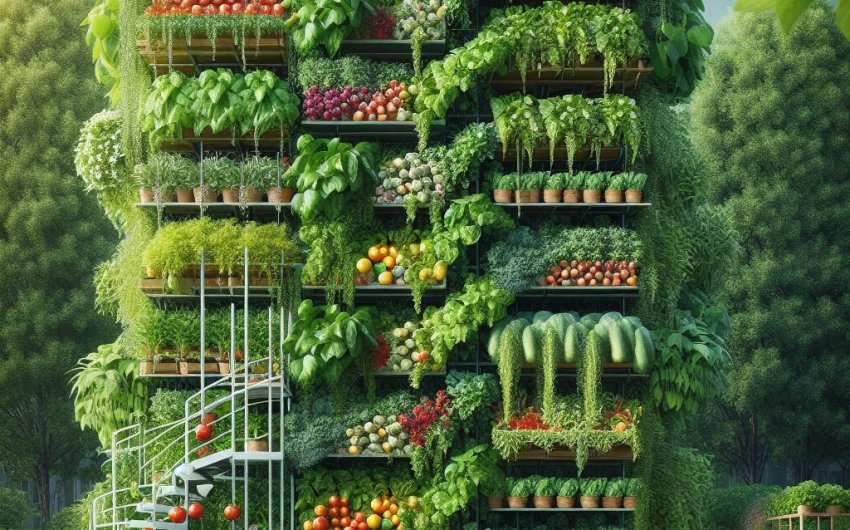
Yes, vertical vegetable gardening techniques are an incredibly efficient and versatile way to reach new heights in your home garden, especially when traditional ground space is limited. By growing upwards instead of outwards, you can dramatically increase your harvest potential in small areas like balconies, patios, or even against fences and walls. This innovative approach redefines what's possible for urban and small-space gardeners.
What Exactly is Vertical Vegetable Gardening?
Vertical vegetable gardening is an ingenious method of cultivating plants by growing them upwards, rather than spreading them across a horizontal ground space. It's an innovative approach that makes use of vertical planes, turning walls, fences, and even air space into productive gardening areas. This technique is all about maximizing yield in a minimal footprint, essentially allowing your garden to reach new heights.
Here’s what exactly defines vertical vegetable gardening:
- Upward Growth: The core principle is to direct plant growth vertically using various structures and systems. Instead of sprawling on the ground, plants are encouraged to climb, hang, or stack.
- Space Maximization: This technique is a game-changer for gardeners with limited square footage, such as those living in urban environments with balconies, small patios, or even just a narrow strip against a wall. It allows you to grow significantly more food in the same ground area.
- Diverse Structures: Vertical gardening employs a wide range of creative structures:
- Trellises and Arbors: For vining plants.
- Stacked Planters: Multi-tiered systems.
- Wall-Mounted Pockets or Panels: Systems that attach to vertical surfaces.
- Hydroponic Towers: Advanced systems using water culture.
- Hanging Baskets: For trailing plants.
- Benefits Beyond Space: Besides saving space, vertical gardening offers other advantages:
- Ergonomics: Reduces bending and kneeling, making gardening more accessible.
- Pest and Disease Control: Improves air circulation, which can reduce fungal diseases, and keeps plants off the ground, deterring some pests.
- Aesthetics: Creates living walls, green screens, and visually appealing garden features.
- Easier Harvesting: Fruits are often at a more convenient height.
- Suitable Plants: While not every plant is ideal, many vegetables, herbs, and fruits thrive in a vertical setup. Vining, trailing, and compact bush varieties are particularly well-suited.
In essence, vertical vegetable gardening is a smart, space-saving, and often more ergonomic way to grow food, allowing urban and small-space gardeners to truly reach new heights in their harvesting potential.
Why Should I Consider Vertical Vegetable Gardening?
Considering vertical vegetable gardening offers a compelling list of advantages that address common gardening challenges, making it an increasingly popular and practical choice for a wide range of growers. Beyond simply making your garden reach new heights in terms of yield, this innovative technique brings numerous benefits to both your plants and your gardening experience.
Here’s why you should consider vertical vegetable gardening:
- Space Efficiency (The Obvious Benefit):
- Maximize Yield: This is the primary driver. You can grow significantly more produce in a very small footprint, making it ideal for balconies, patios, small yards, or even indoor setups.
- Urban Gardening: Perfect for city dwellers who might only have a wall or a small corner to spare.
- Improved Air Circulation:
- Disease Prevention: Keeping plants off the ground and allowing air to flow freely around them helps reduce humidity buildup around foliage. This significantly reduces the risk of fungal diseases like powdery mildew, blight, and rust.
- Better Pest Control:
- Ground Pests: Elevating plants helps deter ground-dwelling pests such as slugs, snails, and some crawling insects.
- Easier Inspection: Plants are often at eye level, making it easier to spot and address pest issues early.
- Ergonomics and Accessibility:
- Reduced Strain: Less bending, kneeling, and stooping are required, making gardening more comfortable and accessible for individuals with back problems, mobility issues, or those who simply prefer to work standing up.
- Easier Harvesting:
- Fruits and vegetables are often at a convenient height, making harvesting a quick and enjoyable task without needing to hunt through dense foliage on the ground.
- Enhanced Aesthetics:
- Living Walls: Vertical gardens create stunning living walls, green screens, and decorative focal points that add beauty and freshness to any space. They can transform an ordinary fence or wall into a lush, productive display.
- Privacy: Tall vertical structures can provide natural privacy screens.
- Water Conservation (Potentially):
- Some vertical systems, especially self-watering towers or hydroponic setups, can be very efficient with water use, reducing runoff and evaporation.
- Weed Suppression:
- With plants elevated and often in containers or pockets, there is significantly less weed pressure compared to traditional in-ground gardening.
By embracing vertical vegetable gardening, you're not just expanding your growing capacity; you're adopting a smarter, cleaner, and often more enjoyable way to cultivate your favorite produce, helping your garden truly reach new heights.
What Are the Best Vertical Gardening Structures?
Choosing the best vertical gardening structures depends largely on the types of vegetables you want to grow, your available space, and your budget. Each structure offers unique advantages for helping your garden reach new heights, catering to different plant needs and aesthetic preferences. From simple DIY solutions to sophisticated systems, there's a vertical option for almost every gardener.
Here are some of the most effective and popular vertical gardening structures:
- Trellises, A-Frames, and Arbors:
- Description: Classic structures for vining plants, providing support for upward growth. Trellises are flat grids; A-frames are self-supporting triangular structures; arbors create an archway.
- Best For: Tomatoes (indeterminate), cucumbers, pole beans, peas, vining squash, gourds, small melons.
- Benefits: Excellent air circulation, keeps fruit off the ground, easy harvesting.
- Materials: Wood, metal, bamboo, netting.
- Tip: Ensure they are sturdy enough to support the mature weight of the plant and its fruit. A garden trellis kit can be a great starting point.
- Stacked Planters/Tiered Gardens:
- Description: Multiple planter boxes or pots stacked one above the other, often in a pyramid or spiral shape.
- Best For: Strawberries, herbs, lettuce, spinach, radishes, small flowers.
- Benefits: Highly space-efficient, visually appealing, easy access.
- Materials: Plastic, terracotta, wood.
- Tip: Ensure the top tiers don't heavily shade the lower ones. Watering can be crucial, as top tiers dry faster. Consider a vertical tiered planter for a compact solution.
- Wall-Mounted Planters/Pocket Systems:
- Description: Planters, pockets, or panels that attach directly to a wall, fence, or railing.
- Best For: Leafy greens, herbs, strawberries, small compact bush vegetables, some flowers.
- Benefits: Turns unused vertical surfaces into garden space, creates living walls, aesthetically pleasing.
- Materials: Fabric pockets, plastic modules, metal frames.
- Tip: Ensure the wall can support the weight of the system when full of wet soil and plants. Consider waterproofing the wall behind the planter if it's a house wall. A vertical wall garden planter can be a beautiful addition.
- Hanging Baskets/Upside-Down Planters:
- Description: Containers suspended from above. Upside-down planters have plants growing through the bottom.
- Best For: Tomatoes (determinate/cherry), strawberries, cascading herbs, trailing peppers, leafy greens.
- Benefits: Excellent air circulation, keeps plants off the ground, unique visual appeal.
- Materials: Plastic, coir-lined wire baskets.
- Tip: Requires frequent watering as they dry out quickly. Ensure strong support hooks. A hanging tomato planter is a popular choice.
- Hydroponic Towers/Aeroponic Systems:
- Description: Advanced, often self-contained systems where plants grow without soil, using nutrient-rich water.
- Best For: Lettuce, herbs, strawberries, compact peppers.
- Benefits: Extremely water-efficient, very fast growth, no soil-borne pests/diseases.
- Materials: Plastic towers with internal plumbing.
- Tip: Higher initial cost, requires specialized knowledge of nutrient solutions. A hydroponic vertical garden tower can be a long-term investment.
Choosing the right structure is the first step to successfully helping your edible garden reach new heights and yield a bountiful harvest.
What Vegetables Thrive Best in Vertical Gardens?
Not all vegetables are created equal when it comes to growing upwards, but many common and delicious crops truly thrive best in vertical gardens, making them ideal candidates for maximizing space. Selecting the right plants is crucial for successful vertical vegetable gardening, allowing your harvest to truly reach new heights. Focus on those that naturally climb, hang, or are compact enough for stacked systems.
Here's a list of vegetables that generally perform exceptionally well in vertical garden setups:
- Vining Vegetables (Excellent for Trellises, Arbors, String Supports):
- Tomatoes (Indeterminate & Cherry Varieties): Most indeterminate tomatoes (those that grow continuously) are perfect for vertical support. Cherry tomatoes are especially productive climbers.
- Cucumbers: Vining cucumbers are naturals for trellises, keeping fruit clean and straight.
- Pole Beans: Unlike bush beans, pole beans readily climb, yielding a continuous harvest over a long season.
- Peas: Both shelling and snap peas are excellent climbers, supporting themselves with tendrils.
- Squash (Small Vining Varieties): Smaller varieties of summer squash (like zucchini) or winter squash (like 'Delicata' or small pumpkins) can be trained vertically, though larger fruits may need individual slings for support.
- Melons (Small Varieties): Compact vining melons like 'Minnesota Midget' or personal-sized watermelons can be trellised with proper support for the fruit.
- Gourds: Vining gourds are decorative and practical for vertical structures.
- Leafy Greens (Great for Wall Pockets, Stacked Planters, Towers):
- Lettuce: All varieties, especially looseleaf types, thrive in vertical systems, offering easy "cut and come again" harvesting.
- Spinach: Grows well in pockets and layers.
- Kale and Swiss Chard: Compact varieties can be grown vertically.
- Arugula: Quick-growing and compact.
- Herbs (Ideal for Wall Pockets, Stacked Planters, Towers, Hanging Baskets):
- All Culinary Herbs: Basil, mint, parsley, cilantro, thyme, rosemary, oregano all adapt beautifully to vertical growth, providing easy access for snipping.
- Trailing Fruits (Excellent for Hanging Baskets, Wall Pockets, Elevated Beds):
- Strawberries: Especially ever-bearing or day-neutral varieties, they send out runners that look beautiful cascading from hanging baskets or tiered planters.
- Determinate Tomatoes (Bush Varieties): While they don't climb indefinitely, determinate tomatoes are compact enough for large hanging baskets or sturdy pockets.
- Trailing Nasturtiums: While a flower, the leaves and flowers are edible and look great trailing.
- Compact Bush Vegetables (Suitable for Stacked Planters, Pockets):
- Bush Peppers: Many bell and chili pepper varieties are compact enough for larger pockets or stacked planters.
- Radishes: Quick-growing root vegetables that fit into shallow pockets.
- Bush snap beans (compact varieties): Can be grown in wider pockets or tiers.
By focusing on these vertically-friendly vegetable choices, you can ensure a productive and visually appealing vertical garden that truly helps your harvesting efforts reach new heights.
What Are the Key Considerations for Watering in Vertical Gardens?
Watering in vertical gardens is a critical consideration that differs significantly from traditional in-ground planting. Because plants are often in smaller, isolated pockets or containers and exposed to more air circulation, they tend to dry out much faster. Proper irrigation techniques are paramount to ensure your vertical vegetable garden thrives and continues to reach new heights in productivity.
Here are the key considerations for watering in vertical gardens:
- Increased Frequency:
- Rapid Drying: Plants in vertical systems, especially those in fabric pockets or individual containers, are exposed to more sun and wind, leading to faster evaporation from the soil surface and through the container walls.
- Check Daily (or More): You will likely need to water more frequently, often daily, or even twice a day during hot, sunny, or windy weather.
- Watering Method:
- Top-Down Application: For stacked or tiered systems, gravity works in your favor. Water poured into the top planter will slowly trickle down to the lower tiers, moistening everything below. However, this can sometimes lead to the bottom tiers getting too wet or the top ones drying out too quickly.
- Individual Pockets/Containers: For wall-mounted systems with separate pockets, you'll need to water each pocket individually, ensuring even distribution.
- Drip Irrigation/Micro-Drip Systems: This is often the most efficient and recommended method for vertical gardens.
- A micro-drip irrigation kit for vertical gardens can deliver water slowly and precisely to each plant, minimizing waste and ensuring consistent moisture.
- This also reduces foliage wetting, which can prevent fungal diseases.
- Even Distribution:
- Ensure water reaches all plants evenly. Some vertical systems can have "dry spots" if not designed or watered properly.
- For stacked systems, monitor the middle and bottom layers to ensure they aren't getting overly saturated or completely missed.
- Nutrient Leaching:
- Frequent Flushing: More frequent watering means that water-soluble nutrients will leach out of the potting mix faster.
- Increased Fertilization: This necessitates more frequent fertilization for container-grown vertical plants to replenish nutrients.
- Monitoring Moisture Levels:
- Use your finger to feel the soil in individual pockets or layers.
- A soil moisture meter can be invaluable for precise readings, helping you avoid both overwatering and underwatering.
- Water Runoff/Collection:
- Consider where excess water will go. Some vertical systems are designed with a bottom tray to collect runoff, which can then be reused (especially in hydroponic setups) or directed away. This is important on balconies or patios.
Mastering watering techniques is arguably the most critical aspect of vertical vegetable gardening. Consistent, appropriate moisture will keep your plants healthy and productive, allowing your compact garden to truly reach new heights.
What Are the Key Considerations for Fertilizing in Vertical Gardens?
Fertilizing in vertical gardens is a crucial aspect of plant care, often requiring a more frequent and precise approach than traditional in-ground gardening. Because plants are typically grown in smaller volumes of potting mix and watered more frequently, nutrients can leach out quickly. Providing a consistent and balanced nutrient supply is vital for helping your vertical vegetable garden thrive and reach new heights in yield.
Here are the key considerations for fertilizing in vertical gardens:
- Increased Frequency of Feeding:
- Limited Soil Volume: Container-bound plants quickly deplete the nutrients in their relatively small soil volume.
- Leaching: Frequent watering, necessary for vertical gardens, can wash away water-soluble nutrients from the potting mix.
- Recommendation: Expect to fertilize more often than in-ground gardens, typically every 1-2 weeks during the active growing and fruiting seasons.
- Type of Fertilizer:
- Liquid Fertilizers (Recommended): Water-soluble liquid fertilizers for vegetables are often the easiest and most effective for vertical gardens. They deliver nutrients directly to the root zone with watering, allowing for precise control.
- Slow-Release Granular: You can incorporate a slow-release granular fertilizer into the potting mix at planting time. This provides an initial boost and some sustained feeding, but will likely still need to be supplemented with liquid feeds later.
- Organic Options: Many organic liquid fertilizers (e.g., fish emulsion, seaweed extract, compost tea) are excellent choices, providing a balanced, gentle nutrient supply.
- Balanced Nutrient Profile:
- Most vegetables benefit from a balanced fertilizer (e.g., 5-5-5 or 10-10-10 NPK) during early growth.
- For fruiting vegetables (tomatoes, peppers, squash), consider switching to a fertilizer slightly higher in phosphorus (P) and potassium (K) during flowering and fruiting (e.g., 5-10-10).
- Micronutrients: Ensure your chosen fertilizer also provides essential micronutrients, as these can be quickly depleted in containers.
- Dilution is Key:
- Always follow the product instructions for dilution. With frequent feeding, it's often safer to use a slightly more dilute solution than recommended, especially with synthetic fertilizers, to avoid "fertilizer burn."
- Application Method:
- Apply liquid fertilizers directly to the soil in each pocket or container, ensuring even distribution. Avoid spraying directly onto foliage unless it's a specific foliar feed designed for that purpose.
- If using stacked systems, you can pour a diluted liquid fertilizer into the top, allowing it to trickle down.
- Monitor Plant Health:
- Pay close attention to your plants for signs of nutrient deficiencies (e.g., yellowing leaves, stunted growth) or over-fertilization (e.g., burnt leaf tips, excessive leafy growth at the expense of fruit). This helps you adjust your feeding schedule.
- Using a pH meter for soil can also be helpful, as pH affects nutrient uptake.
Consistent and thoughtful fertilization is paramount for the health and productivity of a vertical garden. By regularly replenishing nutrients, you empower your plants to flourish upwards, allowing your compact garden to truly reach new heights in yield.
How Can I Prune and Train Plants in a Vertical Garden?
Pruning and training plants in a vertical garden are essential techniques that directly contribute to maximizing yields, improving plant health, and maintaining an organized, productive space. Unlike traditional ground-level gardening where plants might sprawl, vertical systems demand a more deliberate approach to guide growth upwards, ensuring your vegetables can effectively reach new heights. These practices manage plant energy and optimize light exposure.
Here's how to effectively prune and train plants in a vertical garden:
- Understand Plant Growth Habits:
- Vining (Indeterminate): These plants (e.g., most tomatoes, cucumbers, pole beans, small melons) grow continuously. They are ideal for trellises and require active training.
- Bush (Determinate): These plants (e.g., some tomatoes, bush beans, compact peppers) grow to a certain size and produce their crop within a more defined period. They may need less training but benefit from some support.
- Trailing: (e.g., strawberries, some herbs). These cascade downwards, which is great for hanging baskets or top tiers.
- Early Training is Key:
- Start guiding vining plants onto their support structures when they are young. Don't wait until they're heavy and sprawling.
- Gently tie main stems to stakes or trellises with soft ties (fabric strips, twine, plastic clips). Avoid tight ties that could constrict the stem.
- Pruning for Air Circulation and Energy Focus:
- Bottom Leaves: For most plants, especially tomatoes, prune off the lower leaves as the plant grows upwards, especially any leaves that are touching the soil or are yellowing. This improves air circulation, reduces the risk of soil-borne diseases, and allows the plant to focus energy on upper growth and fruiting.
- Suckers (Tomatoes): For indeterminate tomatoes, pruning suckers (new shoots that emerge in the "armpit" between the main stem and a leaf branch) is crucial. Removing them directs the plant's energy into the main stem and fruit production, rather than excessive foliage. Pinch them off when small.
- Excess Foliage: For very dense plants, remove some inner leaves to improve light penetration and air circulation, especially in humid conditions.
- Trellising and Tying Techniques:
- Regular Tying: As vining plants grow, regularly secure their main stems to the trellis or support. Loop ties loosely to allow for stem expansion.
- Spiral Training: For tomatoes, you can train a single main stem (by aggressively removing all suckers) to spiral up a tall stake or string.
- Weaving: For cucumber and pea vines, you can often gently weave their tendrils through trellis netting as they grow.
- Pinch Back for Bushiness/Rebloom:
- Herbs: Pinch back herbs like basil or mint regularly to encourage bushier growth and prevent leggy stems.
- Flowering Vegetables (e.g., Peppers, Eggplant): Pinching off early flowers or the very tip of the main stem can encourage more branching and a stronger plant structure, though it might delay the first harvest slightly.
- Harvesting as a Form of Pruning:
- Regularly harvesting ripe vegetables, especially from plants like beans, cucumbers, and summer squash, encourages the plant to produce more. Delaying harvest can signal to the plant to stop producing.
By actively pruning and training your vertical garden plants, you transform them from sprawling ground dwellers into efficient, high-yielding vertical powerhouses, ensuring your compact garden continues to reach new heights in productivity and beauty.
How Can I Protect Vertical Gardens from Pests and Diseases?
Protecting vertical gardens from pests and diseases is a crucial aspect of successful cultivation, ensuring your plants remain healthy and continue to reach new heights in yield. While vertical setups inherently offer some advantages over traditional ground gardens, they still require vigilance and specific strategies to keep common garden threats at bay. The elevated nature of vertical gardening often makes pest inspection and treatment more accessible.
Here’s how you can effectively protect your vertical gardens from pests and diseases:
- Start with Healthy Plants and Sterile Media:
- Disease-Free Starts: Purchase healthy seedlings or use new, sterile potting mix each season. Avoid reusing old potting mix that might harbor pathogens.
- Clean Seeds: Use high-quality, disease-free seeds.
- Maximize Air Circulation:
- Proper Spacing: Don't overcrowd plants in pockets or tiers. Ensure there's enough space for air to flow freely around all foliage.
- Pruning: Regularly prune away lower leaves, suckers, and excess foliage (as discussed in the pruning section) to improve airflow and reduce humidity around plants.
- Location: Place your vertical garden in an area with good natural breezes, if possible.
- Benefit: Excellent air circulation is your best defense against common fungal diseases like powdery mildew, blight, and rust.
- Water Smartly:
- Water at the Base: Use drip irrigation or micro-drip systems to deliver water directly to the soil, avoiding wetting the foliage.
- Morning Watering: If hand-watering, do it in the morning so any accidental wetting of leaves has time to dry before evening.
- Avoid Overwatering: Ensure excellent drainage in all vertical structures and avoid keeping the potting mix constantly soggy, which can lead to root rot.
- Regular Inspection is Key:
- Daily Check: Inspect your plants daily or every other day. Since they're often at eye level, it's easier to spot issues early.
- Check Under Leaves: Look for signs of pests (tiny insects, eggs, webbing, holes) or disease (spots, discoloration, wilting). Early detection makes treatment much easier.
- Physical Barriers and Organic Controls:
- Floating Row Covers: For young plants or during pest outbreaks, a lightweight floating row cover can physically exclude flying insects like cabbage moths or cucumber beetles.
- Hand-Picking: For larger pests like tomato hornworms or slugs, hand-picking them off is effective.
- Insecticidal Soap/Neem Oil: For aphid, whitefly, or spider mite infestations, an organic insecticidal soap or neem oil spray can be very effective. Apply in the evening to avoid harming beneficial insects.
- Sticky Traps: Yellow sticky traps can help monitor and reduce populations of flying pests like whiteflies and fungus gnats.
- Companion Planting: While challenging in compact vertical systems, certain aromatic herbs (e.g., basil near tomatoes) can sometimes deter pests.
- Rotate Crops (Even in Vertical Systems):
- If using individual pockets or replacing potting mix, try to rotate where you plant specific vegetable families each season to prevent the buildup of soil-borne pathogens.
- Good Hygiene:
- Remove any diseased leaves or plant parts immediately.
- Keep the area around your vertical garden clean and free of weeds and debris that can harbor pests.
- Sanitize containers between seasons.
By implementing these proactive and reactive strategies, you can maintain a healthy vertical garden, minimizing pest and disease impact and allowing your plants to continuously reach new heights of productivity and vitality.