
From Garden to Table: Creative Kitchen Garden Ideas
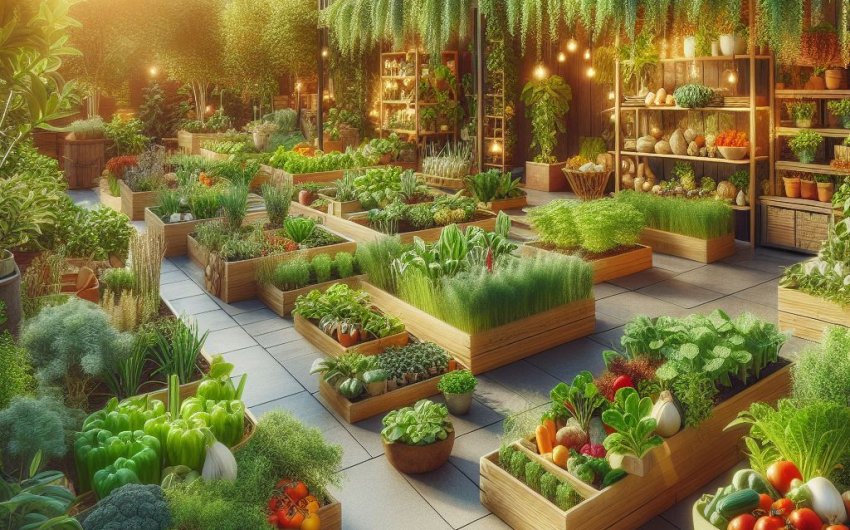
Transforming your outdoor space into a thriving kitchen garden allows you to enjoy fresh, homegrown produce directly from garden to table, enhancing your culinary adventures and promoting sustainable living. Creative kitchen garden ideas focus on maximizing space, integrating edible plants beautifully into the landscape, and ensuring easy access for harvesting.
What is a Kitchen Garden?
A kitchen garden, also known as a potager garden (from the French jardin potager), is a functional yet ornamental garden designed specifically for growing culinary herbs, vegetables, fruits, and edible flowers for direct use in the kitchen. Unlike traditional vegetable patches that are often hidden away, a kitchen garden is integrated into the living spaces of the home, prioritizing both productivity and aesthetic appeal.
What Makes a Kitchen Garden Unique?
- Proximity to the Kitchen: The defining characteristic is its close location to the kitchen door, making it convenient to pop outside and snip herbs or gather fresh produce while cooking.
- Emphasis on Aesthetics: While functional, a kitchen garden is also designed to be beautiful. It often incorporates attractive layouts, charming pathways, decorative elements, and a mix of edible and ornamental plants.
- Focus on Culinary Needs: Plants are chosen based on what you love to cook and eat fresh. It's less about large-scale harvesting for storage and more about continuous fresh picking.
- Variety and Succession Planting: Kitchen gardens often feature a diverse range of crops, with an emphasis on succession planting to ensure a continuous harvest throughout the growing season.
- Efficient Space Use: Even in small spaces, creative designs are used to maximize yield, often employing vertical gardening, containers, and intensive planting methods.
- Sensory Experience: Beyond taste, kitchen gardens engage all senses with fragrant herbs, colorful vegetables, varied textures, and the sounds of buzzing pollinators.
How Does a Kitchen Garden Differ from a Traditional Vegetable Garden?
| Feature | Kitchen Garden (Potager) | Traditional Vegetable Garden |
|---|---|---|
| Primary Goal | Beauty + Productivity + Convenience | Productivity (often large-scale) |
| Location | Near kitchen door, visible, integrated into landscape | Often hidden in backyard, less emphasis on aesthetics |
| Design | Formal or informal patterns, raised beds, pathways, decorative elements | Rows, utilitarian layout |
| Plant Selection | Culinary herbs, popular vegetables, edible flowers, continuous harvest | Field crops, larger quantities for canning/storage, often monoculture |
| Aesthetics | High priority, uses diverse textures, colors, forms | Low priority, focus on efficiency |
| Maintenance | Frequent small harvests, detailed care for aesthetics | Batch harvesting, emphasis on efficiency for larger scale |
| Scale | Often smaller, manageable, intense planting | Can be very large, extensive rows |
A kitchen garden is more than just a place to grow food; it's an extension of your home and kitchen, blending utility with beauty to provide a constant source of fresh, vibrant ingredients and a delightful outdoor experience.
Why Create a Kitchen Garden?
Creating a kitchen garden offers a myriad of benefits, transforming your lifestyle, culinary habits, and connection to nature. It's a highly rewarding endeavor that goes far beyond simply growing food, embracing principles of sustainability, health, and personal well-being.
1. Fresh, Flavorful, and Nutritious Produce
- Peak Freshness: Nothing beats the taste of produce harvested just moments before it's consumed. Vegetables and herbs from your own kitchen garden retain more nutrients and have superior flavor compared to store-bought options that might travel long distances.
- Nutrient Density: Freshly picked produce has higher levels of vitamins, minerals, and antioxidants because these compounds begin to degrade once harvested.
- Variety: You can grow unique or heirloom varieties not typically found in supermarkets, expanding your culinary repertoire.
2. Convenient and Easy Access to Ingredients
- Right Outside Your Door: The primary advantage of a kitchen garden's strategic placement is unparalleled convenience. Need fresh basil for dinner? Just step outside and snip it. No more last-minute grocery runs for a few sprigs of thyme.
- Encourages Healthy Eating: With fresh, appealing ingredients readily available, you're more likely to incorporate more vegetables and herbs into your daily meals, promoting a healthier diet.
3. Cost Savings and Sustainability
- Reduced Grocery Bills: Growing your own herbs and vegetables can significantly cut down on your grocery expenses, especially for pricey fresh herbs and specialty produce.
- Reduced Food Waste: You only harvest what you need, minimizing spoilage.
- Eco-Friendly: By growing your own food, you reduce your carbon footprint by eliminating transportation, packaging, and often the use of synthetic pesticides associated with commercial farming. It's gardening at its most sustainable.
4. Aesthetic Appeal and Garden Integration
- Beauty in Productivity: A well-designed kitchen garden is a beautiful landscape feature, blending edible plants with ornamental appeal. Structured beds, colorful foliage, and vibrant flowers create visual interest that can enhance your entire outdoor space.
- Engages All Senses: Enjoy the fragrant herbs, the vibrant colors of ripening tomatoes and peppers, the varied textures of leafy greens, and the buzz of pollinating insects.
- Flexible Design: Kitchen gardens can be tailored to any style, from formal parterres to rustic cottage gardens, fitting seamlessly into your existing landscape.
5. Health and Well-being Benefits
- Physical Activity: Gardening is a wonderful form of low-impact exercise, promoting physical fitness and spending time outdoors.
- Stress Reduction: The act of gardening is therapeutic. Connecting with nature, nurturing plants, and enjoying the fruits of your labor can significantly reduce stress and improve mental well-being.
- Educational Opportunity: It's a fantastic way for families, especially children, to learn about where food comes from, plant life cycles, and basic ecological principles.
6. Food Security and Control
- Know Your Food: You have complete control over what goes into (or doesn't go into) your food, including pesticides and fertilizers. This provides peace of mind.
- Resilience: Growing some of your own food can contribute to a sense of self-sufficiency and resilience, especially in uncertain times.
Creating a kitchen garden is an investment in your health, your home, and the planet, providing a continuous source of joy, beauty, and delicious, homegrown goodness.
What is the Best Location for a Kitchen Garden?
Selecting the optimal location is the single most critical decision when planning your kitchen garden. The success of your edible plants hinges on finding a spot that provides their essential needs, while also offering the convenience that defines a true kitchen garden.
1. Sunlight: The Non-Negotiable Requirement
- Full Sun is Ideal: Most vegetables, herbs, and fruits require abundant sunlight to thrive and produce well. Aim for a location that receives at least 6-8 hours of direct sunlight per day.
- Why? Sunlight powers photosynthesis, which is how plants create energy for growth, flowering, and fruiting. Insufficient light leads to leggy plants, sparse blooms, and low yields.
- Prioritize South-Facing: In the Northern Hemisphere, a south-facing location typically receives the most consistent and intense sun throughout the day. East-facing spots get good morning sun, which is also beneficial. West-facing can work but might be very hot in the afternoon. North-facing spots are generally too shady for most edibles.
- Observe Sunlight Patterns: Before breaking ground, spend a full day (or a few days over different seasons if possible) observing how the sun moves across your yard. Note areas that are consistently sunny versus those that fall into shade due to buildings, trees, or fences.
2. Proximity to the Kitchen: Convenience is Key
- Walkable Distance: The defining characteristic of a kitchen garden is its accessibility. Place it as close to your kitchen door as practical. This encourages frequent harvesting and use of fresh ingredients.
- Visibility: A kitchen garden is meant to be enjoyed. Choose a spot that's visible from your kitchen window, patio, or main living areas. This visual connection enhances its appeal.
3. Water Source: Easy Access
- Convenience: Ensure your chosen location has easy access to a reliable water source. Dragging hoses long distances or hand-carrying water repeatedly will quickly become a chore.
- Irrigation Options: Consider proximity to a spigot for manual watering, or the feasibility of installing a drip irrigation system for hands-off watering.
4. Soil Conditions: Addressing the Foundation
- Well-Drained Soil: While you can amend soil, starting with a spot that naturally drains well is an advantage. Soggy soil leads to root rot.
- Existing Quality: Assess your existing soil. Even if it's not perfect, the key is knowing you can amend it. Raised beds are an excellent solution for poor native soil, as you fill them with ideal soil.
- Avoid Problem Areas: Stay away from areas with compacted soil, contaminated soil (e.g., near old industrial sites or painted structures), or areas where water collects after rain.
5. Air Circulation and Protection
- Good Airflow: Ensure the location allows for good air circulation around the plants. This helps prevent fungal diseases. Avoid planting in overly sheltered nooks with stagnant air.
- Protection from Elements:
- Wind: While airflow is good, strong, persistent winds can damage plants or dry them out. If exposed, consider a windbreak (fence, larger shrubs a distance away).
- Animals: If deer, rabbits, or other pests are an issue, consider a location where fencing can be easily installed.
By carefully evaluating these critical factors, you can select the perfect spot to establish your kitchen garden, ensuring its optimal growth, convenient access, and long-term success.
What Are Creative Layout and Design Ideas for a Kitchen Garden?
Beyond simply growing food, a kitchen garden is an opportunity to blend functionality with beauty. Creative layout and design ideas transform a utilitarian space into an inviting outdoor room, enhancing your landscape while providing fresh produce right from garden to table.
1. Formal and Geometric Designs
- Traditional Potager: Embrace the classic French potager style with a formal, geometric layout.
- Paths: Use straight, intersecting paths (gravel, brick, stone) to divide the garden into distinct beds.
- Shapes: Design beds in squares, rectangles, triangles, circles, or even radiating patterns from a central point (like a sundial or bird bath).
- Edging: Define beds with crisp edging materials (wood, brick, metal, or low hedges of herbs like boxwood or lavender).
- Symmetry: Employ symmetry for a balanced, elegant look.
- Vertical Elements: Incorporate obelisks or trellises for climbing plants (beans, peas, cucumbers) at the center or corners of beds to add vertical interest.
- Benefits: Highly organized, visually appealing, easy to navigate, and manage individual beds.
2. Raised Beds for Structure and Control
- Defined Spaces: Raised beds provide excellent structure and instantly elevate the aesthetic of a kitchen garden. They offer clean lines and can be built from various materials (wood, stone, metal).
- Soil Control: You can fill raised beds with ideal soil mix, overcoming poor native soil conditions.
- Accessibility: Raised beds reduce bending and kneeling, making gardening more accessible.
- Design Flexibility: Arrange raised beds in grid patterns, L-shapes, U-shapes, or even terraced configurations on slopes.
- Sizes: Vary bed sizes for visual interest (e.g., 4x4 ft or 4x8 ft are common, easy-to-reach sizes).
3. Vertical Gardening: Maximizing Small Spaces
- Wall-Mounted Planters: Utilize vertical wall space by installing tiered planters, pocket gardens, or vertical fabric bags. Ideal for herbs, lettuce, strawberries.
- Consider a Mr. Stacky Stackable Planter for a vertical herb tower.
- Trellises and Arbors: Grow vining plants (cucumbers, pole beans, indeterminate tomatoes, small melons, gourds) upwards on trellises, arbors, or pergolas. This adds height and creates living walls or tunnels.
- Tiered Planters/Shelving: Use tiered plant stands or simple shelving units to create multiple levels for growing, especially for herbs or leafy greens.
- Pallet Gardens: Repurpose wooden pallets into vertical planters for herbs or shallow-rooted vegetables.
4. Container Gardens: Flexible and Portable
- Mixed Arrangements: Use attractive pots, barrels, or grow bags to create a portable kitchen garden. Mix different edibles in one large container (e.g., a "salad bowl" with mixed greens and radishes).
- Groupings: Cluster containers of varying heights and sizes for a visually appealing arrangement.
- Mobility: Allows you to move plants to optimize sun exposure or protect them from harsh weather.
- Edible Containers: Grow herbs, cherry tomatoes, bush beans, peppers, strawberries, and even dwarf fruit trees in large containers.
5. Edible Landscaping: Blending In
- Integrate into Existing Beds: Instead of a separate area, weave edibles into your existing ornamental flower beds.
- Herbs as Edging: Use herbs like rosemary, thyme, or chives as fragrant edging.
- Colorful Foliage: Plant Swiss chard (colorful stems), purple basil, or 'Redbor' kale for their ornamental foliage.
- Vining Ornamentals: Train vining edibles (small gourds, cucumbers) over trellises or pergolas in your landscape.
- Fruit-Bearing Shrubs/Trees: Incorporate blueberries, dwarf fruit trees, or berry bushes directly into your landscape design.
- Edible Flowers: Plant calendula, nasturtiums, violas, or borage for their edible flowers, which also attract pollinators.
6. Paths and Seating: Enhancing the Experience
- Practical Pathways: Plan pathways wide enough for a wheelbarrow (2-3 feet / 60-90 cm) and made from durable, aesthetically pleasing materials like gravel, brick, or flagstone.
- Seating Areas: Include a small bench or bistro set within or adjacent to the kitchen garden. This provides a spot to relax, observe your plants, or enjoy a fresh snack.
By thoughtfully applying these creative kitchen garden ideas, you can design a space that not only yields abundant fresh produce but also adds immense beauty and enjoyment to your home.
What Are the Best Plants for a Kitchen Garden?
Selecting the right plants is key to the success and enjoyment of your kitchen garden. The best choices are typically those that offer continuous harvests, are compact enough for intensive planting, and are frequently used in cooking.
1. Essential Culinary Herbs (Must-Haves)
Herbs are the heart of any kitchen garden due to their intense flavor, ease of growth, and continuous harvest potential.
- Basil: Annual. Prefers sun, moist soil. Varieties like 'Genovese' (classic pesto), 'Thai' (spicy), 'Lemon' (citrusy), 'Purple' (ornamental).
- Parsley: Biennial (often grown as annual). Likes sun to partial shade, moist soil. Flat-leaf (Italian) for strong flavor, curly for garnish.
- Cilantro/Coriander: Annual. Prefers cooler weather, bolts in heat. Grow in succession. Both leaves (cilantro) and seeds (coriander) are used.
- Dill: Annual. Sun. Feathery leaves and seeds used. Attracts beneficial insects.
- Mint: Perennial. Sun to partial shade, moist soil. Aggressive spreader, best grown in containers. Varieties like peppermint, spearmint, chocolate mint.
- Rosemary: Perennial (Zones 7-10, can be overwintered indoors elsewhere). Full sun, well-drained soil. Woody, aromatic.
- Thyme: Perennial. Full sun, well-drained soil. Low-growing, excellent groundcover. Numerous varieties (lemon, creeping).
- Oregano: Perennial. Full sun, well-drained soil. Spreading habit.
- Chives: Perennial. Full sun to partial shade. Onion/garlic flavor from slender leaves.
2. Productive Vegetables for Continuous Harvest
Focus on "cut-and-come-again" vegetables or those that produce over an extended period.
- Lettuce & Salad Greens: (Loose-leaf varieties, Mesclun mixes, Spinach, Arugula). Annuals. Prefer cooler temps, partial shade in hot summer. "Cut-and-come-again" harvesting.
- Consider a Seedz Certified Organic Salad Mix.
- Radishes: Quick-growing annuals. Ideal for interplanting or small spaces. Harvest in just a few weeks.
- Bush Beans: Annual. Produce quickly and continuously. More compact than pole beans.
- Cherry Tomatoes: Annual. Indeterminate varieties produce over a long season. Ideal for containers or smaller spaces.
- Peppers (Bell & Chili): Annual. Produce continuously after initial harvest. Dwarf varieties are good for pots.
- Swiss Chard: Biennial (often grown as annual). Very ornamental with colorful stems, and highly productive with "cut-and-come-again" harvesting. Tolerates some shade.
- Kale: Biennial (often grown as annual). Extremely hardy, continues to produce even in cold weather. "Cut-and-come-again." Ornamental varieties available.
- Beets: Leaves can be harvested as greens, and roots as vegetables.
- Carrots (Dwarf/Baby varieties): Great for containers or interplanting.
3. Edible Flowers (Beauty and Flavor)
Add color and a gourmet touch to your dishes. Many also attract pollinators.
- Nasturtiums: Annual. Peppery leaves and vibrant flowers (orange, yellow, red). Edible, also a trap crop for aphids.
- Violas/Pansies: Annual/Short-lived perennial. Sweet, mild flavor. Great for salads and garnishes.
- Calendula (Pot Marigold): Annual. Mild, slightly peppery flavor. Petals add color to dishes. Attracts beneficial insects.
- Borage: Annual. Cucumber-flavored leaves and beautiful blue, star-shaped flowers. Flowers are excellent for drinks or garnishes.
- Dianthus (Pinks): Perennial. Clove-like flavor. Petals only.
4. Compact Fruits (if space allows)
- Strawberries (Ever-bearing or Day-neutral): Perennial. Produce fruit over a longer season. Can be grown in vertical planters or hanging baskets.
- Bush Blueberries (Dwarf varieties): Perennial. Require acidic soil.
- Dwarf Citrus Trees: For warmer climates or indoor overwintering.
When selecting plants, consider your climate, sunlight, and personal culinary preferences. A diverse selection of these functional yet beautiful plants will ensure your kitchen garden is a vibrant, productive source of fresh ingredients from garden to table.
How Do I Maintain a Productive Kitchen Garden?
Maintaining a productive kitchen garden involves consistent, mindful practices that ensure continuous harvests, healthy plants, and a thriving ecosystem. It's about ongoing engagement rather than sporadic bursts of activity, making the garden truly deliver from garden to table.
1. Consistent Watering
- Essential for Productivity: Vegetables and herbs, especially during hot weather and fruiting, require consistent moisture. Inconsistent watering can lead to problems like blossom end rot in tomatoes or bitterness in leafy greens.
- Deep Watering: Water deeply and thoroughly when the top inch or two of soil feels dry. This encourages deeper root growth.
- Avoid Overhead Watering: Water at the base of plants to keep foliage dry. This reduces the risk of fungal diseases.
- Drip Irrigation/Soaker Hoses: Consider installing a drip irrigation system or soaker hoses. These methods deliver water directly to the root zone, conserve water, and keep foliage dry. A Drip Irrigation Kit can save significant time and water.
2. Regular Feeding
- Nutrient Demands: Continuously producing plants in a compact space deplete soil nutrients more quickly.
- Compost: Incorporate a 1-2 inch layer of compost into your beds annually in spring. This provides a slow-release source of nutrients and improves soil structure.
- Liquid Feed: For heavy feeders or container plants, supplement with a balanced liquid fertilizer (organic options like fish emulsion or seaweed extract are good) every 2-4 weeks during peak growing season.
- Observe Plants: Watch for signs of nutrient deficiencies (yellowing leaves, stunted growth) and adjust feeding accordingly.
3. Succession Planting: Continuous Harvests
- Staggered Sowing: To avoid having all your crops mature at once, plant small batches of quick-growing vegetables (like lettuce, radishes, cilantro) every 2-3 weeks.
- Follow Crops: As one crop finishes, remove it and plant a new one in its place. This maximizes your garden's yield over the entire growing season.
- Timing: Understand the "days to maturity" for your chosen varieties and plan your planting schedule.
4. Harvesting Regularly
- Encourages More Production: Frequent harvesting encourages plants to produce more.
- Leafy Greens: Pick outer leaves.
- Herbs: Snip stems regularly, even if you don't use them immediately (dry or freeze them). This prevents bolting and encourages bushier growth.
- Fruiting Vegetables: Pick tomatoes, peppers, beans, and cucumbers as soon as they ripen. Leaving ripe fruit on the plant signals it to stop producing.
- Prevent Bolting: For leafy greens and herbs in hot weather, early harvesting or a mid-season cutback can delay bolting (going to seed), which makes leaves bitter.
5. Pest and Disease Management
- Observation: Inspect your plants daily for signs of pests or diseases. Early detection makes control easier.
- Organic Solutions: Prioritize organic methods:
- Hand-picking: Remove larger pests (caterpillars, slugs).
- Beneficial Insects: Encourage natural predators by planting companion flowers.
- Row Covers: Use lightweight row covers to protect young plants from flying insects.
- Insecticidal Soap/Neem Oil: For stubborn infestations, use organic sprays.
- Hygiene: Remove any diseased plant material immediately. Clean tools after use.
- Crop Rotation: Even in a small kitchen garden, rotate where you plant different plant families each year to break pest and disease cycles.
6. Pruning and Support
- Pinching: Pinch back herbs like basil to encourage bushiness. Pinch out suckers on indeterminate tomatoes.
- Staking/Trellising: Provide support for vining plants (tomatoes, cucumbers, pole beans) to keep them off the ground, improve airflow, and maximize vertical space.
By diligently applying these maintenance practices, your kitchen garden will be a continuous source of fresh, delicious produce, truly living up to its potential as a vibrant path from garden to table.
What Are Common Problems in a Kitchen Garden and How Do I Solve Them?
Even with the best intentions, kitchen gardens can encounter common problems. Understanding these challenges and knowing effective, often organic, solutions will ensure your path from garden to table remains smooth and productive.
Problem 1: Pest Infestations
- Symptoms: Holes in leaves, chewed fruits, sticky residue, visible insects (aphids, slugs, cabbage worms, spider mites, squash bugs).
- Causes: Lack of biodiversity, stressed plants, favorable conditions for pests.
- Solutions:
- Monitor Regularly: Daily inspection is key for early detection.
- Hand-Picking: For larger pests (caterpillars, slugs, squash bugs), simply pick them off and drop them in soapy water.
- Strong Water Spray: For aphids and spider mites, a strong blast of water from a hose can dislodge them. Repeat regularly.
- Companion Planting: Utilize aromatic herbs (e.g., rosemary near brassicas) and flowers (e.g., nasturtiums as a trap crop, dill to attract beneficials) to deter or manage pests.
- Beneficial Insects: Encourage ladybugs, lacewings, and parasitic wasps by planting diverse flowers and avoiding broad-spectrum pesticides.
- Organic Sprays: As a last resort, use insecticidal soap or neem oil for persistent infestations. Always follow label directions. For slugs, consider Sluggo Plus as an organic option.
- Physical Barriers: Use row covers to protect young brassicas from cabbage moths.
Problem 2: Fungal Diseases (Powdery Mildew, Blight)
- Symptoms: White powdery spots on leaves, black/brown spots, yellowing, wilting, stunted growth.
- Causes: High humidity, poor air circulation, wet foliage, susceptible varieties, fungal spores present in soil.
- Solutions:
- Improve Air Circulation: Space plants appropriately. Prune excess foliage on dense plants (e.g., tomato suckers).
- Water at the Base: Avoid overhead watering. Use drip irrigation or water by hand at the soil line to keep foliage dry.
- Resistant Varieties: Choose disease-resistant cultivars whenever possible.
- Sanitation: Remove and dispose of (do not compost) infected plant parts immediately. Clean up all garden debris in fall.
- Crop Rotation: Rotate plant families annually to break disease cycles in the soil.
- Organic Sprays: For early stages or prevention, use organic fungicides like neem oil or copper/sulfur-based sprays. (e.g. Bonide Copper Fungicide).
Problem 3: Nutrient Deficiencies or Imbalances
- Symptoms: Yellowing leaves (various patterns), stunted growth, poor flowering/fruiting, leaf discoloration (purpling, bronzing).
- Causes: Poor soil fertility, incorrect soil pH, overwatering (leading to nutrient lockout), constant harvesting depleting nutrients.
- Solutions:
- Soil Test: The best way to diagnose. A professional soil test will tell you exactly what your soil needs.
- Add Compost: Incorporate a generous layer of compost annually. It provides balanced, slow-release nutrients and improves soil structure.
- Balanced Fertilization: Supplement with a balanced liquid fertilizer during the growing season, especially for heavy feeders. Avoid excessive nitrogen, which can lead to lush foliage but poor fruiting.
- Adjust pH: If pH is off, nutrients can be locked up even if present. Amend with lime (to raise pH) or sulfur/peat moss (to lower pH).
- Water Correctly: Ensure proper watering; overwatering can lead to anaerobic conditions and nutrient unavailability.
Problem 4: Bolting (Premature Flowering)
- Symptoms: Leafy greens (lettuce, spinach, cilantro) or herbs (basil, cilantro) send up a tall flower stalk, and leaves become bitter.
- Causes: Heat stress, insufficient water, long day length, late planting.
- Solutions:
- Succession Planting: Plant small batches every few weeks.
- Provide Shade: For summer harvests, plant heat-sensitive greens in areas that receive afternoon shade.
- Consistent Watering: Keep soil consistently moist, especially during hot spells.
- Harvest Regularly: Harvest outer leaves frequently. For herbs, pinch off flower buds to prolong leaf production.
- Choose Bolt-Resistant Varieties: Look for varieties specifically bred to tolerate heat better.
By being observant and employing these proactive solutions, you can effectively manage common challenges in your kitchen garden, ensuring a continuous supply of fresh, homegrown goodness directly from garden to table.