
Unveiling the Hidden Potential: Side Yard Landscaping Ideas and Inspiration
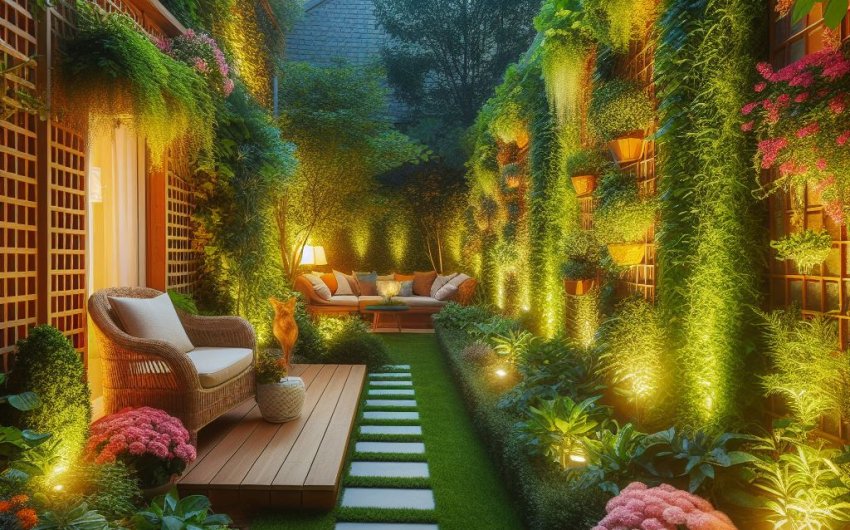
Often overlooked and underutilized, the side yard is a forgotten canvas in many homes. Tucked between the main house and a fence or neighbor's property, these narrow strips of land are frequently treated as mere passageways or dumping grounds for trash cans and forgotten tools. However, with a bit of imagination and strategic planning, your side yard can be transformed from a neglected space into a functional, beautiful, and even tranquil extension of your outdoor living area. Imagine stepping out into a lush pathway, a private retreat, or a cleverly organized utility zone – the possibilities are truly vast.
The unique challenges of a side yard – its often limited width, potential for shade, and the need for easy access – can actually spark incredibly creative landscaping ideas. Instead of seeing these constraints as obstacles, view them as opportunities to design a space that is both practical and aesthetically pleasing. This guide aims to unveil the hidden potential of your side yard, offering a wealth of inspiration and practical tips to turn this often-ignored area into a valuable asset for your home. Let's explore how to make every inch count.
What Are the Key Considerations for Side Yard Landscaping?
How Do I Assess My Side Yard's Characteristics?
Before diving into landscaping ideas, it's crucial to assess your side yard's unique characteristics. This helps you choose plants and features that will thrive and serve your specific needs.
- Sunlight exposure: This is perhaps the most critical factor. Does your side yard get full sun, partial sun, or is it mostly shady due to the house or a fence? Note how many hours of direct sunlight different sections receive throughout the day and at different times of the year. This will determine your plant choices. A Digital Light Meter for Plants can provide precise measurements.
- Drainage: Is the area prone to pooling water after rain, or does it drain quickly? Poor drainage can lead to root rot for plants and muddy pathways.
- Soil type: Is your soil sandy, loamy, or heavy clay? Understanding your soil type helps you select appropriate plants and determine if soil amendments are needed.
- Slope: Is the side yard flat, or does it have a slope? A slope might require terracing or specific erosion control measures.
- Width and length: Precisely measure the dimensions of your side yard. This will dictate the scale of your design and how much space you have for pathways, plantings, or features.
- Existing features: Are there any existing elements like AC units, utility meters, downspouts, or fences? These need to be integrated into your design or potentially screened.
- Access points: Where do you need to enter or exit the side yard (e.g., from the front, back, or garage)? Ensure your design doesn't impede necessary access.
A thorough assessment will inform all your design decisions.
What Is the Purpose of My Side Yard?
Defining the purpose of your side yard is key to a successful transformation. Without a clear goal, you might end up with a pretty space that doesn't serve your lifestyle.
- Utility/Service area: Do you need a place for trash cans, recycling bins, compost bins, or shed storage? Can it function as a discreet pathway to the backyard?
- Functional space: Could it be a narrow vegetable garden, an herb patch, or a dedicated dog run?
- Aesthetic appeal/Curb appeal: Do you primarily want it to be beautiful, perhaps as a visual transition from the front to the back of your house, or as a view from an interior window?
- Private retreat: Can it be a quiet, serene spot for reading, a small seating area, or a meditation space?
- Accessibility: Do you need it to be easily navigable for wheelchairs, strollers, or moving large items?
Once you determine the primary purpose (or multiple purposes), you can prioritize your landscaping choices. For example, if it's a utility area, durable, low-maintenance materials are crucial. If it's a private retreat, lush plantings and comfortable seating might be the focus.
How Can I Deal with Narrow Spaces?
Narrow spaces are the defining characteristic of most side yards, but they don't have to be a limitation. In fact, they can inspire clever design solutions.
- Visual tricks: Use horizontal lines (like long, narrow pavers or repeating plant patterns) to make the space feel wider. Avoid vertical lines that emphasize height.
- Layered planting: Instead of just one row of plants, use different heights to create depth. Place taller plants at the back against the fence, medium plants in the middle, and low-growing ground covers or edge plants near the pathway.
- Vertical gardening: Embrace the vertical! Wall-mounted planters, trellises with climbing plants, or tiered planters are excellent for adding greenery without taking up precious floor space. A Vertical Garden Planter can fit perfectly.
- Consistent elements: Use consistent materials for pathways, fencing, or wall treatments to create a sense of flow and make the space feel unified rather than chopped up.
- Minimalist approach: Sometimes, less is more. Don't try to cram too many features into a tight space. Choose a few key elements and let them shine.
- Lighting: Strategic lighting can add depth and make a narrow space feel larger and more inviting at night.
Embrace the narrowness and make it a design advantage, not a problem.
What About Privacy and Screening?
Privacy and screening are often major concerns in side yards, especially those adjacent to neighbors.
- Trellises and climbing plants: A classic solution. Install trellises against a fence or wall and grow vining plants like jasmine, clematis, or ivy. They create a beautiful green screen.
- Tall, narrow evergreens: If space allows, choose columnar evergreens like certain junipers or arborvitae. They provide year-round screening without spreading too wide.
- Strategic container planting: Tall, slender plants in large pots can be moved to block specific sightlines.
- Lattice extensions: If your fence isn't tall enough, add lattice extensions to increase height and grow climbers on them.
- Layered shrubbery: Use a combination of shrubs of varying heights to create a natural, dense screen. Choose plants that fit the sunlight conditions.
- Decorative screens: Consider installing decorative metal screens or slatted wood panels for immediate privacy.
Balance the need for privacy with ensuring adequate airflow and sunlight for your chosen plants.
What Are Some Creative Side Yard Landscaping Ideas?
How Can I Create a Functional Pathway?
Transforming your side yard into a functional pathway is often the primary goal. It needs to be easy to walk on, durable, and visually appealing.
- Materials:
- Pavers or stepping stones: Create a clear, stable path. Choose materials that complement your home's exterior, like Concrete Stepping Stones or natural stone. Lay them on a level base of gravel and sand for stability.
- Gravel: An affordable and permeable option. Use a weed barrier fabric underneath and contain it with edging to prevent scattering.
- Decomposed granite: A compactable, stable material that gives a natural look.
- Wood chips or mulch: Best for less frequently used paths, as they need replenishment.
- Width: Ensure the path is wide enough for comfortable passage. For a single person, 2-3 feet is usually sufficient. If you need to move a wheelbarrow or bins, consider 3-4 feet.
- Lighting: Install low-voltage pathway lights to ensure safety and enhance ambiance at night. Solar-powered options are easy to install.
- Edging: Use a neat edging material (metal, plastic, stone, or brick) to separate the path from planting beds, creating a tidy look and preventing gravel or mulch from spreading.
A well-designed pathway is both practical and inviting.
Can I Design a Narrow Garden Retreat?
Even a narrow side yard can be transformed into a tranquil garden retreat. The key is clever design and comfortable elements.
- Small seating: A single bench, a small bistro set, or a comfortable garden chair can define a cozy seating area. Position it to face an attractive feature or away from distractions.
- Soothing elements:
- Water feature: A small wall-mounted fountain or a self-contained bubbling feature can add calming sounds. A Solar Powered Fountain Kit can be easy to install.
- Wind chimes: Choose chimes with a gentle, melodic tone.
- Fragrant plants: Incorporate plants with pleasant scents like jasmine, gardenia, lavender, or herbs.
- Layered planting for ambiance: Use a mix of textures and heights. Focus on shade-loving plants if your side yard is mostly shady (hostas, ferns, impatiens, hellebores). For sunnier spots, consider small shrubs, ornamental grasses, or colorful annuals in containers.
- Art and decor: Add a piece of garden art, a decorative mirror (to reflect light and make the space feel larger), or unique pots to personalize the space.
- Lighting: Soft, ambient lighting from string lights, lanterns, or low-level spotlights can create a magical atmosphere at night.
A carefully designed garden retreat can become your favorite escape.
How Can I Create a Vertical Garden or Green Wall?
A vertical garden or green wall is a brilliant solution for adding lushness to a side yard without consuming much horizontal space.
- Wall-mounted planters: Choose multi-pocket fabric planters, modular plastic systems, or simple terracotta pots mounted on a vertical frame.
- Trellises with climbers: Install a sturdy trellis against a fence or wall and train vining plants to grow upwards. Good choices include edible vines (cucumbers, beans), flowering vines (clematis, honeysuckle), or evergreen vines (ivy, creeping fig).
- Pallet gardens: Repurpose old wooden pallets by attaching fabric liners to create pockets for plants. Paint them for a more finished look.
- Shelving units: Install narrow shelving along a wall to display potted plants at different heights.
- Living walls: These are more complex systems that create a truly integrated green wall with irrigation systems. While more involved, they offer stunning results.
Vertical gardens are perfect for herbs, annuals, succulents, or even small edible greens, bringing life and color to otherwise bare walls.
What Are Ideas for Utility and Storage Areas?
Your side yard is often the ideal spot for utility and storage, keeping these less-than-picturesque items out of sight from main living areas.
- Screening: Use simple screens or tall, narrow plants to hide trash cans, recycling bins, or AC units. Slatted wood screens or a row of columnar evergreens are effective.
- Sheds: A narrow storage shed can be tucked into a side yard to house garden tools, seasonal decor, or sporting equipment. Choose a shed that complements your home's style. Make sure you have enough clearance for access. A Narrow Garden Shed is designed for tight spaces.
- Compost bins: If you compost, a neat compost bin can be placed in a discreet corner. Look for enclosed tumblers or bins that deter pests.
- Rain barrels: Install a rain barrel under a downspout to collect rainwater for your garden. This is both eco-friendly and practical. Paint it to match your house or plant around it to help it blend in.
- Pathways to utility: Ensure easy access to meters or outdoor spigots, incorporating them into your path design rather than building around them.
Thoughtful planning can turn a functional area into an organized and discreet part of your landscape.
Can I Include Edible Gardens in My Side Yard?
Absolutely! A side yard can be an excellent location for an edible garden, especially if it receives adequate sunlight.
- Raised beds: Narrow raised beds are perfect for growing vegetables, herbs, and even some fruit plants. They allow for better control over soil quality and drainage. You can build Narrow Raised Garden Beds that fit the space.
- Container gardening: For ultimate flexibility, grow edibles in pots. This allows you to move plants to optimize sunlight and manage water more easily. Consider dwarf fruit trees or berry bushes in large containers.
- Vertical edibles: Use vertical planters for herbs, leafy greens, strawberries, or even small tomatoes and peppers.
- Vining edibles on trellises: Train cucumbers, pole beans, peas, or small squash varieties to grow vertically on a trellis against a fence.
- Herb spiral: If you have a slightly wider section, an herb spiral is a compact way to grow a variety of herbs, creating different microclimates.
Ensure your edible garden area has enough sunlight (at least 6-8 hours of direct sun for most vegetables) and easy access for watering and harvesting.
What Plants Work Best for Side Yard Landscaping?
Which Plants Thrive in Shady Side Yards?
For shady side yards, selecting the right plants is essential. Don't despair if your side yard gets little sun; many beautiful plants thrive in low-light conditions.
- Perennials:
- Hostas: Known for their striking foliage in various shades of green, blue, and variegated patterns. They come in many sizes.
- Ferns: Offer delicate, feathery textures. Maidenhair fern, Japanese painted fern, and autumn fern are popular choices.
- Hellebores (Lenten Rose): Provide early spring blooms in shades of white, pink, and purple, often evergreen.
- Astilbe: Produces feathery plumes of flowers in summer, adding color and texture.
- Heuchera (Coral Bells): Valued for their colorful foliage, ranging from lime green to deep burgundy.
- Shrubs:
- Hydrangeas: Many varieties thrive in partial shade and offer large, beautiful blooms.
- Azaleas and Rhododendrons: Provide vibrant spring color in acidic, shady conditions.
- Boxwood: Excellent for evergreen structure and hedging, tolerates shade well.
- Groundcovers:
- Ivy: Fast-growing evergreen cover, but can be invasive.
- Pachysandra: A classic low-maintenance evergreen groundcover.
- Lamium: Offers variegated foliage and small flowers.
- Annuals (for seasonal color):
- Impatiens: Bright, continuous blooms for shady spots.
- Coleus: Stunning foliage in a huge range of colors.
Focus on plants that add texture, interesting foliage, and subtle pops of color for a captivating shady retreat.
What Plants Are Good for Sunny Side Yards?
If your side yard receives full sun (6+ hours of direct sunlight), your plant options expand significantly, especially if you want flowers or edible plants.
- Perennials:
- Daylilies: Hardy and produce a profusion of blooms in summer.
- Coneflower (Echinacea): Attracts pollinators and offers long-lasting daisy-like blooms.
- Sedum (Stonecrop): Succulent foliage and late-season flowers, very drought-tolerant.
- Lavender: Fragrant and beautiful, thrives in full sun and well-drained soil.
- Ornamental grasses: Add texture, movement, and year-round interest.
- Shrubs:
- Roses: Many varieties thrive in full sun, from bush roses to climbing roses.
- Spirea: Offers colorful foliage and clusters of small flowers.
- Ninebark: Valued for its unique bark, colorful foliage, and clusters of flowers.
- Vines:
- Clematis: Many varieties with spectacular blooms for trellises in sunny spots.
- Trumpet Vine: Fast-growing with showy, trumpet-shaped flowers.
- Annuals (for continuous color):
- Petunias, Marigolds, Zinnias: Provide abundant, continuous blooms.
- Geraniums: Hardy and colorful in pots or beds.
Consider drought-tolerant plants if your sunny side yard tends to dry out quickly, reducing your watering needs.
How Can I Choose Drought-Tolerant Plants?
Choosing drought-tolerant plants is a smart strategy for any side yard, especially those in sunny locations or areas with watering restrictions. These plants are adapted to thrive with minimal water once established.
- Look for specific characteristics:
- Thick, fleshy leaves or stems: Like succulents (Sedum, Sempervivum), which store water.
- Small, fine, or silvery/hairy leaves: These adaptations reduce water loss. Examples include Lavender, Russian Sage, or certain ornamental grasses.
- Deep root systems: Allow plants to access water deeper in the soil.
- Native plants: Research plants native to your region. They are naturally adapted to your local climate and rainfall patterns, often requiring less water and maintenance.
- Mediterranean and xeric plants: Many plants from Mediterranean climates or arid regions are naturally drought-tolerant. Examples include Rosemary, Thyme, Agave, and Yucca.
- Good drainage is key: Even drought-tolerant plants can suffer from root rot if the soil is constantly waterlogged. Ensure your side yard has excellent drainage.
Once established, these plants can significantly reduce your water bill and maintenance efforts. You can find a wide variety of Drought Tolerant Seeds to start your resilient garden.
What Are Good Options for Evergreen Plants?
Evergreen plants are invaluable in side yard landscaping because they provide year-round interest, structure, and privacy.
- Shrubs:
- Boxwood: Excellent for formal hedging or informal mounding, tolerates shade to sun.
- Holly: Many varieties, from small shrubs to larger trees, offer glossy leaves and often red berries.
- Dwarf Conifers: Small pines, spruces, or junipers that stay compact and add texture.
- Rhododendrons and Azaleas (evergreen varieties): Provide year-round green and beautiful spring blooms in shady, acidic conditions.
- Groundcovers:
- Ivy: Fast-growing and provides dense green coverage, but can be aggressive.
- Pachysandra: Low-growing and forms a dense mat in shade.
- Creeping Myrtle (Vinca minor): Trailing evergreen with blue or white flowers in spring.
- Vines:
- Evergreen Clematis (e.g., 'Armandii'): Offers fragrant white flowers in spring and evergreen foliage.
- Wintercreeper (Euonymus fortunei): Can be a groundcover or climber with variegated foliage.
When selecting evergreens, consider their mature size to avoid overcrowding the narrow space in the future.
How Can I Add Visual Interest and Maintain My Side Yard?
What Lighting Options Work Best for Side Yards?
Lighting is not just for safety; it can dramatically enhance the ambiance and visual appeal of your side yard at night.
- Pathway lights: Low-voltage or solar path lights placed along the walkway provide safe navigation and a soft glow.
- Up-lighting: Small spotlights placed at the base of trees or tall shrubs can highlight their form and create dramatic shadows.
- String lights: Hung along a fence, trellis, or over a seating area, string lights add a festive and magical atmosphere. Look for Outdoor String Lights that are waterproof.
- Wall-mounted fixtures: Sconces on the house or fence can provide ambient light and architectural interest.
- Fairy lights: Tiny, delicate lights woven through plants or trellises add a whimsical touch.
- Motion-sensor lights: For security or purely functional areas, motion-sensor lights can be practical, but ensure they don't bother neighbors.
Strategic lighting transforms a drab space into an inviting evening retreat.
Can I Use Hardscaping Elements Creatively?
Hardscaping elements are crucial in side yards as they provide structure, define spaces, and offer low-maintenance solutions.
- Pathways: As discussed, pavers, gravel, or decomposed granite define the main thoroughfare.
- Retaining walls: If your side yard has a slope, small retaining walls can create level planting beds, preventing erosion and adding visual tiers.
- Edging: Brick, metal, or stone edging creates clean lines between pathways and planting beds.
- Decorative gravel or stones: Beyond the pathway, different sizes and colors of decorative gravel or river stones can be used as a low-maintenance groundcover in planting beds, especially around drought-tolerant plants.
- Stepping stones: Create a whimsical, less formal path through a planting area.
- Vertical elements: Consider a small gate, an arbor, or decorative privacy screens that add a focal point.
- Bench or small patio: If space permits, a small area of pavers or a single slab can create a cozy seating spot. A Garden Bench Outdoor could be ideal.
Hardscaping provides the bones of your side yard design, offering year-round presence and reducing maintenance.
What Are Low-Maintenance Landscaping Tips for Side Yards?
For many, a low-maintenance side yard is the dream. Here's how to achieve it:
- Choose the right plants: Opt for plants that are native to your area, drought-tolerant, and well-suited to your side yard's light conditions. Avoid plants that require frequent pruning, deadheading, or pest control.
- Mulch generously: A thick layer of mulch (3-4 inches) suppresses weeds, retains moisture, and reduces the need for weeding and watering.
- Smart irrigation: Install a drip irrigation system for consistent and efficient watering, reducing manual effort. A Drip Irrigation Kit can save you time and water.
- Hardscaping: Incorporate more hardscaping (paths, gravel, patios) to reduce the amount of planting area that needs attention.
- Container plants: While they need more frequent watering, they allow for easy rearrangement and replacement, and you can control their soil and pest issues more easily.
- Reduce lawn area: Replacing a narrow strip of grass with planting beds or a pathway eliminates the need for mowing in a tight space.
- Plant in groups: Mass plantings of the same type of plant often look tidier and are easier to maintain than a patchwork of individual plants.
A low-maintenance side yard allows you to enjoy its beauty without it becoming a chore.
How Can I Add Art and Decor to My Side Yard?
Adding art and decor can inject personality and charm into your side yard, turning it into a unique outdoor gallery.
- Garden sculptures: Choose pieces that fit the scale of the narrow space. A tall, slender sculpture can draw the eye upwards.
- Wall art: Treat the fence or house wall as a blank canvas. Hang weather-resistant mirrors (to expand the sense of space), metal wall art, or even reclaimed architectural elements.
- Unique planters: Instead of standard terracotta, opt for decorative ceramic pots, galvanized metal containers, or natural stone planters. Arrange them at different heights.
- Wind chimes: As mentioned, they add soothing sounds.
- Bird feeders or baths: Attract wildlife and add a natural element, provided they don't create a mess on your pathway.
- DIY projects: Paint a mural on a fence, create stepping stones with mosaic tiles, or repurpose old items into planters.
Thoughtful placement of art and decor can create focal points and transform a plain side yard into an inviting and expressive space.